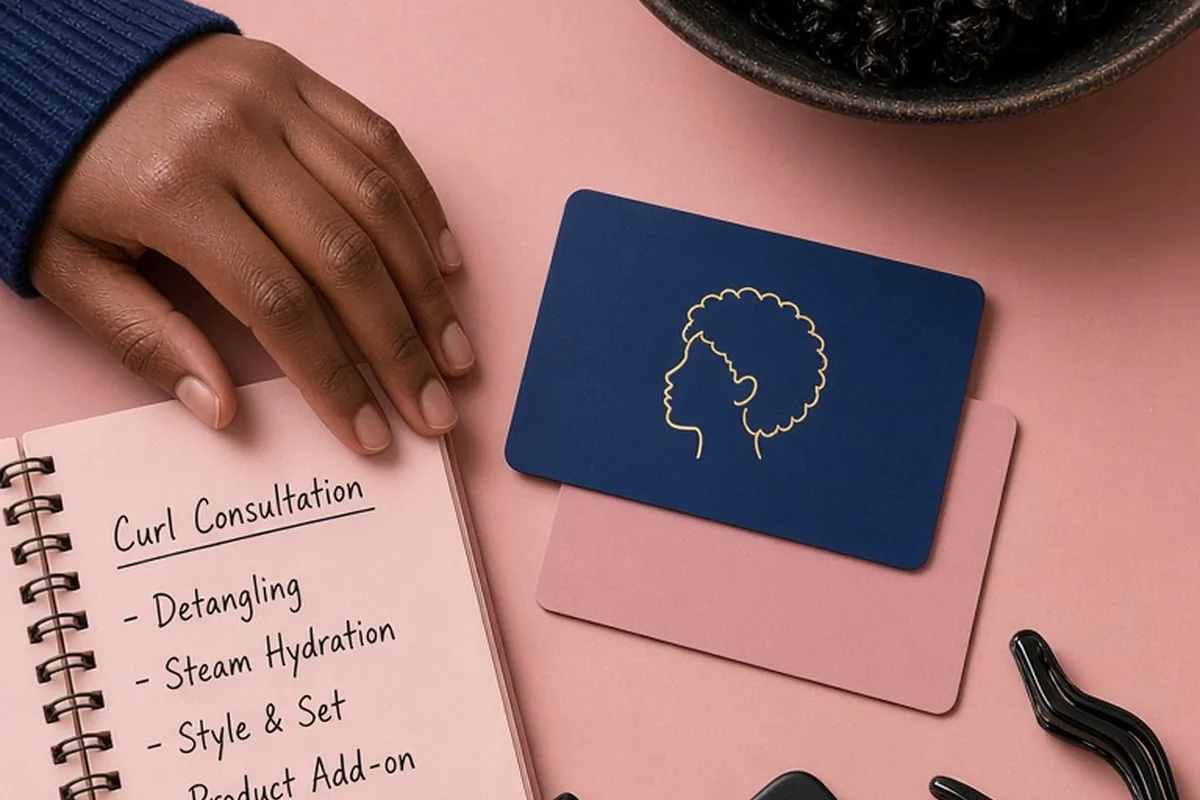
Textured hair stylist salon costs depend on whether a professional charges flat service fees or hourly rates, combined with variables like hair density, length, and current strand condition. Total appointment pricing generally reflects baseline styling, specialized consultation deposits, necessary prep work such as detangling, and restorative add-ons like steam hydration. Because rates fluctuate based on regional overhead and individual stylist experience, requesting an itemized quote during an initial consultation offers the most reliable cost projection.
Booking an appointment with a salon professional who understands waves, curls, coils, and tightly textured patterns requires balancing technical expertise with clear financial expectations. Textured hair requires specialized knowledge of moisture retention, tension management, curl patterning, and delicate cuticle structures, meaning appointments often demand more time, specialized tools, and customized product formulations than standard salon visits.
Base Service Structures: Hourly Billing Versus Flat-Rate Menu Pricing
Salons catering to textured hair typically adopt one of two primary billing formats: a traditional flat-rate service menu or an all-inclusive hourly rate. A flat-rate menu lists distinct prices for baseline services, such as a silk press, a customized curl cut, starter locs, or box braids. Under this system, the listed price covers a standard baseline duration and amount of product, with any extra labor, treatments, or styling intricacies added as separate line items on the final receipt.
Hourly pricing is increasingly common among independent curl specialists and high-end textured hair salons. Stylists who charge by the hour bundle all required steps into a single clock-based rate, eliminating separate fees for deep conditioning, detox treatments, trims, or detangling. Hourly billing provides full transparency for complex, highly individualized transformations such as color corrections, extensive braid installations, or loc repairs, though it also means your final cost expands if your hair requires extended drying time or intensive physical manipulation.
Textured Hair Specialist Consultation and Deposit Policies
First-time appointments with a textured hair professional almost always require a dedicated consultation, which can be conducted virtually or as an in-person assessment before service day. Salons use this time to evaluate curl pattern uniformity, strand elasticity, porosity, scalp health, and chemical history. Because stylists must set aside dedicated calendar space to analyze your hair, consultation fees are standard practice and may either remain a standalone charge or be applied toward your final service bill.
Securing an appointment slot for time-intensive textured services generally involves paying a non-refundable deposit at booking. These deposits protect the stylist from last-minute cancellations, given that services like micro-braids, sisterlocks, or comprehensive color transformations can occupy four to eight hours of a stylist's working day. Review the salon's cancellation window, deposit transferability guidelines, and late-arrival policies before submitting payment to ensure you do not forfeit your upfront investment if an unexpected scheduling conflict arises.
Length, Density, and Detangling Surcharges on Your Final Bill
One of the most frequent sources of confusion on a salon bill is the application of length, density, and detangling surcharges. Two clients requesting the exact same cut or set of two-strand twists may receive substantially different quotes based purely on the physical volume of their hair. High-density hair requires significantly more sectioning, greater product volume, and longer blow-drying or hooded-dryer time, directly increasing the labor and materials invested in the appointment.
Detangling fees are assessed when hair arrives matted, severely tangled, or fresh out of a long-term protective style without proper takedown preparation. Stylists must work through knots with gentle slip agents and specialized tools to prevent mechanical breakage, which can add anywhere from thirty minutes to two hours to the appointment schedule. To avoid unexpected prep charges, clarify whether your stylist expects your hair pre-detangled, washed, and stretched, or if all wash-day preparation is included in the base booking.
Silk Presses, Protective Styles, and Chemical Service Cost Drivers
Different categories of textured hair styling carry vastly different price structures based on the level of manual labor and chemical expertise required. Thermal styling services, such as a silk press, demand meticulous multi-step moisture preparation, gentle tension blow-drying, and precision flat-ironing at tailored temperatures to achieve smooth results without heat damage. The price reflects both the styling time and the foundational wash, treatment, and trim steps necessary to protect natural curl patterns.
Protective styling pricing fluctuates based on installation complexity, parting precision, and whether the stylist supplies the synthetic or human extension hair. Knotless braids, faux locs, and passion twists require extensive physical handwork, with smaller parting sizes and longer lengths commanding substantial premiums. Conversely, chemical services like virgin relaxers, permanent waving, or high-lift coloring involve significant chemical knowledge, strict timing protocols, and mandatory neutralizing steps, representing higher liability and specialized training that factor directly into the fee structure.
Add-On Treatments: Deep Conditioning, Scalp Care, and Trims
A standard wash and style often serves merely as the canvas for necessary restorative treatments that support textured hair health. Add-on services represent targeted interventions designed to address common concerns such as moisture deficiency, protein depletion, scalp congestion, and split ends. Because these treatments require specialized equipment, such as ozone steamers or infrared heat caps, along with clinical-grade professional products, they are typically billed as independent upgrades on flat-rate menus.
Common service enhancements include bond-building formulations to reinforce fragile strand architecture, steam-assisted deep conditioning for low-porosity hair, and clarifying scalp detoxes to dissolve buildup from heavier styling butters and edge controls. In addition, maintenance trims or dusting procedures are often charged separately unless you have booked a standalone structural haircut. Clarifying which restorative treatments are essential for your hair goals prior to service day ensures your final bill aligns with your planned budget.
Ongoing Maintenance Cadence and Annual Haircare Budgeting
Calculating the true cost of textured haircare requires looking beyond single salon visits to examine the ongoing annual maintenance cycle. A client maintaining a precision dry cut or a structured silk press might visit the salon every two to four weeks, creating a steady, recurring expense. Meanwhile, someone wearing long-term protective styles may visit only four to six times a year, but each individual session will carry a higher one-time installation cost paired with distinct takedown and reset treatments.
A complete textured haircare budget also accounts for professional-grade home maintenance products. Stylists often recommend specific leave-in conditioners, satin bonnets, scalp oils, and heat protectants to preserve salon results between visits. Investing in stylist-recommended home maintenance helps extend the lifespan of your style, minimizes breakage, and prevents costly corrective appointments that become necessary when hair is neglected between professional sessions.
How to Vet a Stylist's Price Transparency and Request an Accurate Quote
Evaluating a textured hair stylist requires assessing both their technical portfolio and their business transparency. Stylists committed to clear communication typically maintain accessible digital service menus detailing what each baseline service includes, their deposit guidelines, and clear hourly or add-on policies. Ambiguity around baseline fees or a reluctance to provide estimated ranges during intake should prompt caution, as it increases the risk of unexpected charges at checkout.
When requesting an accurate price quote, provide clear, unedited photographs of your natural hair in its current state, including its current length, density, and root condition. Share your complete chemical and color history from the preceding two years, along with clear reference images of your desired end result. Asking specifically whether wash-day prep, conditioning, trims, and extension hair are included in the quote ensures you receive an all-inclusive estimate before sitting in the styling chair.
Frequently asked questions
Why do textured hair appointments often carry higher prices than standard salon visits?
Textured hair services generally require greater time, specialized manual techniques, and higher volumes of targeted moisturizing and bonding products. Stylists also invest in advanced education to master curl mechanics, tension control, and heat-safe styling, reflecting specialized technical expertise.
Should I wash and detangle my hair before arriving for my salon appointment?
Review your specific stylist's preparation guidelines, as requirements vary widely between salons. Some stylists prefer working on completely clean, detangled, and air-dried hair, while others include comprehensive wash-day preparation and scalp analysis in their baseline service package.
Are extension hair costs typically included in protective styling quotes?
In many salons, extension hair is billed separately unless the stylist explicitly advertises an all-inclusive package. Always ask whether you need to bring your own pre-stretched hair or if the stylist provides specific brands and colors as part of the total price.
What should I do if my final bill is higher than the initial estimate?
Ask for an itemized breakdown of the charges to see which specific add-ons, density fees, or extended labor times were applied during your visit. Discuss any discrepancies directly with the stylist or salon manager by referencing the original quote received during your intake consultation.
Your next step
Photograph your natural hair in good lighting, list your complete chemical history, and contact two licensed textured hair specialists to request itemized written quotes before scheduling your next appointment.