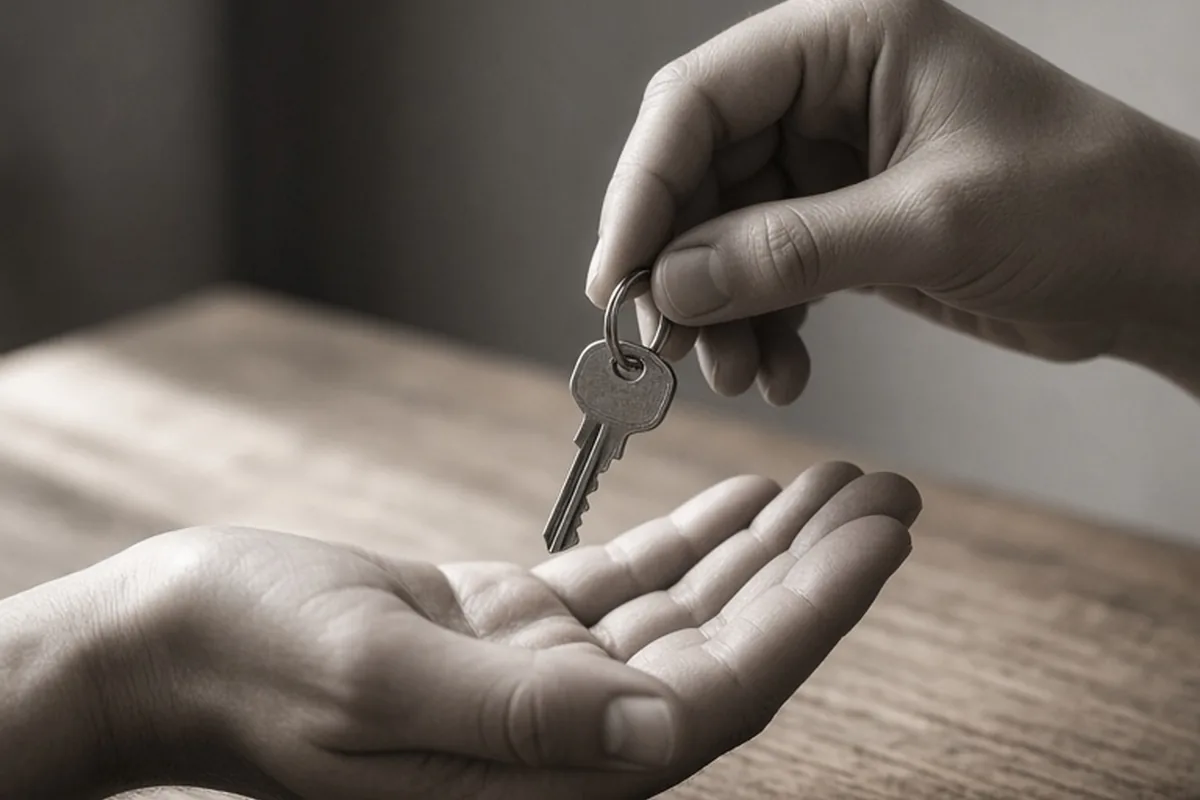
The hidden benefits of divorce often center on reclaiming emotional autonomy, establishing personal boundaries, and eliminating chronic marital conflict. While the transition brings significant emotional and logistical strain, ending an unhealthy or incompatible marriage frequently allows individuals to rediscover their independent identity, gain clear control over their finances, foster more intentional parenting dynamics, and create space for healthier future relationships.
Ending a marriage is rarely a simple or painless choice, but moving past the initial grief and upheaval often reveals unexpected opportunities for long-term emotional well-being and personal renewal.
Reclaiming Personal Autonomy and Daily Freedom
In a struggling or incompatible marriage, daily routines often turn into continuous negotiations or unspoken compromises. When two people have fundamentally conflicting preferences or unresolved hostility, ordinary choices—such as how to organize a living space, how to spend free time, or which social invitations to accept—can carry heavy emotional friction. Divorce removes the constant pressure to adjust your habits around a partner's disapproval, creating immediate room for personal agency.
Experiencing autonomy in your day-to-day life allows you to structure your environment in a way that supports your mental well-being. You can establish peaceful morning routines, pursue hobbies that were previously sidelined, and make decisions without second-guessing how someone else might react. For example, someone who spent years feeling criticized for their creative pursuits or social calendar can finally invest time in those activities without guilt.
However, reclaiming total independence also introduces new responsibilities. When you live on your own, every household task, maintenance issue, and logistical decision falls entirely on your shoulders. While having complete control over your home is liberating, building systems to manage those responsibilities without shared support requires an intentional adjustment period.
Ending Chronic Tension and Emotional Exhaustion
Living in a high-conflict or emotionally disconnected partnership keeps the nervous system in a persistent state of alertness. Whether marital discord manifests as volatile arguments or pervasive, icy silence, the constant undercurrent of instability takes a measurable toll on emotional and physical energy. Prolonged relationship distress often drains the mental reserves needed for work, self-care, and meaningful connections.
Divorce eliminates the recurring cycle of marital conflict and the dread of walking on eggshells in your own home. Replacing a volatile domestic environment with a quiet, predictable living space provides the psychological safety required for deep rest and recovery. Over time, many people notice a marked reduction in daily anxiety once they no longer have to navigate a partner's unpredictability or resentment.
It is worth noting that emotional peace does not arrive overnight. The immediate aftermath of separation carries its own acute stressors, including legal negotiations and grief over the end of the partnership. The relief of ending chronic marital distress is a long-term gain that develops gradually as you settle into a stable, independent routine.
Gaining Financial Clarity and Direct Control
Financial incompatibility is one of the most common sources of chronic marital discord. When partners hold opposing philosophies on debt, spending, saving, or long-term investments, money management becomes a battleground of distrust and secretiveness. Divorce separates shared assets and liabilities, creating a transparent framework where you alone dictate your economic path.
Having direct control over your finances allows you to align spending and saving habits with your personal priorities. You no longer have to absorb the consequences of a spouse's impulse purchases, undisclosed debts, or overly restrictive budgeting. For instance, you can choose to live modestly in certain areas to prioritize savings, education, or travel without needing to persuade a resistant spouse.
The trade-off is that transitioning from a dual-income household to a single-income budget often requires substantial financial restructuring. You may need to downsize housing, adjust discretionary spending, and carefully track cash flow to maintain stability. Despite these initial constraints, having complete visibility and authority over your financial reality builds long-term security and self-reliance.
Fostering Focused and Intentional Parenting
In a conflicted marriage, parenting is frequently compromised by marital tension. Parents may find themselves divided over discipline, undermining each other's authority, or using their limited energy to manage arguments rather than connect with their children. When children grow up in a tense household, they absorb the underlying hostility regardless of how well parents attempt to hide it.
Divorce can paradoxically improve parenting quality by allowing each parent to create a calm, focused environment during their custodial time. When you are not emotionally drained by marital conflict, you can be more present, patient, and attentive with your children. Establishing clear routines and positive communication in your own home provides children with a tangible model of emotional regulation, respect, and healthy conflict resolution.
Co-parenting across separate households does require clear communication and firm boundaries. Navigating handoffs, school schedules, and different household rules demands maturity and patience, especially when communication with an ex-spouse remains difficult. Focusing exclusively on your child's needs during your parenting time helps create a stable sanctuary for them.
Rediscovering Individual Identity and Self-Worth
Over the course of a long-term marriage, individual identity often becomes blurred with the identity of the couple. In unhappy or diminishing relationships, people frequently suppress their own desires, values, and instincts simply to keep the peace. Over time, this erosion of self-expression can lead to a diminished sense of self-worth and purpose.
The process of establishing a life after divorce compels a thorough inventory of who you are as an individual. It opens up opportunities to reconnect with personal core values, career ambitions, and neglected friendships. For example, an individual might return to school, change career directions, or re-engage with community organizations that they abandoned during their marriage.
This journey of self-discovery requires sitting with periods of solitude and confronting uncomfortable truths about your own patterns. Growth comes from evaluating both what went wrong in the marriage and what you genuinely want out of life moving forward. Embracing this self-reflection helps transform divorce from an ending into a constructive foundation for personal reinvention.
Establishing Clearer Standards for Future Relationships
Experiencing the breakdown and dissolution of a marriage provides profound insight into what makes a partnership functional or dysfunctional. The lessons learned through marital struggle offer invaluable clarity regarding personal boundaries, non-negotiable values, and essential communication patterns.
With this hard-earned perspective, you become far better equipped to recognize relational red flags early and avoid repeating unproductive dynamics. If you choose to date in the future, you can approach new connections from a position of wholeness and discernment rather than loneliness or social obligation. You understand that being single is significantly healthier than remaining in a damaging or unsupportive partnership.
A realistic challenge in future relationships is the tendency to remain guarded or hyper-vigilant after past marital pain. Cultivating healthy connections requires balancing sensible boundaries with the willingness to practice emotional vulnerability when someone demonstrates consistent trustworthiness.
Frequently asked questions
How long does it typically take to feel the positive effects of divorce?
The timeline varies significantly depending on the level of conflict, financial adjustments, and emotional processing involved. Many people begin to feel relief from daily marital tension within a few months, while deeper personal clarity and financial stability often develop over one to two years.
Is it normal to feel both relief and profound sadness after a divorce?
Yes, experiencing conflicting emotions is completely standard during major life transitions. You can feel genuine relief that a difficult marriage has ended while simultaneously grieving the loss of shared history, dreams, and family structures.
How can I maintain a positive outlook while managing the practical stresses of divorce?
Focus on controllable daily actions rather than long-term uncertainties by establishing simple routines, creating a realistic budget, and setting firm boundaries. Seeking support from professional counselors, trusted friends, or divorce support groups can also provide practical encouragement and perspective.
Your next step
To turn the transition of divorce into an opportunity for constructive growth, identify one area of your personal or financial life where you can establish an independent, healthy routine this week.