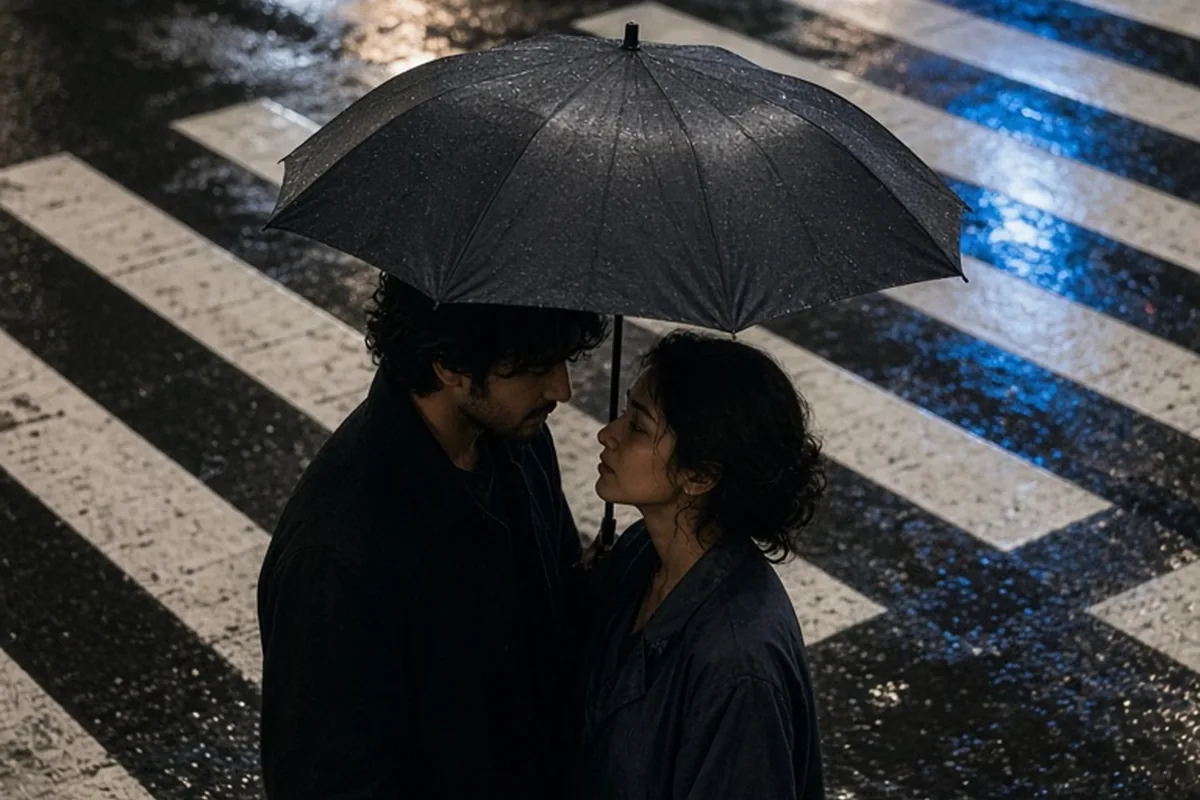
In the Mahabharata and Rabindranath Tagore's celebrated adaptation, Chitrangada, the warrior heir of Manipur raised with a masculine upbringing, transformed her physical appearance to win the love of Arjuna. After temporarily obtaining conventional feminine allure from the gods, she recognized that artificial presentation cannot sustain genuine partnership. Arjuna ultimately fell in love with her authentic warrior self, demonstrating that lasting intimacy requires embracing a partner for their complete, unmasked identity rather than rigid gender ideals.
The epic traditions of ancient India contain nuanced explorations of gender, identity, and romantic devotion that challenge conventional modern assumptions about traditional social roles.
The Legend of Chitrangada and the Royal Line of Manipur
In the classical Sanskrit Mahabharata, the kingdom of Manipur held a unique royal lineage governed by strict ancestral customs. King Chitravahana, ruling without a male heir, raised his daughter Chitrangada as a son to fulfill the duties of crown prince, protector, and sovereign. She was trained rigorously in statecraft, archery, combat, and governance, mastering the traditional responsibilities of a warrior prince. Her identity was forged not through delicate domestic expectations, but through physical discipline, administrative authority, and battlefield preparedness.
When Arjuna traveled across ancient India during his twelve-year period of self-imposed exile, his journey brought him to the forests and borders of Manipur. Chitrangada encountered the famed Pandava archer during a hunt. Unaccustomed to courtly flirtation or standard feminine socialization, her initial encounter with Arjuna highlighted the sharp contrast between her lived reality as a fierce warrior ruler and the social scripts surrounding conventional romantic attraction in the epic era.
The Encounter with Arjuna and the Yearning for Physical Transformation
Upon meeting Arjuna, Chitrangada experienced a profound awakening of romantic desire that conflicted with her accustomed role as a warrior. In the expanded retelling by Nobel laureate Rabindranath Tagore, this moment triggers deep emotional turmoil. When Chitrangada first approaches Arjuna in her standard martial armor and unadorned warrior demeanor, Arjuna views her strictly as an honorable comrade and fellow hunter, failing to recognize her romantic interest.
Distressed by what she perceived as a rejection of her womanhood, Chitrangada sought divine intervention. She prayed to Madana, the deity of love and desire, and Vasanta, the personification of spring. Moved by her devotion, the gods granted her a boon: the gift of extraordinary physical beauty and traditional feminine charm for the span of one year. Armed with this divine makeover, Chitrangada returned to Arjuna, who was immediately captivated by her captivating physical appearance and apparent vulnerability.
This transformation highlights a critical dilemma regarding romantic desire versus authentic selfhood. While the enchantment succeeded in attracting Arjuna's passionate attention, Chitrangada immediately found herself trapped in an internal crisis. She recognized that the man she admired was captivated by an illusionary exterior rather than the courageous, capable ruler she truly was beneath the borrowed grace.
The Illusion of Superficial Allure versus Internal Authenticity
During their time together in the idyllic groves of Manipur, Chitrangada lived a double life that became increasingly unbearable. Arjuna showered devotion upon her delicate form, celebrating her gentleness and grace. Yet every compliment directed at her temporary beauty felt to Chitrangada like an invisible barrier between their souls. She understood that the affection she received was contingent upon a transient disguise, rendering the romantic connection hollow at its core.
This narrative serves as a profound mythological critique of superficial attraction. When individuals alter their core presentation to satisfy perceived partner expectations, the resulting validation often fuels anxiety rather than security. Chitrangada continuously feared the expiration of her divine gift, knowing that physical allure alone cannot build an enduring foundation for mutual respect, shared values, or collaborative life building.
The Turning Point: Defending the Realm and Revealing the Warrior Self
The turning point in the relationship arrived when bandits threatened the peaceful citizens of Manipur. As news reached Arjuna of the impending danger, he inquired why the local populace seemed unafraid. The villagers informed him that they relied entirely on their beloved protector, Princess Chitrangada, whose legendary courage and military acumen safeguarded the territory from all adversaries.
Hearing these tales of valor, Arjuna expressed a fervent desire to meet this noble warrior prince, expressing admiration for a ruler of such strength and integrity. Witnessing Arjuna's deep respect for her actual accomplishments and authentic character, Chitrangada recognized that the moment for pretense had passed. She shed her enchanted form, discarded the illusion of fragile beauty, and presented herself in full battle armor as the legitimate defender of Manipur.
In her iconic declaration, Chitrangada stated that she was neither an untouchable goddess to be worshipped on an altar nor a frail plaything to be sheltered in seclusion. She introduced herself as an equal partner, ready to stand beside him in times of peril, govern her people with justice, and share the burdens of life.
Arjuna's Acceptance of the Complete and Complex Partner
Arjuna's response to Chitrangada's revelation marks one of the most progressive moments in ancient literature. Rather than feeling deceived by her dual nature or intimidated by her martial prowess, Arjuna felt an amplified reverence and love for her complete identity. He recognized that her strength, leadership, and unyielding spirit were far more captivating than any temporary spell of cosmetic beauty.
Their union was subsequently consecrated on terms of mutual equality and sovereign respect. Under the agreement made with King Chitravahana, Chitrangada remained the ruler of Manipur rather than following Arjuna into exile or subjugating her kingdom to his lineage. Their son, Babruvahana, was raised in Manipur under Chitrangada's sole tutelage to inherit the throne, proving that their partnership honored her autonomy, authority, and ancestral responsibilities.
Gender Fluidity and Identity Themes in the Broader Epic
The story of Chitrangada is not an isolated instance of gender nonconformity in the Mahabharata. The epic regularly explores fluid boundaries of gender, duty, and social presentation across multiple key figures. Arjuna himself experienced a profound gender transformation during the Pandavas' final year of exile in the Matsya kingdom, adopting the identity of Brihannala, a dance teacher who lived and dressed outside traditional male roles.
Similarly, the warrior Shikhandi was born female as Shikhandini and later underwent a physical transformation to become a male warrior capable of fulfilling a pivotal destiny on the battlefield of Kurukshetra. These intersecting narratives demonstrate that ancient epic traditions recognized identity as multifaceted, capable of transcending rigid biological and cultural binaries to serve higher moral, personal, and spiritual purposes.
Contemporary Relationship Lessons on Vulnerability and Mutual Respect
Modern couples can derive meaningful insights from the emotional arc of Chitrangada and Arjuna. The pressure to conform to standardized expectations of attractiveness or gender behavior remains a common source of relationship strain. When partners feel compelled to suppress their ambition, strength, or emotional complexity to fit a traditional mold, intimacy inevitably suffers.
Healthy partnerships thrive when both individuals are valued for their genuine capabilities, quirks, and life callings. True compatibility does not require diminishing one's power to make a partner comfortable; rather, it invites both parties to witness, support, and celebrate each other's complete humanity without pretense or performance.
Frequently asked questions
Did Chitrangada permanently change her physical gender in the original Mahabharata text?
In the classical Sanskrit epic, Chitrangada was raised as a son and male heir in terms of duty and warrior training, though she remained biologically female. Later dramatic adaptations, particularly Rabindranath Tagore's dance drama, emphasized a magical physical transformation from an unadorned warrior into an epitome of conventional feminine beauty before she resumed her natural warrior persona.
Why did Chitrangada not leave Manipur to live with Arjuna after their marriage?
Chitrangada remained in Manipur because she was the sole heir to King Chitravahana and bore the constitutional responsibility to govern and protect her kingdom. Arjuna respected this arrangement, agreeing that their son Babruvahana would continue the royal lineage of Manipur rather than the Kuru dynasty.
How does Chitrangada's story differ from Shikhandi's gender journey in the Mahabharata?
Shikhandi underwent a complete and permanent gender transition from female to male to fulfill a vow of vengeance and warrior duty against Bhishma on the Kurukshetra battlefield. In contrast, Chitrangada's journey focused on reconciling her identity as a masculine-raised warrior ruler with romantic vulnerability, ultimately achieving equal partnership without sacrificing her sovereignty.
Your next step
Reflect on your own relationships to ensure you are presenting your authentic strengths and values rather than masking them to fulfill external expectations.