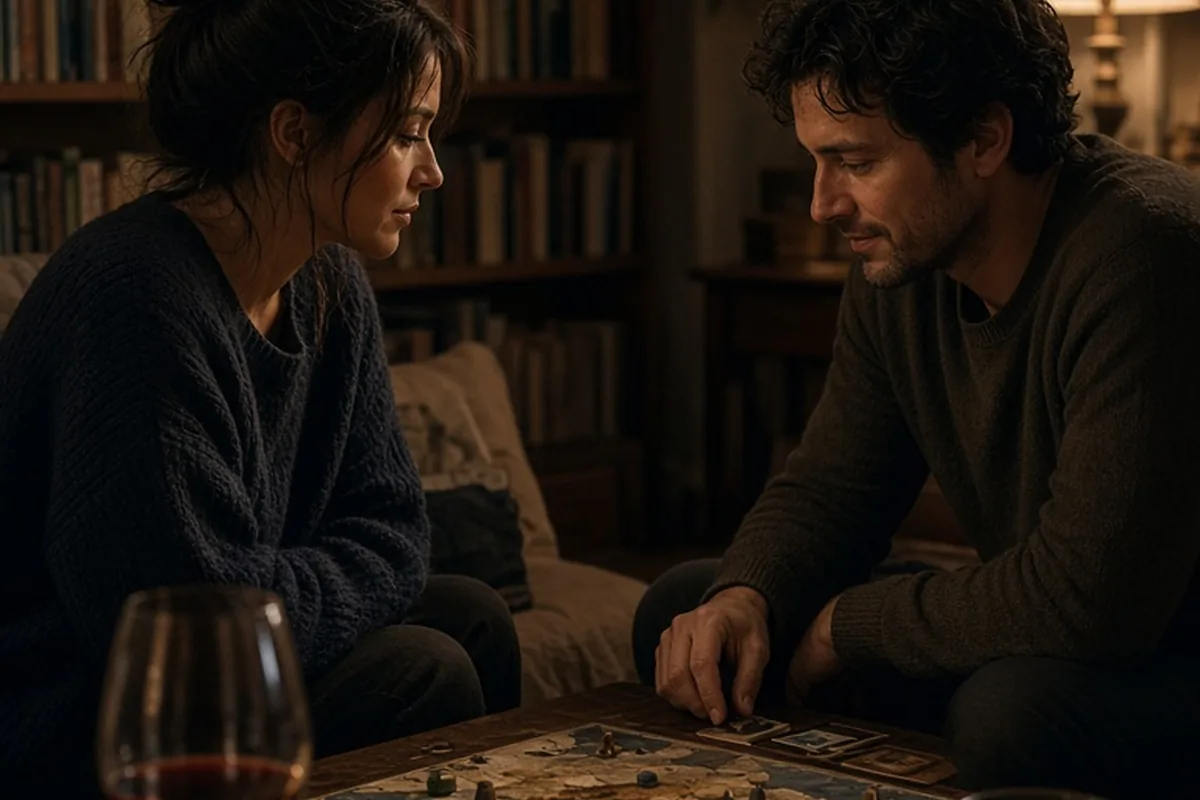
Couples looking for meaningful things to do at home can shift their routine by choosing intentional activities that break passive screen habits. Engaging options include cooking an elaborate recipe together from scratch, hosting a cooperative board game night, running a sensory tasting flight, reading a book aloud, or planning future travels in detail. The key is treating home dates with dedicated focus and minimal digital distractions.
Spending hours under the same roof does not automatically translate into feeling connected, especially when busy workweeks reduce domestic life to parallel phone scrolling and brief logistical check-ins. Transforming an ordinary evening into an engaging shared experience does not require expensive gear or elaborate arrangements, but it does require stepping outside autopilot routines to share focused attention.
Collaborative Cooking Challenges Beyond the Standard Dinner Routine
Preparing dinner on a standard weekday often feels like an administrative chore, centered on speed, nutrition, and immediate cleanup. Turning the kitchen into an intentional activity means shifting the objective from simply eating to enjoying the tactile, sensory process of making something novel together. When both partners step into the kitchen with curiosity rather than a deadline, preparing food becomes a shared creative workshop that naturally invites conversation and mutual cooperation.
To make this work smoothly, choose recipes that actively require multiple hands or sequential steps, such as rolling homemade pasta, assembling delicate dumplings, or experimenting with layered flatbreads. Divide responsibilities logically based on comfort levels, designating one person to handle rolling dough while the other preps savory fillings, all accompanied by music that sets an unhurried tempo. For example, learning to shape fresh ricotta gnocchi allows both people to get their hands coated in flour, experiment with texture, and laugh through imperfect early attempts.
The primary drawback to elaborate home cooking is kitchen fatigue and the inevitable pile of dirty dishes, which can quickly extinguish a romantic or relaxing atmosphere. You can counteract this friction by cleaning modularly as you work, keeping garbage bowls on the counters for quick scrap disposal, and making an explicit agreement ahead of time to tackle the final pots together or leave non-essential scrubbing for the next morning.
Tabletop Strategy and Cooperative Games for Two Players
Passive entertainment like television requires minimal participation, but modern tabletop gaming creates an interactive environment where both partners must observe, strategize, and communicate. Unlike traditional mass-market board games that rely heavily on roll-and-move mechanics or drag on through repetitive elimination rounds, modern two-player games are built around balanced choices, clever mechanics, and engaging narratives that keep both players invested from start to finish.
Cooperative titles are particularly effective for couples who want to solve problems side by side rather than battle head-to-head. Escape-room-in-a-box puzzles, cooperative card deck-builders, and tile-laying strategy games offer structured challenges where victory depends on combining each person's unique analytical strengths. For instance, sitting down with an investigative deduction mystery allows you to spread newspaper clippings, suspect interviews, and cryptic maps across the coffee table, debating theories together just like detectives solving an unsolved case.
A practical consideration when introducing board games is the learning curve; spending ninety minutes deciphering dense rulebooks can easily breed frustration. Mitigate this risk by choosing games with quick setup times or watching a concise video tutorial together before opening the box, ensuring that game night feels like playful recreation rather than an intimidating study session.
Guided Sensory Tastings and Blind Flavor Comparisons
Sensory awareness often fades into the background during everyday dining, making guided tasting flights an excellent way to awaken curiosity within your own dining room. By isolating one specific food or beverage and sampling multiple variations side by side, you turn simple consumption into a mindful tasting laboratory. It invites thoughtful evaluation, playful debate over subtle notes, and a shared vocabulary of personal preferences.
Setting up a tasting does not require certified expertise, only a thoughtful selection of comparable items. You might gather four single-origin dark chocolate bars with differing cacao percentages, a flight of loose-leaf herbal teas from floral to earthy, or several distinct cheeses ranging from mild goat cheese to sharp aged cheddar. Use small index cards to independently write down first impressions regarding aroma, creaminess, and finish before comparing notes, or take turns wearing a blindfold to guess which variety is being sampled.
The potential downside lies in overcomplicating the event or overspending on specialty provisions that might go uneaten. Keeping the flight limited to three or four modest portions avoids palate exhaustion and keeps grocery costs reasonable, allowing the focus to remain on playful discovery rather than technical gourmet analysis.
Immersive Shared Storytelling Through Reading Aloud
Reading aloud is an intimate practice frequently associated with childhood, yet sharing prose as adults creates a deeply calming, screen-free atmosphere. Hearing the cadence of a partner's voice while following an intricate plot fosters a shared imaginative landscape that visual media rarely replicates. It encourages slower breathing, eliminates digital notifications, and naturally sparks discussions about human behavior, philosophy, or fictional intrigue.
Select a format that suits both listeners, such as a gripping collection of atmospheric short mysteries, a well-researched narrative history, or an evocative fantasy novel with rich world-building. Trade reading duties every chapter, or let the person with more vocal stamina read while the other makes tea or sketches. Alternatively, you can dim the living room lights and listen to a highly produced, serialized fiction podcast or audio drama while resting comfortably together on the couch.
The realistic limitation of this activity is vocal strain and differing attention spans. If reading aloud feels taxing or awkward after a long workday, keep sessions to a single twenty-minute chapter, and establish a comfortable understanding that either person can call for an intermission whenever fatigue sets in.
Low-Stakes Creative Crafting and Living Space Refreshes
Collaborative manual work produces a distinct kind of satisfaction because it culminates in an immediate, physical result. Working together on creative crafts or refreshing a corner of your home shifts cognitive energy away from abstract occupational pressures toward practical, tangible creation. It allows partners to appreciate each other's aesthetic tastes and practical ingenuity in a relaxed setting.
Focus on projects that offer artistic freedom without the pressure of precision engineering. You could mix custom watercolor washes to paint personalized greeting cards for upcoming birthdays, repot thriving indoor plants into larger terracotta planters, or reorganize and style a crowded living room bookshelf by genre and color. A classic example is building a closed glass terrarium using small pebbles, activated charcoal, soil, and wild moss gathered from a garden stroll, creating a living piece of art for your home.
The common trap in domestic projects is perfectionism and task escalation, where a lighthearted craft accidentally spirals into a frustrating, messy renovation. Keep supplies contained on a protected table, choose materials with minimal toxic fumes or complex cleanup requirements, and prioritize the experience of making over flawless craftsmanship.
Collaborative Travel Research and Themed Destination Evenings
Anticipating future adventures creates positive forward momentum in a relationship, providing a refreshing break from present-day administrative routines. Dreaming about future trips does not require immediate bookings or large budgets; the process of researching regional cultures, historic neighborhoods, and scenic routes can be an exciting, informative evening in its own right.
Transform research into an experiential theme night by pairing your digital exploration with regional sensory cues. If you are exploring the idea of a walking trip through southern Spain, stream a playlist of Spanish classical guitar, prepare a plate of marinated olives with crusty bread, and open an interactive satellite map to trace walking routes through historic quarters. Pin quirky museums, quiet bakeries, and scenic viewpoints to a shared digital board while discussing which pace of travel sounds most restorative to each of you.
Friction can arise during travel discussions if partners have conflicting budgets or starkly different ideas about leisure, such as intense sightseeing versus total rest. Prevent tension by treating the session purely as creative brainstorming without logistical commitments, emphasizing discovery and listening to what revitalizes your partner.
Frequently asked questions
How can couples avoid defaulting to their smartphones during an evening at home?
Designate a physical charging station outside the main living room and agree to leave both devices there during your planned activity. Treating the evening with the same boundary you would give an in-person workshop or theater show helps protect uninterrupted focus.
What are the best low-cost at-home date ideas for tight budgets?
Low-cost options rely on reframing everyday items into novel experiences, such as holding a blind pantry ingredient taste test, reading a library book aloud by candlelight, or planning an elaborate future road trip using free digital maps. The intentional structure provides the novelty, not the expense.
How do we choose an activity if our hobbies and interests are completely different?
Focus on activities that are entirely new to both partners, such as a cooperative puzzle game or a craft neither of you has tried before. Starting from an equal baseline of unfamiliarity removes competitive advantages and lets you both explore as beginners together.
Your next step
Pick one specific activity for this upcoming week, block out two uninterrupted hours on your calendar, and agree to place your phones in another room before you begin.