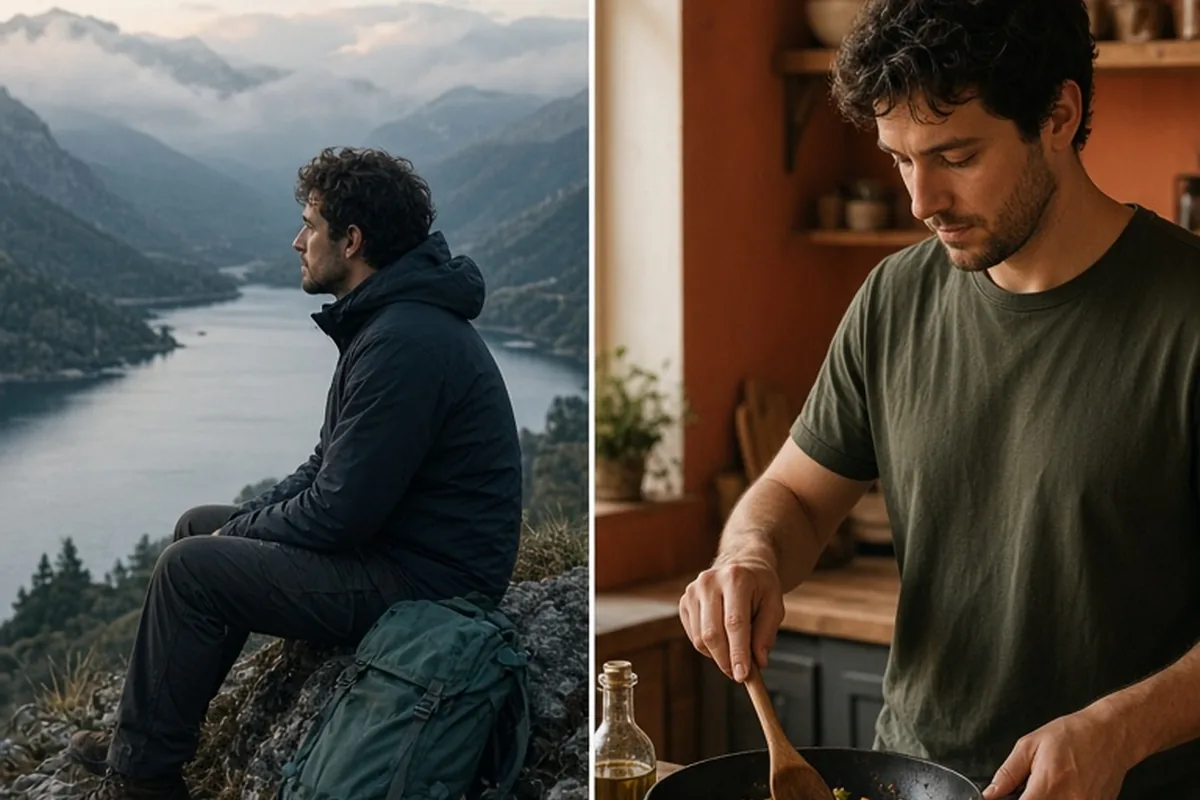
Rewarding things to do by yourself for guys include solo outdoor adventures like hiking or fishing, structured fitness projects, learning practical culinary skills, mastering hands-on crafts such as woodworking or motorcycle maintenance, visiting cultural spaces independently, and planning solo day trips. These activities build self-reliance, help you pursue your genuine interests without social compromise, and make solitary time feel purposeful, restorative, and engaging.
Learning to enjoy your own company is one of the most practical investments you can make in your personal well-being and independence. Whether you are newly single, navigating a busy schedule, or simply looking to expand your personal horizons, spending deliberate time alone allows you to reset your focus and cultivate skills purely for your own fulfillment.
Embrace Solo Outdoor Adventures and Hiking
Spending time outside on your own offers a level of mental clarity that group outings rarely provide. When you hike, camp, or fish alone, you control your pace, your destination, and your schedule entirely. You are not negotiating rest stops, managing someone else's stamina, or making conversation when you would rather listen to the wind in the trees. Solitary outdoor activities challenge your situational awareness, encourage self-reliance, and provide a clean break from screen-heavy daily routines.
To get started, choose a well-marked state park trail or local nature reserve that matches your physical conditioning. Prepare your pack deliberately with adequate water, a physical map, a first-aid kit, and weather-appropriate layers. Inform a friend or family member of your planned route and expected return time before heading into areas with spotty cell reception. While solo backcountry travel requires careful safety management and leaves no room for careless mistakes, the feeling of navigating a difficult trail entirely on your own strength builds lasting self-trust.
Master Advanced Cooking and Culinary Techniques
Cooking alone transforms meal preparation from a daily chore into an engaging creative outlet. When you cook strictly for yourself, there are no dietary compromises or external preferences to navigate. You can experiment with complex techniques that require patience, such as making fresh pasta from scratch, mastering sourdough fermentation, or smoking a cut of brisket for twelve hours. Developing kitchen competence not only saves money and improves nutritional intake, but it also creates tangible, immediate results from your effort.
Pick a culinary technique or regional cuisine you genuinely enjoy but have never prepared at home. Invest in a single high-quality chef's knife and a heavy cast-iron skillet, and work through foundational methods like pan-searing, deglazing, and creating balanced pan sauces. A potential drawback of ambitious solo cooking is managing portion sizes and handling the cleanup alone, but storing meal components in the freezer and cleaning as you go keeps the process manageable and rewarding.
Pick Up a Hands-On Workshop Craft
Tangible maker hobbies provide a grounding counterbalance to modern knowledge work and passive media consumption. Engaging in woodworking, basic automotive repair, leathercraft, or bicycle maintenance forces you to interact with physical materials, problem-solve mechanical issues, and exercise patience. There is deep satisfaction in understanding how mechanical systems operate and being able to build, repair, or restore everyday objects using your own hands.
Begin with a modest, well-defined project that does not require an entire workshop of expensive equipment. For example, you might purchase an entry-level leatherworking kit to craft a durable wallet, or buy an older, steel-frame road bike to disassemble, clean, grease, and tune up over a couple of weekends. The primary trade-off is the initial learning curve, where mistakes can ruin materials and test your patience, but persisting through mechanical puzzles strengthens your problem-solving resilience.
Design a Self-Directed Fitness Challenge
While group sports and gym buddies offer social accountability, solitary fitness training builds personal discipline. Designing a self-directed fitness goal gives your physical routine clear direction and purpose. When you train alone, you learn to pace your energy, listen closely to your body's recovery signals, and push through temporary discomfort without relying on external encouragement.
Select a clear, measurable benchmark that excites you, such as training for a local 10k road race, working toward your first strict muscle-up, or increasing your deadlift by twenty pounds over twelve weeks. Log your workouts methodically in a notebook, track your progressive overload, and prioritize post-workout recovery with targeted stretching and sleep. The main challenge is staying accountable when nobody is watching your progress, which is why measurable metrics and structured scheduling are critical.
Take Yourself on Solo Cultural and Urban Dates
Visiting cultural institutions and entertainment venues alone allows you to experience art, film, and dining on your own terms. When you visit an art museum, historical site, or independent cinema by yourself, you can linger in front of a single exhibit for twenty minutes or leave early without worrying about a companion's boredom. Sitting alone at a restaurant counter or attending a matinee showing also helps dismantle the common anxiety around being seen in public without an escort.
Plan an afternoon around a specific interest: buy a ticket to a specialized museum gallery, catch an independent film at an art-house theater, and finish the evening sitting at the bar counter of a busy neighborhood bistro. Ordering a meal at the counter gives you a front-row view of the kitchen staff at work and eliminates the awkwardness of sitting at an oversized dining table. The initial hurdle is often self-consciousness, but most people in public spaces are focused on their own experiences rather than monitoring solitary visitors.
Plan Spontaneous Day Trips and Solo Travel
Traveling alone requires you to be your own navigator, planner, and companion. A solo day trip to a nearby town, historic battlefield, or coastal spot gives you total autonomy over your itinerary. You can stop at roadside fruit stands, take detours down scenic backroads, and change your plans instantly whenever a new opportunity catches your eye. Solo travel forces you to interact with strangers, adapt to unexpected roadblocks, and build confidence in your decision-making.
Start small with an open-ended road trip to an interesting town within a two-hour drive. Research one or two anchor destinations—such as a historic site, a local bookstore, or a scenic park—and leave the rest of the day completely unscheduled. Take time to sit on a town bench, observe the local rhythm, and talk with shop owners or park rangers. While solo travel can occasionally feel isolating during downtime and lacks the cost-sharing benefits of group travel, the complete freedom it affords makes it a powerful confidence booster.
Dedicate Uninterrupted Blocks to Intellectual and Creative Pursuits
Solitude provides the quiet environment required for deep intellectual engagement and creative skill development. Learning a musical instrument, writing long-form essays, studying a foreign language, or practicing computer programming demands sustained, uninterrupted attention that is difficult to sustain in social settings. Engaging in solitary intellectual hobbies broadens your internal world and helps you develop specialized knowledge.
Set aside a recurring, non-negotiable two-hour block on your calendar dedicated entirely to your chosen pursuit, such as practicing acoustic guitar or working through a technical coding curriculum. Put your phone in another room, eliminate digital notifications, and treat the block as an immovable appointment with yourself. The limitation is that solitary study requires self-motivation without deadlines; breaking your learning into small, daily milestones prevents cognitive burnout and keeps momentum steady.
Frequently asked questions
How do I overcome feeling self-conscious when doing activities alone in public?
Start with low-pressure environments like coffee shops, bookstores, or movie theaters where solitary patrons are common. Remember that people are generally focused on their own activities and rarely pay attention to solo individuals. Over time, taking deliberate action despite slight awkwardness will build your social comfort.
What is the best way to balance solitary activities with maintaining a social life?
Treat solo activities as a way to recharge and cultivate your own interests rather than as a replacement for social connection. Schedule specific time blocks for solitary pursuits during your week while leaving weekends or designated evenings open for friends and family.
What are low-cost solo activities I can start this weekend?
Visiting local public parks, checking out books from the community library, cooking a complex recipe with ingredients on hand, and exploring your own city through a walking tour cost very little. Engaging with bodyweight training routines or listening to audiobooks while walking are also accessible starting points.
Your next step
Pick one activity from this list that genuinely interests you, block out a two-hour window on your calendar this weekend, and commit to following through on your own without bringing along a companion or checking your phone.