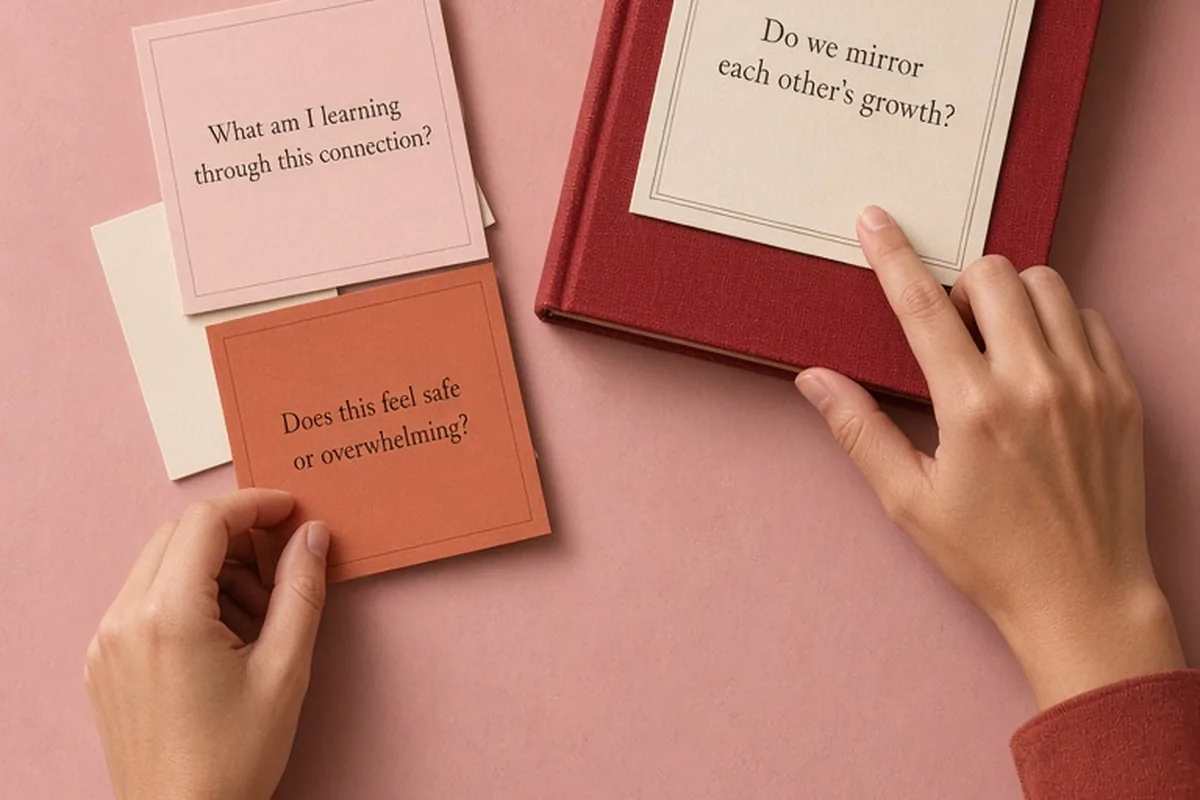
A twin flame quiz evaluates the psychological and emotional markers of an intense connection, such as deep personal mirroring, sudden mutual growth, and profound familiarity, against grounded relationship realities. While these interactive assessments offer an accessible framework for self-reflection, they are subjective tools rather than objective destiny indicators, requiring couples to focus on emotional safety and mutual respect over romantic mythology.
Experiencing an overwhelming connection with someone can be exhilarating, disorienting, and deeply transformative all at once. When strong emotions, uncanny coincidences, and intense mutual vulnerability appear early in a relationship, many people turn to online assessments to make sense of what they are feeling and determine whether they have met a true spiritual counterpart.
Core Dimensions Measured in a Connection Assessment
Most reflective relationship quizzes focus on specific psychological and emotional patterns that characterize profound interpersonal connections. Rather than evaluating surface-level compatibility like shared hobbies or astrological signs, these assessments typically examine deep emotional resonance, mutual vulnerability, and the sensation of immediate familiarity. Questions often explore whether meeting the person catalyzed significant personal self-reflection, altered your life priorities, or forced you to confront unresolved emotional patterns that you previously avoided.
A well-structured assessment also looks closely at reciprocity and balanced emotional investment. While intense infatuation often feels profound, authentic connection involves two people actively participating in mutual growth. A quiz serves as a mirror, asking you to evaluate whether the bond brings constructive clarity or chronic emotional instability. However, it is essential to remember that digital assessments rely entirely on self-reported feelings, which can be easily skewed by wishful thinking, temporary excitement, or romantic projection.
Differentiating Authentic Alignment from Romantic Limerence
A common challenge when evaluating a powerful bond is distinguishing genuine emotional alignment from limerence, an involuntary state of intense romantic infatuation characterized by intrusive thoughts and a desperate desire for reciprocation. When an individual experiences limerence, the brain releases surges of dopamine and norepinephrine, creating an intoxicating high that is easily mistaken for a mystical or pre-destined union. Quizzes often attempt to gauge this distinction by asking whether you view the other person realistically or place them on an untouchable pedestal.
In a grounded and emotionally healthy connection, both partners acknowledge each other as flawed human beings with unique limitations, boundaries, and personal histories. In contrast, limerence often involves projecting idealized fantasies onto someone who may be emotionally unavailable or inconsistent. For instance, if you find yourself excusing poor communication, erratic behavior, or emotional coldness under the assumption that intense pain is simply part of a sacred journey, you may be navigating romantic obsession rather than authentic mutual harmony.
Understanding the Mirror Effect and Personal Emotional Growth
In relationship literature, the concept of the mirror effect describes how a deeply connected partner reflects your hidden strengths, core values, and unresolved emotional wounds. When you interact with someone who evokes intense feelings, they often highlight personal insecurities, fear of abandonment, or unaddressed boundaries that you have kept buried. Relationship assessments frequently include prompts regarding whether this dynamic inspires you to pursue personal healing and self-improvement or leaves you feeling depleted and constantly defensive.
Navigating this mirror dynamic effectively requires taking active ownership of your own emotional reactions rather than expecting the other person to fix or complete you. For example, if a partner's need for personal space triggers severe panic, the constructive response is to examine your underlying attachment anxieties rather than accusing the partner of failing a spiritual contract. When both individuals use relational tension as an opportunity for individual maturity, the partnership develops resilience; when they use it to justify emotional volatility, the connection quickly deteriorates.
The Runner and Chaser Pattern Versus Attachment Loops
Many popular relationship quizzes reference the runner and chaser dynamic, a cycle where one partner pulls away when intimacy deepens while the other pursues them relentlessly. From a psychological standpoint, this pattern is frequently an expression of an anxious-avoidant attachment loop rather than a mandatory spiritual stage. When intimacy triggers vulnerability, an avoidant partner withdraws to protect their independence, which in turn activates the anxious partner's fear of rejection, driving them to pursue more intensely.
Romanticizing this pursuit as an unavoidable cosmic phase can trap people in prolonged cycles of distress, emotional neglect, and false hope. While temporary periods of individual reflection and healthy space can benefit a relationship, chronic avoidance and emotional games prevent the development of true security. A constructive assessment encourages you to identify whether you are participating in a repetitive cycle of pursuit and withdrawal, prompting you to set clear boundaries rather than waiting indefinitely for an emotionally distant partner to change.
Identifying Warning Signs Mistaken for Spiritual Intensity
A significant risk of focusing exclusively on mystical connection concepts is that toxic behaviors can be misinterpreted as meaningful spiritual friction. Dynamics such as love bombing, where an individual showers a partner with excessive affection and grand promises early on, can mimic deep soul recognition. When this behavior is subsequently replaced by withdrawal, criticism, or manipulation, the sudden drop in affection creates an intermittent reinforcement schedule that feels overwhelmingly intense and difficult to leave.
True relational alignment never requires an individual to sacrifice their safety, self-esteem, or personal autonomy. If a relationship features verbal mistreatment, unpredictable volatility, isolation from friends and family, or routine boundary violations, these are definitive warning signs of an unhealthy dynamic rather than trials of a destined bond. Assessments that focus on emotional health will prompt you to evaluate how safe, respected, and stable you feel in your partner's presence on ordinary, quiet days.
Translating Reflective Insights into Everyday Relationship Skills
Taking a connection quiz can serve as a catalyst for honest self-reflection, but the true value lies in translating those personal insights into grounded, everyday habits. Regardless of what labels you choose to apply to a bond, long-term relational success depends on practical elements such as transparent communication, shared financial and lifestyle values, reliable conflict resolution, and daily kindness. Emotional fireworks cannot replace the quiet, steady labor of maintaining mutual trust over years.
If your self-assessment reveals strong shared values and mutual emotional maturity, you can use that clarity to deepen your everyday connection through open conversation. Consider discussing your personal relationship goals, emotional triggers, and boundaries with your partner directly without relying on abstract concepts. For example, replacing a statement like we are cosmically linked with I value how deeply we communicate and want to ensure we support each other during stressful periods grounds the relationship in active, mutual accountability.
Determining When to Stay Grounded and When to Walk Away
Evaluating an intense connection ultimately requires deciding whether the relationship supports your overall well-being and long-term peace. A viable relationship demonstrates consistent progress toward mutual stability, shared responsibility, and emotional safety. If both partners are willing to address their individual challenges, communicate transparently during disagreements, and respect each other's independence, the connection has the potential to grow into a resilient and fulfilling life partnership.
Conversely, if a connection consistently produces severe anxiety, emotional distress, or unilateral effort, choosing to walk away is often the healthiest and most self-respecting decision. Letting go of an unviable relationship does not diminish the profound personal insights or emotional growth you experienced through the interaction. You can honor the lessons learned and the self-awareness gained from the encounter while choosing to direct your energy toward reciprocal, emotionally safe, and stable partnerships in the future.
Frequently asked questions
Can an online quiz definitively prove that someone is my twin flame?
No online assessment can definitively prove a spiritual connection or predict the outcome of a relationship. These quizzes are informal tools designed for personal reflection and exploring your emotional patterns rather than objective diagnostic tests.
What is the primary difference between a soulmate and a twin flame?
In popular relationship philosophy, a soulmate is viewed as a harmonious, naturally compatible partner who brings comfort and steady companionship. A twin flame is traditionally described as an intense mirror connection that challenges your core insecurities and sparks rapid personal growth.
How can I tell if an intense connection is actually a trauma bond?
A healthy connection fosters emotional security, mutual respect, and consistent communication even during disagreements. A trauma bond is characterized by severe cycles of emotional highs, sudden withdrawal, mistreatment, and an intense feeling of walking on eggshells.
What should I do if my partner does not believe in these concepts?
A successful relationship does not require shared belief in specific spiritual frameworks. Focus instead on practical relationship health, such as mutual respect, clear boundaries, and open communication about your feelings and long-term goals.
Your next step
Use connection quizzes solely as an exercise in self-awareness, and measure the true strength of your bond through consistent mutual respect, emotional safety, and open communication.