ENTP traits in relationships center on intellectual curiosity, spontaneous problem-solving, and lively verbal exchange. Relationship compatibility with an ENTP relies on mutual respect for independence, an appetite for open-ended conversation, and direct communication during disagreements. While ENTPs thrive with partners who appreciate exploration and conceptual thinking, lasting harmony requires intentional routines, patience with day-to-day administrative follow-through, and creating dedicated space for emotional vulnerability alongside analytical debates.
Personality frameworks often categorize people into broad buckets, but understanding how an ENTP navigates romance is less about rigid rules and more about recognizing distinct conversational styles, emotional needs, and recurring friction points in everyday partnership.
How ENTP Curiosity and Mental Play Shape Romantic Connection
In the early stages of dating, an ENTP typically connects through ideas, banter, and shared curiosity. Rather than relying on standard small talk, they often probe how someone thinks, testing out unconventional perspectives or asking unexpected questions about ethics, future trends, or personal philosophies. This approach is not an interrogation; it is their primary way of demonstrating interest and feeling seen. A partner who enjoys discussing why people behave the way they do or exploring novel hypotheses will find this energy engaging, inventive, and refreshing.
However, this same enthusiasm for conceptual novelty can sometimes leave a partner wondering where the emotional center lies. An ENTP may spend an entire evening dissecting an abstract topic while overlooking subtle emotional signals, such as whether the other person had an exhausting day or needs a quiet moment of physical closeness. Recognizing that intellectual exploration is an ENTP's love language helps prevent misinterpretations, but both partners benefit when they consciously balance lively brainstorming with grounded check-ins about feelings and physical comfort.
When an ENTP feels truly valued for their inventive outlook, they bring a distinct sense of adventure to daily life. They are usually willing to try new restaurants, pivot weekend plans on short notice, or support a partner's ambitious career pivot without hesitation. The key to sustaining this dynamic is ensuring that spontaneous ideation does not crowd out the steady, predictable elements that give a long-term relationship emotional security.
Navigating Debate and Intellectual Sparring Without Emotional Burnout
One of the most defining characteristics of an ENTP is their comfort with verbal debate. They often treat arguments as collaborative thinking exercises, playing devil's advocate to examine an idea from every angle rather than to defend personal pride. For the ENTP, challenging an assumption is a sign of engagement and respect, not hostility. They tend to separate the argument from the person, assuming that hard truths can be tossed around without damaging the underlying emotional bond.
For many partners, however, constant debate feels adversarial, exhausting, or invalidating. If a partner expresses a vulnerable feeling only to have it treated as a proposition to be logically analyzed or dismantled, resentment can build quickly. A partner might think, 'Why do we have to turn every simple observation into a courtroom trial?' To bridge this gap, couples need explicit conversational signals. Agreeing on a phrase like 'I just need you to listen right now, not debate this' allows the partner to set a clear boundary without rejecting the ENTP's natural intellect.
On the flip side, an ENTP benefits from learning that emotional validation does not mean agreeing with flawed logic; it means acknowledging another person's subjective reality before offering counterarguments. When an ENTP pauses to say, 'I understand why that felt stressful to you,' before offering alternatives, conversations remain collaborative rather than combative.
Managing Daily Routines, Follow-Through, and Shared Responsibilities
While ENTPs excel at initiating creative projects, planning novel outings, and finding ingenious workarounds to complex crises, routine household administration is frequently a weak spot. Tasks like filing monthly paperwork, keeping a shared calendar up to date, or consistently remembering domestic chores can feel draining to an idea-focused mind. In cohabitation, this discrepancy often leads to an uneven mental load, where one partner ends up playing the role of project manager or taskmaster.
Treating disorganization as a moral failing or intentional disrespect usually produces defensiveness, but ignoring it breeds resentment. A more practical approach involves designing low-friction systems tailored to how an ENTP operates. For example, instead of relying on open-ended reminders, use shared digital dashboards, automated bill payments, and short, scheduled twenty-minute sprints on weekends to handle chores together. When daily logistics are structured as efficient systems rather than nagging obligations, the ENTP can contribute reliably without feeling micro-managed.
It also helps to assign tasks according to natural strengths while keeping baseline responsibilities fair. An ENTP may happily manage vacation logistics, negotiate service contracts, or cook experimental meals, while their partner might prefer handling regular scheduling or detail-oriented tracking. Mutual appreciation for these complementary roles keeps everyday logistics from eroding romantic intimacy.
How ENTP Compatibility Plays Out Across Different Personality Styles
Compatibility is never determined solely by a four-letter acronym, but observing how an ENTP interacts with different communication styles reveals predictable strengths and tension points. When paired with structured, plan-oriented partners, an ENTP provides spontaneous fun, encouragement to take calculated risks, and fresh perspectives on persistent problems. In return, the structured partner offers grounding, consistency, and the organizational scaffolding that turns an ENTP's ambitious ideas into tangible realities.
Conversely, pairings between an ENTP and feeling-centered partners often produce deep emotional warmth and rich conversations, provided both learn to speak the other's language. The feeling partner helps the ENTP tune into subtle emotional nuances, empathy, and interpersonal harmony. The main friction occurs when the feeling partner interprets the ENTP's objective detachment as coldness, or when the ENTP perceives emotional sensitivity as irrationality. Success in this combination requires the ENTP to offer active reassurance and the partner to state emotional needs directly rather than expecting mind-reading.
When two spontaneous, idea-oriented people date, the relationship is often marked by high excitement, shared creative pursuits, and boundless enthusiasm. The primary challenge in that dynamic is establishing stability. Without at least one person deliberately anchoring the partnership in practical follow-through and long-term planning, shared goals can drift into unfinished projects and logistical chaos.
Giving Constructive Feedback and Addressing Emotional Blindspots
Because ENTPs pride themselves on being logical, adaptable, and open-minded, they generally respond well to direct, rational feedback. Hinting, passive-aggressive silence, or vague emotional appeals tend to backfire, leaving the ENTP confused or dismissive. If an issue arises, the most effective strategy is to present the problem plainly, explain the concrete impact of the behavior, and invite them to help solve it. Phrasing a concern as a collaborative puzzle appeals directly to their problem-solving nature.
For example, instead of saying, 'You never pay attention to me when we hang out with friends,' a more constructive approach is, 'When you spend the whole evening debating politics with the group, I feel disconnected from you. Can we agree to check in with each other midway through the night?' This framing avoids sweeping accusations, specifies the observable behavior, and sets a clear, achievable expectation.
At the same time, an ENTP must cultivate self-awareness around their defense mechanisms. Under stress, an ENTP might deflect emotional accountability using intellectual rationalization or witty sarcasm. Learning to sit with uncomfortable emotions without immediately turning them into a joke or an analytical defense is an essential growth milestone for any ENTP seeking a mature, durable romantic bond.
Fostering Autonomy While Building Genuine Long-Term Intimacy
A strong drive for personal autonomy is central to the ENTP personality. They need freedom to explore new hobbies, pursue side ventures, read widely, and maintain an independent social life. When an ENTP feels overly restricted, monitored, or pressured into rigid societal expectations, they may pull away or become uncharacteristically rebellious. Healthy compatibility requires a partner who feels secure in their own independence and does not view separate interests as a threat to the relationship.
However, autonomy must not be confused with emotional detachment or a refusal to commit. An ENTP who wants a lasting partnership must actively demonstrate that their desire for freedom does not come at the expense of their partner's peace of mind. Checking in reliably, honoring agreements, and making joint decisions collaboratively are foundational habits that show autonomy and deep commitment can thrive side by side.
Couples thrive when they intentionally designate both 'independent time' and 'shared connection time.' An ENTP who spends Saturday afternoon deep-diving into a niche programming or woodworking project will return to the relationship energized and present for date night, provided both partners understand and respect this rhythm of exploration and reunion.
Recognizing Real Commitment Versus Restless Disengagement in an ENTP
Because ENTPs are naturally curious and constantly scanning the horizon for new possibilities, partners sometimes worry whether an ENTP is truly invested in the relationship long term. Distinguishing between normal intellectual restlessness and genuine emotional disengagement comes down to observing where the ENTP invests their problem-solving energy. A committed ENTP treats relationship hurdles as challenges worth fixing, showing a willingness to adapt, brainstorm solutions, and stay engaged even when conversations become uncomfortable.
In contrast, an ENTP who is drifting away will typically show intellectual apathy rather than argumentative energy. When an ENTP stops debating, stops sharing their latest ideas, and responds to relationship discussions with flat indifference or chronic procrastination, it often indicates that they have mentally checked out. The presence of passionate, even messy, engagement is usually a healthier sign for an ENTP than polite disinterest.
If you sense disengagement, the best path forward is a straightforward conversation without accusations. Asking questions such as, 'I've noticed we haven't been talking through things like we usually do—where is your head at regarding our future?' invites honest clarity. An ENTP will generally respect the candor and provide a direct answer, allowing both individuals to make informed decisions about their next steps.
Illustrative Scenarios
Resolving the Devil's Advocate Trap in Everyday Conversations
Marcus, an ENTP, often challenged his partner Elena's opinions during casual dinner conversations about workplace culture. Elena initially interpreted his rapid counterarguments as personal criticism and began withholding her thoughts to avoid an exhausting debate. After realizing the dynamic was creating distance, Elena clearly stated that when she shared work frustrations, she wanted emotional support rather than an analytical critique. Marcus recognized that his instinct to debate was misplaced in those moments, and they established a simple habit: Elena would clarify whether she wanted advice, listening, or a lively debate before starting a sensitive topic.
Key point: Clarifying conversational intent upfront prevents an ENTP's natural debate instincts from feeling like emotional invalidation.
Balancing Spontaneity and Domestic Follow-Through
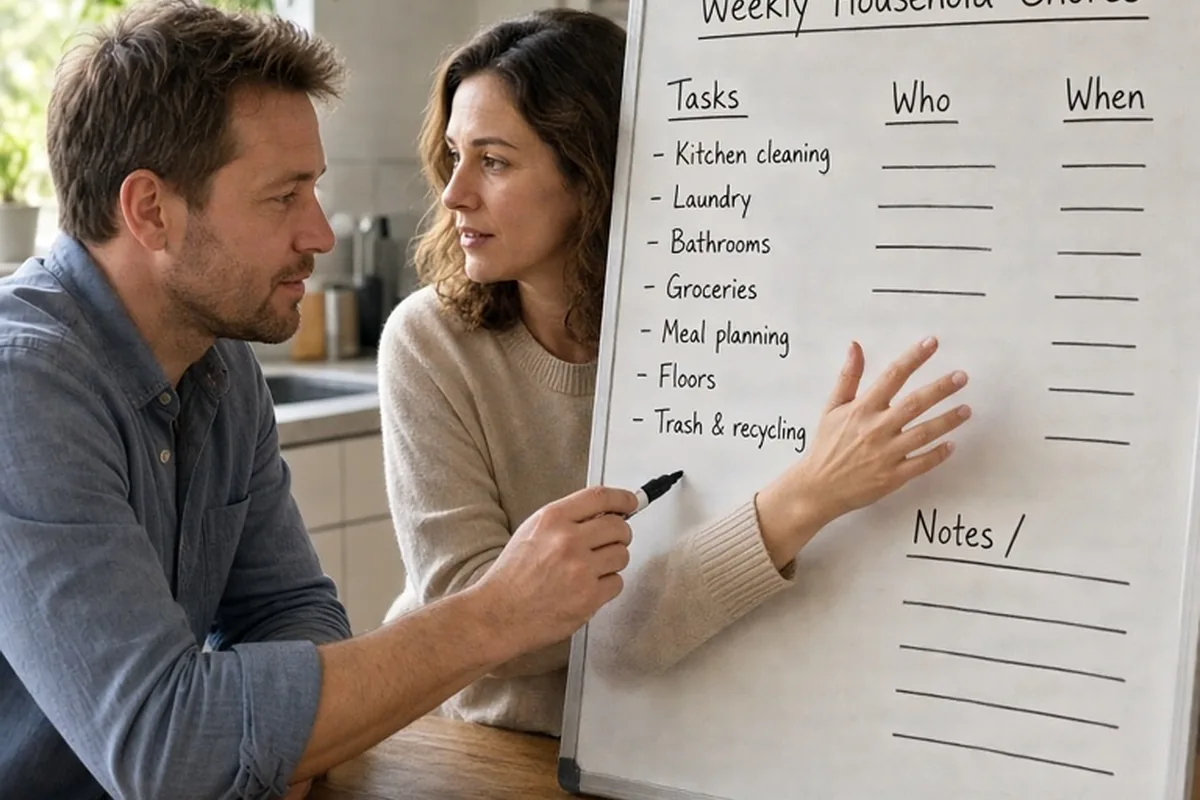
Sam, an ENTP, loved planning spontaneous weekend getaways but frequently forgot routine household tasks, leaving his partner Jordan feeling overburdened by domestic management. Rather than repeating vague reminders that led to mutual frustration, they held a structured conversation to redistribute responsibilities. They automated shared bills, set up a visible whiteboard for weekly chores, and assigned Sam ownership of specific, self-contained projects like meal planning and car maintenance. This clear division relieved Jordan of supervisory stress while giving Sam clear ownership over his contributions.
Key point: Clear, structured systems work far better than informal nagging when managing household responsibilities with an idea-focused partner.
Frequently asked questions
What is the biggest misconception about dating an ENTP?
The most common misconception is that their love of debate indicates an argumentative or uncaring nature. In reality, ENTPs use debate to explore ideas and connect with others intellectually. They rarely intend verbal sparring as a personal attack, though learning when to soften this approach is essential for relationship harmony.
How do ENTPs typically handle emotional vulnerability in relationships?
ENTPs may initially process difficult feelings through logic, humor, or problem-solving rather than direct emotional expression. When provided a safe, non-judgmental environment free from emotional pressure, they can open up deeply. Clear, direct communication from their partner helps them feel secure enough to share their vulnerabilities.
Can an ENTP maintain a successful long-term relationship with a routine-oriented partner?
Yes, provided both partners respect their differing styles instead of trying to change one another. The routine-oriented partner provides stability and follow-through, while the ENTP introduces novelty, creative solutions, and adaptability. Success depends on explicit agreements regarding daily chores, scheduling, and personal autonomy.
What should you do if an ENTP seems restless in the relationship?
Address the observation directly without making assumptions about their commitment. Ask open-ended questions about what new challenges or shared activities they are craving. Often, introducing a new shared project, travel plan, or intellectual hobby provides the needed stimulation without disrupting the core relationship.
Your next step
Schedule a candid, low-pressure conversation with your partner this week to identify one communication habit or shared routine you can fine-tune together.