Being in love is a distinct blend of neurochemical shifts and conscious emotional investment. Biologically, your brain increases dopamine and oxytocin while moderating serotonin, producing focused attention, elevated mood, and a craving for closeness. Emotionally and behaviorally, it shows up as mutual empathy, prioritizing another person's well-being alongside your own, feeling safe in their presence, and naturally imagining them in your future routines without losing your core values.
Most people wonder whether what they feel is genuine romantic love, temporary infatuation, or simple comfort. Because the physical sensations can feel overwhelming, understanding how biology interacts with everyday emotional choices helps bring grounded clarity to your connection.
The Neurobiology of Being in Love and How It Shapes Daily Mood
Romantic love begins with significant neurochemical activity across several interconnected brain systems. When you connect deeply with someone, the reward pathways in the brain release elevated amounts of dopamine and norepinephrine. Dopamine generates focused motivation and excitement, making interactions feel intensely rewarding, while norepinephrine contributes to heightened energy, alertness, and the vivid recall of small moments shared together. At the same time, central serotonin activity often temporarily decreases, which mirrors the mental looping or preoccupation where a partner repeatedly comes to mind throughout your regular workday.
As an emotional bond stabilizes over weeks and months, the brain gradually introduces oxytocin and vasopressin into the equation. These neuropeptides shift the experience from raw novelty and obsessive anticipation toward calm security, interpersonal trust, and reciprocal care. Rather than remaining in a constant state of adrenaline-fueled vigilance, your nervous system begins to register the person as a comforting, grounding presence. Recognizing this natural biological progression helps you see that a drop in frantic heart-racing excitement is not a sign of fading affection, but rather the brain's healthy transition into enduring attachment.
Clear Emotional and Mental Indicators That Your Feelings Go Beyond Attraction
Physical attraction centers primarily on visual appeal and magnetic physical chemistry, whereas falling in love fundamentally alters how you process another person's internal world. A primary emotional marker is unforced empathy. When something painful or disappointing happens to them, your instinct is not merely polite sympathy; you genuinely feel their distress and want to ease their burden. Similarly, their personal victories bring you authentic joy, free from competitive resentment or fear that their growth will overshadow yours.
Another observable indicator is emotional vulnerability replacing self-protective performance. When you are merely infatuated, you tend to curate an ideal version of yourself, carefully monitoring what you say, wear, and reveal to maintain an alluring impression. Love creates a felt psychological safety where you feel comfortable admitting personal uncertainties, sharing unglamorous hobbies, or having an off day without worrying that the relationship will collapse. You respect the person enough to let them see who you actually are, and you extend that same generous acceptance to their quirks and human flaws.
Behavioral Shifts and Everyday Choices That Reveal Genuine Commitment
Feelings are internal, but love demonstrates itself through sustained behaviors and micro-decisions. One reliable behavioral clue is collaborative decision-making. When planning your schedule, considering a career shift, or deciding how to spend a free weekend, you organically factor in their preferences, availability, and comfort alongside your own. This does not mean sacrificing your personal agency or abandoning your goals; instead, you intuitively think in terms of a team dynamic rather than solitary convenience.
Furthermore, genuine romantic love shows up during low-stakes, routine moments rather than grand theatrical gestures. You notice their preferences without needing a reminder, check in after a stressful conversation they mentioned having earlier in the week, and offer practical support when life gets messy. Love is visible when you remain patient during minor inconveniences, show respect during disagreements, and consistently follow through on small commitments. Reliability under ordinary conditions reveals far more about emotional attachment than intense romantic declarations during peak vacation moods.
Distinguishing Authentic Romantic Love from Infatuation and Attachment Anxiety
Telling the difference between infatuation, anxious attachment, and genuine love requires paying attention to how your body and mind react when you are apart. Infatuation tends to be urgent, possessive, and fragile. It fixates heavily on fantasy, idealizing the other person as flawless while projecting unmet personal needs onto them. If you feel panic whenever they take an hour to reply, or if you find yourself constantly walking on eggshells to preserve an illusion of perfection, you are likely experiencing attachment anxiety or infatuation rather than grounded love.
Authentic love, by contrast, breathes easily and tolerates independence. When you truly love someone, their absence does not make you doubt your fundamental worth, nor do you feel compelled to test their loyalty through manipulative silence or fabricated jealousy. You can enjoy your own friendships, pursue independent projects, and give your partner room to do the same without feeling abandoned. Grounded affection accepts reality: you recognize their genuine weaknesses and limitations, yet you still choose to value and respect them as an autonomous human being.
How Nervous System Regulation and Emotional Safety Manifest in Daily Life
Early popular culture often frames love as pure turbulence, sleepless nights, and intense emotional swings. In psychological reality, healthy long-term romantic attachment functions primarily as a co-regulatory anchor for the autonomic nervous system. When you spend time around a person you love and trust, your physiological stress responses tend to settle. Your shoulders drop, your breathing deepens, and social defensiveness softens. The relationship becomes a reliable refuge from outside world stressors rather than the primary generator of your anxiety.
This emotional safety allows for healthy, non-destructive conflict. In an insecure dynamic, an argument feels like an existential threat to the bond, triggering fight-or-flight reactions such as stonewalling, screaming, or emotional withdrawal. In a loving relationship, disagreements are treated as problems to solve together rather than competitions to win. You can express frustration or set a firm personal boundary without fearing retaliation or total abandonment, because both people share an underlying baseline of goodwill and reciprocal care.
Navigating Misalignments When One Partner Feels More Deeply Invested
It is entirely normal for two people to develop feelings at different paces. One person may recognize profound love within two months, while the other requires five or six months of consistent shared experiences to reach that same depth. A pacing difference does not automatically mean the relationship is doomed or that the slower partner is indifferent. It becomes problematic only when the more invested partner applies intense pressure, demanding declarations or emotional milestones that the other person cannot yet offer sincerely.
If you realize you are falling in love faster than your partner, the healthiest response is honest communication paired with patient observation. You can share your genuine care without placing an immediate demand on them to match your exact words. State what you appreciate about the relationship, and then observe whether they are showing growing warmth, respect, and reliable engagement in their actions. If months pass and your partner remains emotionally closed, evasive about mutual commitments, or explicitly uninterested in deeper reciprocity, you have clear diagnostic information to decide whether staying aligns with your own emotional well-being.
Practical Conversations for Clarifying Intentions Without Applying Pressure
When you want to know where your partner stands, avoid dramatic ultimatums, late-night emotional confrontations, or passive-aggressive tests of affection. Instead, choose a neutral, low-stress setting—like a relaxed walk or an easy evening at home—to discuss your emotional trajectory. Direct, calm communication removes ambiguity while giving the other person space to answer thoughtfully without feeling trapped or cornered.
You might say something straightforward, such as: 'I have really valued the time we have spent together over these past few months, and I find myself feeling deeply invested in you and where this is heading. I wanted to check in on how you have been experiencing our connection and what you are hoping for moving forward.' This phrasing clearly names your own feelings without making assumptions, issuing threats, or treating their honest pacing as a personal rejection. Their answer, combined with their everyday patterns, will show you whether your feelings have a solid foundation for mutual growth.
Illustrative Scenarios
Untangling Obsessive Preoccupation from Healthy Affection
Maya had been dating David for six weeks and found herself constantly checking her phone, analyzing the punctuation in his texts, and losing sleep over what he thought of her. She initially assumed this intense emotional turbulence meant she had fallen deeply in love. However, during an honest reflection, she realized she knew very little about David's real personal values, family background, or long-term goals; she was infatuated with an idealized image and fueled by anxious uncertainty. Maya decided to pause the mental analysis, prioritize her evening workout routine, and invite David to a casual cooking date where they could discuss their real-world goals. Seeing his grounded, imperfect personality helped her replace anxious obsession with calm, realistic curiosity.
Key point: Intense anxiety, obsessive phone-checking, and fantasy are markers of infatuation, whereas real love develops through observing someone's grounded character over time.
Recognizing Love Through Quiet Everyday Support
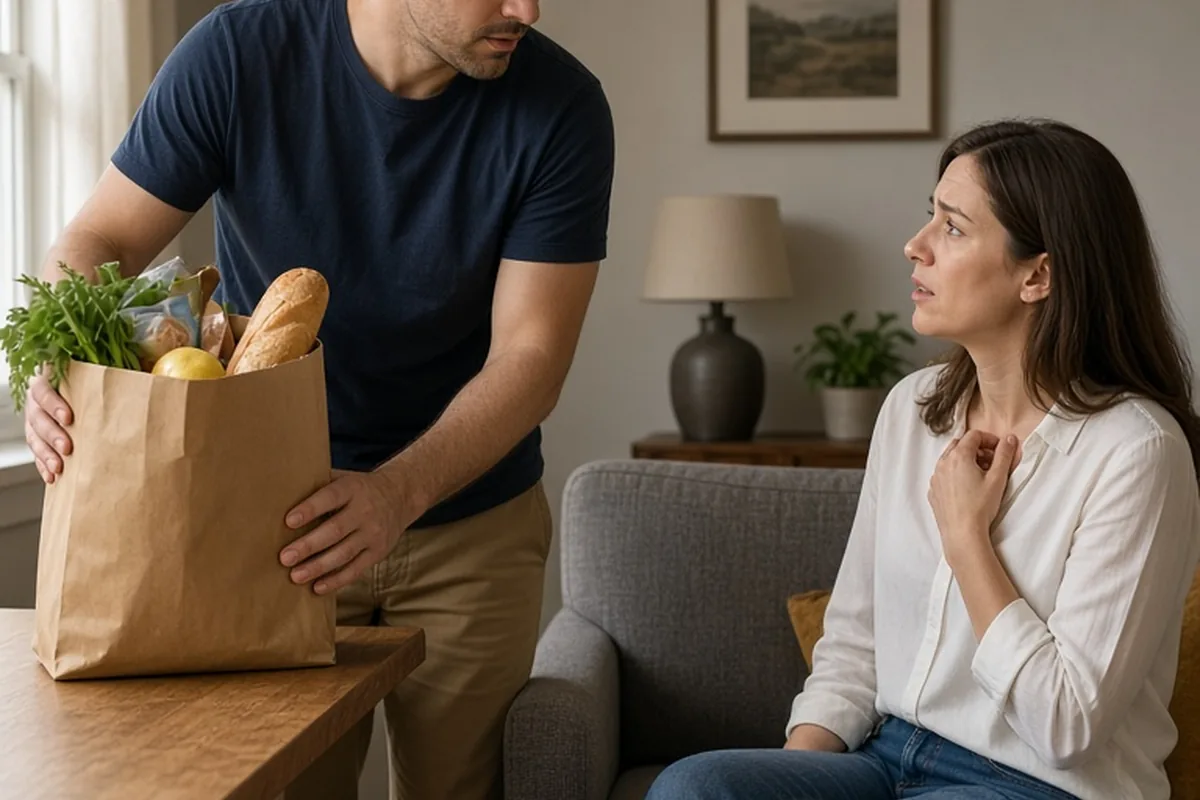
Marcus wondered why he did not feel the breathless drama he saw in romantic movies while dating Elena for eight months. Their connection felt steady and relaxed rather than unpredictable. When Elena experienced an unexpected family emergency, Marcus naturally rearranged his work schedule to drop off groceries, manage her household errands, and listen patiently to her worries without expecting praise or immediate attention. A few days later, while riding the subway home, Marcus realized his instinct to stand by her and protect her peace during difficult times was far more substantial than fleeting sparks. He valued her companionship, respected her deeply, and wanted her in his long-term life.
Key point: Lasting love frequently manifests as calm security, voluntary responsibility, and steadfast empathy rather than perpetual emotional turbulence.
Frequently asked questions
Can you be in love with someone and still need substantial personal space?
Yes, desiring personal space is a normal part of healthy emotional autonomy. Loving someone deeply does not erase your need for solitude, personal hobbies, or time with friends. In fact, feeling secure enough to spend time apart without chronic worry often indicates a stable, mature attachment rather than emotional indifference.
How quickly can the brain transition from attraction to genuine love?
Initial chemical attraction and dopamine-driven infatuation can occur within days or weeks of meeting someone. However, building genuine romantic love—which relies on oxytocin, vasopressin, and proven emotional trust—typically takes months of consistent shared experiences. This timeframe allows both partners to observe how they handle conflict, stress, and routine daily life together.
Does the disappearance of the honeymoon phase mean you fell out of love?
No, the end of the honeymoon phase usually reflects a normal neurological stabilization rather than a loss of affection. The initial surge of dopamine naturally moderates over time, allowing a calmer, more sustainable bond centered on mutual respect, practical teamwork, and companionate intimacy to take its place.
What is the difference between loving someone and being in love with them?
Loving someone often refers to broad care, affectionate goodwill, and concern for their well-being, which you might feel for a dear friend, family member, or former partner. Being in love combines that deep care with romantic desire, voluntary prioritization, emotional vulnerability, and an active wish to build a shared future together.
Your next step
Take twenty minutes this evening to write down how you feel when you are physically around this person versus when you are apart, noting whether their presence brings grounded calm or constant anxiety.