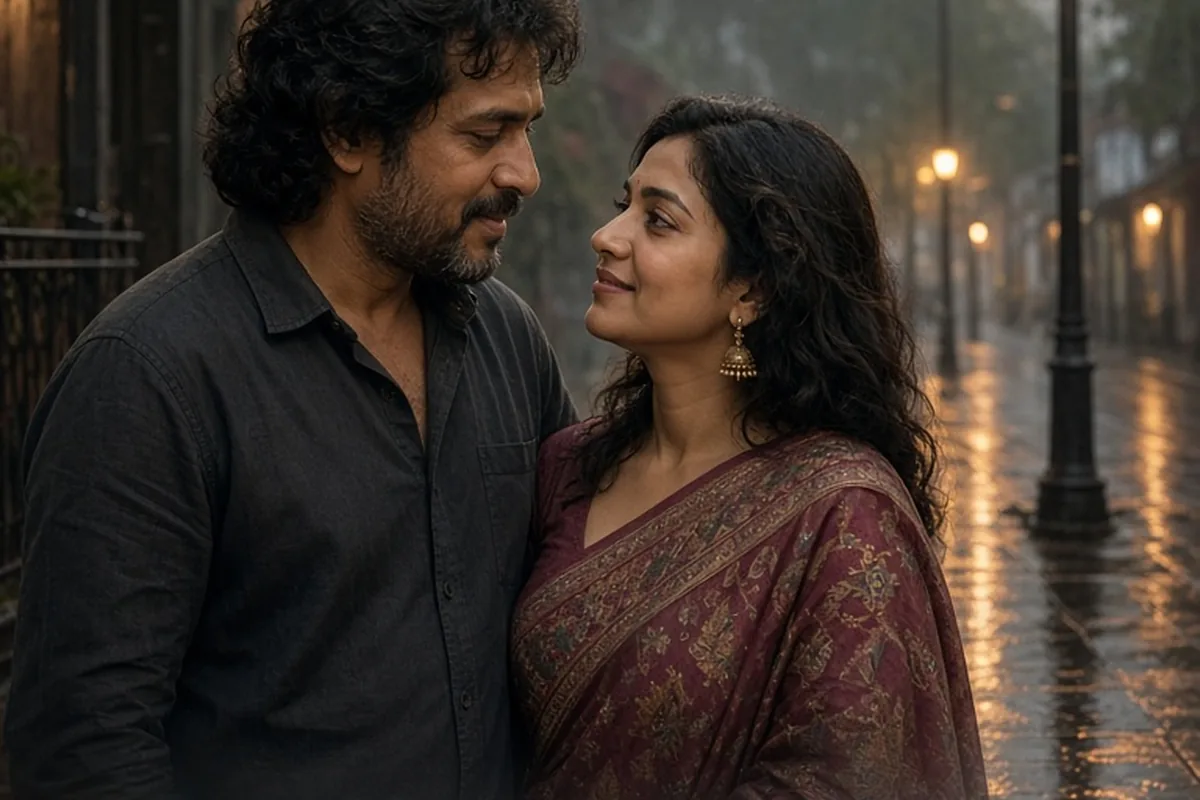
When actor Upendra brought Priyanka home on Varamahalakshmi Vratam, it symbolized a profound step toward lifelong commitment by welcoming her directly into his family's sacred cultural traditions. Meeting a partner's family during a major festival blends traditional hospitality with serious relationship intentions. Navigating this milestone successfully requires thoughtful preparation, clear communication about cultural rituals, mutual support between partners, and an open, respectful approach to joining family celebrations.
Festivals hold deep sentimental and spiritual value, making the choice to introduce a romantic partner during these occasions both exciting and deeply meaningful. While such moments represent trust and forward momentum, they also bring unique interpersonal dynamics that require intentional emotional alignment.
The Cultural and Emotional Meaning of Festive Introductions
Introducing a partner to family during a significant cultural observance like Varamahalakshmi Vratam represents far more than an ordinary dinner invitation. In traditional contexts, welcoming someone into the household during a sacred festival signals that the relationship has moved past casual dating into a space of serious intention and long-term integration. Festivals are times when extended families gather, prayers are offered for collective prosperity, and the domestic sphere is opened to cherished guests. Bringing a prospective spouse into this environment communicates to both the family and the partner that their presence is valued at the deepest communal level.
However, the heightened emotional atmosphere of a festival also raises the emotional stakes for everyone involved. For the host family, festivals are wrapped in generational rituals, hospitality customs, and specific expectations regarding decorum. For the visiting partner, walking into a home filled with bustling relatives, ongoing ceremonies, and unfamiliar cultural rhythms can feel overwhelming. Recognizing the gravity of this milestone allows couples to approach the occasion with empathy, patience, and clear emotional coordination rather than treating it as an ordinary social gathering.
Bridging Cultural Backgrounds and Regional Traditions
In many modern partnerships, festive introductions also involve navigating differences in regional heritage, mother tongues, or cultural customs. When high-profile couples like Priyanka and Upendra navigated their relationship, blending distinct regional identities required mutual understanding and genuine curiosity. Entering a home where customs differ from one's own upbringing requires a balance of humility and authenticity. A partner does not need to know every intricate prayer or etiquette rule beforehand, but showing genuine interest and openness to learning fosters immediate warmth with family elders.
To make this transition smooth, the host partner should proactively share key cultural nuances with their significant other well before the event. Explaining the significance of specific festival offerings, traditional attire preferences, and common forms of greeting prevents awkward surprises. At the same time, the host family benefits from understanding that a partner from a different background may need gentle guidance. Mutual respect thrives when differences are viewed as opportunities for cultural enrichment rather than rigid tests of conformity.
Essential Preparation for the Visiting Partner
Preparing to visit a partner's family during an auspicious occasion requires both practical planning and mental readiness. In terms of practicalities, choosing appropriate traditional attire that aligns with the modest, celebratory tone of the festival is a wonderful way to demonstrate thoughtfulness. Asking your partner in advance about traditional color preferences, comfortable fabrics for sitting on the floor during prayers, and customary gift offerings—such as sweets, fruits, or traditional tokens—shows proactive consideration for the household's customs.
Equally important is cultivating an adaptable mindset. Festival days rarely run on strict schedules; prayer timings can shift, unexpected relatives may arrive, and meal times may be delayed. Instead of feeling self-conscious about not knowing what to do at every moment, the visiting partner can focus on being an attentive, warm guest. Simple gestures like offering to help in small domestic tasks, listening attentively to family stories, and expressing gratitude for the hospitality go a long way in establishing a lasting positive impression.
The Host Partner's Role as Bridge and Anchor
The partner bringing someone home carries the vital responsibility of acting as a social bridge and emotional anchor throughout the gathering. It is easy for the host partner to become distracted by greeting relatives or participating in ceremonies, inadvertently leaving their significant other stranded in conversations with strangers. A mindful host remains attentive to their partner's comfort, regularly checking in, providing helpful context about who various relatives are, and gently guiding them through the flow of the rituals.
Before the gathering begins, the host partner should also establish realistic boundaries and brief their family on basic conversational sensitivities. For instance, letting family members know your partner's dietary preferences or language comfort level prevents awkward moments at the dining table. Serving as an active buffer demonstrates maturity and reassures your partner that their emotional well-being remains a top priority, even amidst the festive excitement.
Participating in Rituals While Maintaining Comfort
Participating in sacred rituals like a puja or a festive blessing can be an enriching experience, but it should never feel coercive. The visiting partner should feel comfortable participating to the extent that aligns with their personal comfort and personal beliefs. In most traditional households, respectful observation and quiet presence during prayers are deeply appreciated, and there is no requirement to execute every complex ritual perfectly. Asking simple, respectful questions about the meaning behind specific rituals shows engagement without overstepping boundaries.
A useful approach is for the couple to discuss ritual involvement in advance. For example, knowing whether guests are expected to participate in applying sacred marks, receiving blessed food, or offering flowers helps the visitor feel confident rather than caught off guard. When both partners have an explicit agreement that simple observation is entirely acceptable, it removes unnecessary performance anxiety and allows the spiritual beauty of the festival to be appreciated naturally.
Debriefing and Strengthening the Relationship After the Visit
The time immediately following a major family introduction is critical for relationship growth and emotional processing. After the festival concludes and the couple has private time, having an open, non-defensive conversation allows both individuals to share their impressions and feelings. The visiting partner can share what felt welcoming or what felt slightly overwhelming, while the host partner can express gratitude for their presence and relay positive remarks shared by family members.
It is essential to remember that one visit does not define the entirety of future family relationships. Deep family bonds develop gradually through repeated, varied interactions over time. By taking time to validate each other's experiences, celebrate successful moments, and address any misunderstandings with compassion, couples turn high-stakes milestones into enduring foundations for a resilient, shared future.
Frequently asked questions
What should I wear when visiting a partner's family during a traditional festival?
Opt for modest, comfortable traditional attire that fits the celebratory nature of the occasion. Consult your partner beforehand regarding preferred colors, formality levels, and practical considerations like sitting comfortably on the floor.
How should a host partner manage an overwhelmed significant other during a large family gathering?
Keep regular eye contact, introduce your partner into conversations naturally, and create brief moments of private downtime away from the crowd. Reassure them throughout the day that simply being present and polite is more than enough.
What is an appropriate gift to bring for a family hosting a festival celebration?
Traditional gifts like fresh fruit baskets, high-quality sweets, dry fruits, or decorative items suitable for the festival are standard and appreciated. Check with your partner to ensure the gift aligns with household preferences and dietary restrictions.
What if my family's cultural or religious traditions differ significantly from my partner's?
Focus on open communication, mutual respect, and curiosity rather than demanding full conformity. Educate both your partner and your family beforehand on basic cultural differences to ensure everyone feels comfortable and respected.
Your next step
Before visiting your partner's family for a festival, set aside dedicated time together to discuss the day's schedule, dress expectations, and family dynamics so you can support each other with confidence.