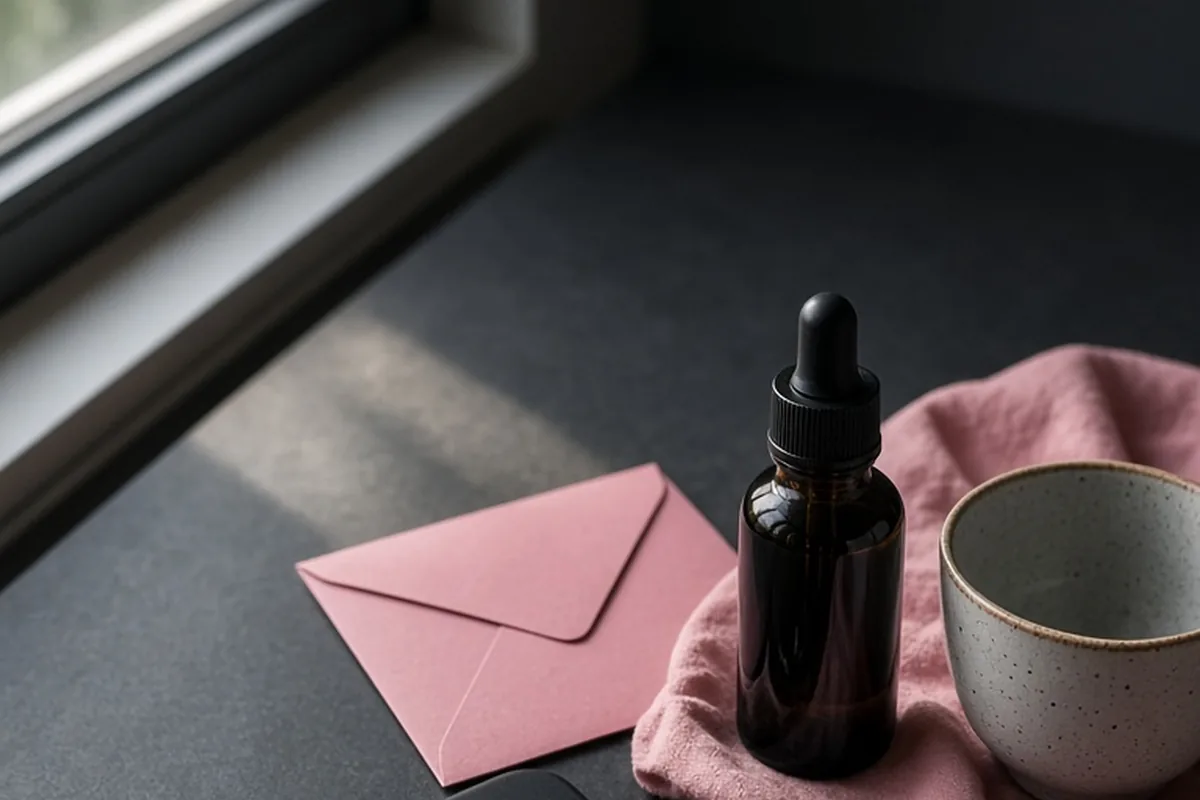
Vitamin C helps fade dark spots by blocking excess melanin production and defending the skin against oxidative damage from ultraviolet exposure and pollution. For beginners, the safest approach involves starting with a low-concentration serum, applying three to five drops to dry skin every other morning, and always following with a broad-spectrum sunscreen to protect delicate fresh skin cells.
Starting an active skincare routine can feel overwhelming when shelves are lined with varying percentages, complex chemical formulas, and conflicting usage rules. Post-inflammatory hyperpigmentation from old breakouts or sun-induced discoloration responds well to consistent antioxidant care, provided you give your skin barrier time to adapt without irritation.
Understanding How Vitamin C Targets Skin Discoloration
Hyperpigmentation occurs when specialized cells called melanocytes produce an overabundance of melanin, the pigment that gives skin its color. This overproduction is frequently triggered by localized inflammation, such as an acne blemish, or cumulative exposure to ultraviolet radiation from the sun. Vitamin C, known scientifically in its pure form as L-ascorbic acid, intervenes in this process by acting as a biological inhibitor of tyrosinase. Tyrosinase is the primary enzyme responsible for converting the amino acid tyrosine into melanin. By dampening the activity of this enzyme, topical vitamin C helps decrease the formation of new dark pigment while existing surface spots gradually slough away through natural cellular turnover.
In addition to enzyme inhibition, vitamin C provides critical antioxidant defense against environmental stressors. Sunlight and airborne pollution generate reactive oxygen species, commonly known as free radicals, which damage skin cell structures and prompt melanocytes to produce excess melanin as a protective response. When you apply vitamin C topically, it donates electrons to neutralize these unstable free radicals before they can trigger inflammatory cascades. However, it is essential to recognize the natural limitations of this ingredient. While vitamin C works effectively on superficial, epidermal discoloration such as post-acne marks, it cannot alter deep structural skin changes, genetic freckles, or severe dermal melasma on its own.
Selecting the Best Formula and Strength as a Beginner
Navigating the skincare aisle requires understanding the distinction between pure L-ascorbic acid and its stabilized derivatives. Pure L-ascorbic acid is the most extensively researched and biologically active form of vitamin C, but it is notoriously unstable and requires an acidic formulation with a pH below 3.5 to penetrate the skin barrier. This low pH can cause stinging, redness, or barrier compromise in individuals who have never used active acids. For first-time users with sensitive, reactive, or dry skin, gentler derivatives such as Sodium Ascorbyl Phosphate, Magnesium Ascorbyl Phosphate, or Tetrahexyldecyl Ascorbate provide a milder alternative. These derivatives are formulated at neutral pH levels, converting into active vitamin C within the skin with a significantly reduced risk of irritation.
When evaluating product strength, beginners should generally look for a concentration between 8 percent and 10 percent for pure L-ascorbic acid, or up to 15 percent for gentle derivatives. Starting with higher concentrations, such as 20 percent, does not double the speed of your results; instead, it dramatically elevates the likelihood of contact dermatitis and inflammatory redness, which can ironically worsen dark spots. Packaging is another critical factor in your selection. Pure vitamin C degrades quickly when exposed to ambient light, oxygen, and heat. Choose serums housed in dark amber glass bottles with tight droppers, or ideally, opaque airless pump dispensers that prevent air from entering the bottle during daily use.
- Form of Active: Look for L-ascorbic acid for fast action, or Sodium Ascorbyl Phosphate and THD Ascorbate for sensitive or acne-prone skin.
- Concentration Level: Aim for 8 to 10 percent pure acid or 10 to 15 percent derivative strength to establish tolerance.
- Packaging Design: Select dark, opaque bottles or airtight pumps rather than clear containers to prevent rapid oxidation.
- Supporting Stabilizers: Check for formulas that include Vitamin E (tocopherol) and Ferulic acid, which enhance antioxidant stability.
A Safe Morning Application Method for Daily Use
Establishing a reliable application technique ensures that your skin absorbs the active ingredient without experiencing undue friction or chemical irritation. The optimal time to use vitamin C is during your morning routine, allowing the antioxidant shield to work alongside your daily sunscreen against daytime ultraviolet rays and environmental smog. Begin by washing your face with a mild, non-stripping cleanser. Thoroughly pat your face dry with a clean towel; applying acidic serums to damp skin accelerates their absorption rate, which can lead to sudden stinging and irritation in unconditioned skin.
Dispense three to five drops of serum into the palm of your hand, then gently press and smooth the liquid over your face, neck, and upper chest, avoiding the delicate upper eyelids and immediate tear trough area. Allow the formula to absorb for one to two minutes until the surface feels touch-dry. Follow immediately with a hydrating moisturizer containing barrier-supportive ingredients like ceramides, squalane, or glycerin to lock in moisture and buffer the skin. Complete the sequence with a generous layer of broad-spectrum sunscreen rated SPF 30 or higher. Without daily sunscreen, exposure to UV radiation will stimulate fresh melanin synthesis, completely undoing the pigment-fading benefits of your serum.
Layering Vitamin C with Other Active Ingredients
Building a well-rounded routine involves knowing which skincare actives complement vitamin C and which combinations create unnecessary stress on the moisture barrier. Ingredients that focus on hydration, barrier repair, and complementary pigment suppression pair exceptionally well with vitamin C. Hyaluronic acid serums can be applied immediately before or after your vitamin C to replenish hydration, while niacinamide (vitamin B3) works on a separate cellular pathway by preventing the transfer of pigment from melanocytes into surrounding skin cells. When combined in a balanced regimen, vitamin C and niacinamide offer a multifaceted approach to evening out uneven skin tone.
Conversely, combining vitamin C directly with strong resurfacing agents in the same morning session can overwhelm beginner skin. Exfoliating acids like glycolic acid, lactic acid, and salicylic acid, as well as potent cell-turnover agents like retinol and prescription retinoids, should be separated from your vitamin C application. Layering multiple low-pH actives or pairing strong exfoliants with acidic serums frequently leads to moisture barrier degradation, micro-flaking, and rebound post-inflammatory hyperpigmentation. To maintain skin equilibrium, keep your vitamin C serum in your morning routine and reserve exfoliating toners or nighttime retinoids for alternate evenings.
What to Expect: Realistic Timelines and Product Care
Patience and consistency are paramount when attempting to fade persistent hyperpigmentation. Natural epidermal renewal takes between 28 and 40 days for most adults, meaning that pigmented surface cells must be systematically replaced by newer, evenly pigmented cells over multiple cycles. In most cases, subtle improvements in overall skin radiance and hydration appear within two to four weeks. However, visible lightening of distinct dark spots, post-blemish red-brown marks, or sun damage typically requires eight to twelve weeks of uninterrupted, daily application paired with rigorous sun protection.
Maintaining the integrity of your serum throughout this timeline requires proper storage and regular visual checks. Pure L-ascorbic acid naturally oxidizes over time as it comes into contact with the air inside the bottle. Fresh serum is typically clear, water-white, or pale champagne in color. If your serum shifts to a deep yellow, dark amber, or cloudy brown hue, the active acid has oxidized into dehydroascorbic acid. At this stage, the product loses its beneficial antioxidant properties, can clog pores, and may temporarily stain the skin surface. Store your bottle in a cool, dark drawer or skincare refrigerator, and close the cap tightly immediately after dispensing.
When to Consult a Dermatologist for Persistent Spots
While over-the-counter vitamin C serums offer noticeable benefits for general brightness and superficial post-acne marks, certain types of discoloration require professional medical evaluation. Melasma, for instance, is a complex condition driven by hormonal fluctuations, heat exposure, and vascular factors, often presenting as symmetrical, patchy gray-brown pigmentation across the forehead, cheeks, and upper lip. Attempting to treat stubborn melasma exclusively with over-the-counter vitamin C frequently yields frustrating, plateaued results because the pigment often resides deep within the dermal layer of the skin.
If your dark spots show no change after twelve to sixteen weeks of diligent topical care, or if you notice changes in the shape, border, or color of any pigmented lesion, schedule an appointment with a board-certified dermatologist. A specialist can perform a dermoscopic exam to rule out atypical lesions and determine the precise depth of your pigment. They can also formulate a targeted clinical treatment plan that may combine prescription topicals, such as azelaic acid, tranexamic acid, or compounded hydroquinone, with in-office modalities like gentle chemical peels or specialized pigment-targeting lasers.
Illustrative Scenarios
Adjusting Routine Frequency to Prevent Irritation
A twenty-eight-year-old beginner noticed red-brown marks lingering on their cheeks following a series of breakouts. Eager to clear the marks quickly, they started applying a potent fifteen percent L-ascorbic acid serum twice daily, alongside a nighttime salicylic acid cleanser. Within five days, their cheeks developed persistent redness, flaking, and a burning sensation upon moisturizer application. Rather than abandoning the ingredient entirely, they paused all active serums for one week to repair their skin barrier with a gentle ceramide cream. Once the skin felt calm, they reintroduced the vitamin C serum just three mornings per week, dropped the morning acid wash, and applied a broad-spectrum sunscreen daily.
Key point: Introducing active ingredients slowly and buffering them with restorative moisturizers allows the skin barrier to build tolerance while avoiding the irritation that worsens hyperpigmentation.
Frequently asked questions
Can I use vitamin C if I have active acne breakouts?
Yes, but formula selection is critical. Derivatives like Sodium Ascorbyl Phosphate offer antimicrobial and anti-inflammatory properties that suit acne-prone skin well, whereas heavy, oil-based L-ascorbic acid serums may feel too rich on congested pores.
Why does my vitamin C serum tingle when I put it on?
A mild, brief tingling sensation can occur with pure L-ascorbic acid because of its naturally low acidic pH level. However, if the sensation turns into prolonged burning, itching, or visible redness, rinse your skin and switch to a gentler derivative.
Should I apply vitamin C serum in the morning or at night?
Morning application is generally recommended because vitamin C helps neutralize free radicals caused by daytime sun and pollution exposure. If your morning routine is already crowded or your skin is sensitive, applying it at night to clean skin is an acceptable alternative.
Can vitamin C make my dark spots darker initially?
True vitamin C does not darken spots, but an oxidized serum that has turned brown can leave temporary surface stains inside pores. Additionally, if the formula causes persistent irritation and you skip sunscreen, the resulting inflammation can worsen post-inflammatory hyperpigmentation.
Your next step
Choose a stabilized 10 percent vitamin C formula, patch-test it on your jawline, and apply three drops every other morning under a broad-spectrum SPF 30 sunscreen.