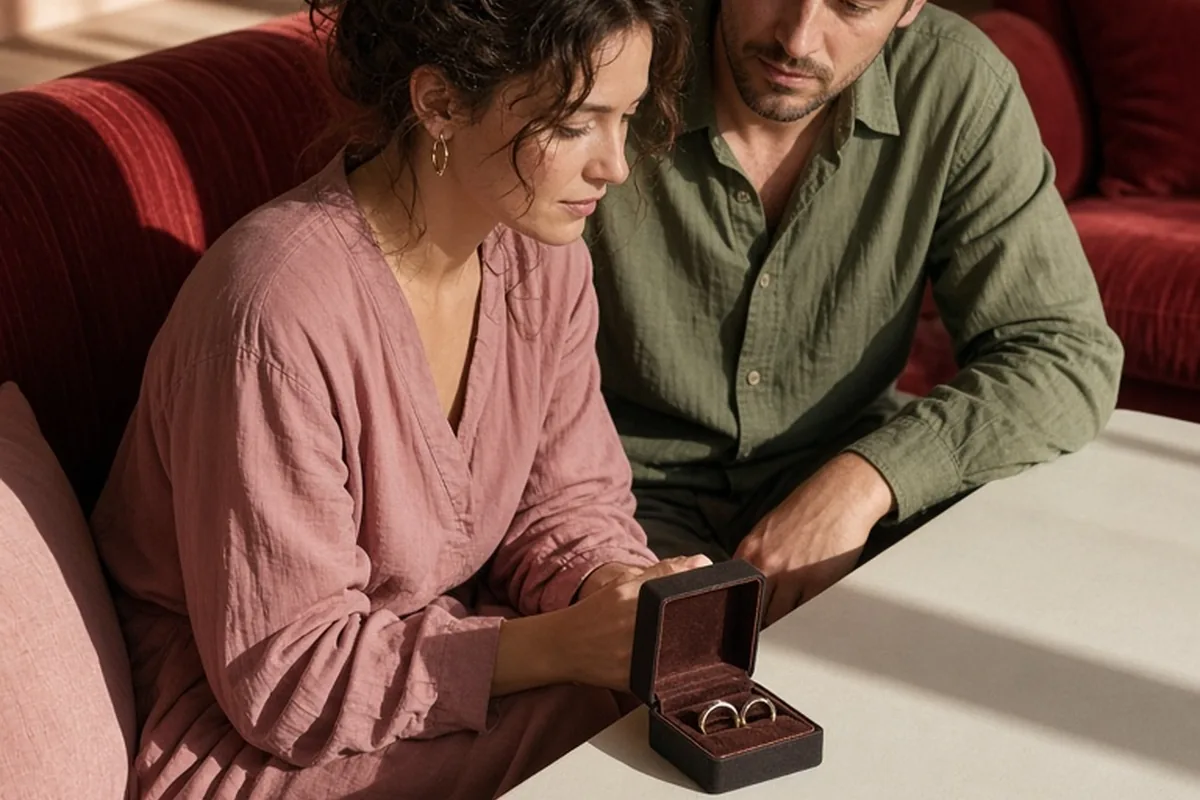
Wedding band cost typically ranges from three hundred dollars for simple titanium or tungsten rings to over two thousand dollars for intricate platinum or diamond-accented designs. Most couples spend roughly one thousand to two thousand dollars combined on both rings, depending heavily on metal purity, custom detailing, band width, and whether they prioritize low-maintenance durability over traditional luxury.
Shopping for wedding bands often brings a sudden moment of financial friction right when couples feel fatigued by endless wedding expenses. Deciding how much to spend requires balancing daily comfort, personal aesthetics, and long-term financial health without getting caught up in retail pressure or arbitrary traditions.
Understanding the Baseline Price Ranges Across Different Metals
The primary driver of any wedding band cost is the raw material, followed by the amount of metal required to fit your finger size and preferred width. Traditional precious metals like platinum and fourteen-karat or eighteen-karat gold command higher prices because of their intrinsic market value, density, and global trade standards. A classic yellow or white gold band often sits between four hundred and twelve hundred dollars, whereas platinum typically costs twenty to forty percent more due to its exceptional density and rarity. If you choose an eight-millimeter wide comfort-fit band in high-purity gold, the sheer weight of the precious metal will naturally drive the price toward the higher end of that bracket.
Alternative contemporary metals, such as tungsten carbide, titanium, and cobalt chrome, provide durable, budget-friendly options that often cost between one hundred and four hundred dollars. These metals resist scratches exceptionally well and appeal to people who work with heavy machinery, tools, or physical gear every day. However, a notable trade-off with industrial metals is their inability to be resized down the road. If your finger size fluctuates as you age, you will need to replace an alternative metal band entirely rather than having a jeweler adjust your original piece, which remains a key long-term advantage of traditional gold and platinum.
The Practical Price Impact of Diamonds and Detailed Customization
Incorporating gemstones or custom design elements creates a noticeable shift in pricing, moving a ring from a standardized manufactured item to a piece of detailed bench craftsmanship. Channel-set, pavé, or bezel-set diamonds add to the raw stone cost while requiring meticulous manual labor to secure each stone safely. A delicate eternity band featuring continuous diamonds around the circumference often ranges from twelve hundred to upwards of three thousand dollars. The hidden trade-off here is durability and upkeep, because exposed micro-settings require regular inspections to ensure prongs remain secure under normal wear and tear.
Custom design requests, such as engraved inner messages, dual-finish textures, or shaped bands contoured to fit snugly against an engagement ring, also affect the bottom line. Simple laser engraving might cost fifty to one hundred dollars, but custom computer-aided design modeling and custom casting can easily add hundreds of dollars in bench fees. Couples who want unique rings without inflated custom design fees often find that selecting standard profile shapes with minor surface finishes, like a satin, hammered, or brushed polish, gives them distinct character while remaining well within a standard catalog price structure.
Aligning Band Selections With Daily Habits and Professional Lifestyles
A common misstep during ring shopping is treating wedding rings strictly as fashion pieces without assessing daily physical realities. If one partner works in construction, healthcare, physical fitness, or trades involving chemicals, wearing an ornate, high-profile ring with protruding stones or softer eighteen-karat gold can lead to rapid damage, lost stones, or personal safety hazards. A solid fourteen-karat gold or platinum band with low-profile edges provides significantly greater structural resilience for active hands, saving substantial money on maintenance and replacement over decades.
Many people in hands-on fields now adopt a hybrid approach by investing in an affordable metal or silicone band for work and keeping their primary precious metal ring for weekends, social events, and formal gatherings. Silicone multipacks cost under thirty dollars and offer break-away safety protection against ring avulsion injuries during heavy lifting or machinery operation. This balanced approach protects both your physical well-being and your financial investment, letting you buy a ring you genuinely treasure without constantly worrying about damaging it during daily chores or strenuous workouts.
Navigating Ring Budgets Together Without Resentment or Awkwardness
Discussions around wedding band pricing frequently test how couples negotiate financial boundaries, particularly when their personal tastes or disposable incomes differ. One partner might envision a minimalist, low-cost band under two hundred dollars, while the other hopes for a diamond-accented band priced over fifteen hundred dollars. Misunderstandings happen when either partner assumes their preference represents the universal standard, turning an enjoyable milestone into a quiet test of devotion or fiscal prudence.
Addressing the band budget as an integrated team helps avoid unspoken resentment. Clear, compassionate communication starts by establishing a shared total ceiling for both rings together rather than forcing each person to hit an identical individual target. If one partner desires an elaborate band and the other prefers an understated, economical metal, pooling the joint allocation allows both people to get exactly what they feel proud to wear without exceeding their household limit. Prioritizing open conversation maintains mutual respect and keeps financial clarity at the center of your wedding preparations.
Evaluating Retail Markups, Brand Names, and Independent Jewelers
Where you choose to buy your wedding rings exerts almost as much influence on total cost as the metal and design choices. Prominent luxury retail houses charge substantial premiums for their branding, iconic packaging, and boutique storefront locations, sometimes pricing plain gold bands at two to three times the price of an identical ring sold elsewhere. In contrast, local independent jewelers, family-owned bench goldsmiths, and established direct-to-consumer online jewellers often provide identical metal purities and craftsmanship standards at significantly fairer margins.
Before finalizing a purchase, look closely at what ongoing customer services the seller includes in the upfront price. A store that seems slightly higher in price might offer lifetime complimentary cleanings, prong tightening, rhodium replating for white gold, and free initial resizing, which can easily total hundreds of dollars across five or ten years. Conversely, deep discounts from warehouse sellers or unverified online merchants might come with rigid return policies, zero warranty protection, and steep out-of-pocket charges for minor adjustments. Always ask for an itemized invoice that clarifies warranties before committing your hard-earned funds.
Hidden Long-Term Maintenance and Protection Costs to Plan For
The financial commitment of owning wedding jewelry extends beyond the initial checkout counter. Certain metals and settings require periodic upkeep to maintain their original luster and structural integrity. For example, white gold is traditionally plated with rhodium to produce its bright silvery finish, which naturally wears down every two to three years through contact with skin oils, friction, and soap. Having a local bench jeweler replate a white gold band generally costs between sixty and one hundred twenty dollars per treatment, representing an ongoing maintenance cost that yellow gold and platinum do not require.
Additionally, personal jewelry insurance or scheduled property riders on home and renters policies represent a prudent safeguard, especially for rings valued over one thousand dollars. Jewelry insurance typically costs around one to two dollars per one hundred dollars of replacement value each year. While spending thirty to fifty dollars annually on insurance might feel like an unwelcome extra chore during wedding planning, it provides indispensable peace of mind against mysterious loss, accidental damage, or theft during travel and everyday life.
Illustrative Scenarios
Resolving Differing Metal Preferences Under a Fixed Budget
Mark and his fiancée Elena set a firm fifteen hundred dollar combined budget for their wedding bands. Elena felt drawn to an intricate braided eighteen-karat gold band that cost eleven hundred dollars, leaving Mark with only four hundred dollars. Mark initially assumed he would have to settle for a flimsy, generic ring he disliked, which made him feel secondary in the planning process. Instead of nursing silent frustration, Mark visited a local jeweler and tried on comfort-fit titanium and brushed tungsten bands. He discovered he genuinely preferred the substantial weight, dark sheen, and scratch resistance of a two hundred fifty dollar titanium band over traditional yellow gold. The purchase stayed under budget while giving both partners rings they loved.
Key point: Open communication and exploring modern metal options can satisfy both partners without compromising either quality or your overall financial boundaries.
Managing Custom Ring Costs by Timing Purchases Strategically
David wanted a custom engraved platinum band matching his partner Jordan's curved eternity ring, but initial retail quotes came back at nearly twenty-two hundred dollars, exceeding their comfort zone. Feeling pressured by an approaching wedding date, David considered putting the rings on a high-interest store credit card. Instead, Jordan suggested hitting pause and asking a local independent metalsmith to source standard blank bands, casting only the custom curved notch for the engagement ring rather than forging the entire piece from scratch. David also waited for a scheduled mid-year trunk sale, which dropped the total expense to fourteen hundred dollars paid in cash.
Key point: Pausing high-pressure retail moments to consult independent jewelers often reveals creative fabrication methods that preserve design vision without incurring high-interest debt.
Frequently asked questions
How far in advance of the wedding should we order our wedding bands?
It is best to order wedding bands three to four months before the ceremony. This timeline accommodates custom sizing, engraving, or backordered metals, while leaving ample room for a complimentary adjustment if the ring fits tightly during the final weeks.
Does the wedding band need to match my partner's ring in metal and style?
No, wedding bands do not need to match in metal, color, or design. Many couples choose bands that reflect their distinct aesthetic tastes and physical work demands, prioritizing individual comfort over identical sets.
Is platinum truly worth the higher price tag compared to white gold?
Platinum is worth the extra investment if you want a hypoallergenic, naturally white metal that never requires replating and does not wear away over decades. However, white gold remains an excellent, durable alternative if your immediate priority is reducing upfront costs.
Who traditionally pays for the wedding bands?
Historically, each partner bought the other's band, but most modern couples treat the expense as a shared wedding line item. Paying from joint savings or dividing the combined total proportionally based on income keeps the process collaborative and transparent.
Your next step
Sit down together this week with your overall wedding budget, agree on a combined spending cap for both bands, and visit a trusted local jeweler to try on different widths and metals in person before making any purchase.