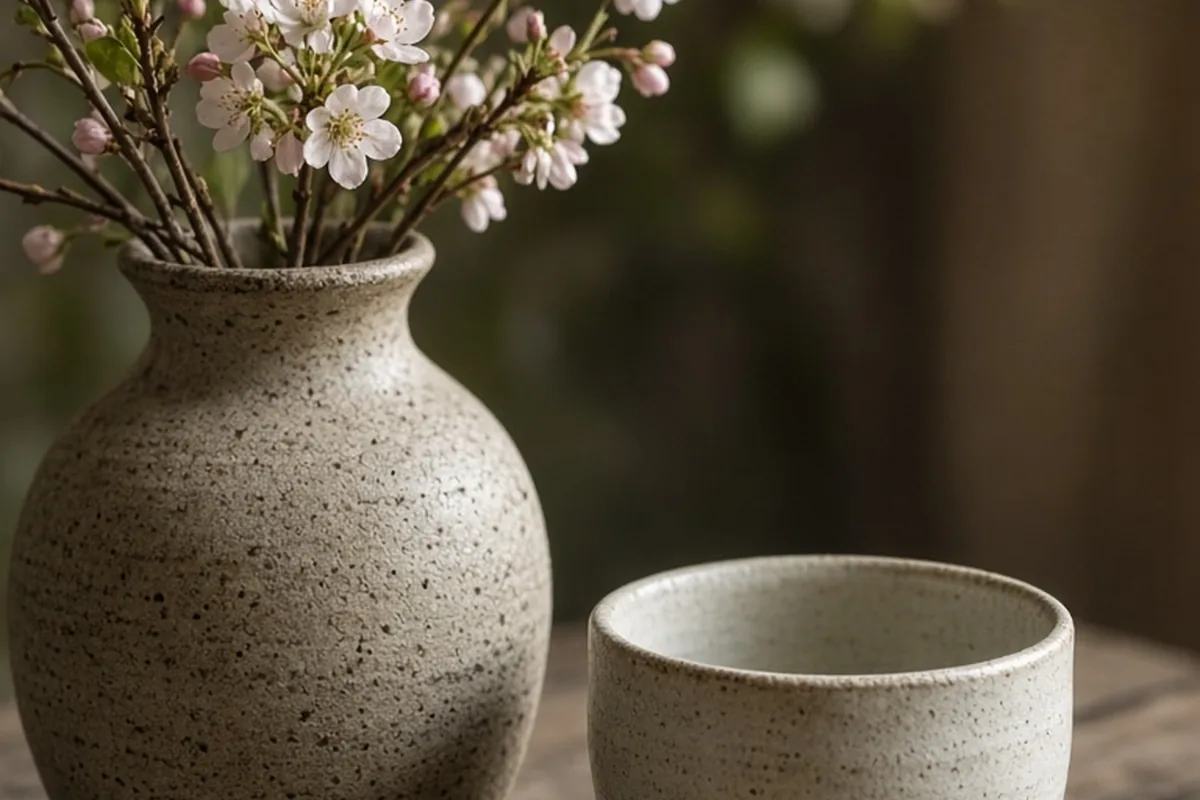
Selecting wedding day flowers by season ensures peak visual quality, better heat or cold resilience, and more dependable availability. Spring showcases peonies, ranunculus, and flowering branches; summer offers heat-tolerant dahlias and lisianthus; autumn emphasizes saturated garden roses, textured pods, and foliage; and winter relies on crisp anemones, amaryllis, and evergreen boughs. Choosing seasonal stems minimizes transit damage and honors natural regional aesthetics.
Aligning your floral design with the natural calendar grounds your ceremony in its setting while safeguarding arrangements against premature wilting, delivery delays, and inflated shipping costs.
Spring Weddings: Embracing Delicate Bulbs and Flowering Branches
Spring weddings benefit from an abundance of tender, newly emerged stems that convey softness and renewal. As the ground warms, bulb varieties such as tulips, narcissus, hyacinths, and early ranunculus reach their peak, offering translucent petal textures and vibrant, clear tones. Later in the season, Dutch and domestic peonies become available, providing voluminous focal blooms with layered, ruffly petals. Flowering branches, including dogwood, cherry blossom, and spiraea, provide an architectural quality that allows florists to create soaring, organic focal installations that mimic the natural awakening of garden landscapes.
To utilize these delicate stems effectively, designers often pair fragile blooms with sturdy water sources, such as concealed water tubes or water-retaining foam alternatives. For instance, combining delicate blush sweet peas and open French tulips with woody quince branches produces a romantic, asymmetrical table centerpiece that feels collected from an estate garden. However, working with spring florals involves clear structural limits. Many early-spring bulbs continue to grow and bend toward light even after being cut, meaning arrangements can shift shape overnight. Additionally, soft-stemmed varieties like lilacs and sweet peas have a narrow tolerance for warm indoor heating or unexpected outdoor heat spikes, requiring diligent climate control prior to ceremony time.
Summer Celebrations: Saturated Tones and Heat-Tolerant Varieties
Summer wedding designs demand flowers that can endure long daylight hours, higher ambient temperatures, and direct sunshine during outdoor ceremonies. This season is characterized by saturated color palettes, architectural garden varieties, and sturdy stems that hold moisture efficiently. Key focal varieties include garden roses, early-season dahlias, cosmos, sunflowers, and lisianthus. Lisianthus, in particular, mimics the delicate, rose-like aesthetic of spring ranunculus but possesses exceptional heat tolerance due to its waxy, resilient petal structure, making it an indispensable choice for warm midsummer celebrations.
A practical approach for a midsummer garden celebration involves pairing vibrant zinnias and hardy garden roses with wispy ornamental grasses and textural chamomile, creating a sun-drenched meadow effect along the ceremony aisle. While summer offers diverse local cuts, decorators must manage significant dehydration risks. Beloved summer staples like mophead hydrangeas drink substantial amounts of water through their petals and stems; if exposed to direct afternoon sun for even an hour without continuous hydration, their cell walls collapse and lead to permanent wilting. Planning for summer requires either choosing naturally drought-tolerant cuts or strictly reserving sensitive varieties for indoor, air-conditioned reception spaces.
Autumn Ceremonies: Deep Textures, Seed Pods, and Earthy Tones
Autumn introduces a shift toward rich chromatic depth, tactile diversity, and sculptural botanicals. As summer humidity wanes, late-season harvest blooms take center stage, led by dinnerplate dahlias, heirloom chrysanthemums, and marigolds. Autumn arrangements stand out by incorporating non-floral natural elements that add rustic movement and depth, such as scabiosa seed pods, blackberry vines, ornamental peppers, and tinted foliage like cotinus, copper beech, or oak leaves. These elements bring an earthy richness that reflects the seasonal transition without relying exclusively on traditional orange and brown tones.
Consider an autumn centerpiece that blends toffee-toned garden roses with deep burgundy dahlias, dried nigella pods, and cascading persimmon branches. This combination balances lush luxury with rustic authenticity. The primary trade-off in autumn floristry lies in weather volatility and stem weight. Early unexpected frosts can instantly destroy outdoor field-grown dahlias, necessitating reliable greenhouse-grown backups. Furthermore, heavy woody branches and fruiting stems add significant physical weight to elevated floral arches and hanging installations, requiring reinforced mechanical rigging to ensure venue safety throughout the reception.
Winter Nuptials: Architectural Geometry, Clean Contrasts, and Evergreens
Winter floral palettes often emphasize stark contrasts, sculptural lines, and dramatic silhouettes that complement cozy indoor settings. Popular winter focal flowers include velvet-petaled amaryllis, crisp white anemones with dark midnight centers, winter hellebores, and cold-grown ranunculus. Rather than relying solely on full petal counts, winter design makes strategic use of rich evergreen foliage—such as cedar, noble fir, white pine, and broadleaf magnolia leaves—to create foundational volume, lush scent, and lasting structure that holds up across chilly indoor-outdoor transitions.
For a minimalist winter aesthetic, a designer might group crisp white anemones and deep crimson ranunculus in low ceramic vessels accented with trailing blue-ice cypress and dark magnolia leaves. While winter evergreens and woody elements are exceptionally sturdy, delicate cut flowers present serious cold-weather logistical challenges. Tropical blooms and fragile greenhouse cuts suffer chilling injuries if exposed to sub-freezing air during vehicle loading or building transit. Petals subjected to freezing temperatures can turn translucent and collapse within minutes of entering a warm banquet hall, making insulated transport blankets and climate-controlled vehicles essential.
Year-Round Staples: Balancing Seasonal Highlights with Reliable Fillers
While seasonal focal flowers give an event its distinctive temporal character, year-round commercial crops provide structural volume, cost management, and design continuity. Commercial greenhouse-grown hybrid tea roses, spray roses, spray carnations, calla lilies, and delphinium are cultivated continuously worldwide, ensuring reliable availability regardless of local weather. Similarly, hardy greens like Italian ruscus, silver dollar eucalyptus, and salal maintain consistent quality and pricing throughout every calendar month, serving as the foundational skeleton for complex installations.
A balanced wedding design often dedicates sixty percent of the floral budget to stable, year-round foundation stems and forty percent to premium, locally seasonal accents. For example, using standard white roses and Italian ruscus as the dense base for a ceremony arch, while clustering premium spring peonies or autumn dahlias at key eye-level viewing points, achieves a luxurious visual impact at a controlled cost. The primary trade-off of relying too heavily on year-round staples is aesthetic uniformity; designs composed exclusively of standard wholesale roses and eucalyptus can look standardized and lack the dynamic, seasonal charm provided by field-grown botanicals.
Communicating with Florists: Flexible Palettes and Sourcing Realities
Executing a seasonal floral plan requires clear communication and creative flexibility between couples and their designers. Because natural blooms depend on local climate conditions, exact bloom dates can vary by two to three weeks based on unseasonable warmth, prolonged rain, or unexpected cold snaps. Couples who provide their florists with a flexible color mood board and textural vision rather than a rigid list of mandatory flower species consistently receive healthier, more vibrant arrangements, as the designer remains free to choose the highest-grade stems at the morning flower market.
When consulting with your floral designer, explicitly ask how they handle emergency substitutions if a desired crop underperforms due to weather events. A comprehensive design contract should outline acceptable alternative blooms that maintain the intended aesthetic, volume, and color value. Although relinquishing exact stem-by-stem control can feel challenging during event planning, trusting professional floral sourcing ensures that your arrangements are populated by prime, hydrated flowers rather than stressed or substandard stems forced to meet an inflexible checklist.
Illustrative Scenarios
Illustrative Scenario: Adapting Floral Placements for Unseasonable Weather
During an unseasonably warm May weekend in Virginia, a couple planned an outdoor garden wedding featuring delicate spring blooms, including sweet peas and white lilacs. Recognizing that afternoon temperatures were projected to reach eighty-six degrees Fahrenheit, their floral designer adjusted the placement strategy. Instead of exposing the fragile spring lilacs to the sunny ceremony arbor where they would wilt prematurely, the designer shifted them into climate-controlled indoor reception centerpieces. For the outdoor arch, the florist substituted heat-resilient garden roses and sturdy lisianthus while preserving the intended blush and ivory color palette. This real-time logistical pivot kept the outdoor focal point crisp throughout the midday vows without sacrificing the soft aesthetic the couple desired indoors.
Key point: Prioritizing bloom resilience according to specific microclimates and venue zones protects arrangements against sudden temperature shifts while maintaining the overall aesthetic.
Frequently asked questions
Which flowers offer the best value for budget-conscious couples in each season?
In spring, locally grown tulips and daffodils provide volume at accessible prices, while summer offers cost-effective field cuts such as zinnias, cosmos, and sunflowers. Autumn weddings can maximize value with sturdy heirloom chrysanthemums and textural foliage, whereas winter events rely on hardy evergreens, pine cones, and standard carnations to build lush dimension affordably.
Can I source out-of-season flowers like peonies in autumn or winter?
While global sourcing allows florists to import out-of-season blooms from opposite hemispheres, doing so significantly increases costs due to air freight and specialized cold storage. Additionally, imported out-of-season blooms face higher risks of petal bruising and shortened vase life compared to locally seasonal alternatives. Choosing a seasonal lookalike, such as garden roses for peonies, provides superior longevity and value.
How can we keep outdoor ceremony flowers from wilting during hot summer afternoons?
Keep ceremony flowers in air-conditioned staging areas until thirty to forty-five minutes before guest arrival, minimizing their exposure to direct midday sun. Designers should construct outdoor installations using fully hydrated stems set in water sources or specialized floral foam alternatives, while avoiding sensitive, moisture-dependent varieties like traditional hydrangeas.
What is the recommended ratio between focal flowers, secondary blooms, and greenery?
A classic arrangement balance consists of approximately forty percent primary focal blooms, thirty percent secondary filler flowers, and thirty percent foliage or structural branches. This distribution ensures clear visual hierarchy and texture while preventing arrangements from appearing overly sparse or cluttered. You can adjust this ratio depending on whether your venue style leans lush and romantic or minimalist and sculptural.
Your next step
Schedule an initial consultation with your floral designer six to nine months ahead to review regional harvest calendars and define a flexible, seasonal color palette.