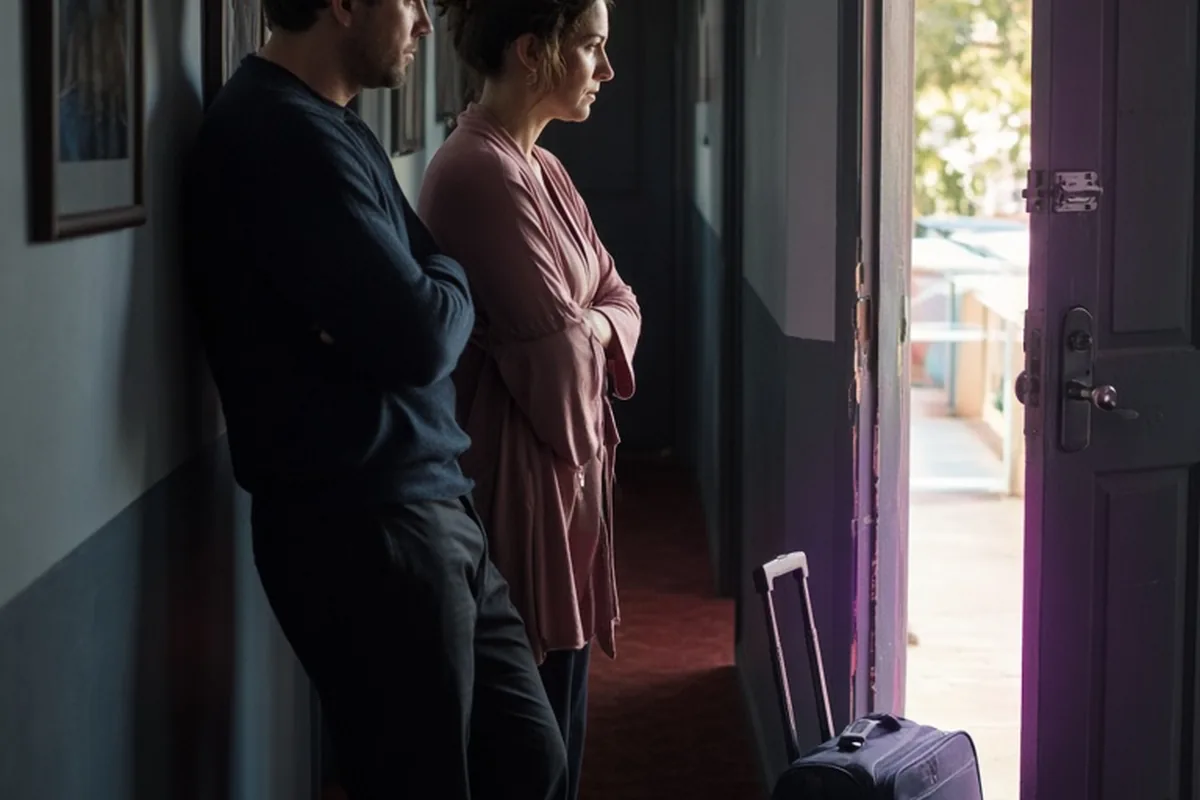
Wedding insurance is a specialized event policy that protects couples from unexpected financial losses related to their wedding day. It typically divides into two primary categories: liability coverage, which pays for third-party property damage or bodily injuries at the venue, and cancellation or postponement coverage, which reimburses non-refundable deposits if severe weather, sudden illness, military deployment, or vendor bankruptcy forces the event to be rescheduled or called off.
Planning a wedding involves committing substantial funds months or years in advance across multiple independent vendors and venues. Understanding how insurance products interface with contract obligations and payment methods allows couples to safeguard their personal finances against unforeseen disruptions.
General Liability Versus Cancellation and Postponement Coverage
Special event policies generally separate protection into two distinct categories: general liability and cancellation or postponement coverage. Commercial venues frequently mandate general liability insurance to transfer risk away from their own commercial property policies. This coverage handles claims if an invited guest slips, suffers an injury, or accidentally damages physical fixtures within the facility during the ceremony or reception. Most policies also offer host liquor liability endorsements, which cover alcohol-related incidents provided the host does not sell alcohol as a commercial enterprise.
Cancellation and postponement coverage serves an entirely different purpose by protecting pre-paid, non-refundable deposits. If an uncontrollable circumstance—such as a catastrophic weather event rendering the venue inaccessible, unexpected military reassignment, or the sudden insolvency of a key vendor—forces the couple to alter their plans, this coverage reimburses documented financial losses. It can also extend to specific sub-limits covering lost or damaged attire, damaged wedding rings, stolen gifts, or photographer non-appearance, allowing the couple to restage photos or replace essential physical assets.
Exclusions and Boundaries in Wedding Insurance Policies
While wedding insurance offers a safety net for unpredictable crises, standard policies contain explicit exclusions that couples must evaluate before purchasing. The most universal exclusion is a change of heart or voluntary cancellation. If either partner decides not to proceed with the marriage for personal, emotional, or relationship reasons, insurers will not reimburse deposits or contract termination fees. Financial hardship or standard budget shortfalls occurring after contract signing are likewise excluded from coverage.
Weather-related cancellations are strictly defined under policy terms. Standard rain, overcast skies, or minor temperature fluctuations do not qualify as covered perils. An event cancellation due to weather typically requires extreme, officially recorded conditions—such as a declared state of emergency, mandatory evacuation order, or physical destruction of the venue—that make holding the event legally impossible or physically hazardous. Furthermore, pre-existing medical conditions affecting immediate family members or the couple may be excluded unless the policy explicitly includes an endorsement waiving pre-existing medical limitations at the time of purchase.
Venue Liability Demands and Vendor Insurance Verification
Before securing an independent liability policy, couples should review their venue contract to identify exact risk-transfer requirements. Many venues specify mandatory aggregate liability limits, specific property damage minimums, and strict deadlines for submitting proof of coverage. The contract will usually mandate that the venue entity be named as an 'Additional Insured' on the Certificate of Insurance (COI). This status grants the venue direct defense and indemnification protections under the policyholder's policy for covered incidents arising out of the event.
Couples should also verify the commercial insurance status of their contracted vendors, including caterers, florists, disc jockeys, and decorators. Professional third-party vendors should carry their own commercial general liability and workers' compensation coverage. Relying on private wedding liability insurance to absorb damages caused by an uninsured caterer's equipment can lead to denied claims or complicated subrogation disputes. Requesting standard certificates of insurance from all major service providers ensures that liability falls on the party responsible for operating professional equipment on-site.
Financing Your Wedding vs. Buying Event Insurance
Couples managing wedding expenses often balance risk mitigation strategies against different financing structures. When paying for wedding expenses through personal savings, structured installment agreements, low-interest personal loans, or promotional credit cards, the underlying debt or cash expenditure remains the couple's personal responsibility. If an uninsured event is canceled due to an unforeseen catastrophe, the couple remains legally obligated to repay any borrowed funds or absorb lost cash deposits without receiving the planned services.
Event insurance functions as a protective hedge over chosen financing methods rather than a financing substitute. For couples utilizing promotional credit cards or milestone payment schedules with vendors, combining consumer contract protections with event cancellation insurance provides layered security. Credit card merchant dispute mechanisms can address immediate breaches of contract or fraudulent vendor charges, while specialized event insurance covers systemic disruptions—such as natural disasters or facility fires—that lie outside the scope of consumer credit billing protections.
Comparing Standalone Event Policies with Homeowners Insurance Riders
Couples frequently explore whether endorsing an existing homeowners or renters insurance policy provides sufficient protection compared to buying a standalone wedding policy. In certain cases, home insurance carriers offer personal liability endorsements or umbrella policy extensions that cover private social gatherings held on residential property. This can be a practical option for casual backyard ceremonies where venue requirements are absent and deposit exposure is minimal.
However, relying on homeowners riders carries distinct disadvantages for larger, off-site events. Homeowners policies rarely provide specialized cancellation coverage, vendor bankruptcy protection, or dedicated sub-limits for wedding-specific items like formalwear and rings. Additionally, if an alcohol-related injury or property damage incident occurs at the event, filing a claim against a personal homeowners policy can trigger deductible payments, premium surcharges, or potential policy non-renewal for years to come. Standalone event policies ring-fence event risks into an isolated policy that expires once the event concludes.
Filing a Wedding Insurance Claim: Documentation and Timelines
Successfully navigating an event insurance claim requires organized, verifiable record-keeping from the beginning of the planning process. Claims adjusters require signed contracts with every vendor, complete itemized payment receipts, proof of original banking transactions, and written communications detailing the disruption. For weather claims, official meteorological reports or local emergency declarations are often necessary, while vendor non-appearance or insolvency claims require evidence that the vendor ceased operations or failed to perform under contract terms.
Policyholders have an affirmative legal duty to mitigate damages when a covered loss occurs. This means couples must make reasonable efforts to minimize financial losses, such as notifying other vendors promptly to halt further non-refundable labor costs or attempting to reschedule services when possible under policy guidelines. Failing to notify the insurer within the policy's mandated notification window, or entering into unilateral settlement agreements with third parties without insurer consent, can jeopardize claim approval.
Evaluating Policy Timing and Coverage Options for Upcoming Events
Purchasing timelines significantly impact the effectiveness of wedding insurance. Cancellation policies should ideally be acquired as soon as significant non-refundable deposits are paid, as policies do not cover events or storms that are already known, named, or forecasted before the policy effective date. While general liability policies can often be secured closer to the event date to satisfy venue deadlines, locking in cancellation coverage early protects against vendor bankruptcies or venue closures occurring months ahead of the ceremony.
When comparing policy quotes, review the deductible structures and coverage limits across individual categories rather than looking solely at the primary policy maximum. Ensure the policy explicitly outlines whether destination events, rehearsal dinners, post-wedding brunches, or set-up and tear-down days are included within the primary coverage term or require supplementary riders. Verifying these definitions in advance ensures comprehensive coverage across the entire wedding weekend.
Illustrative Scenarios
Illustrative Scenario: Handling Unforeseen Venue Inaccessibility
A couple booked an independent event hall and secured both a standard liability policy and a cancellation policy with vendor insolvency protections ten months before their event. Two weeks before the wedding, an electrical fire caused structural damage to the venue, rendering the property legally uninhabitable. The venue owner returned the base rental fee but could not compensate the couple for customized printed goods, non-transferable catering prep costs, or the price difference for securing an emergency replacement venue.
Key point: Because the couple held a standalone cancellation and postponement policy, they filed a documented claim covering the non-refundable prep costs and additional operational expenses incurred to relocate the reception to an available venue on short notice.
Frequently asked questions
Does wedding insurance cover a cancellation if one person calls off the wedding?
No. Standard wedding insurance policies explicitly exclude cancellations caused by a change of heart or personal relationship decisions. Coverage is restricted to sudden, uncontrollable events such as severe weather emergencies, venue destruction, military deployment, or severe unexpected illness.
When is the best time to purchase wedding insurance?
Cancellation coverage should be purchased as soon as you begin signing contracts and making non-refundable deposits with vendors. Liability coverage can often be purchased closer to the wedding date, but buying both early guarantees full protection against unforeseen vendor bankruptcies and venue closures.
Can I use my existing homeowners insurance instead of a wedding policy?
Some homeowners or umbrella policies allow temporary liability endorsements for private events, particularly for small gatherings hosted on your own property. However, they rarely cover lost deposits, vendor bankruptcy, or event cancellation, and filing a claim on your homeowners policy can result in higher future home insurance premiums.
Does wedding insurance cover destination weddings outside the United States?
Coverage availability for international weddings depends on the carrier and policy jurisdiction. Many domestic insurers require specialized international endorsements or separate overseas travel event policies to cover venues, legal liability, and vendors outside of the United States and its territories.
Your next step
Review your signed venue contract to identify mandatory liability minimums, then request itemized quotes for both liability and deposit cancellation coverage from licensed event insurance providers before committing additional non-refundable funds.