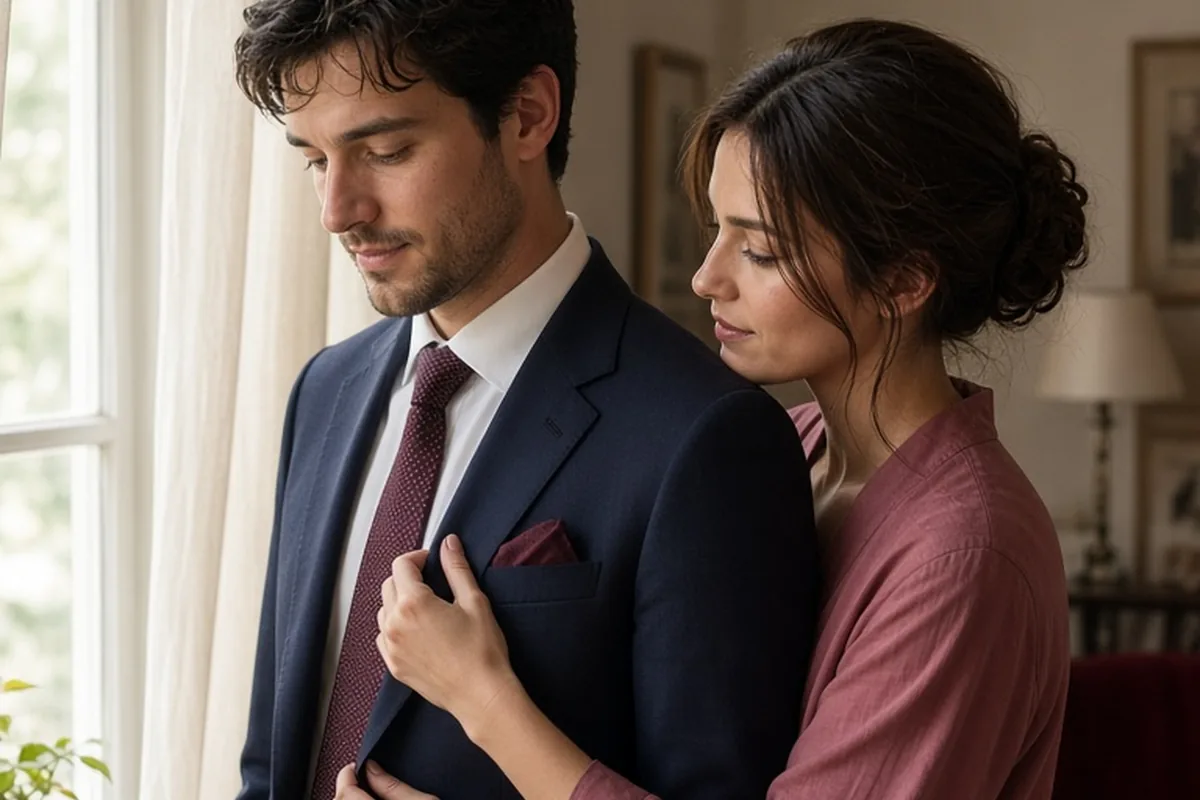
Choosing the right wedding suit for a groom requires balancing formality, season, venue aesthetics, and personal comfort. Start by identifying the dress code to decide between a tuxedo, three-piece, or two-piece suit. Select breathable, structured fabrics like worsted wool or linen blends, and work with a tailor to ensure precise fits across the shoulders, sleeve cuffs, and trouser breaks.
Preparing for your wedding day involves countless decisions, but selecting your suit sets the visual tone for how you present yourself at the altar. A well-tailored suit boosts your confidence, harmonizes with your partner's attire, and keeps you comfortable from the morning photos to the final dance.
Determining Formality: Tuxedos, Three-Piece, and Two-Piece Suits
The overall formality of your wedding dictates the appropriate silhouette for your suit. A black-tie or formal evening wedding calls for a traditional tuxedo, distinguished by satin or grosgrain facings on the lapels, buttons, and trouser side seams. For semi-formal, cocktail, or daytime celebrations, a tailored two-piece or three-piece suit in dark navy, charcoal, or mid-grey delivers refined elegance without feeling overly rigid. The three-piece suit offers a practical advantage by including a matching waistcoat, which maintains a polished, formal look even after you remove your jacket at the reception.
When deciding between these options, consider the venue and the aesthetic established by your partner. For instance, an ornate ballroom ceremony pairs naturally with a classic peak-lapel tuxedo, whereas an outdoor garden or rustic vineyard celebration benefits from the relaxed sophistication of a textured two-piece suit. The primary trade-off with a tuxedo is its limited future wearability, whereas a high-quality two-piece or three-piece suit can easily be repurposed for future formal events, business occasions, or milestone celebrations.
Selecting the Right Fabric and Weight for the Season
Fabric choice directly influences how your suit drapes, resists wrinkles, and regulates temperature throughout a long wedding day. Worsted wool is the industry standard for a reason: it breathes naturally, holds a sharp press, and comes in various yarn weights suitable for year-round wear. For warm-weather weddings held in late spring or summer, lightweight fabrics such as high-twist tropical wool, linen-silk blends, and fine cotton provide airflow while preserving clean structural lines.
In contrast, cooler autumn and winter weddings allow for richer textures such as wool flannel, heavier twills, or soft velvet dinner jackets. For example, a groom hosting an outdoor coastal wedding in July will stay substantially more comfortable in a breathable wool-silk-linen blend than in dense flannel. Keep in mind that while pure linen offers maximum cooling, it wrinkles almost instantly upon sitting down. Opting for a wool-linen or wool-silk blend gives you the lightweight breathability of summer fibers combined with the wrinkle recovery and crisp structure of wool.
Mastering Suit Construction and Key Tailoring Touchpoints
The difference between an ordinary suit and an exceptional wedding garment lies in precise tailoring. Regardless of whether you purchase an off-the-rack garment, order made-to-measure, or commission bespoke tailoring, the jacket shoulders must sit flush with your natural frame. Shoulder alterations are notoriously difficult and expensive, meaning the jacket must fit cleanly across the collarbone and deltoids from the start without bunching, divots, or excess padding.
Key touchpoints to review during alterations include jacket waist suppression, sleeve length, and trouser break. Your jacket sleeves should end right at the wrist bone, allowing approximately one-quarter to one-half inch of your dress shirt cuff to show. Trousers should sit comfortably at your natural waist without relying entirely on a belt; a subtle slight break or no-break hem creates a modern, clean line over dress shoes. The trade-off with made-to-measure and custom construction is the required lead time of several months, but it provides customized fit corrections for asymmetrical postures or athletic builds that standard off-the-rack sizing cannot match.
Choosing Color Palettes that Complement the Wedding Theme
While midnight blue and deep charcoal remain timeless staples for formal ceremonies, modern grooms have expanded into expressive yet tasteful color palettes. Rich tones such as forest green, burgundy, French blue, and warm taupe bring personality to the wedding party while still feeling stately. The key is coordinating with your partner's attire, the floral arrangements, and the venue backdrop without creating an exact, overly uniform color match with the bridesmaid dresses.
For example, if the wedding party features sage green accents, the groom might opt for an earthy olive or deep forest suit, or stick with a classic charcoal suit paired with botanical-toned neckwear. Light tan and soft stone shades work beautifully for daytime, beach, or desert weddings, providing contrast against bright sunlight. Be mindful that very light or highly unconventional colors can draw heavy contrast under indoor reception lighting and may limit how frequently you can wear the suit again in professional or social settings.
Coordinating Accessories: Neckwear, Shoes, and Subtle Details
Accessories provide the finishing touches that distinguish the groom from standard event guests. Rather than buying a pre-matched shiny tie-and-pocket-square set, choose complementary textures and tones. A matte silk grenadine tie, a textured knit tie, or a clean bow tie pairs well with a crisp white pocket square in linen or silk with folded edges. Metal accents, including your watch, cufflinks, tie bar, and belt buckle or side adjusters, should remain unified in finish, whether silver, gold, or rose gold.
Footwear anchors your entire look and must be broken in prior to the ceremony to prevent discomfort. Traditional black cap-toe oxford shoes are standard for tuxedos and formal charcoal suits, while rich dark brown or oxblood dress shoes complement navy, blue, and earthy green suits. Avoid over-accessorizing by sticking to two or three focal pieces, such as an heirloom pair of cufflinks, an elegant timepiece, and a single fresh boutonniere pinned to the left lapel.
Distinguishing the Groom from the Groomsmen
The groom should stand out visually at the altar while maintaining a cohesive aesthetic with the groomsmen. Achieving this distinction does not require a completely clashing outfit; subtle variations in garment components or styling create an organic visual hierarchy. For example, if all groomsmen wear matching charcoal two-piece suits, the groom can wear a three-piece suit with a matching waistcoat or a slightly darker midnight navy shade that commands focus in group portraits.
Alternative ways to distinguish your look include wearing a distinct necktie pattern, choosing a different lapel cut like a peak lapel instead of a notch lapel, or wearing a larger, specially styled boutonniere that incorporates elements from your partner's bouquet. The trade-off to manage here is budget and coordination complexity. Ensure that your groomsmen have clear, simple guidelines so that any distinction highlights the groom without making the party appear mismatched or disorganized.
Planning Your Timeline, Budget, and Fitting Schedule
Securing a wedding suit requires a structured timeline to avoid rushed alterations and unnecessary stress. If you choose a custom or made-to-measure suit, begin consultations four to six months before the wedding date to allow for fabric sourcing, construction, and initial shipping. Off-the-rack purchases should be acquired at least two to three months in advance to leave ample room for secondary and tertiary tailoring appointments.
Schedule your final fitting roughly two to three weeks before the wedding ceremony. This timeframe allows the tailor to adjust for any minor, natural fluctuations in body weight while providing enough buffer for final pressing. Bring your actual wedding shoes, dress shirt, and undershirt to every fitting session, as shoe heel heights directly affect trouser hem length and shirt thickness influences jacket chest room.
Frequently asked questions
Is it better for a groom to buy or rent a wedding suit?
Buying is generally better if your budget permits, as purchased suits can be fully tailored to your exact measurements and worn again for future events. Renting provides a lower initial cost but limits alteration options, often resulting in a generic, boxy fit in photos.
Should the groom match the bride's dress or the bridesmaids' colors?
The groom should complement the overall wedding palette rather than matching fabric swatches exactly. Using a neutral base suit with subtle accents in the tie, pocket square, or boutonniere creates a harmonious look without appearing overly uniform.
How far in advance should a groom get his suit tailored?
Begin alterations six to eight weeks before the wedding day to handle major structural adjustments. Schedule a final check fitting two to three weeks prior to the event to address minor body changes and ensure the hem and cuffs sit perfectly.
What is the most versatile wedding suit color for future wear?
Midnight blue and deep charcoal grey offer the highest versatility for life after the wedding. Both shades function seamlessly in corporate settings, cocktail parties, and other formal events when paired with standard business shirts and accessories.
Your next step
Determine your wedding formality and schedule an initial consultation or store fitting four to six months before your wedding day with your chosen dress shoes in hand.