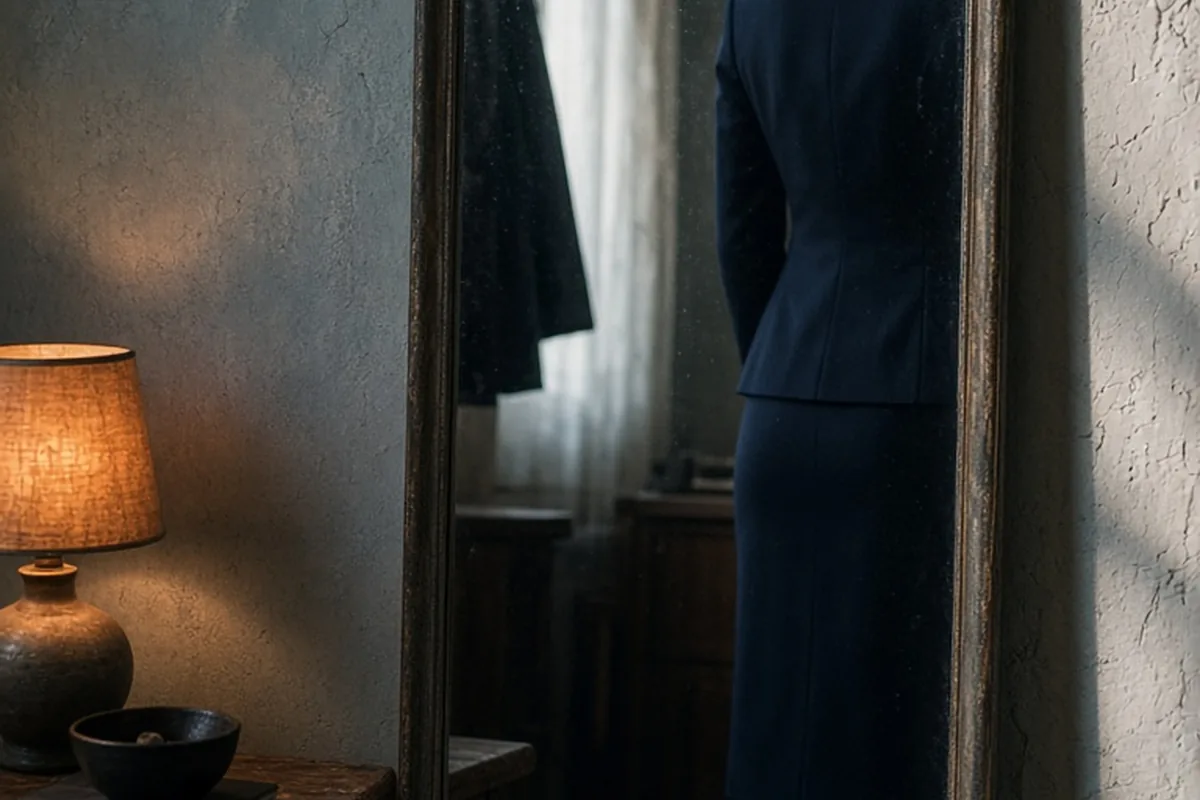
Female lawyers typically wear formal business suits in court and business professional or smart business casual attire in office settings. Standard options include tailored pant suits, skirt suits, structured sheath dresses paired with blazers, and conservative knitwear. Dark neutrals like navy, black, charcoal, and beige predominate for formal appearances, complemented by modest accessories, closed-toe shoes, and functional leather bags suited for carrying case files and legal documents.
Navigating legal dress codes can feel nuanced, especially as modern law firms adapt their internal policies to hybrid schedules and varying client expectations. Understanding the core standards across different legal environments helps you build a versatile, functional wardrobe that conveys credibility and authority in every professional setting.
Courtroom Attire and Formal Litigation Standards
Courtroom appearances demand the highest level of formal business attire in the legal profession. Judges, juries, and local court rules expect counsel to present a polished, conservative appearance that shows respect for the judicial forum. The universal standard for female attorneys in federal, state, and appellate courts consists of a tailored two-piece suit in a neutral color such as navy blue, charcoal gray, black, or deep taupe. Attorneys can choose between pant suits and skirt suits based on personal comfort. Skirts are conventionally tailored to fall at or just below the knee, featuring a modest slit that allows comfortable movement while sitting and walking.
Underneath the suit jacket, litigators generally wear conservative collared button-down shirts, silk or poly-blend shells, or high-neck modal tops in white, cream, light blue, or soft pastels. Courtrooms are notoriously unpredictable in temperature, making breathable natural fabrics like lightweight wool, wool-crepe, and lined silk practical choices for long trials. For instance, an attorney arguing a summary judgment motion might pair a navy wool trousers suit with an ivory silk shell and low-block leather heels. The trade-off with courtroom dressing is that trendy silhouettes, bright neon hues, or oversized patterns can distract from oral arguments or clash with strict local judicial guidelines, so timeless cuts remain the safest option.
Law Firm Office Days and Business Professional Norms
On days without court hearings or formal external appearances, the expected dress code inside most law firms shifts to business professional or polished business casual. The exact culture varies between large national firms, boutique litigation practices, and corporate in-house legal departments. In general, office attire allows for greater flexibility in colors, textures, and silhouettes while maintaining a structured, professional finish suitable for impromptu partner discussions or unexpected client drop-ins.
Attorneys often wear tailored separates, such as ponte-knit trousers paired with structured knit blazers, pleated wide-leg pants with cashmere crewneck sweaters, or tailored sheath dresses. High-quality stretch fabrics and wrinkle-resistant blends are especially useful for long hours spent researching, reviewing discovery, and drafting briefs at a desk. For example, a senior associate might wear a charcoal sheath dress layered under an open tweed jacket, combining comfort with immediate readiness for internal meetings. A key consideration is balancing comfort with structure; overly relaxed knits or unlined linen can quickly look rumpled after eight hours of desk work.
Client Meetings, Depositions, and Negotiations
Dressing for depositions, mediations, and external client consultations requires strategic alignment with the specific audience and venue. While a deposition in a commercial dispute usually requires standard business professional attire similar to court, meeting an emerging tech client at their startup headquarters might call for refined smart casual to foster rapport without appearing out of touch. Conversely, meeting institutional corporate clients, banking executives, or insurance adjusters calls for crisp, authoritative tailoring.
Layering provides flexibility during all-day negotiations where room temperatures fluctuate and proceedings may transition into working dinners. Jewel tones like emerald, burgundy, sapphire, and plum work well for tops and jackets in these settings, adding visual depth while remaining thoroughly professional. For example, an attorney attending a settlement conference might select a tailored camel blazer, dark navy trousers, and a plum blouse. The primary trade-off involves reading the room correctly: underdressing can risk projecting a lack of diligence to traditional clients, while overly rigid suiting in casual industry settings can create unnecessary social distance.
Smart Casual Policies and Casual Fridays in Legal Practice
Many law firms now observe smart casual dress codes on Fridays or throughout the general workweek when no client contact is scheduled. Legal smart casual is distinct from everyday weekend wear; it requires intentional styling and clean garments. Common combinations include dark-wash denim with no fading or distressing, tailored ankle trousers, fine-gauge cardigans, tailored shirt dresses, and suede or leather loafers.
Even in casual firm environments, attorneys must prepare for sudden schedule changes, such as emergency injunction hearings, urgent client visits, or unexpected depositions. Experienced practitioners frequently keep a backup formal wardrobe in their office closet, including a pressed neutral blazer, tailored trousers, and a pair of professional pumps or flats. For instance, an attorney wearing dark jeans and a silk shirt on a Friday can instantly elevate her outfit for an unexpected afternoon client conference by adding a structured black blazer and classic leather flats. The trade-off with smart casual policies is that boundaries can be ambiguous, making it wise to observe the standards set by practice group leaders and senior partners.
Footwear, Commuter Bags, and Professional Accessories
Footwear in the legal field must balance formal aesthetics with the physical demands of courthouse security lines, marble staircases, and city commuting. Closed-toe shoes are standard for litigation and formal meetings. Popular choices include low block heels ranging from one to two inches, pointed-toe or almond-toe leather flats, tailored loafers, and supportive classic pumps. Many attorneys wear supportive walking shoes or commuter sneakers while traveling to the office and switch into their formal footwear upon arrival.
Work bags must be durable and sufficiently spacious to carry laptops, legal pads, redweld file folders, and personal items. Structured leather or coated-canvas totes, briefcases, and sleek minimalist backpacks in black, cognac, or dark brown are standard. Accessories should complement the outfit without creating visual or auditory distractions. Understated jewelry, such as stud earrings, simple pendant necklaces, and classic watches, is favored over stacked bangles or large dangling pieces that might rattle against tables or podiums during proceedings.
Building a Versatile Capsule Wardrobe on a Budget
Law students, summer associates, and newly licensed attorneys often face the challenge of assembling a professional wardrobe on an entry-level budget. A strategic capsule wardrobe approach focuses on high-utility foundation pieces in interchangeable neutral shades rather than purchasing numerous inexpensive, single-use outfits. Investing in quality tailoring can also make accessible off-the-rack garments fit with the precision of custom suiting.
A practical starting capsule includes two full suits (one navy and one charcoal or black), two additional tailored blazers, four mix-and-match tops or blouses, two pairs of neutral work trousers, one structured sheath dress, and two pairs of comfortable leather shoes. By rotating these pieces, an attorney can create dozens of distinct outfits for every workday. Caring for garments through proper steaming, spot cleaning, and timely dry cleaning prolongs the life of natural fibers and keeps garments looking crisp without requiring frequent replacements.
Regional, Climate, and Practice Area Variations
Geographic location and legal practice area significantly shape everyday wardrobe expectations. Legal markets in cities like New York, Washington D.C., and Boston lean heavily toward traditional suiting and dark color palettes. In contrast, legal hubs in California, the Pacific Northwest, and parts of the South embrace lighter color tones, breathable linen blends in summer, and a broader interpretation of smart business casual.
Practice areas also dictate daily dressing habits. Criminal defense lawyers and prosecutors who spend several hours in court every morning require a rotation of formal suits, whereas transactional, tax, or patent attorneys who primarily work in an office setting may wear business casual coordinates for weeks at a time. Factoring in regional climate is equally vital; lightweight tropical wool suits and moisture-wicking undershirts help manage humid summer commutes, while lined wool overcoats and weatherproof commute boots protect professional clothing in colder climates.
Frequently asked questions
Are female lawyers required to wear skirts or dresses in court?
No, pant suits are widely accepted across federal, state, and local courts in the United States. Skirt suits remain a traditional option, but attorneys can freely choose between tailored trousers and skirts based on personal preference and comfort.
What shoes are most practical for court appearances and office work?
Comfortable closed-toe shoes such as low block heels, pointed-toe leather flats, and tailored loafers are the most practical choices. They offer stability when walking across courthouse floors while maintaining a formal, professional appearance.
How can female lawyers prepare for casual Fridays safely?
Choose polished smart casual items such as dark, clean-wash denim paired with a tailored blazer and leather flats. Keeping an emergency formal suit and dress shoes in your office closet ensures you are prepared if an unexpected court hearing or client meeting arises.
What colors are best for building a legal professional wardrobe?
Foundational neutrals including navy, charcoal gray, black, beige, and camel serve as the best base for suits and trousers. You can introduce subtle color through blouses, knitwear, and accessories in jewel tones like burgundy, emerald, sapphire, or soft pastels.
Your next step
Begin building or refining your legal wardrobe by selecting two versatile neutral suits and scheduling a consultation with a tailor to ensure proper sleeve and hem lengths for your daily professional routine.