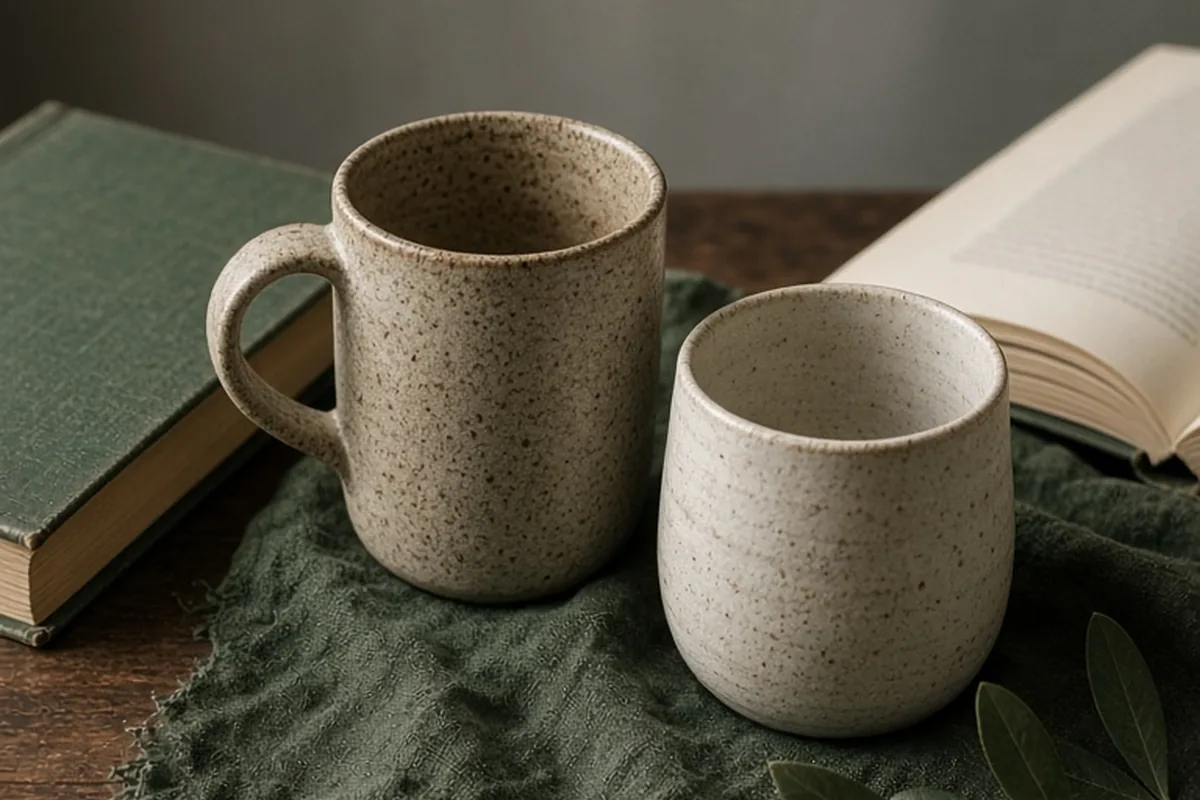
What you like to do for fun is a reflection of your values, energy, and curiosity, not a performance. The most satisfying leisure activities tend to match your natural pace, give you something to look forward to, and leave you feeling restored rather than drained. If you are not sure what that looks like for you yet, that uncertainty is itself a useful starting point.
Why the Question Feels Harder Than It Should
Most people find this question surprisingly tricky, whether it comes up on a first date, in a job interview icebreaker, or during a quiet moment of self-reflection. Part of the difficulty is that the word fun carries a lot of social weight. There is an unspoken pressure to have a photogenic hobby or a witty answer ready, and that pressure can make you second-guess activities you genuinely enjoy. Reading in bed on a Saturday morning is fun. So is reorganizing your kitchen. Neither sounds glamorous, but both count.
The other reason the question stalls people is that leisure time often gets squeezed out of adult life gradually, and you may not have checked in with yourself recently about what you actually enjoy versus what you used to enjoy or what you think you should enjoy. Treating the question as an honest inquiry rather than a test gives you more room to answer it truthfully, and a truthful answer is far more useful for building a life you like.
How to Figure Out What You Actually Enjoy
A practical starting point is to look at where your attention goes when nothing is demanding it. What do you read about voluntarily? What YouTube rabbit holes do you fall into? What conversations make you lose track of time? These small data points are more reliable than trying to brainstorm hobbies from scratch, because they reflect genuine pull rather than aspiration. You might notice you keep gravitating toward cooking videos, local history, plant care, or competitive puzzle games. Any of those is a real answer.
It also helps to think in terms of how an activity makes you feel rather than what it looks like from the outside. Some people feel energized by social activities like team sports, improv classes, or trivia nights. Others recharge through solitary pursuits like journaling, hiking alone, or working on a craft project. Neither orientation is better, and many people fall somewhere in between depending on the day. Paying attention to your energy before and after an activity over a few weeks gives you clearer information than any personality quiz.
Categories of Fun Worth Exploring
Fun tends to cluster into a few broad types, and knowing which types appeal to you can help you find new activities you have not tried yet. Creative pursuits involve making something, whether that is writing, drawing, cooking, woodworking, music, or even arranging furniture. Physical activities range from competitive sports to gentle movement like yoga or long walks. Intellectual hobbies include reading, learning languages, following a niche subject, or playing strategy games. Social activities center on connection, like hosting dinners, joining a club, or volunteering.
Most people enjoy a mix across these categories, and the mix shifts over time. Someone who loved team sports in their twenties might find that solo hiking fits their current life better. Someone who always thought of themselves as non-creative might discover genuine satisfaction in a pottery class at forty. Keeping your sense of what counts as fun open to revision is not inconsistency; it is just paying attention to who you are right now rather than who you were.
- Creative: cooking, writing, drawing, music, crafts, photography
- Physical: hiking, dancing, swimming, cycling, yoga, team sports
- Intellectual: reading, puzzles, learning a skill, following a niche interest
- Social: game nights, volunteering, clubs, hosting, community events
- Restorative: gardening, birdwatching, meditation, slow travel
How to Talk About Your Interests Confidently
When someone asks what you do for fun in a social or dating context, the goal is not to impress them with an unusual hobby. It is to give them a genuine glimpse of how you spend your time and what matters to you. A simple, specific answer works better than a vague one. Saying you enjoy cooking new recipes on weekends and have been working through regional Italian dishes is more interesting and more connective than saying you like food. Specificity invites follow-up questions and real conversation.
It is also worth resisting the urge to downplay your interests. People sometimes preface their hobbies with disclaimers like I know it sounds boring, but or It is kind of a weird thing. Those qualifiers signal insecurity and actually make the listener less curious, not more. If you genuinely enjoy something, saying so directly is more appealing than hedging. The right people will be interested in what you are actually into, not in a curated version of it.
When You Feel Like You Have No Hobbies
A lot of adults go through stretches where they genuinely cannot identify what they enjoy, especially after a period of high stress, a major life transition, or years of prioritizing work and obligations over personal time. This is more common than it sounds, and it does not mean something is wrong with you. It often just means your leisure time has been so compressed or so structured around recovery that you have not had space to explore. The solution is not to force a hobby but to create low-stakes opportunities to try things.
One useful approach is to say yes to small invitations you would normally decline, not because you owe anyone your time, but because novelty is how you find out what resonates. Go to the pottery class a friend mentioned. Try the trail your coworker recommended. Attend the local trivia night once. You are not committing to anything; you are gathering information. Some things will feel flat, and that is fine. Occasionally something will click in a way that surprises you, and that surprise is worth looking for.
Balancing Fun With a Busy Schedule
One of the most common barriers to having hobbies is time, or more precisely, the feeling that leisure is something you earn after everything else is done. That framing tends to push fun to the bottom of an ever-growing list. A more sustainable approach is to treat at least some leisure time as non-negotiable rather than optional, the same way you would treat a work meeting or a medical appointment. Even thirty minutes of something you genuinely enjoy a few times a week adds up and has a real effect on your overall sense of wellbeing.
It also helps to match the activity to the time you actually have rather than waiting for ideal conditions. If you have fifteen minutes in the morning, that is enough for a short walk, a chapter of a book, or a few rounds of a word game. If you have a full Saturday afternoon, that is when you might tackle a longer project or go somewhere new. Scaling your leisure to fit real life rather than imaginary free time makes it far more likely to actually happen.
Using Your Interests to Build Connection
Shared activities are one of the most natural ways to deepen relationships, whether with a new friend, a romantic partner, or people you have known for years. Doing something together, even something low-key, creates a shared experience and a reference point that conversation alone does not. If you enjoy hiking, inviting someone along is a more relaxed way to spend time than a formal dinner. If you love cooking, having someone over to cook together is more personal than meeting at a restaurant.
You do not need to share every interest with the people you are close to, and trying to manufacture overlap can feel forced. But being willing to share your genuine enthusiasms, and being curious about someone else's, is one of the more reliable ways to build real rapport. Asking someone what they enjoy and actually listening to the answer, rather than waiting for your turn to talk, is a small habit that makes a meaningful difference in how connected people feel.
Letting Your Interests Evolve Over Time
There is no rule that says you have to keep doing something you used to love if it no longer fits your life. Interests change as circumstances change, and that is normal. The person who was passionate about competitive running in their thirties might find that they now prefer long walks and audiobooks, and that shift does not represent a loss of identity. It represents adaptation. Holding on to a hobby out of obligation or nostalgia tends to make it feel like a chore rather than a source of enjoyment.
At the same time, it is worth distinguishing between an interest that has genuinely run its course and one that has just been neglected. Sometimes revisiting something you used to love, with lower expectations and less pressure, reminds you why you liked it in the first place. The goal is not to optimize your leisure time but to stay curious about what actually brings you satisfaction right now, and to give yourself permission to pursue that without needing to justify it to anyone.
Frequently asked questions
What if I genuinely do not know what I enjoy?
Start by noticing where your attention goes voluntarily, what you read, watch, or think about when nothing is demanding your focus. Then try a few low-commitment activities without expecting to love them immediately. Finding what you enjoy is often a process of elimination as much as discovery.
How do I answer this question on a date without sounding boring?
Be specific rather than impressive. Saying you have been getting into sourdough baking or that you spend Sunday mornings at the farmers market is more engaging than a generic answer. Specificity gives the other person something real to respond to and signals that you are comfortable with who you actually are.
Is it okay if my hobbies are mostly solitary or low-key?
Absolutely. Reading, cooking, gardening, puzzles, and similar quiet activities are legitimate and fulfilling ways to spend leisure time. The value of a hobby is in how it makes you feel, not in how social or visible it is. There is no hierarchy of acceptable fun.
How many hobbies should I have?
There is no target number. Some people find deep satisfaction in one or two consistent interests; others enjoy rotating through many different activities. What matters is that your leisure time leaves you feeling engaged or restored, not that it meets any external standard of variety or productivity.
Your next step
This week, set aside thirty minutes with no agenda and do something you have been mildly curious about but keep putting off, whether that is trying a new recipe, starting a book that has been on your shelf, or taking a walk in a neighborhood you have never explored. Notice how you feel afterward, and let that information guide what you do next.