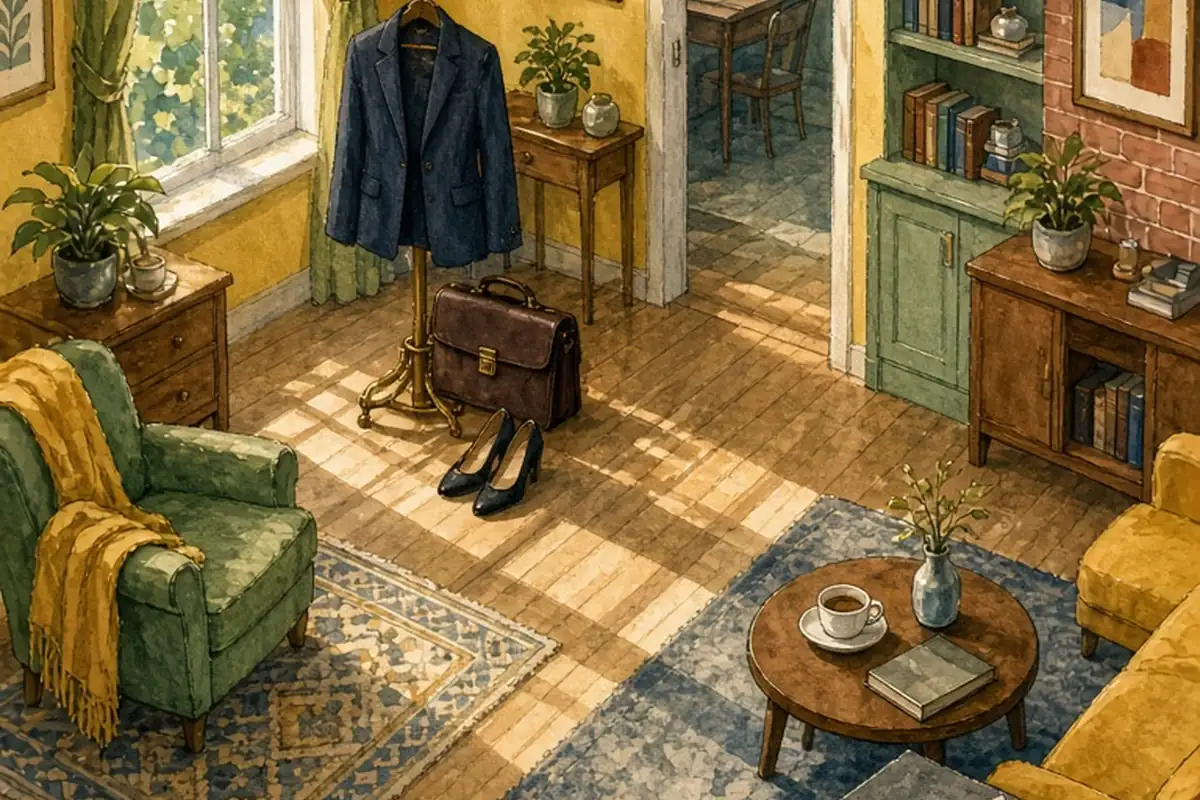
Female lawyers typically wear structured, conservative attire for formal settings and tailored business casual for regular office days. In court or depositions, standard dress includes a tailored pantsuit or skirt suit in neutral tones like navy, charcoal, or black, paired with modest blouses and closed-toe shoes. For internal desk days, tailored trousers, sheath dresses, blazers, and clean knitwear provide a polished yet comfortable standard.
Navigating professional attire in the legal field requires balancing traditional industry expectations with personal comfort and modern workplace norms. Because daily expectations shift based on your schedule, building a functional wardrobe depends on understanding the specific demands of court appearances, client interactions, and standard desk work.
Courtroom and Formal Appearance Standards
In formal legal environments such as trial courts, appellate hearings, and on-record depositions, conservative tailoring remains the universal standard. Judges, juries, and colleagues expect attire that conveys absolute preparedness and respect for the proceeding. A well-fitted suit in a deep neutral tone—such as charcoal gray, midnight navy, or black—serves as the cornerstone of courtroom dressing. Both pantsuits and skirt suits are widely accepted across federal and state courts, provided the tailoring is clean and modest. Skirt lengths generally fall at or just below the knee, ensuring comfort when sitting at counsel table for extended periods.
Underneath a suit jacket, attorneys typically choose modest tops such as silk or matte jersey shells, collared button-downs, or high-crewneck blouses in soft neutrals like white, cream, light blue, or blush. Low-cut necklines, loud patterns, and overly sheer fabrics are avoided because they can distract from oral arguments or violate local court decorum rules. Footwear in court is strictly professional: classic closed-toe pumps with a low-to-moderate heel or polished leather flats ensure stability and decorum. While personal expression is natural, the practical trade-off in court is that conservative simplicity keeps the focus squarely on your legal advocacy.
- Matched pantsuits or skirt suits in solid charcoal, navy, black, or deep plum
- High-neckline blouses, structured shells, or button-front shirts in solid neutrals
- Closed-toe leather or suede heels and pointed or almond-toe flats
- Minimalist jewelry such as stud earrings, a delicate pendant, and a professional watch
Everyday Office and Desk Day Attire
When an attorney is not appearing before a judge or conducting a deposition, daily attire shifts toward smart business casual in most law firms, corporate legal departments, and public interest offices. Long hours spent researching, drafting briefs, and collaborating with colleagues require breathable fabrics and relaxed silhouettes that still maintain an executive presence. Instead of a full two-piece suit, lawyers often wear tailored separates, such as high-waisted ankle trousers paired with a soft cashmere knit, or a structured midi dress under a tailored blazer.
Separates allow for easy adaptation throughout the day. An attorney might wear a short-sleeve sheath dress with a cardigan while working at her desk, keeping a structured blazer on a hanger behind her office door in case of an unexpected partner meeting or video call. Dark denim has become acceptable in select modern firms on designated casual days, but it is typically paired with formal elements like a crisp white shirt, a tailored blazer, and sleek loafers. The key balance on desk days is maintaining an intentional, put-together appearance without sacrificing the physical comfort needed for twelve-hour document reviews.
Client Consultations and Negotiation Meetings
Dressing for client interactions requires assessing your audience and setting a tone of competence, reliability, and approachability. High-stakes corporate transactions, settlement negotiations, and initial consultations with business executives generally demand elevated business professional attire. In these settings, sharp separates—such as a tailored tweed jacket over a pencil skirt, or wide-leg wool trousers paired with a belted trench-style blazer—project authority and precision without feeling as rigid as a trial suit.
Conversely, representing individual clients in family law, criminal defense, or legal aid clinics often calls for a more approachable demeanor. Wearing an overly rigid, dark corporate suit in a sensitive community setting can sometimes create unintentional emotional distance between the lawyer and the client. In these scenarios, softer textures, warmer neutral tones like camel, olive, or taupe, and comfortable knit blazers signal professionalism while remaining empathetic. Matching the formality level to the specific context builds immediate rapport and reassures the client that their legal matter is handled with care.
Practical Footwear, Commuter Logistics, and Bags
The physical reality of practicing law involves walking between office buildings, navigating transit, standing for hours during trials, and hauling heavy files or digital equipment. Because of this, footwear must combine durability with aesthetic polish. While four-inch stilettos were once popularized in media portrayals of female attorneys, real-world practice favors block heels, kitten heels, supportive wedges, and tailored leather flats. Many urban lawyers adopt a commuter strategy: wearing cushioned sneakers or supportive walking shoes during transit, then changing into formal court shoes upon arrival at the office or courthouse locker room.
Work bags must also perform heavy-duty logistical functions. A lawyer's daily tote needs to accommodate a laptop, power adapters, case folders, legal pads, personal essentials, and occasionally exhibit binders. Structured leather or heavy-duty nylon totes with reinforced straps and internal dividers protect documents from creasing while looking sharp. A neutral, minimalist tote in black, cognac, or deep burgundy seamlessly transitions from the security checkpoint at the courthouse to an evening client dinner.
Managing Climate Control and Seasonal Shifts
Courthouses and large law offices are notorious for extreme temperature fluctuations, often maintaining icy air conditioning in the summer and dry, intense heating in the winter. Layering is an essential strategy for any legal wardrobe. Lightweight wool blends, wool-crepe, and lined ponte knits offer year-round utility because they resist wrinkles during long commutes and regulate body temperature across changing indoor environments.
During warm summer months, sleeveless sheath dresses and lightweight cotton-blend trousers work well inside the office, provided you keep a tailored blazer or structured jacket nearby for formal moments. In cold weather, structured wool overcoats, tailored trench coats, and neutral leather gloves provide a professional outer layer that fits comfortably over suit jackets. Choosing outerwear with clean tailoring prevents bulk and ensures a polished entrance when arriving at external meetings.
Building a Versatile Legal Capsule Wardrobe
Assembling a functional legal wardrobe does not require an endless budget or hundreds of garments; instead, it relies on a cohesive collection of versatile staples that can be mixed and matched. Prioritizing fabric quality and tailoring over brand names yields a wardrobe that withstands frequent wear and dry cleaning. Investing a small amount into professional tailoring—such as hemming trousers to the exact height of your preferred shoes and nipping in jacket sleeves—makes accessible garments look custom-fitted and authoritative.
When building a core collection, start with two foundational suits: one solid black and one navy or charcoal gray. From there, integrate complementary pieces that pair across both suits, including neutral shells, a high-quality white button-up, a versatile midi dress, two pairs of tailored trousers, and one unstructured knit blazer. By sticking to a cohesive color palette of neutrals accented by occasional jewel tones like emerald, burgundy, or royal blue, you ensure that every item in your closet coordinates effortlessly for busy mornings.
- Two foundational suits in navy, charcoal, or black with matching pants and skirts
- Four to six wrinkle-resistant blouses and shells in neutral or soft tones
- Two pairs of standalone tailored trousers in wool-blend or ponte fabric
- One classic sheath or wrap dress with modest neckline and knee-length hem
- Two pairs of comfortable, supportive work shoes (one block heel, one flat)
- One structured, weather-resistant tote bag capable of holding a laptop and files
Illustrative Scenarios
Transitioning from Document Drafting to an Emergency Hearing
A second-year associate arrived at the office in tailored gray ankle trousers, a breathable ivory knit top, and pointed leather loafers for a full day of research. At 11:00 AM, a supervising partner asked her to attend an unexpected in-person injunction hearing at the local district court. Because she kept a structured black blazer on a hanger in her office closet and a pair of classic low-heeled black pumps under her desk, she transformed her business casual outfit into a fully courtroom-compliant suit in under two minutes.
Key point: Keeping emergency courtroom staples, including a tailored neutral blazer and closed-toe formal shoes, stored at your desk ensures you are always prepared for unscheduled hearings without needing to overdress on everyday office days.
Frequently asked questions
Are female lawyers required to wear skirts instead of pants in court?
No, pantsuits are fully accepted in all modern federal, state, and local courts across the United States. While individual judges may maintain traditional expectations regarding conservative tailoring, a well-fitted pantsuit is completely professional and standard practice.
Can female lawyers wear bright colors or patterns?
Yes, but they are typically used sparingly as accents rather than head-to-toe statements. Jewel tones like emerald, sapphire, and burgundy are popular for blouses and dresses, whereas loud prints and neon colors are avoided in courtroom environments to maintain a formal focus.
What is the policy on jewelry and grooming in legal workplaces?
Jewelry should be understated and functional, avoiding dangling bracelets that click against desks or distract during arguments. Neat, tidy hairstyles and natural or classic makeup routines align best with the conservative expectations of courtrooms and client consultations.
Your next step
Review your weekly schedule and organize your closet around a solid neutral suit, a pair of supportive closed-toe shoes, and two structured office separates to confidently meet both courtroom and desk demands.