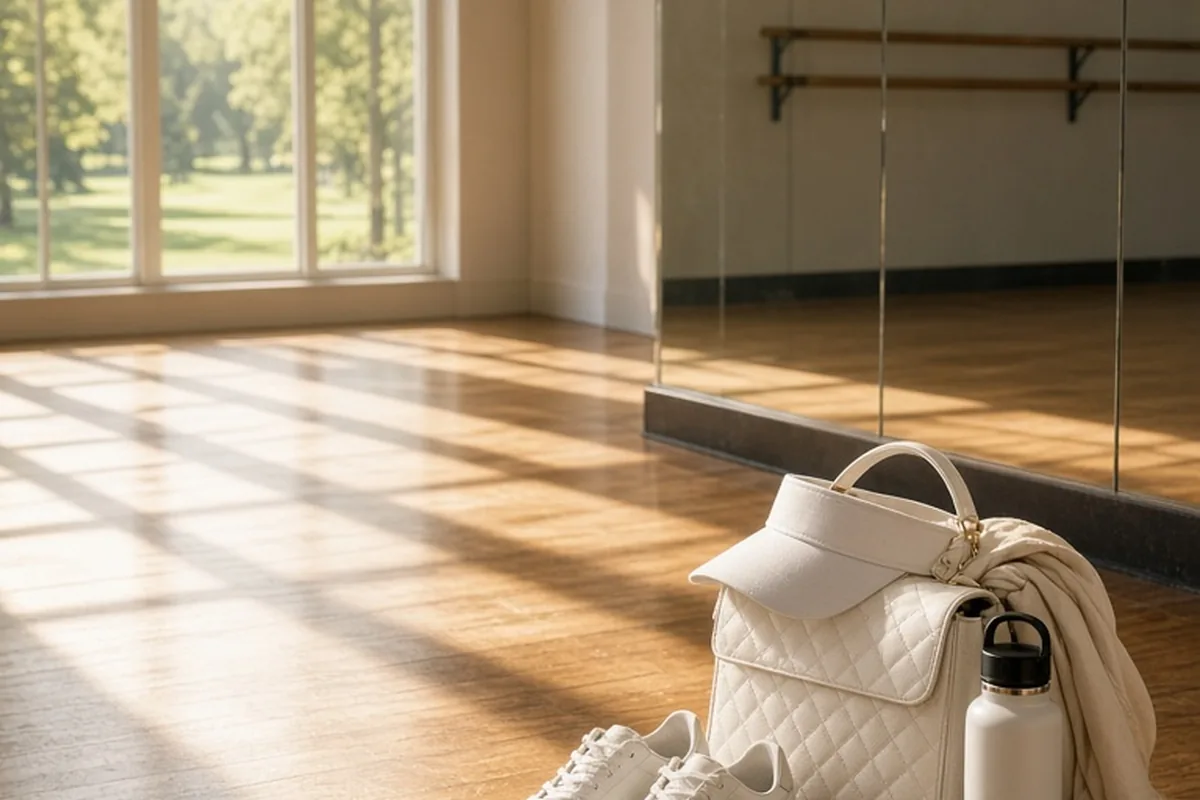
When attending a golf tournament as a spectator, wear comfortable, polished resort-casual or athletic-chic attire. Ideal choices include a tailored golf dress, a collared sleeveless polo with an athletic skort, or cropped chinos paired with a breathable blouse. Prioritize supportive, flat walking shoes like clean fashion sneakers, and bring sun protection such as a wide-brim visor and polarized sunglasses. Avoid high heels, denim cutoffs, and loud graphic tees.
Spectating at a professional or amateur golf tournament requires a thoughtful blend of country club decorum, functional athletic wear, and all-day outdoor comfort.
Understanding Course Dress Codes and Spectator Etiquette
While spectators are rarely held to the strict uniform guidelines enforced for competing players or private club members, golf tournaments maintain a distinct culture rooted in traditional clubhouse aesthetics. Most events encourage a neat, elevated resort-casual look that respects the setting without requiring you to look like you are stepping up to the tee box yourself. Understanding this atmosphere helps you strike the right balance between feeling stylish and fitting into the gallery naturally.
Major professional events like the PGA Tour, LPGA Tour, or local invitational championships often take place on manicured grounds with historic clubhouse traditions. As a general rule, items associated with lounging at home or intense gym sessions—such as distressed denim cutoffs, fleece sweatpants, low-cut tank tops, or graphic t-shirts—can look out of place. Opting for tailored fits, collared or cleanly structured necklines, and muted or classic prints ensures you feel confident in any viewing area, from general admission hillsides to private hospitality chalets.
The primary trade-off to keep in mind is the balance between strict tradition and personal comfort. Private courses hosting major championships may have strict no-denim rules even for tournament ticket holders, whereas casual charity scrambles on municipal courses are much more relaxed. Checking the specific tournament website before selecting your pieces will save you from unexpected dress code enforcement at the entrance gates.
Choosing the Right Tops, Dresses, and Layering Pieces
When selecting tops, look for garments crafted from breathable, moisture-wicking technical fabrics or lightweight natural fibers like linen and cotton poplin. Sleeveless or short-sleeved polo shirts with subtle zip or button plackets are timeless staples that keep your neck slightly shielded from the sun while offering structure. If you prefer a modern athletic aesthetic, high-neck technical sleeveless tops or refined crewneck performance shirts in neutral palettes, pastels, or preppy stripes work exceptionally well.
Golf dresses have surged in popularity for spectators because they provide a complete, cohesive outfit in a single piece. Many athletic dresses feature built-in shorts with pockets, four-way stretch fabric, and ultraviolet protection factor ratings that guard against intense sun exposure. However, consider the practical trade-off of one-piece garments: using portable restrooms on the course can be slightly more cumbersome with an integrated romper dress than with a separate top and skirt combination.
Layering is essential because golf tournaments often start in the crisp morning hours and extend into the heat of late afternoon. A lightweight quarter-zip pullover, a packable windbreaker, or a classic knit cardigan draped over your shoulders provides immediate warmth during early tee times. Choosing outerwear in coordinating solid colors allows you to easily tie the garment around your waist or over your shoulders once the temperature rises without disrupting your overall look.
Selecting Bottoms: Skorts, Chinos, and Tailored Shorts
Skorts are widely considered the gold standard for golf tournament spectators. They deliver the feminine, polished silhouette of a mini or A-line skirt while providing the coverage and freedom of built-in compression shorts underneath. This under-layer is especially valuable when you are navigating steep grassy slopes, sitting on bleachers, or walking briskly alongside a fairway rope line. Look for skort lengths between fourteen and seventeen inches for an optimal mix of mobility and classic presentation.
If skorts are not your personal style, tailored shorts and lightweight pants are fantastic alternatives. Bermuda shorts or structured walking shorts with a five-to-seven-inch inseam offer clean proportions and pair seamlessly with tucked-in polo shirts. For cooler or overcast days, cropped ankle-length chinos, linen-blend trousers, or stretch-woven technical pants provide sophisticated coverage while keeping mud, tall grass, and evening chill off your legs.
Avoid heavy blue denim jeans, which can quickly become hot, stiff, and uncomfortable during hours of continuous walking in direct sun. If you prefer the structure of jeans, white or light-colored tailored denim without rips, distressing, or frayed hems can serve as an acceptable compromise for casual, cooler tournament days, provided the host venue allows it.
Essential Footwear: Prioritizing Comfort and Course Safety
Footwear is the single most critical decision you will make when dressing for a golf tournament. Spectators regularly log between three and six miles over the course of an eighteen-hole round, walking across varied surfaces including wet turf, loose gravel paths, steep pine-straw banks, and uneven dirt mounds. Your shoes must offer sustained arch support, reliable cushioning, and sufficient ground grip to keep you comfortable and stable from morning to evening.
Clean, low-profile lifestyle sneakers, tennis shoes, or spikeless golf shoes are ideal choices. Brands that specialize in ergonomic walking sneakers or retro-court shoes offer supportive footbeds that blend cleanly with athletic skorts and dresses. Spikeless golf shoes provide the added benefit of rubberized tread patterns specifically engineered to prevent slipping on slick, dewy grass hillsides without damaging the course turf.
Under no circumstances should you wear stiletto heels, wedges, or rigid dress shoes to a golf tournament. Not only will thin heels sink directly into the soft grass, creating a severe tripping hazard and causing ankle fatigue, but they also cause significant physical damage to the pristine fairways and greens. Flip-flops and flimsy slide sandals should also be avoided, as they offer no lateral support and leave your feet exposed to dirt, dampness, and rogue golf ball debris.
Sun Protection, Hats, and Practical Accessories
Because golf courses feature broad open spaces with minimal canopy shade, comprehensive sun protection is both a health necessity and a central styling element. A structured visor, a wide-brim straw sun hat, or a clean performance baseball cap will shield your face, scalp, and eyes from prolonged UV exposure. Visors allow for easy heat release through the crown of your head while accommodating high ponytails or buns, whereas full-brim hats provide superior neck and ear coverage.
Polarized sunglasses are indispensable for tournament spectators. Polarized lenses eliminate glare reflecting off the grass, water hazards, and sand bunkers, making it far easier to track the white golf ball against a bright sky after a drive. Choose frames that fit securely on your face so they do not slide down your nose when you look down while walking along uneven pathways.
Pay strict attention to tournament bag regulations before leaving home. Most professional tours enforce a clear-bag policy similar to stadium venues, limiting spectators to clear plastic, vinyl, or PVC totes no larger than 12 by 6 by 12 inches, or small non-clear clutch bags roughly the size of a hand. Packing lightly with just your sunscreen stick, lip balm, sunglasses case, phone, and a portable battery charger ensures smooth security screening at the entry gates.
Adapting Your Outfit for Heat, Rain, and Wind
Weather conditions on a golf course can change rapidly across four to eight hours of spectating, making adaptability crucial. On hot, humid summer days, choose ultra-lightweight clothing in white, cream, or soft pastels that reflect heat rather than absorbing it. Moisture-wicking technical fabrics dry quickly if you sweat, preventing the clinging and chafing that can ruin a long afternoon of following a favorite player.
For windy or coastal tournament venues, such as links-style courses where gusts off the ocean are common, prioritize fitted garments over loose, flowing silhouettes. Billowing sundresses or overly loose skirts can be difficult to manage in strong winds, making structured skorts, tailored shorts, or technical stretch trousers far more functional. A packable windbreaker made from quiet, non-crinkling fabric keeps you warm without producing distracting rustling noises during a player's backswing.
If the forecast calls for rain, carry a compact, non-branded or golf-appropriate umbrella and a breathable waterproof jacket. Footwear with water-resistant leather or sealed synthetic uppers will keep your socks dry during morning dew or sudden passing showers. Avoid heavy rubber rain boots, which lack the breathability and footbed flexibility needed for several miles of vigorous walking.
Common Spectator Mistakes and What to Avoid
A common misstep for first-time tournament spectators is wearing clothing with loud branding, neon activewear patterns, or noisy fabrics. Golf is a sport centered on quiet focus and visual stillness; overly bright reflective gear or clothing with large corporate logos unrelated to golf can be visually distracting to players on the course. Sticking to classic solids, micro-stripes, houndstooth, or subtle gingham prints keeps your look refined and considerate of the sporting environment.
Excessive or jingling jewelry is another frequent mistake. Metal bangles, long dangling necklaces, or charm bracelets that clatter against each other create subtle noises that can disturb golfers during critical putts or tee shots. Opt for minimal, low-profile pieces such as small hoop earrings, stud earrings, a simple chain necklace, or a sporty wristwatch that remains quiet while you move, clap, and navigate the course.
Finally, do not sacrifice physical comfort solely for photographic style. An outfit that looks pristine for a quick photo but leads to painful blisters, heat exhaustion, or constant garment adjustments will detract from your enjoyment of the event. Prioritizing functional fabrics, proper arch support, and appropriate sun coverage ensures you stay comfortable, confident, and engaged throughout the entire tournament day.
Frequently asked questions
Can I wear blue jeans to a professional golf tournament?
Traditional blue jeans and distressed denim are generally discouraged and may violate the dress codes of private host clubs. If you prefer pants, opt for tailored chinos, lightweight linen trousers, or clean white non-distressed jeans for a more polished look.
Are athletic leggings acceptable for spectators to wear on the course?
While high-end, structured athletic leggings in dark neutral colors are sometimes seen on colder days, traditional compression gym tights can appear overly casual. A tailored athletic skort, golf dress, or slim stretch-woven golf pant is usually a more course-appropriate choice.
Do women need to wear a collared shirt to watch a tournament?
Spectators are not strictly required to wear collars, but structured tops such as polos, mock-neck technical shirts, or neat sleeveless zip tops fit the environment best. Crewneck tops with clean lines are fine, but low-cut tank tops and graphic t-shirts should be avoided.
What kind of bag should I bring to a golf tournament?
Most professional golf tournaments enforce strict bag size restrictions, often requiring clear plastic bags no larger than 12 by 6 by 12 inches or small non-clear clutch purses no larger than 6 by 6 inches. Always check the official event website for their specific clear-bag policy before heading to the venue.
Your next step
Review the specific tournament's bag policy and host venue rules online, then assemble a layered, sun-protected outfit centered around your most supportive walking sneakers.