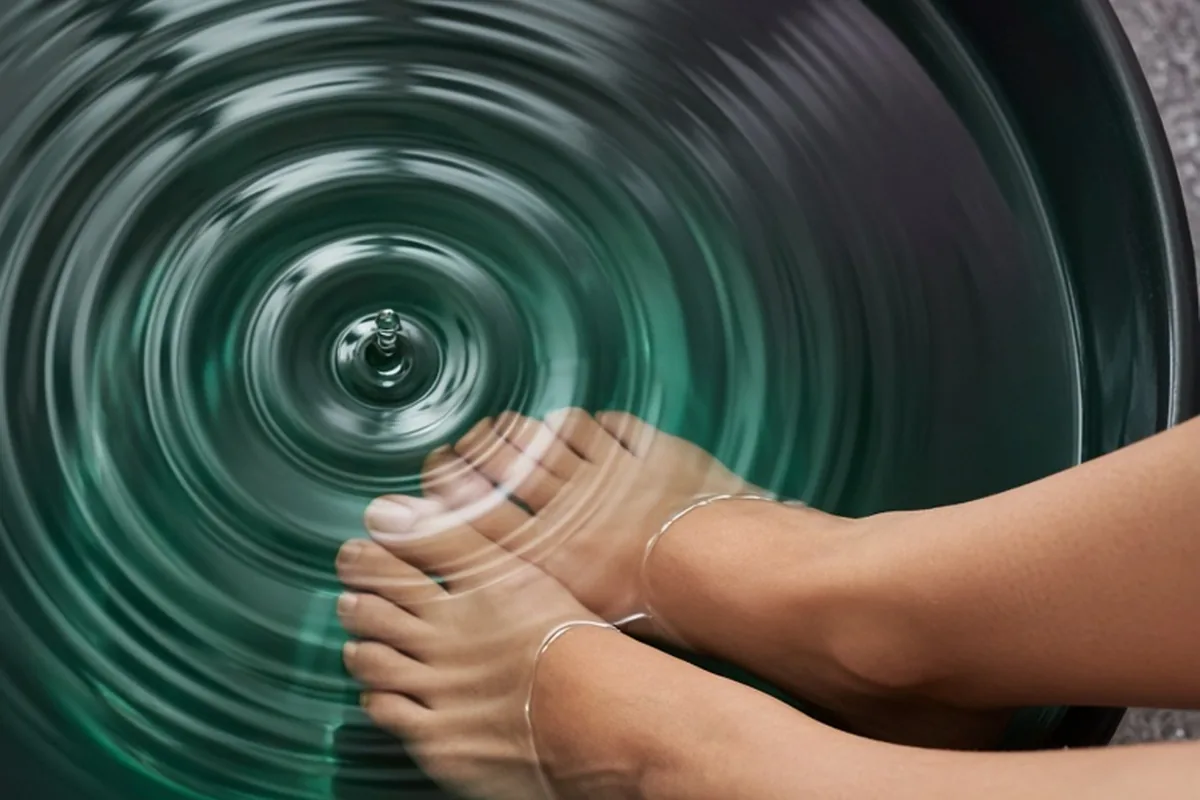
A standard pedicure appointment follows a structured sequence: soaking the feet in warm water, trimming and filing nails, gently tidying cuticles, exfoliating rough skin with a scrub or pumice, massaging the lower legs and feet with moisturizer, and applying base coat, color polish, and topcoat. The entire service generally takes 45 to 60 minutes, leaving nails shaped and skin softened.
Walking into a salon for a pedicure can feel unfamiliar if you do not know the standard workflow or salon etiquette. Understanding the step-by-step sequence gives you the confidence to communicate your preferences, verify proper sanitation, and select the right service upgrades without feeling overwhelmed.
Pre-Appointment Preparation and Salon Safety Checklist
Preparing for a pedicure starts before you sit in the technician's chair. A common misconception is that you must shave your legs immediately before an appointment. In practice, shaving creates microscopic nicks in the skin that can allow bacteria from foot basins or communal environments to enter, increasing the risk of irritation or infection. It is generally safer to avoid shaving your legs for at least twenty-four to forty-eight hours prior to your visit. Wear comfortable pants or leggings that can easily be rolled up past your calves without cutting off circulation or wrinkling excessively.
When you arrive at the salon, observe the overall environment for fundamental hygiene practices. High-quality salons use single-use disposable tub liners or pipe-less foot baths that are thoroughly disinfected between clients with hospital-grade sanitizers. Metal tools such as clippers, pushers, and nippers should emerge from sealed sterilization pouches that have passed through an autoclave, or they should be submerged in active disinfectant solution. Single-use items like wooden orange sticks, nail files, and buffing blocks should be fresh for your service or given to you to take home afterward. If you notice dirty foot basins, unwashed tools, or rushed station turnover, it is entirely reasonable to ask about their sanitation protocol or choose a different facility.
The Foot Soak and Cleansing Phase
Once you are seated in the pedicure chair, the technician starts the session by filling the foot basin with warm water. Many salons add specialty bath salts, gentle bubbling cleansers, or essential oil blends to soften rough skin and provide an initial aromatic benefit. The technician will ask you to test the water temperature with your toes to ensure it is neither uncomfortably scalding nor lukewarm. Always speak up immediately if the water is too hot, as high temperatures can aggravate sensitive skin, eczema, or circulatory conditions.
Your feet remain submerged in the warm bath for roughly five to ten minutes. This soaking window is not merely for comfort; it hydrates thick nail plates and softens tough keratin on the heels and balls of the feet, preparing them for safe trimming and exfoliation. During this time, the technician typically removes any leftover regular nail polish using non-acetone or acetone remover on a cotton pad. If you have existing gel polish, they will wrap the toes in foil and acetone-soaked wraps before or during the soak to lift the product without scraping your natural nail bed.
Nail Trimming, Shaping, and Cuticle Care
After the soak, the technician lifts one foot at a time, dries it with a clean towel, and begins clipping and shaping the toenails. Toenails should be clipped straight across rather than rounded deeply at the edges. Clipping straight across prevents the sharp corners of the nail from growing into the surrounding lateral nail folds, which is the primary cause of painful ingrown toenails. The technician then uses a fine-grit nail file to smooth rough edges and soften sharp corners slightly while preserving the flat, square-to-squoval profile.
Next comes cuticle care, where the technician applies a hydrating cuticle remover liquid to the base of each nail. Using a sterilized metal pusher or disposable wooden stick, they gently push back overgrown eponychium tissue. It is critical to understand the distinction between pushing back dead cuticle tissue and cutting live skin. Aggressive cutting of the proximal nail fold can introduce bacterial or fungal pathogens into the matrix. A cautious technician will only nip away loose, dead hangnails with cuticle nippers. You can always instruct your technician to avoid cutting any skin around your nail perimeter if you prefer a non-invasive approach.
Callus Management and Exfoliation
The bottom of the foot, particularly the heel and outer ball, naturally develops thickened skin from friction, walking, and footwear pressure. In this phase, the technician uses an exfoliating scrub containing sugar, salt, or fine pumice particles to massage the foot and lower calf, buffing away surface dead skin cells. The scrub is rinsed off in the warm water basin, leaving the skin noticeably smoother and receptive to moisturizers.
For thicker calluses, technicians often use a sanitizable foot paddle, pumice stone, or electric foot file to buff down hardened areas. Salons should never use a metal razor blade, often called a Credo blade, to slice off calluses. Slicing live tissue carries a severe risk of deep cuts, scarring, and dangerous infections, and it is prohibited by cosmetology boards in many regions. The goal of salon callus management is gentle reduction and softening, not the total elimination of normal protective skin thickness. If you have severe, painful calluses or corns, medical treatment from a licensed podiatrist is the safest option.
Lower Leg and Foot Massage
The massage is often considered the highlight of a standard pedicure appointment. After exfoliation, the technician applies a rich moisturizing cream, lotion, or body oil to your feet and lower legs up to the knees. They use rhythmic kneading, circular friction, and effleurage strokes to relieve muscle tension in the calves, arches, and toes while restoring deep moisture to dry skin.
Many salons offer upgrades during this stage, such as warm paraffin wax dips, hot stone therapy, or steaming hot towel wraps. A warm towel wrap helps open pores and locks in the emollient properties of the lotion. Communicating your pressure preference is important; let the technician know if you prefer firm pressure or a gentler touch, particularly if you have varicose veins, sensitive pressure points, or joint stiffness in your ankles and toes.
Polish Application and Curing
Before applying nail color, the technician thoroughly wipes the nail plates with rubbing alcohol or acetone to remove all residual oils, lotions, and moisture from the massage. If oil remains on the nail surface, polish will not adhere properly and will chip within a couple of days. Toe separators made of soft foam or twisted paper towels are placed between your toes to prevent wet polish from smudging against neighboring digits.
The polish process follows a precise three-step application standard:
Base Coat: A clear foundational layer applied first to protect the natural nail from pigment staining and provide a tacky surface for the color to bond.
Color Polish: Two thin, even coats of your chosen polish shade, allowing thirty to sixty seconds of drying time between layers to prevent bubbling and streaks.
Topcoat: A glossy or matte protective seal that shields the color from chipping, UV exposure, and daily wear.
If you opt for gel polish, each coat is cured beneath a UV or LED lamp for thirty to sixty seconds, resulting in immediate hardness and zero drying time. For traditional polish, the technician finishes with quick-dry drops or spray to speed up surface hardening.
Drying, Duration, Costs, and Tipping
A classic pedicure generally takes forty-five to sixty minutes from start to finish, while basic express pedicures take thirty minutes and deluxe spa services can extend to seventy-five minutes. If you chose traditional polish, you will move to a drying station with small floor fans for ten to twenty minutes. Traditional polish feels dry to the touch within twenty minutes, but it requires two to three hours to cure completely through all layers. Bringing open-toed flip-flops or sandals is the best way to prevent ruining fresh lacquer when walking out.
Pedicure pricing varies based on location, salon tier, and service scope. A standard basic pedicure typically costs between thirty-five and fifty-five dollars, while specialty gel or deluxe spa treatments range from sixty to ninety dollars. In the United States, customary tipping etiquette for personal nail services is fifteen to twenty percent of the total pre-discount service cost. If your technician went above and beyond, handled difficult cuticle work with exceptional care, or accommodated special comfort requests, a twenty to twenty-five percent gratuity is a standard way to show appreciation.
Post-Pedicure Care and Ongoing Maintenance
Maintaining your pedicure results at home requires simple, consistent habits. Apply a daily foot cream containing ingredients like urea, shea butter, or lactic acid before bed to maintain heel softness and prevent the recurrence of rough, cracked skin. Applying a drop of cuticle oil to the base of each toenail several times a week preserves flexibility and keeps the surrounding skin from peeling or fraying.
Most people schedule pedicures every four to six weeks. Because toenails grow roughly half as fast as fingernails, a quality pedicure can maintain its aesthetic appeal and structural neatness for over a month. Between professional appointments, avoid aggressively picking at chipping polish or using sharp bathroom tools to cut into your cuticles, as this weakens the nail plate and introduces unnecessary irritation.
Frequently asked questions
Should I cut my toenails before going to a pedicure?
No, it is best to leave your toenails untrimmed before your appointment. The technician has professional clippers and files designed to cut them straight across and shape them evenly, which minimizes the risk of ingrown edges.
What is the difference between a regular pedicure and a spa pedicure?
A regular pedicure focuses on fundamental nail shaping, cuticle cleanup, light scrub exfoliation, basic massage, and polish. A spa pedicure includes extended massage time, customized masks, hot towel wraps, paraffin wax, or specialized skin treatments for deeper hydration.
Is it safe to get a pedicure if I have a foot fungus or open blister?
Salons should not perform services on open wounds, active infections, or untreated fungal conditions to prevent spreading pathogens. If you have an active blister or nail fungus, allow it to heal or consult a medical professional before booking a cosmetic pedicure.
Your next step
For your next pedicure appointment, bring a pair of open-toed sandals and confirm that the salon uses sterilized tools and tub liners for a relaxing, hygienic experience.