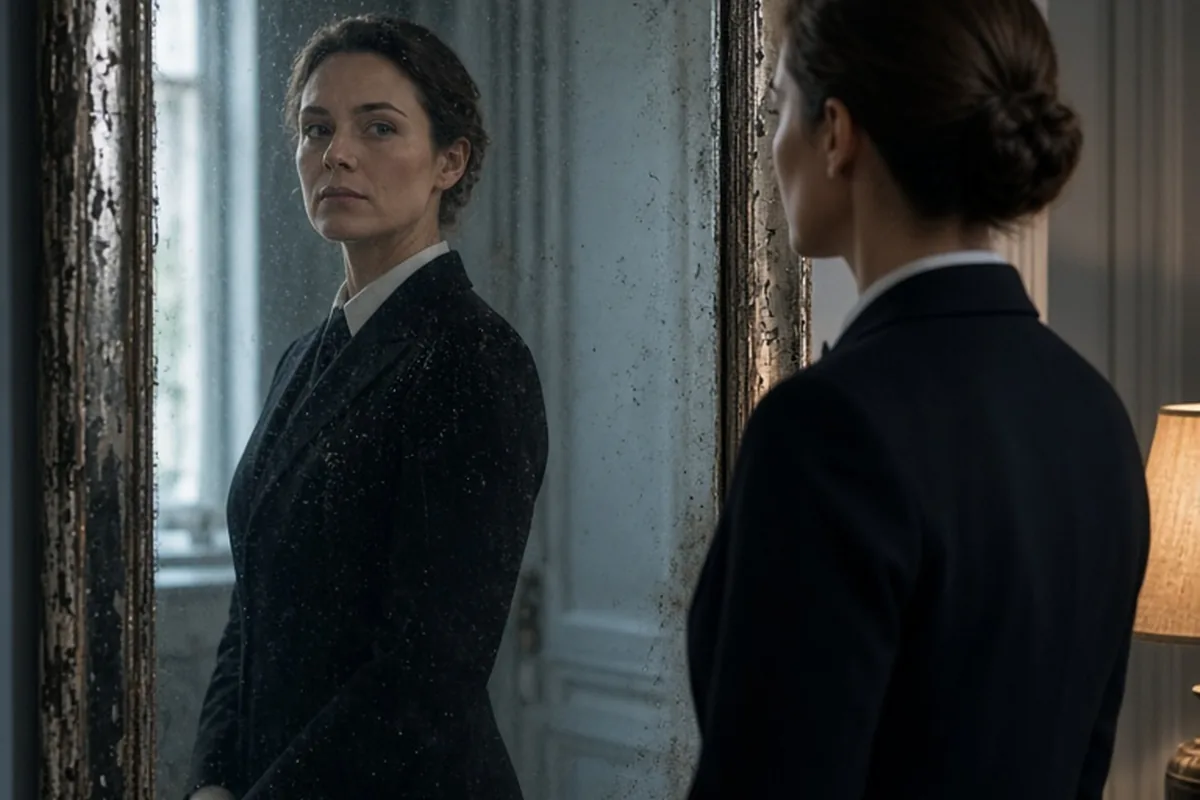
A female butler is most commonly and professionally called a butler. While historical English households previously used specialized titles such as head parlor maid or housekeeper for distinct female responsibilities, modern private service treats the title of butler as completely gender-neutral. In high-end estate management and luxury hospitality, female professionals holding this role are referred to as butlers, household managers, or majordomos.
Navigating traditional domestic service terminology can feel confusing because historical European estates maintained strict, gender-divided hierarchies that rarely align with contemporary professional practices. Understanding the correct terminology clarifies role expectations, workplace respect, and modern staffing structures.
The Modern Industry Standard: Why Butler Is Gender-Neutral
In contemporary private estates, luxury hotels, and diplomatic residences, the term butler applies equally to all genders. Professional training academies, international butler guilds, and private staffing agencies have standardized the title to reflect a specialized set of executive management and service skills rather than an archaic social identity. While historical linguistic conventions often attempted to feminize occupational nouns by appending suffixes, professional private service has firmly moved away from gendered variants.
Attempting to invent or use terms like butleress or female butler in formal communication is generally considered outdated and unprofessional. High-net-worth employers and staffing coordinators refer to candidates simply as butlers or private service professionals. This shift aligns private service with broader professional standards in professions like actor, pilot, or doctor, where qualifications and responsibilities define the title rather than the individual gender of the practitioner.
Using the neutral term ensures that performance evaluations, wage parity, and job descriptions remain focused on operational excellence. A modern butler oversees fine dining service, cellar management, formal wardrobe care, travel logistics, and vendor coordination, regardless of background or gender.
Historical Precedents: Housekeepers, Parlor Maids, and Majordomas
To understand why modern terminology favors the standard title, it helps to look at the rigid division of labor that characterized eighteenth- and nineteenth-century European estates. In historical British country homes, the male butler traditionally managed the dining room, wine cellar, silver vault, and male footmen, while the female housekeeper directed the female domestic staff, household linens, and overall cleanliness. Because these tracks were parallel rather than interchangeable, a woman rarely carried the title of butler because her formal authority was channeled through the rank of housekeeper.
In some Continental European traditions, particularly within Spanish and Italian aristocratic households, the feminine noun majordoma occasionally appeared to designate a woman supervising residential operations or convent administration. Similarly, Victorian literature occasionally used butleress as a colloquial descriptor, though it was rarely an official employment designation in formal domestic ledgers.
The historical distinction between housekeepers and butlers sometimes creates confusion today. While an executive housekeeper in a modern residence focuses primarily on custodial management, deep cleaning schedules, and fabric care, a butler focuses primarily on direct principal service, guest hospitality, and administrative coordination. The distinction today rests purely on the scope of duties, not the gender of the employee.
Contemporary Related Titles in Private Estate Management
Depending on the scale of an estate and the specific needs of a family, employers frequently use alternative professional titles that encompass traditional butler duties while reflecting broader administrative mandates. The most common alternative is household manager or estate manager. These titles emphasize organizational leadership, financial budgeting, staff supervision, and vendor contract negotiations alongside traditional hospitality support.
In boutique hospitality and superyacht settings, professionals performing butler functions may also be called lifestyle managers, residential concierges, or chief stewardesses. While a chief stewardess on a private yacht manages interior operations and fine dining in a manner nearly identical to an estate butler, the maritime industry retains its own established nautical rank conventions.
When hiring or seeking employment, understanding these adjacent titles is essential. A candidate trained in classical butlering may accept a position titled Director of Properties or Estate Manager if the role includes overseeing multiple properties, managing significant operating budgets, and supervising extensive residential teams.
Professional Training, Guild Standards, and Accreditation
Prominent professional institutions, such as international butler academies across the United Kingdom, the Netherlands, and North America, train and certify women under the unified designation of professional butler. Curricula across these institutions emphasize formal dining etiquette, silver and crystal restoration, international protocol, secure packing, event management, and administrative technology.
Graduates receive identical credentials and are registered in international guild directories under the standard title. Guild leaders and staffing specialists emphasize that operational mastery, discretion, emotional intelligence, and organizational agility are the true hallmarks of professional excellence. Standards of dress, posture, and protocol are taught with gender-tailored formal attire options, while maintaining identical operational expectations.
A practical consideration for those entering the field is ensuring that certifications come from recognized professional training bodies. Legitimate academies focus on practical competencies, household finance, and modern security protocols rather than outdated social etiquette, giving all graduates a clear path into high-level residential service.
The Growing Demand for Female Butlers in Private Households
Demand for qualified female butlers has grown significantly in recent decades across global private markets. In regions such as the Middle East, private residences frequently operate with culturally specific privacy customs or gender-separated living quarters, creating a strong institutional preference for female butlers who can navigate private family areas with complete cultural propriety.
Additionally, many female principals and high-profile executives worldwide actively seek female butlers for personal wardrobe curation, luxury garment maintenance, and closer day-to-day personal assistance. The ability to manage delicate couture, coordinate specialized beauty and wellness schedules, and provide discreet, unobtrusive service makes versatile female butlers highly sought after by modern private clients.
However, candidates and employers should be aware of potential role compression in smaller households. In some smaller estates, employers may blur the lines between a butler, a personal assistant, and a nanny. Professional female butlers maintain clear boundaries by establishing explicit job descriptions that preserve their core hospitality and management focus.
Etiquette, Direct Address, and Professional Communication
Addressing a butler correctly depends on the level of formality established by the household principal. In traditional ultra-formal settings, a butler of any gender is addressed by their surname alone, or occasionally by Mr. or Ms. followed by the surname. In many contemporary American and European households, principals prefer first-name address while maintaining a polite, professional boundary.
When introducing staff to household guests or external contractors, principals typically use the person's name accompanied by their functional title, such as 'This is Sarah, our butler' or 'This is our estate manager, Ms. Reynolds.' Introducing a professional with awkward diminutive terms or gendered modifications diminishes the professional authority required to manage the household effectively.
Written correspondence, internal household schedules, and operational manuals should likewise reflect standardized professional titles. Consistency in communication reinforces respect among household staff, outside contractors, and visiting dignitaries alike.
Job Descriptions, Contracts, and Career Pathways
For private service professionals drafting a resume or principals constructing a formal job listing, precise terminology directly impacts candidate matching and legal compliance. Employment contracts should outline specific duties such as inventory control, table service, contractor oversight, and vehicle fleet management rather than relying solely on a brief job title.
A well-structured butler agreement clearly delineates working hours, off-duty expectations, travel responsibilities, and non-disclosure obligations. Because private service often involves long hours and irregular schedules during family events or travel, transparent contractual terms protect both the household's privacy and the employee's well-being.
Aspiring professionals can advance from entry-level roles such as junior footman, hospitality server, or personal assistant to full butler status through structured guild training and verified estate references. The career pathway offers strong compensation and international mobility for dedicated practitioners who cultivate discretion and organizational precision.
Frequently asked questions
Is butleress ever an acceptable term to use today?
No, butleress is considered obsolete and is not used in modern private service or luxury hospitality. Professional staffing agencies, household employers, and industry training academies use the gender-neutral term butler for all professionals.
What is the difference between a female butler and a housekeeper?
A butler focuses primarily on front-of-house hospitality, table service, guest greeting, wine service, and direct principal assistance. A housekeeper focuses on cleaning, laundry, linen maintenance, and back-of-house sanitation. Both roles are distinct professions defined by specific operational duties rather than gender.
What formal attire does a female butler wear?
A female butler typically wears a tailored dark suit, formal trouser or skirt combination, a crisp collared shirt, and polished flat or low-heeled formal shoes. During white-tie or black-tie formal dining events, attire may include a specialized tailcoat or formal waistcoat designed for female service professionals.
How do international protocols affect the title of a female butler?
Diplomatic residences and international royal households recognize the title butler regardless of nationality or gender. In multilingual environments, the title may be translated into regional equivalents like majordomo or intendant, which also represent high-level household management.
Your next step
If you are drafting a job listing, addressing household staff, or pursuing private service training, use the standard, gender-neutral title of butler or household manager to ensure professional clarity and mutual respect.