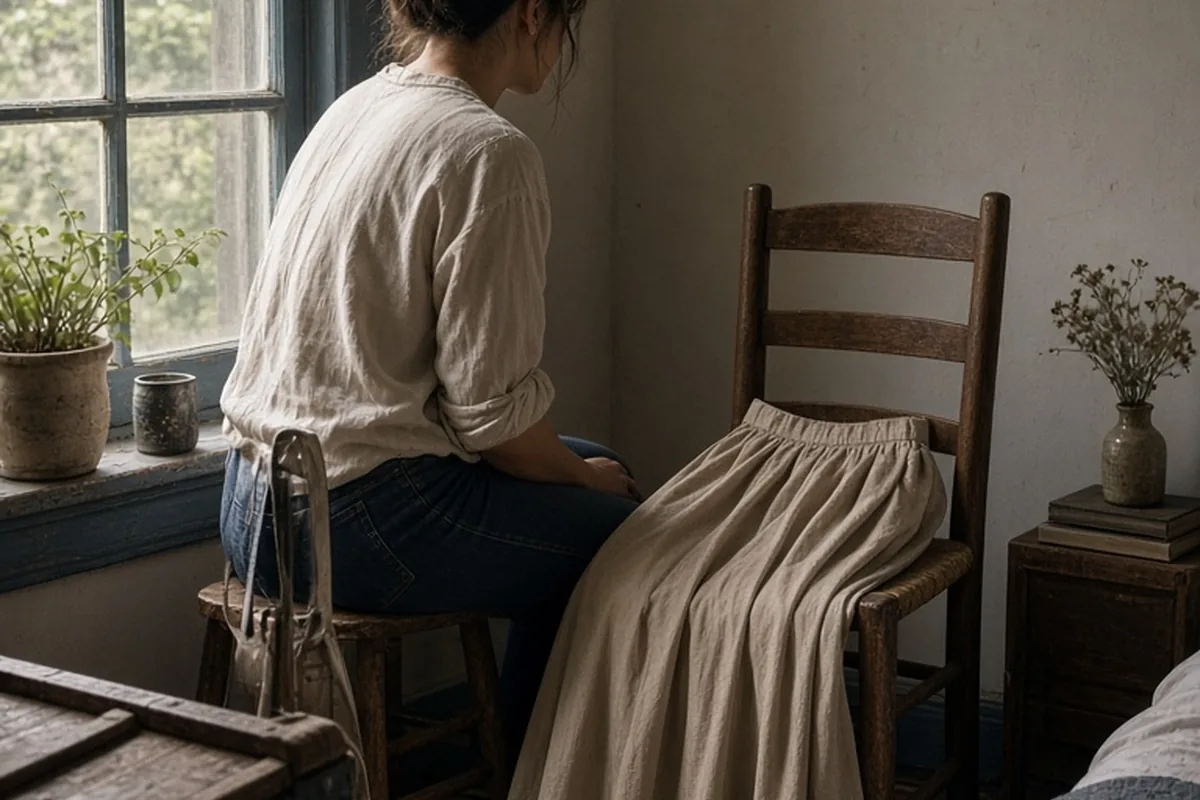
Several religious traditions observe dress codes where women wear skirts or dresses rather than pants. The most prominent groups include Apostolic and Oneness Pentecostals, Independent Fundamental Baptists, traditional Anabaptists like the Old Order Amish and conservative Mennonites, and Haredi or Hasidic Orthodox Jewish communities. These practices typically stem from interpretations of scriptural passages regarding gender distinction, holiness, and modesty, though enforcement and individual observance vary widely across congregations and families.
Questions about religious clothing guidelines often arise when encountering unfamiliar faith traditions, attending life events across different cultures, or evaluating personal spiritual practices. Exploring why certain groups follow skirt-only standards clarifies the theological and social values behind their daily lifestyle choices.
Apostolic and Holiness Pentecostal Traditions
Within Apostolic Pentecostalism, particularly churches associated with the United Pentecostal Church International (UPCI) and various independent Holiness groups, women practice what is termed outward holiness. This theological framework teaches that internal devotion to God should naturally reflect in external presentation. As a core aspect of this doctrine, women wear skirts and dresses that extend below the knee rather than slacks, jeans, or shorts. The standard is typically accompanied by guidelines against cutting hair, wearing noticeable cosmetics, and wearing decorative jewelry, creating a distinct visual identity centered on simplicity and consecration.
The primary scriptural justification in Apostolic circles draws from Deuteronomy 22:5, which states that a woman shall not wear that which pertains to a man. In this tradition, pants are historically and culturally categorized as masculine garments. Even though modern culture views trousers as unisex, Apostolic leadership emphasizes maintaining an unmistakable visible separation between male and female attire in every setting, from church gatherings to athletics and casual errands. While these guidelines foster a strong sense of shared belonging among members, they can present practical challenges when finding appropriate activewear, navigating certain workplace uniforms, or managing social interactions outside the faith community.
Conservative Anabaptist Communities: Amish, Mennonites, and Hutterites
Traditional Anabaptist movements, including the Old Order Amish, conservative Mennonites, and the Brethren, maintain strict standards of dress rooted in the principle of non-conformity to the world. Based on New Testament passages such as Romans 12:2, these communities seek to resist secular trends, consumerism, and vanity by adopting plain dress. For women, this almost universally means wearing modest, solid-colored dresses or skirts often paired with aprons, capes to obscure the bustline, and prayer coverings on their heads. Pants are not considered compatible with the community's vision of feminine humility and separation from worldly fads.
Dress in conservative Anabaptist groups is deeply tied to communal cohesion and humility rather than individual fashion preferences. The specific cut, color, fabric pattern, and fastening method of a dress often identify an individual's specific congregation and degree of conservatism. For example, Old Order groups may prohibit zippers and buttons in favor of straight pins or hook-and-eye closures, whereas more progressive Mennonite branches might allow manufactured skirts or modest everyday culottes for recreation. The trade-off in these communities is clear: individual stylistic freedom is surrendered to preserve communal harmony, equality, and protection from commercial culture.
Traditional and Independent Fundamental Baptist Churches
Independent Fundamental Baptist (IFB) churches and similar conservative evangelical congregations frequently teach that women should wear skirts and dresses exclusively, or at least during all church services, ministry activities, and church-affiliated school functions. Because IFB churches operate autonomously without a centralized governing denomination, exact dress codes are determined by individual pastoral leadership and congregational bylaws. In strict IFB settings, the pulpit regularly reinforces the idea that dresses represent biblically mandated femininity, order, and modesty.
The distinction between men and women is viewed in Fundamental Baptist theology as a fundamental creation principle designed by God. Pants on women are often discouraged because they are seen as blurring created gender roles or drawing attention to the contours of the lower body. In practical application, families attending these churches often dress girls and women in denim or casual skirts for daily life, school, and sports, while reserving more formal skirts for Sunday worship. When women from these backgrounds enter secular workplaces or public schools, they may balance institutional expectations by wearing long skirts, culottes, or specialized uniform accommodations.
Orthodox Judaism and the Practice of Tzniut
In Orthodox Judaism, particularly within Haredi, Hasidic, and Yeshivish communities, women adhere to traditional codes of modesty known collectively as tzniut. According to traditional interpretations of Halakha (Jewish law), women wear skirts that fall below the knees rather than trousers. This standard is based on two primary considerations: maintaining physical modesty by not accentuating the division of the legs, and adhering to the prohibition against wearing garments historically designated for men (known in Hebrew as lo silbash).
While skirts are the standard across traditional Orthodox groups, the specific expression of tzniut varies depending on the subculture. Hasidic women typically wear dark, opaque tights, modest long-sleeved dresses with high necklines, and head coverings such as wigs or scarves if married. In contrast, Modern Orthodox women may interpret tzniut with greater flexibility, often wearing skirts of varying lengths and styles, and in some circles, loose-fitting slacks or pantsuits are considered acceptable for certain daily or professional activities. For many Jewish women, observing tzniut is seen not as a restriction, but as a deliberate way to prioritize inner character and dignity over superficial physical appearance.
Other Global Religious Movements with Skirt Standards
Beyond the most widely recognized North American and European traditions, several other religious bodies maintain skirt-only policies or strong cultural preferences for dresses. Groups such as the Plymouth Brethren (particularly the Exclusive Brethren), the Christadelphians, and various independent Bible churches emphasize traditional gender distinctiveness through clothing. In these assemblies, women wear skirts or dresses during weekly remembrance meetings and fellowship meals, with many adherents continuing the habit in their daily secular lives.
In traditional Islamic communities, the concept of modesty (haya) and the guidelines for hijab require women to conceal the shape of their bodies in public. While trousers are not inherently forbidden in all Islamic jurisprudence, tight-fitting pants on their own are widely considered inappropriate. Instead, many Muslim women wear loose-fitting dresses (abayas), long tunics over trousers (salwar kameez), or wide-legged pants paired with long coats (jilbabs). The common thread across these diverse global traditions is not necessarily an aversion to fabric over legs, but a shared theological conviction that women's garments should remain loose, modest, and distinctly feminine.
Theological and Scriptural Foundations for Dress Codes
The underlying rationale for skirt-only practices across distinct faiths typically rests on three shared theological pillars: gender distinction, modest character, and holiness. The Old Testament verse Deuteronomy 22:5 is central to many Christian and Jewish interpretations, functioning as a safeguard against gender ambiguity. Believers within these traditions view clear distinctions in apparel as an act of obedience to divine order, ensuring that societal changes in fashion do not dilute what they see as timeless biblical gender definitions.
A second major pillar involves teachings on modesty, such as those found in 1 Timothy 2:9-10 and 1 Peter 3:3-4, which urge believers to focus on good works and a gentle spirit rather than extravagant adornment. However, theological interpretations differ dramatically across mainstream religion. Mainstream Protestant, Catholic, and progressive Jewish scholars frequently point out that garments in biblical times were flowing robes for both men and women, arguing that modern trousers for women are culturally normative, inherently modest, and fully compatible with faith. Understanding these differing interpretive lenses helps explain why two devout individuals can read the same scripture and arrive at completely different wardrobe standards.
Practical Etiquette When Visiting Strict Religious Settings
If you are invited to attend a religious service, wedding, funeral, or community event hosted by a group that practices skirt-only standards, thoughtful preparation helps prevent discomfort. Visitors are rarely expected to adopt every communal custom, but dressing in a way that honors the sanctity of the host's space is a universal mark of courtesy. Selecting a modest dress or a skirt that reaches comfortably past the knee, paired with a top that covers the shoulders and neckline, is usually the safest approach for women attending these events.
When in doubt, checking with the host family or reading the venue's guest guidelines beforehand provides clarity. For instance, attending an Orthodox Jewish synagogue or an Amish gathering may involve specific expectations regarding head coverings and sleeve lengths in addition to skirts. If you prefer to wear dress slacks due to mobility needs, weather, or personal convictions, choosing a formal, loose-fitting tailored pant suit remains respectful in moderate settings, though opting for a long skirt avoids drawing unintended attention in strictly traditional environments.
Navigating Personal Identity and Wardrobe Choices
Individuals who grow up in skirt-only traditions and later choose to adjust their wardrobe—or those who decide to adopt skirt-only practices as a personal spiritual choice—often navigate complex emotional and social dynamics. Clothing serves as a visible marker of community belonging. Changing how you dress can sometimes cause misunderstandings with family members or church peers who equate specific dress codes with moral integrity or spiritual devotion.
Establishing clear, compassionate boundaries is key when navigating these transitions. If you are adopting skirts out of personal conviction, communicating your choice as a meaningful spiritual step rather than a judgment of others helps preserve relationships. Conversely, if you are transitioning toward wearing pants after leaving a restrictive tradition, give yourself permission to process the change at your own pace. Seeking supportive communities that value individual autonomy and spiritual sincerity over outward conformity provides a healthy environment for personal growth.
Frequently asked questions
Do all Pentecostal and Baptist churches prohibit women from wearing pants?
No. The skirt-only standard is primarily upheld by conservative branches such as Apostolic or Oneness Pentecostals and Independent Fundamental Baptists. Mainstream denominations like the Assemblies of God or Southern Baptist churches generally leave wardrobe choices to individual discretion.
Can women in skirt-only religions wear pants for sports or sleeping?
Observance varies by specific group and individual family rules. While some conservative believers wear loose pants, sweatpants, or pajamas in the privacy of their homes, many strict adherents wear athletic skirts, culottes, or modest nightgowns even for recreation and sleep.
Is it offensive to wear pants as a guest to a conservative church service?
Most communities welcome visitors warmly and do not expect guests to conform immediately to their internal dress codes. However, choosing a modest skirt or dress shows cultural sensitivity and helps you blend in comfortably with the congregation.
What is the difference between modesty rules in Orthodox Judaism and Christianity?
Orthodox Judaism grounds its dress codes in Halakha and the concept of tzniut, which specifically mandates skirts below the knee to avoid defining the thighs and hips. Christian groups like Apostolic Pentecostals and Fundamental Baptists focus primarily on gender distinction based on Deuteronomy 22:5 and New Testament guidelines on simplicity.
Your next step
If you are preparing to visit a conservative faith community or evaluating your own clothing boundaries, review the specific group's modesty expectations in advance to choose attire that feels both respectful and comfortable.