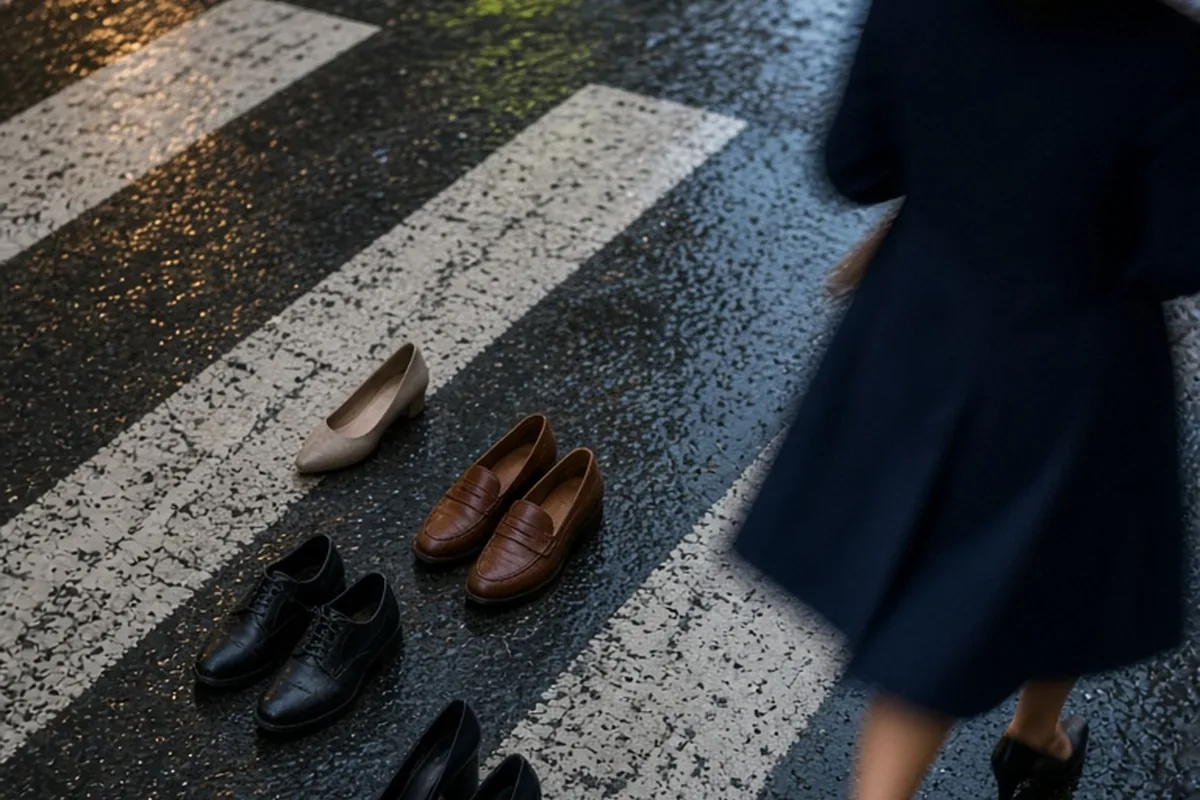
For most professional job interviews, women should choose closed-toe shoes in neutral colors like black, navy, taupe, or dark brown. Traditional options include low-to-mid block heels, classic pumps under three inches, structured loafers, or pointed-toe leather flats. The footwear should match the employer's dress code, fit securely without slipping or pinching, and appear clean and polished to present a neat, intentional impression.
Footwear often serves as the anchor of an interview outfit, quietly framing how prepared, confident, and attuned to company culture you appear before you speak.
Aligning Footwear with Workplace Dress Codes
The first step in deciding which interview shoes to wear is identifying the formality level of the organization. Conservative industries such as corporate law, investment banking, executive leadership, and government agencies typically adhere to formal business attire. In these settings, traditional footwear remains standard: simple closed-toe leather pumps with a modest heel or sleek, structured dress flats in neutral tones. Choosing conservative footwear in these environments signals respect for longstanding institutional standards and keeps the interviewer focused entirely on your qualifications.
Conversely, tech startups, creative agencies, non-profit organizations, and modern retail environments often operate under smart casual or business casual expectations. While extreme formality might feel out of place in such offices, interview attire should still land one step above daily employee dress. High-quality tailored loafers, elegant ankle boots, modern oxfords, or understated slingbacks work well. Even in relaxed workplace cultures, avoiding overly casual items like flip-flops, athletic sneakers, or distressed sandals demonstrates that you treat the meeting as a deliberate professional engagement.
Flats and Loafers for Polished Comfort
Heels are never mandatory for a professional job interview. Many women prefer the physical stability and grounded comfort of flat shoes, especially when facing walking tours of large campuses or navigating multiple flights of stairs. The key to making flat footwear look interview-ready lies in structure, material, and toe shape. A pointed or almond toe creates a clean, elongated visual line similar to a pump, elevating the overall appearance of tailored trousers, midi skirts, or sheath dresses.
Leather or high-grade suede loafers—such as horsebit, penny, or streamlined almond-toe varieties—offer an authoritative, timeless look that balances structure and ease. When styling flats, ensure the hem of your pants is tailored specifically for a low shoe so the fabric does not drag or bunch awkwardly around the ankles. While flats eliminate heel fatigue, they must still provide adequate internal arch support and a snug heel cup to prevent painful friction blisters during a long interview day.
Heels and Pumps: Height, Shape, and Stability
If you prefer wearing heels, selecting the right height and heel architecture makes a significant difference in both presentation and composure. For interviews, heel heights between one-and-a-half and two-and-a-half inches represent a versatile sweet spot. Classic round-toe, almond-toe, or pointed closed-toe pumps in smooth leather or matte finishes integrate smoothly with suiting, dresses, and separates without calling undue attention to themselves.
Block heels and sturdy kitten heels provide a stable alternative to slender stilettos. A wider heel base distributes body weight more evenly across the foot, reducing wobbling, joint strain, and the risk of heel-locking on tile floors or uneven outdoor walkways. If you choose heels, test them across varied flooring—such as slick marble, thick carpet, and concrete—to ensure you can walk at a brisk, natural pace without altering your posture or balancing precariously.
Tailored Lace-Ups and Professional Boots
Beyond classic pumps and flats, tailored lace-up shoes such as oxfords, monk straps, and derbies provide a sharp, contemporary aesthetic. These styles work exceptionally well with cropped ankle trousers, wide-leg tailored pants, and structured suiting. Selecting a pair in polished black, burgundy, or rich cognac leather adds an intentional, menswear-inspired sophistication that conveys meticulous attention to detail while offering full-foot coverage and reliable foot support.
Ankle boots and dress booties can also serve as appropriate interview footwear during cooler months or in business casual settings. To keep the look professional, choose ankle boots with a sleek shaft that fits neatly under trouser legs or aligns smoothly with opaque tights under a skirt. Opt for clean lines, minimal external hardware, and modest block or stacked heels. Chunky combat boots, lug-sole platforms, and slouchy casual boots are best reserved for personal wear.
Materials, Colors, and Maintenance Details
The condition of your footwear often speaks louder than the brand or price tag. Premium natural leather, refined faux leather, and clean suede present a neat, durable finish suitable for formal meetings. Before the interview, inspect your shoes for scuff marks, worn-down heel taps, frayed stitching, or salt stains from winter roads. Buffing leather with a matching cream polish or using a suede brush revitalizes older pairs, signaling thorough personal preparation.
Color choice should generally harmonize with the rest of your outfit rather than compete with it. Core neutral shades—including black, deep navy, rich brown, warm taupe, charcoal gray, and muted burgundy—pair effortlessly with standard interview palettes. If your clothing consists of simple monochrome tones, a quiet pop of color like a deep forest green or subtle oxblood shoe can add personality, provided the silhouette remains conservative and the material is well-kept.
Commute Logistics and Weather Planning
Commuting in adverse weather or navigating urban public transit requires a practical footwear strategy to avoid arriving with damp, scuffed, or uncomfortable shoes. Rather than walking miles in delicate interview heels or fine leather flats through rain, snow, or heat, plan a transition strategy. Wear durable walking shoes or weatherproof rain boots for the journey, carrying your interview pair securely inside a structured tote bag or professional brief.
Build an extra ten to fifteen minutes into your arrival schedule to visit the building restroom or lobby seating area before checking in with the receptionist. Use this window to switch into your interview shoes, check for any trouser dust, adjust your hosiery or socks, and ensure you feel calm and collected. If bad weather is unavoidable and you must wear your interview shoes throughout the trip, consider applying a water-repellent protective spray beforehand to prevent moisture damage.
Footwear Mistakes and Styles to Avoid
Knowing what styles to leave at home is just as vital as picking the right shoe. Open-toed shoes, strappy party sandals, and backless slides generally do not align with professional interview decorum in most regions and industries. Even in summer, open toes can appear overly casual and may violate workplace safety or dress policies in technical, laboratory, or healthcare environments.
Extremely high stilettos over three and a half inches, towering platform soles, bright neon finishes, heavy glitter, and athletic sneakers should also be avoided unless the interview specifically calls for creative or athletic performance evaluation. Additionally, avoid wearing brand-new shoes right out of the box without breaking them in first. New stiff materials can pinch heels and toes, distracting you during critical conversational moments with painful hot spots.
Frequently asked questions
Can I wear open-toe shoes or dress sandals to an interview?
In most traditional, corporate, and technical industries, open-toe footwear is considered too informal for an interview. Closed-toe shoes remain the safest, most widely accepted standard across all professional sectors.
Are clean white sneakers acceptable for a creative or tech interview?
While casual sneakers may be everyday office wear at some tech firms or creative agencies, they are generally risky for a first interview. Elevated alternatives like tailored leather loafers or minimalist dress flats show respect for the process while fitting a modern vibe.
Should I wear tights or socks with my interview shoes?
In traditional corporate settings or colder weather, pairing closed-toe pumps or skirts with sheer or opaque neutral tights is standard practice. For trousers paired with loafers or flats, wear no-show liner socks or dress socks that match your pant hem.
How can I prevent foot pain if my interview includes a long office tour?
Choose supportive pointed flats, structured loafers, or low block heels under two inches, and insert cushioned gel insoles for extra arch and ball-of-foot support. Always break your shoes in around the house before interview day to soften any stiff pressure points.
Your next step
Inspect your chosen interview shoes several days in advance, break them in with short indoor walks, and pack a commute-friendly backup pair so you arrive focused entirely on your conversation.