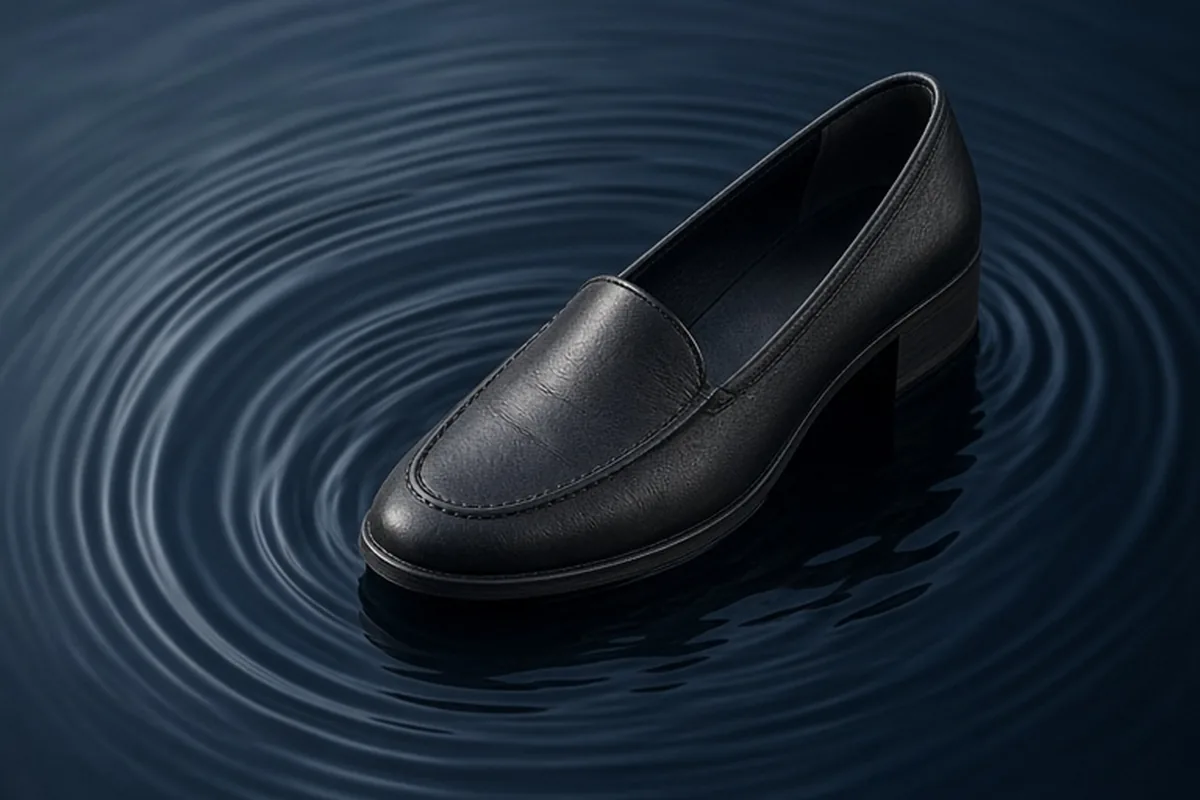
Women should wear closed-toe, low-heeled, or flat professional shoes to court, such as classic leather loafers, tailored ballet flats, conservative block heels under two inches, or sleek dress ankle boots. Choose understated neutral tones like black, navy, charcoal, taupe, or dark brown. Ensure your footwear is clean, polished, quiet on hard flooring, and comfortable enough for long periods of standing, walking, and waiting.
Entering a courthouse can feel intimidating, whether you are reporting for jury selection, appearing as a witness, handling personal civil proceedings, or supporting a family member. Dressing in accordance with judicial expectations shows respect for the proceedings and helps you navigate long security checkpoints, echoing corridors, and hours of sitting with ease.
The Core Standard: Appropriate Footwear Styles for Court
When selecting footwear for a court appearance, traditional business or business-casual standards serve as your most reliable guide. The primary objective is to present an appearance that is modest, respectful, and free from distractions. Closed-toe flats made from structured leather, suede, or high-quality faux leather are an outstanding baseline choice. Pointed-toe or almond-toe loafers, tailored driving moccasins, and minimalist ballet flats provide a polished silhouette that pairs seamlessly with tailored trousers, dress slacks, or a modest knee-length skirt. These styles keep you firmly grounded while conveying a serious, prepared attitude.
If you prefer a shoe with elevation, low block heels or kitten heels measuring between one and two inches are widely accepted across federal, state, and municipal courts. Sturdy block heels are generally preferable to slim heels because they offer stability when navigating courthouse stairwells and polished stone floors. Classic pumps in solid leather or matte synthetic finishes look sharp and understated. When evaluating heel height, keep comfort and mobility top of mind; court dockets are frequently delayed, which means you may spend hours standing in lines, walking across large complexes, or sitting in cramped gallery benches.
Ankle boots, often referred to as booties, can also function well in a courtroom setting, particularly during cooler seasons. To ensure they remain within formal decorum, select dress boots that feature a clean, streamlined profile, a rounded or tapered toe, and minimal decorative hardware. Pair these boots under wide-leg or straight-leg trousers so that only the refined toe and low heel are visible. Avoid boots with excessive buckles, heavy lug soles, visible shearling, or slouchy silhouettes, as these elements shift the outfit into casual weekend territory.
Footwear Styles to Avoid in Courtroom Settings
Courthouses maintain strict decorum policies enforced by presiding judges, bailiffs, and security marshals. Casual, athletic, or overtly glamorous footwear can lead to being reprimanded, asked to change, or even barred from entering the courtroom. High on the list of prohibited or strongly discouraged styles are open-toed shoes, including casual slide sandals, strappy high-heeled evening sandals, and flip-flops. Even in warm weather, exposed toes are widely viewed as informal and out of place in a formal legal environment.
Athletic footwear, including bright running sneakers, high-tops, canvas skate shoes, and gym trainers, should also be avoided whenever possible. While some courthouses may permit plain, clean, dark leather sneakers for spectators or jury pool members during informal proceedings, wearing athletic shoes as a named litigant or witness can unintentionally signal indifference to the court. Additionally, work boots with heavy steel toes, distressed combat boots, and dirty canvas slip-ons detract from a respectful presentation.
You should also avoid statement footwear characterized by sky-high stilettos, tall platforms, loud animal prints, metallic sequins, or bright neon shades. Footwear designed for nightclubs or formal gala evenings draws unnecessary attention and compromises your ability to walk quietly and confidently. The courtroom is an environment where neutral, functional, and conservative clothing choices allow the facts of the legal matter to remain the central focus.
Managing Courthouse Logistics: Acoustics, Security, and Comfort
Courthouse architecture typically features expansive stone, marble, terrazzo, or tile flooring. These hard surfaces dramatically amplify sound, turning everyday footsteps into loud disruptions. Shoes fitted with hard metal heel taps or stiff plastic soles can create sharp, echoing clicks with every step, which can be distracting during ongoing hearings or silent proceedings. Before your court date, test your shoes on a hard tile or hardwood floor at home. If they produce an audible tap, consider taking them to a local cobbler for rubber heel caps or adding adhesive non-slip rubber pads to the soles.
Navigating security screening is another critical logistical factor. Almost every courthouse requires visitors to pass through magnetometers or full-body scanners at the entrance. Depending on local protocol, you may be instructed to remove your shoes for X-ray inspection. Choosing footwear that slips on and off easily, or has simple fastenings rather than complicated laces or multiple buckles, helps you move through security lines smoothly without holding up others or struggling on the floor.
Physical comfort is equally paramount. Legal proceedings rarely adhere to strict timelines, meaning you may encounter long periods of waiting in assembly rooms, standing outside closed courtrooms, or walking across multi-building civic centers. Shoes that pinch the toes, rub against the heel, or lack arch support will quickly lead to fatigue and physical distraction. Prioritizing broken-in footwear ensures that your mind remains clear and focused on the legal matter at hand rather than aching feet.
Color Palettes, Materials, and Professional Finishes
The visual tone of your shoes should harmonize with standard business attire. Neutral colors remain the gold standard for court appearances. Solid black, deep navy, slate gray, dark brown, and warm taupe are universally appropriate options that blend effortlessly with suits, dress pants, and dark skirts. Muted tones such as deep burgundy or olive can work if the shoe design is simple, but bright primary colors, pastel shades, and vibrant multi-colored patterns should generally be reserved for other occasions.
Material selection contributes significantly to the formality and cleanliness of your overall outfit. Smooth matte leather, polished faux leather, and clean suede offer a structured, refined finish. Patent leather can be worn if the shoe design is simple, such as a traditional low pump, but highly reflective or glossy finishes can occasionally read as flashy. Avoid fabrics that fray easily, distressed materials, raw denim, mesh, or shoes with worn, peeling synthetic coatings.
Before setting foot in the courthouse, take a few minutes to inspect and refresh the condition of your shoes. A quick wipe-down with a damp cloth or leather conditioner removes dust, road salt, and mud splatters. Buffing out visible scuffs on the toe box or heels demonstrates attention to detail and personal pride. A clean, well-maintained pair of budget-friendly flats will always look more professional than an expensive designer shoe covered in dirt or neglected wear.
Adapting Footwear to Bad Weather and Commutes
Inclement weather introduces practical challenges when heading to court. Rain, slush, ice, and snow can quickly ruin delicate leather or suede shoes, and walking on slick sidewalks in smooth-soled dress shoes poses a safety hazard. If you must commute during bad weather, consider wearing practical, waterproof winter boots or rain shoes during your transit, carrying your professional court shoes in a structured tote bag or briefcase.
Once you clear the security checkpoint and arrive at the courthouse restrooms or public waiting areas, you can swap your commuter boots for your clean dress flats or low heels. Store your wet boots inside an opaque, waterproof bag inside your tote so they remain neat and unobtrusive. If bringing an extra pair of shoes is not feasible, opt for a dark, weather-resistant leather dress boot with subtle rubber traction that fits neatly under long trousers, keeping your feet dry while maintaining an acceptable appearance in the courtroom.
Aligning Shoes with Your Specific Role in the Courtroom
Your specific role in the proceeding can help determine how formal your footwear needs to be. Litigants, plaintiffs, and criminal defendants are under direct visual scrutiny from the judge and jury. For individuals in these roles, adhering to strict business professional standards is strongly recommended. Dark, low-heeled closed-toe pumps, structured oxfords, or minimalist leather flats paired with tailored trousers or a conservative suit create an impression of accountability, seriousness, and respect for the law.
Witnesses called to testify should also dress conservatively, as credibility and presentation are closely evaluated on the witness stand. Footwear should be quiet, modest, and comfortable, ensuring you can walk to the stand composedly without stumbling or making loud clicking sounds. For jurors, business-casual dress codes generally apply. Clean, neutral loafers, tailored flats, or smart dress boots are ideal. Observers and spectators sitting in the public gallery have slightly broader flexibility, but must still avoid beachwear, athletic flip-flops, or disruptive clothing that could prompt the court officers to remove them.
Illustrative Scenarios
Choosing Practical Footwear for an All-Day Civil Hearing
Elena was scheduled to appear for an all-day civil hearing involving a property dispute. Her initial plan was to wear three-inch patent leather stilettos that matched her suit jacket. Recognizing that the courthouse had marble corridors and extensive security checkpoints, she switched to a pair of matte black leather almond-toe loafers with cushioned insoles and quiet rubber soles. She brought a small blister bandage kit in her purse as a precaution.
Key point: Opting for quiet, supportive, and easily removable closed-toe flats allowed Elena to navigate long security lines and unexpected docket delays comfortably without creating loud, distracting footsteps in the courtroom.
Frequently asked questions
Can I wear open-toe shoes or dress sandals to court in the summer?
Open-toe shoes and dress sandals are generally discouraged and frequently prohibited by court dress codes, even during hot weather. It is safest to wear lightweight, breathable closed-toe flats, loafers, or low block heels to ensure you meet courthouse decorum.
Are smart leather sneakers acceptable for jury duty?
Some jurisdictions allow clean, solid dark leather sneakers for jury duty under a business-casual dress code. However, conservative flats, loafers, or tailored dress shoes remain the safer choice to avoid potential conflicts with local court rules.
How high can my heels be for a court appearance?
Heel heights should generally stay between one and two inches for court appearances. Low block heels or kitten heels offer sufficient elevation while providing stability and comfort across slick courthouse floors.
Do I need to wear stockings or socks with my court shoes?
While bare ankles are commonly accepted in modern business-casual settings, pairing your shoes with dark socks, sheer hosiery, or neutral trouser socks adds an extra layer of formality and protects against blisters during long days.
Your next step
Inspect your chosen closed-toe shoes at least two days before your court date to confirm they are clean, comfortable, quiet on hard surfaces, and fully aligned with conservative dress standards.