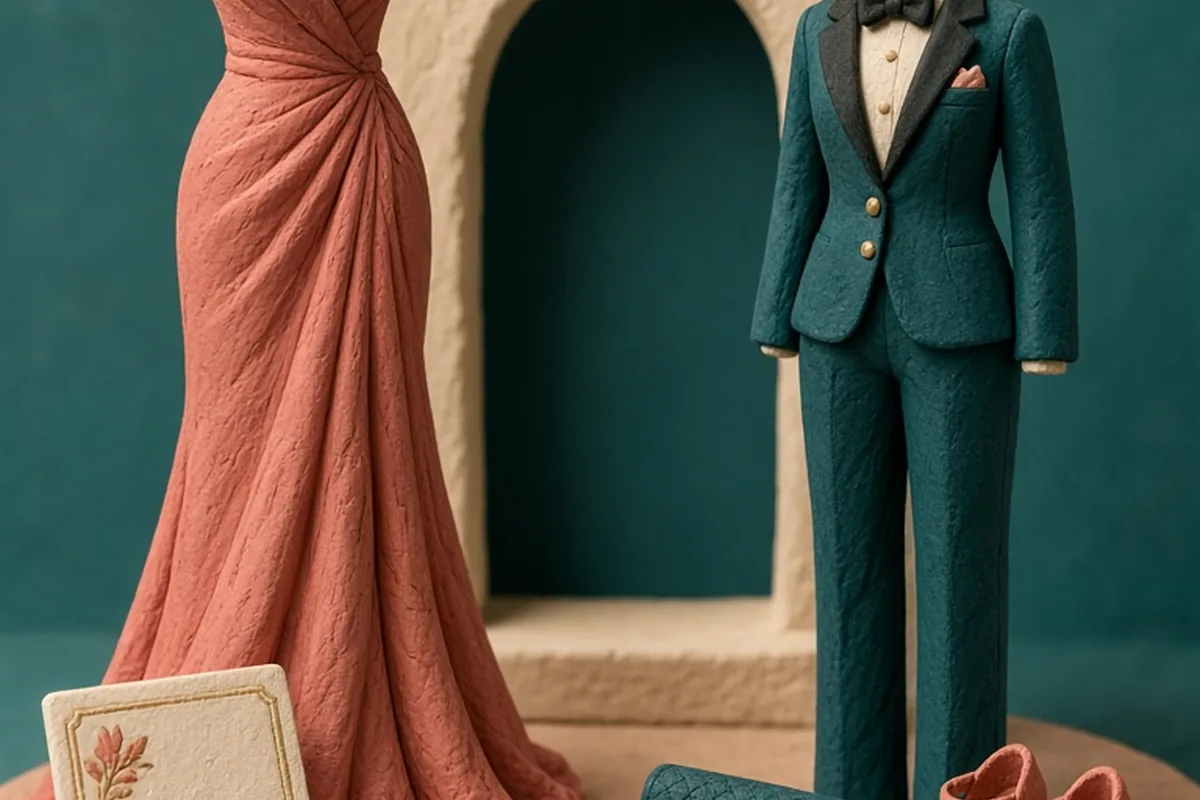
For a black-tie event, a woman should typically wear a floor-length evening gown, an elevated formal pantsuit, or a sophisticated evening jumpsuit in a luxurious fabric. Pair your chosen outfit with refined jewelry, a compact evening clutch, elegant footwear, and polished styling. While floor-length dresses remain the traditional gold standard, tailored silhouettes in rich textiles offer modern, appropriate alternatives.
Receiving an invitation with a black-tie dress code signals an evening of celebration, tradition, and elevated refinement. While the guidelines are rooted in formality, modern interpretations offer room for personal expression through thoughtful silhouettes, rich fabrics, and intentional accessorizing.
Understanding the Traditional Floor-Length Gown
The floor-length evening gown represents the most classic interpretation of women's black-tie attire. When an invitation specifies black tie, the host is establishing a high baseline of formality, traditionally meant to complement a gentleman's tuxedo. An evening gown differs from standard maxi dresses primarily through its construction, proportion, and weight. Structured bodices, architectural lines, sweeping skirts, and fully lined skirts are hallmark characteristics that distinguish formal gowns from casual summer or daytime floor-length dresses.
When selecting a gown, silhouette plays a central role in both comfort and visual impact. A-line gowns provide balanced movement and flatter a variety of body types, while column or sheath dresses offer a sleek, minimalist aesthetic. Mermaid and trumpet cuts introduce dramatic contouring around the hips before flaring outward, which creates a striking presence in ballrooms or formal gala halls. Regardless of the silhouette, tailoring is essential. A floor-length hem should hover approximately a quarter-inch to a half-inch above the ground with your planned shoes on, preventing the fabric from bunching awkwardly or creating a tripping hazard while walking or dancing.
While floor-length gowns are the default expectation, exceptions exist for tea-length or ankle-grazing dresses, provided the garment features exceptional structure and formal fabrication. A voluminous, mid-calf dress made from heavy silk mikado or intricate jacquard can meet black-tie standards in metropolitan or artistic settings. However, if you are unsure of the crowd or venue, opting for a full-length hemline remains the most dependable choice to avoid feeling underdressed.
Modern Alternatives: Formal Pantsuits and Evening Tuxedos
Gowns are no longer the exclusive option for women attending formal gatherings. A sharply tailored women's evening tuxedo—often called a smoking suit—or an elevated formal jumpsuit can look just as sophisticated and respectful of the dress code. The key to making trousers work for black tie lies entirely in the fabric quality, precision fit, and evening-specific design details that separate the ensemble from routine office or business-casual attire.
For an evening tuxedo, look for jackets featuring satin or grosgrain silk lapels, covered buttons, and a defined shoulder line. Pair the jacket with matching trousers featuring a silk side stripe, and layer with a silk camisole, a sheer formal blouse, or wear a tailored double-breasted jacket closed. If choosing a formal jumpsuit, prioritize dramatic wide-leg silhouettes in heavyweight crepe, velvet, or fluid silk charmeuse with clean necklines like an asymmetric one-shoulder, a structured halter, or a deep V-cut with structural support.
A practical consideration when choosing tailored separates over a dress is the styling balance. Because a suit inherently borrows from masculine tailoring, leaning into refined feminine touches—such as delicate drop earrings, pointed-toe satin pumps, and a luminous beauty look—ensures the ensemble reads unmistakably as black-tie evening wear rather than daytime corporate tailoring.
Choosing Appropriate Fabrics, Textures, and Colors
Fabric selection is one of the quickest ways to communicate formality. Casual textiles such as cotton jersey, unlined linen, daytime rayon, and casual knitwear are not appropriate for black-tie settings, even if cut in a long silhouette. Instead, seek out textiles with intrinsic sheen, structural weight, or delicate drape. Velvet, silk satin, heavy crepe, taffeta, brocade, organza, chiffon, and lace provide the substance and visual depth expected at formal evening functions.
Color choices for black tie offer broad versatility, though certain conventions remain helpful. Classic black, navy, and midnight blue are timeless options that exude understated elegance. Deep jewel tones—such as emerald green, rich sapphire, amethyst, and burgundy—work exceptionally well across seasons and provide a vibrant yet sophisticated alternative to neutrals. Metallic fabrics like champagne gold, pewter, and bronze bring celebration to the room without relying on overpowering prints.
When considering lighter shades or prints, nuance is important. Soft pastels, blush, and muted tones are well suited for spring and summer formal events, particularly outdoor galas or evening garden weddings. However, for formal weddings, solid white, ivory, and pale cream should be avoided out of courtesy to the bride unless the hosts explicitly request an all-white theme. Large, casual floral patterns or loud geometric prints should generally be bypassed in favor of subtle jacquards or solid color palettes.
Navigating Dress Code Nuances: Black Tie vs. Other Formal Tiers
Formal invitations frequently use related terms that carry slightly different expectations. Understanding the distinction between strict Black Tie, Black Tie Optional, and White Tie helps ensure your outfit aligns precisely with the host's vision and the event's atmosphere.
Black Tie Optional (or 'Black Tie Preferred') provides guests with flexibility. While a floor-length gown or evening tuxedo remains preferred, a sophisticated, dark midi cocktail dress or an elevated dressy pantsuit is entirely acceptable. In contrast, standard Black Tie strongly expects floor-length dresses or high-formal evening suits. White Tie represents the absolute peak of traditional formality, demanding a full-length grand ballgown, formal styling, and occasionally white opera-length gloves, leaving zero room for cocktail-length hems or casual silhouettes.
To gauge the precise tone of an event, look at secondary context clues beyond the written dress code. Consider the venue location, the start time, and the occasion. A winter charity ball at a historic hotel or metropolitan opera house almost always calls for classic, high-glamour black tie, whereas an evening beachside wedding marked black tie might welcome breezy chiffon gowns and vibrant color palettes.
- White Tie: Grand full-length ballgowns, tiaras or high-jewelry pieces, and strictly traditional evening wear.
- Black Tie: Floor-length evening gowns, formal evening tuxedos, or elevated floor-length jumpsuits.
- Black Tie Optional: Floor-length gowns preferred, but formal midi cocktail dresses and dressy dark separates are acceptable.
- Cocktail / Semi-Formal: Knee-length to midi dresses, party frocks, and tailored dressy separates without the requirement for floor-length hems.
Selecting Evening Footwear, Bags, and Outerwear
Accessories should complement your main garment without creating visual clutter or compromising your comfort during several hours of standing and dining. Footwear must balance aesthetic refinement with practical stamina. Elegant strappy sandals in metallic or satin finishes, classic pointed-toe evening pumps, or embellished formal flats are all suitable choices. When testing shoes, ensure the heel height aligns with your gown's hemline to avoid awkward draping or snagging on lace and delicate trims.
Your evening bag should remain intentionally compact. Large totes, shoulder bags with everyday utilitarian straps, and structured work satchels should be left at home. Opt for a sleek minaudière, a satin pouch, an envelope clutch, or a delicate chain-strap mini bag that holds only your essentials: phone, lip color, identification, and keys.
Outerwear is a commonly overlooked detail that can disrupt a formal look if unplanned. Avoid wearing everyday down parkas, utility trench coats, or denim jackets over formal attire. Instead, invest in a tailored wool or cashmere overcoat in a clean neutral shade, an evening cape, a velvet wrap, or a faux-fur stole. A lightweight cashmere or silk-blend pashmina is an excellent backup for indoor venues with aggressive air conditioning.
Jewelry, Foundation Garments, and Beauty Accents
Finishing touches pull an entire formal look together, starting from the foundation layer. Proper undergarments are critical for a seamless appearance under formal fabrics like satin or crepe, which can be unforgiving with visible seams. Test your strapless bras, plunge corsets, backless adhesive cups, or smoothing shapewear well in advance of the event while wearing the actual gown to verify there are no shifting lines or support issues.
When coordinating jewelry, prioritize one focal point to maintain balance. If your gown has an intricate high neck, statement chandelier earrings or an architectural cuff bracelet create an intentional impact without overcrowding your collarbone. If wearing a strapless, sweetheart, or plunging neckline, a classic collar necklace, diamond or crystal pendant, or layered delicate strands can frame your face beautifully. Fine jewelry, cultured pearls, and high-quality vintage costume pieces all work well.
Hair and makeup for black-tie gatherings should feel polished and deliberate. Classic updos, sleek chignons, sculpted Hollywood waves, or a blow-dry with intentional structure hold up well throughout long evenings. Makeup can feature a classic red or berry lip paired with neutral eyes, or a soft smoky eye paired with a balanced neutral lip, ensuring your overall look feels cohesive from head to toe.
Frequently asked questions
Can I wear a black dress to a black tie event?
Yes, black is a classic, universally accepted choice for black-tie events. A black floor-length gown or evening tuxedo looks chic, timeless, and effortlessly formal when paired with striking jewelry and elevated accessories.
Is a short dress ever acceptable for a black tie dress code?
Short mini dresses are not appropriate for black tie. However, an impeccably tailored tea-length or midi dress made from rich fabrics like brocade, velvet, or heavy silk can work if the styling and silhouette are distinctly formal.
Do I have to wear high heels to a black tie event?
No, you do not have to wear high heels. Pointed-toe dress flats, embellished satin slippers, or low block-heeled evening shoes are entirely appropriate, provided they are made from formal materials and your dress is hemmed to match that specific shoe height.
Your next step
To prepare with confidence, select your outfit and try on the complete look—including planned shoes, undergarments, and jewelry—at least one week ahead to allow time for hemline adjustments or styling refinements.