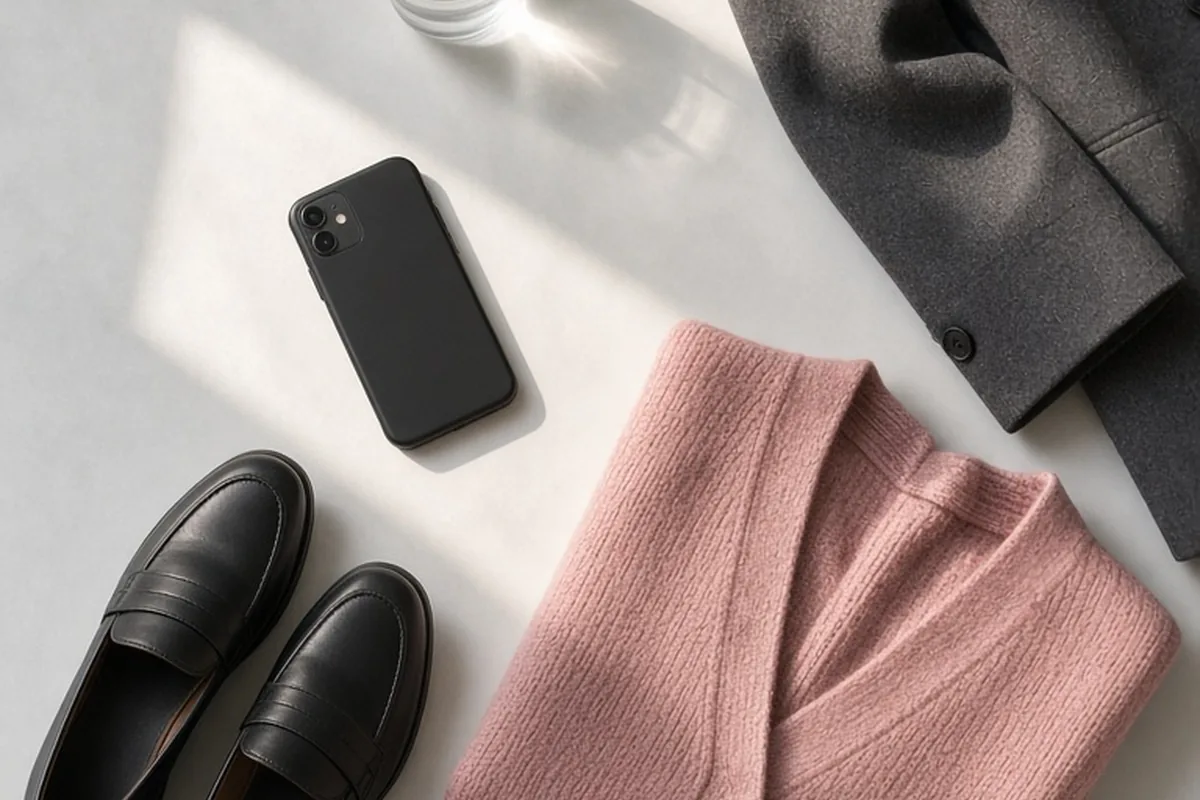
Broadway theaters have no official dress code, so smart casual to dressy casual is the standard choice. Most women opt for tailored trousers with a blouse, an elevated knit dress, or dark denim paired with a blazer. Because historic theater auditoriums swing between chilly air conditioning and crowded warmth, versatile layers and comfortable walking shoes are essential.
Attending a Broadway show in New York City is an exciting cultural experience, whether it marks a milestone celebration, a weekend getaway, or a spontaneous weeknight ticket purchase. Because modern theatergoers encompass a wide mix of international tourists, local theater enthusiasts, and corporate patrons, knowing how to balance personal style, venue expectations, and city navigation will ensure you feel confident and comfortable from the opening number to the final curtain call.
Understanding the Modern Broadway Dress Environment
While historical tradition once treated an evening at the theater as a strictly formal affair requiring evening gowns and opera cloaks, contemporary Broadway audiences embrace a much broader spectrum of personal style. Today, you will see audience members wearing everything from tailored business wear and cocktail attire to tidy jeans and knitwear. The theater community places primary value on artistic appreciation, communal respect, and general decorum rather than rigid sartorial conformity.
The subtle distinction between performance times often sets the general tone of the room. Weekend matinees on Wednesday, Saturday, or Sunday afternoons skew slightly more relaxed, as many attendees arrive directly from daytime sightseeing, brunch, or family excursions. Evening performances, particularly on Friday and Saturday nights, tend to lean more polished, with patrons dressing for dinner reservations and post-show drinks. Aiming for an elevated smart-casual baseline ensures you blend seamlessly into any performance slot without feeling underdressed or overly restricted.
Building a Polished Base Outfit
The most dependable foundation for a Broadway outfit balances sophisticated lines with seated comfort for two to three hours. Midi-length wrap dresses, pleated A-line skirts paired with fine-gauge sweaters, and structured jumpsuits offer effortless elegance while allowing unrestricted movement. If you prefer separates, wide-leg tailored trousers or dark-wash, non-distressed denim paired with a silk button-down, cowl-neck shell, or structured knit create a crisp, modern aesthetic.
Consider how fabrics behave during prolonged sitting. Natural fibers with a touch of stretch, such as ponte knit, modal jersey, wrinkle-resistant wool blends, or quality cotton twill, maintain their shape and prevent unsightly creasing after hours in a narrow auditorium chair. Silks and linens are beautifully breathable during warm months, but lighter weights can wrinkle quickly once you sit. A structured blazer, tailored collar, or intentional jewelry piece immediately elevates simple dark trousers into an ensemble suitable for any top-tier Broadway venue.
Mastering Layering and Auditorium Climate Control
One of the biggest practical surprises for first-time Broadway attendees is the unpredictable climate inside historic playhouses. Many Broadway theaters were constructed in the early twentieth century, meaning heating and ventilation systems often create microclimates where the front orchestra feels drafty while the upper mezzanine feels significantly warmer. During summer months, venues frequently run industrial air conditioning to offset the body heat of a packed house, turning the auditorium into a brisk environment.
Carrying a dependable, compact top layer is the best defense against theater chills. A cashmere wrap, structured trench coat, cropped tailored blazer, or fine-knit cardigan can be draped over your shoulders or lap during the performance without taking up excessive room. Lightweight wraps and pashminas are especially practical because they fold easily into a medium handbag during transit, provide instant warmth once the overture begins, and can double as subtle lumbar support if the venue's vintage seats lack modern ergonomics.
Selecting Practical Footwear for Manhattan Navigation
Choosing shoes for Broadway requires thinking beyond the theater seat itself. An evening in the Theater District almost always involves navigating crowded midtown sidewalks, negotiating subway grates, climbing steep stairs in historic venues, and standing in long restroom lines during a fifteen-minute intermission. Selecting footwear that balances aesthetic refinement with genuine walkability prevents physical discomfort from distracting you from the performance.
Sleek pointed-toe flats, low block heels, tailored loafers, and clean leather ankle boots are ideal choices that transition smoothly from city streets to the theater aisle. Stiletto heels present notable trade-offs: the narrow, raked aisles and steep steps of upper balconies can make high, spindly heels hazardous to navigate in low light. If you prefer higher heels for a special evening dinner, a sturdy block heel or platform base provides the necessary stability while still delivering a dressed-up silhouette.
Adapting Outfits for New York City Weather and Seasons
New York City weather shifts dramatically throughout the year, requiring seasonal adjustments to your theater wardrobe. During humid summer months, breathable midi dresses, short-sleeved linen-blend tops, and airy culottes keep you comfortable during transit, while a dedicated shawl protects against aggressive interior cooling. In the dead of winter, practical warmth takes priority: thermal undergarments under wool trousers, cashmere turtlenecks, and weatherproof leather boots make the journey through slushy streets manageable.
Managing heavy winter outerwear inside a historic theater requires strategic planning. Broadway seats are notoriously compact, leaving minimal legroom and floor space to store bulky down parkas, wet umbrellas, and heavy winter gear. While many Broadway theaters offer a coat check service during colder months for a nominal fee, lines to retrieve items after the show can be long. Selecting a sleek, tailored wool overcoat that can fold flat across your lap or sit behind your back often saves valuable time when exiting into the post-show crowd.
Navigating Bag Sizes and Theater Etiquette
Security screening is standard at every Broadway theater, with staff conducting physical bag checks or electronic scans before granting entry. Carrying an oversized tote, backpack, or extensive shopping bags creates bottlenecks at the door and becomes a spatial nuisance once you reach your row. Opt for a compact crossbody bag, structured small shoulder bag, or sleek clutch that fits comfortably on your lap or directly under your seat between your feet.
Auditory and visual courtesy should also guide your accessory choices. Avoid stacks of metal bangles or charm bracelets that can clink against armrests during quiet dramatic moments, and refrain from wearing tall hats or voluminous updos that obstruct the sightlines of the patron seated behind you. Additionally, ensure your phone is completely silenced and stored securely away in your bag before the house lights dim, as screen glare is disruptive in dark auditoriums.
Dressing for Special Occasions and Themed Performances
Certain theatrical events invite a higher level of sartorial flair. Opening night performances, red-carpet galas, and charity benefit performances are traditional dress-up events where cocktail dresses, elegant jumpsuits, or sharp pant suits are customary. If you are attending a milestone celebration, an anniversary, or a romantic dinner package, dressing up creates a memorable sense of occasion that honors both your personal event and the artistry on stage.
Subtle themed dressing has also gained popularity for contemporary productions with distinct visual aesthetics or devoted fandoms. Incorporating an emerald accessory for an Oz-inspired musical, a pop of bright pink, or vintage-inspired tailoring allows you to celebrate the show's theme creatively. The trade-off is maintaining practical audience etiquette: avoid full costumes, oversized accessories, or wide brims that encroach on your neighbors' personal space or block stage views.
Frequently asked questions
Can I wear nice jeans to a Broadway show?
Yes, clean, dark-wash jeans without rips or distressing are entirely acceptable for most Broadway performances. Pair them with a structured blazer, an elevated blouse, or quality loafers to maintain a polished smart-casual appearance.
Is it inappropriate to wear athletic clothes or sneakers?
While ushers will not turn away ticket holders in athletic wear, activewear like gym leggings, sweatpants, and running shoes tends to feel out of place among the generally smart-casual crowd. If you must prioritize walking comfort, opt for minimalist leather fashion sneakers paired with tailored pants rather than athletic gym gear.
How cold do Broadway theaters get during performances?
Auditorium temperatures vary widely, but strong air conditioning in the summer and drafts in older buildings can make theaters surprisingly cool. Bringing a compact layer, such as a pashmina, blazer, or cardigan, ensures you stay warm regardless of seat location.
Are formal gowns or cocktail dresses ever required?
Formal floor-length gowns and black-tie attire are rarely expected outside of official opening night galas or specific charity events. However, cocktail dresses and tailored evening separates are welcome if you are celebrating a special occasion or planning an upscale post-show dinner.
Your next step
Check your show's performance time and the weather forecast, then assemble a comfortable smart-casual outfit centered on flexible layers, walk-friendly footwear, and a compact crossbody bag.