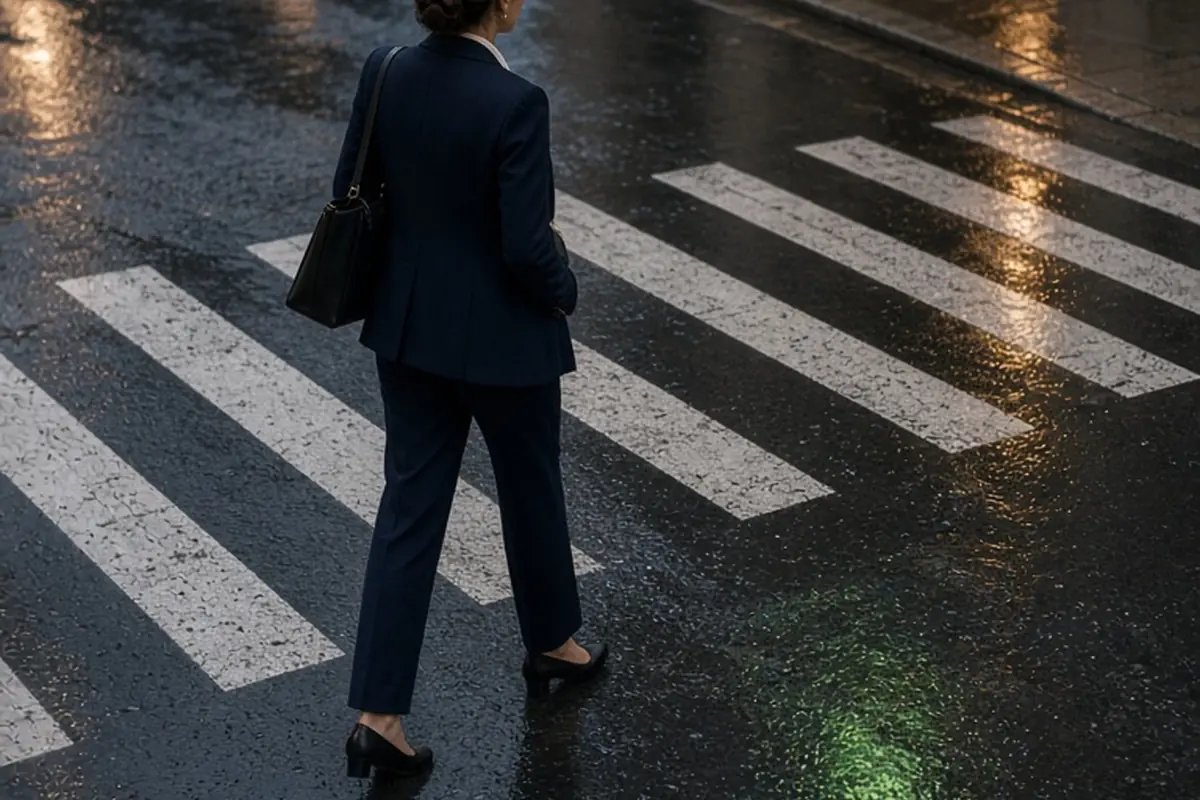
Women attending court should wear clean, conservative business or business-casual attire. Opt for tailored slacks, knee-length skirts or dresses, modest blouses, button-downs, or knit tops, often paired with a structured blazer or cardigan. Choose neutral or muted tones like navy, gray, black, or beige. Ensure clothing fits comfortably without clinging, covers the shoulders and chest, and pairs with closed-toe shoes like low heels or flats.
A courthouse is a formal setting where visual presentation conveys respect for the legal process, the judge, and the gravity of the proceedings. Whether you are appearing as a party to a lawsuit, a criminal defendant, a witness, a juror, or a supportive relative, what you wear shapes early impressions before you say a single word. Knowing how to dress appropriately eliminates unnecessary anxiety, protects you from being turned away by security, and helps you feel composed and self-assured throughout the day.
Core Standards of Courtroom Attire for Women
The prevailing standard in almost every municipal, state, and federal court is business attire or polished business-casual. This does not mean you must purchase an expensive designer pant suit, but it does mean your clothes should mirror what someone would wear to a professional job interview, a traditional office, or a formal civic event. Tailored trousers, mid-length A-line or pencil skirts, and structured dresses that fall at or just below the knee form the foundation of a reliable courtroom wardrobe. Pair these bottoms with a collared button-down shirt, a high-neck blouse, or a modest shell covered by a blazer or tailored knit jacket.
Fit and silhouette are just as important as the style of the garments. Garments should sit comfortably on your body without feeling overly tight, restrictive, or excessively baggy. When you sit down before a judge or at a counsel table, skirts tend to ride up higher than when standing, so testing your outfit in a seated position before court day is an essential precaution. A well-fitting, conservative silhouette signals seriousness, maturity, and preparation, allowing the judge and jury to focus entirely on the facts of your case rather than your appearance.
Selecting Strategic Colors, Patterns, and Fabrics
Color choices set an immediate tone in a courtroom. Conservative, muted palettes are the most effective because they project calm, stability, and respect for decorum. Navy blue, charcoal gray, slate, taupe, black, beige, soft olive, and muted burgundy are consistently appropriate. A crisp white or soft pastel blouse under a darker jacket adds contrast without becoming visually jarring. Bright neons, loud animal prints, metallic accents, and busy geometric designs can feel out of place under harsh courtroom fluorescent lighting and can distract observers from your testimony or statement.
Fabric selection also directly affects your physical comfort and composure during what is often a lengthy, unpredictable day. Look for medium-weight, wrinkle-resistant fabrics such as ponte knits, quality cotton blends, lightweight wool, or polyester crepe that hold their shape through hours of sitting on hard wooden benches. Courthouses are notorious for erratic climate control, alternating between drafty, air-conditioned rooms and warm, stagnant hallways. Selecting breathable fabrics that layer smoothly beneath a cardigan or blazer ensures you can adapt to temperature shifts without removing essential modesty layers.
Common Dress Code Violations to Strictly Avoid
Courthouses often post formal dress codes outside security checkpoints, and bailiffs possess broad authority to deny entry to anyone dressed inappropriately. Being turned away can result in missed hearings, default judgments, or bench warrants, making strict adherence to these boundaries critical. The most frequent violations involve items typically reserved for the beach, the gym, casual lounging, or weekend socializing. Even if an outfit feels fashionable or comfortable, it will undermine your credibility if it contradicts courtroom standards.
To ensure seamless entry through security and avoid reprimand from court personnel, keep the following off-limits on the day of your appearance:
- Athletic wear including leggings, bike shorts, yoga pants, tracksuits, and gym sneakers
- Tops that expose the midriff, back, shoulders, or deep cleavage, such as crop tops, halter tops, camisoles, and tube tops
- Ripped, distressed, frayed, or low-rise jeans, as well as denim cutoffs or shorts of any length
- Sheer, transparent, or lace-paneled fabrics worn without an opaque undergarment
- Clothing displaying explicit slogans, political messaging, brand graphics, or offensive imagery
- Casual casual footwear such as rubber flip-flops, athletic slides, pool sandals, and excessively high platform heels
- Hats, caps, bandanas, or sunglasses worn indoors, except where worn for sincere religious observance or verified medical necessity
Footwear, Accessories, and Security Considerations
Footwear must balance professional polish with practical utility. You will likely spend significant time walking down long corridors, standing in line at security checkpoints, and climbing stairs. Closed-toe flats, supportive loafers, low block heels between one and two inches, or modest dress boots are ideal. Avoid thin stilettos or metal-tipped shoes that create loud, echoing clicking sounds on marble floors, as this noise can be disruptive while proceedings are underway. Open-toe sandals, even expensive ones, are explicitly prohibited in many courtrooms.
Your accessories should remain understated and quiet. Avoid stacked metal bangles, dangling earrings, or heavy necklaces that clatter whenever you shift position or take notes. In addition, keep the contents of your purse minimal. Every bag must pass through an X-ray scanner at the courthouse entrance, and security will confiscate items such as pocketknives, manicure scissors, metal nail files, pepper spray, knitting needles, and glass bottles. Carrying a simple, structured medium-sized tote with only your identification, case documents, a pen, a notepad, and essential personal items expedites your entry.
Tailoring Your Outfit to Your Role and Hearing Type
While baseline decorum remains steady, your specific role in the proceeding can guide subtle styling choices. If you are a criminal defendant, leaning toward conservative, formal business wear such as a dark blazer and slacks communicates respect and remorse or sobriety. For family court hearings, including custody determinations or divorce proceedings, a softer business-casual approach—such as a neat cardigan, modest blouse, and pressed trousers—often projects warmth, approachability, stability, and conscientiousness without appearing overly defensive or severe.
Witnesses and jurors benefit from neutral, professional business-casual clothing that does not distract from their testimony or their role as impartial evaluators of fact. For minor matters like traffic court, small claims, or administrative hearings, clean dark-wash jeans free of fading or tears paired with a conservative button-down or fine-knit sweater can be acceptable if business trousers are unavailable, though traditional slacks remain the safer choice. When in doubt, dressing one level more formal than the perceived minimum protects you from underdressing.
Grooming, Tattoos, Piercings, and Finishing Details
Personal grooming forms an integral part of your overall visual impact. Hair should be neat, clean, and styled away from your face so that your eyes and facial expressions are clearly visible to the bench. Natural makeup that evens skin tone and neutral nail polish or clean, trimmed bare nails are preferable to dramatic evening makeup, heavy false eyelashes, or neon nail art. Courtrooms are small, enclosed spaces with many people seated near one another for hours, so refrain from applying strong perfumes, scented body lotions, or body sprays, which can trigger headaches or allergic reactions in others.
If you have visible tattoos or body piercings, consider whether covering or removing them for your appearance is feasible. While many modern courts have no official rules banning body art, some judges and prospective jurors hold traditional viewpoints that may lead to unconscious bias. Wearing long sleeves, collared shirts, or conservative jewelry spacers can prevent personal styling choices from distracting from the substance of your testimony or your legal arguments.
Assembling an Appropriate Outfit on a Tight Budget
Dressing appropriately for court does not require spending significant money on a new wardrobe. Most women can assemble a suitable outfit from staples they already own or can acquire for very little cost. A simple pair of black, navy, or khaki dress slacks paired with a plain solid-colored blouse and a dark button-up cardigan instantly meets the business-casual standard. If you do not own dress pants, a dark, knee-length modest dress topped with a structured jacket creates an equally professional impression.
If your current wardrobe lacks suitable pieces, local thrift stores and consignment shops routinely stock gently worn blazers, dress shirts, and slacks for minimal cost. Additionally, many communities have non-profit clothing closets, such as Dress for Success or legal aid wardrobe partnerships, that provide free professional attire to individuals with upcoming court appearances or job interviews. Focus your effort on ensuring the garments are freshly laundered, ironed, free of pet hair, and properly fitted, as neatness and preparation matter far more than clothing brands.
Illustrative Scenarios
Assembling a Family Court Outfit from Everyday Wardrobe Pieces
An attendee preparing for a custody hearing owned only casual denim, athletic wear, and weekend dresses. Unsure of how to dress without spending her grocery budget on a suit, she evaluated her closet for structured basics. She selected a modest charcoal gray knit cardigan, a high-neck ivory blouse, and a pair of dark navy ankle pants she had previously worn to a family graduation. She paired these with simple black faux-leather flats and a plain shoulder bag containing only her folder of records and identification. By pressing her blouse and pants the night before, she arrived looking polished, composed, and organized.
Key point: Appropriate courtroom clothing focuses on cleanliness, modest coverage, and neutral coordination rather than purchasing an expensive two-piece business suit.
Frequently asked questions
Can I wear dark jeans to court if they do not have any holes?
While clean, dark-wash jeans without fading, distress, or embellishments may be tolerated in small claims or traffic court, they are still considered informal. Slacks, chinos, or a modest dress remain the far safer choice to avoid violating local rules or appearing casual before the judge.
Do I have to wear a matching pant or skirt suit?
No, a fully matched business suit is not mandatory for courtroom attendees, witnesses, or parties. A coordinated combination of tailored slacks or a knee-length skirt paired with a conservative blouse, sweater, or blazer meets the business-casual standard in virtually every jurisdiction.
Are open-toe shoes or dressy sandals permitted in court?
Most courts strongly advise against open-toe shoes, and some jurisdictions explicitly prohibit them alongside flip-flops and athletic sneakers. Stick to closed-toe flats, loafers, low block heels, or neat dress boots to ensure you pass through security without complication.
What should I do if the courtroom is uncomfortably cold or warm?
Layering is the best way to handle unpredictable courthouse temperatures. Wear a modest, short- or three-quarter-sleeve blouse beneath a tailored cardigan or blazer so that you can add or remove an outer layer while maintaining modest shoulder coverage.
Your next step
Inspect and lay out your chosen outfit, including closed-toe shoes and required identification, the night before your appearance, and review the specific dress guidelines posted on your local courthouse website to confirm any courthouse-specific rules.