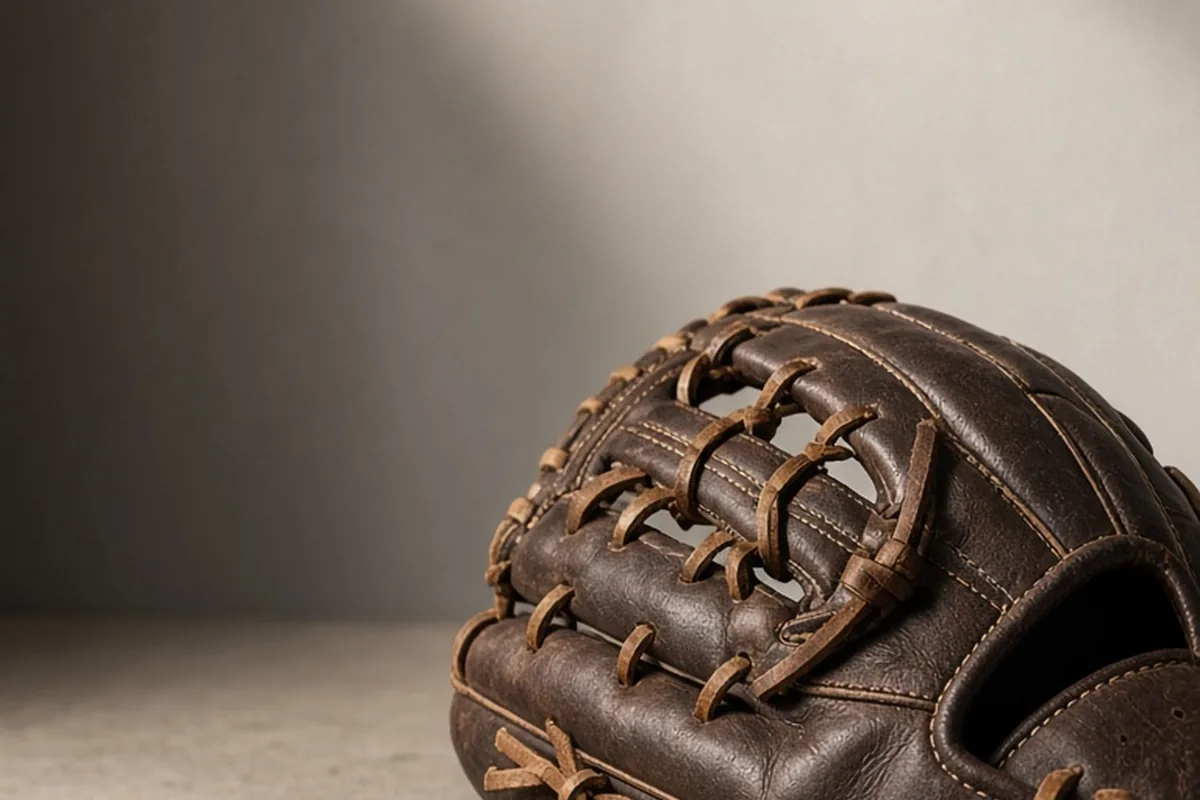
Adult women playing fastpitch softball generally use glove sizes between 11.75 and 13 inches, while slowpitch players typically need 12.5 to 14 inches. Your ideal size depends on your defensive position and hand circumference. Infielders need smaller gloves between 11.75 and 12.5 inches for rapid ball transfers, whereas outfielders benefit from 12.5 to 14 inches for extended catch range and deeper pockets.
Stepping onto the diamond with equipment that matches both your physical frame and your league format makes an immediate difference in fielding control, reaction timing, and overall hand comfort.
Distinguishing Between Fastpitch and Slowpitch Glove Dimensions
Softball gloves are substantially larger than standard baseball gloves because they must house a ball with an 11-inch or 12-inch circumference. However, the sizing demands of fastpitch and slowpitch leagues diverge based on game tempo and offensive power. In fastpitch softball, adult women generally look for gloves between 11.75 and 13 inches. The fast-moving ball and rapid baserunning require precise, controlled transfers, meaning an excessively long glove can slow down defensive execution.
Slowpitch softball utilizes a larger 12-inch ball and features higher-arcing hits to the outfield, which makes catching surface area more critical than split-second transition speed. Adult slowpitch gloves for women frequently range from 12.5 inches to 14 inches. Choosing between these formats requires balancing pocket depth with responsiveness. If you select a 14-inch glove for fastpitch infield play, you may struggle to pull the ball out cleanly under pressure, while using an 11.5-inch glove in a recreational slowpitch outfield can lead to balls bouncing out of a shallow pocket.
Matching Glove Length to Your Defensive Position
Fielding positions dictate specific mechanical requirements for glove length and structural rigidity. Middle infielders playing second base or shortstop usually prefer gloves measuring 11.75 to 12.25 inches in fastpitch or roughly 12.5 inches in slowpitch. These shorter lengths prevent the ball from getting lost in a cavernous pocket, allowing an adult infielder to secure grounders and transfer the ball to the throwing hand in a single, fluid motion.
Third basemen often opt for a slightly larger 12.25-inch to 12.5-inch glove to handle hard-hit line drives and high-velocity ground balls that demand extra palm protection and pocket stability. Outfielders operate on the opposite end of the spectrum, choosing 12.5 to 13 inches in fastpitch and up to 14 inches in slowpitch. The extra reach assists when diving for sinking line drives or snagging deep fly balls near the fence. Specialty positions like catcher and first base use position-specific mitts measured by circumference, where adult fastpitch catchers typically use 32.5-inch to 34-inch mitts designed with heavy perimeter padding to absorb high-velocity pitches.
- Middle Infield (Shortstop and Second Base): 11.75 to 12.25 inches for fast transfers
- Third Base: 12.25 to 12.5 inches for stability against line drives
- Outfield: 12.5 to 13 inches (fastpitch) or 13 to 14 inches (slowpitch) for maximum reach
- First Base: 12.5 to 13-inch mitt with a curved, webbed edge rather than individual fingers
- Catcher: 32.5 to 34-inch circumference mitt engineered for repeated high-impact catching
Understanding Female-Specific Patterns and Hand Stall Fit
Glove length only tells half the story when selecting gear; internal hand stall fit is equally critical. Standard unisex gloves are patterned around adult male hand anatomy, which typically features wider palms, longer fingers, and broader wrist openings. When an adult woman wears a standard men's glove, her hand often slides internally, forcing her fingers to overcompensate by gripping tightly inside the stall, which degrades fielding accuracy and causes premature hand fatigue.
Modern fastpitch gloves frequently utilize female-specific tailoring, often designated as custom fit or narrow taper patterns. These designs feature narrower finger stalls, a shorter distance from the heel of the palm to the wrist opening, and an adjustable pull-strap or Velcro closure system. For an adult woman with smaller or average-sized hands, a female-specific pattern ensures the heel of her hand sits securely against the lower palm pad, providing the leverage needed to close the leather around a 12-inch ball without straining.
Pocket Depth and Webbing Choices for Adult Fielders
Webbing styles directly influence pocket depth, flexibility, and field vision during high-stakes plays. Infielders who need clean transitions frequently choose an I-Web, H-Web, or single-post web. These open patterns shed dirt easily, maintain a relatively shallow pocket, and give players tactile awareness of exactly where the ball rests after fielding a routine grounder.
Pitchers and outfielders often prefer closed webs, such as a basket web, fully closed two-piece web, or modified trapeze. For pitchers, a solid closed web conceals finger grip variations and ball seams on release, preventing opposing batters and base coaches from tipping pitches. For outfielders, a modified trapeze or deep basket web creates a flexible pocket that cradles the ball on dead-sprint running catches, significantly reducing the likelihood of pop-outs upon impact with the ground.
Material Choices and Break-In Expectations
Softball gloves are manufactured from materials ranging from soft synthetic blends to premium steerhide or kip leather. Full-grain leather offers superior longevity, exceptional shape retention, and customized pocket molding over seasons of heavy play. The trade-off is break-in time; premium steerhide gloves arrive stiff and demand several weeks of intentional conditioning, mallet shaping, and catch sessions before they are flexible enough for live game action.
Recreational adult players who join a local league on short notice often benefit from game-ready treated leathers or synthetic mesh combinations. These materials feature factory-softened palms that require minimal conditioning, allowing you to use the glove almost immediately. While game-ready soft leather breaks in fast, it tends to break down faster under high-velocity impacts over several years, meaning frequent league players might need replacement gear sooner than those who invest in premium full-grain options.
How to Measure Your Hand and Verify Proper Fit
To measure glove length accurately, manufacturers measure the distance from the top of the index finger along the inner curvature of the pocket down to the center of the heel pad. When testing a glove in person, slip your hand into the stall without tightening the wrist strap immediately. Your fingertips should rest comfortably near the ends of the finger stalls without pressing hard against the seams, and your palm should lie flat against the leather without excessive bunching.
Next, adjust the wrist closure to create a snug, secure anchor point. Squeeze the glove closed naturally; the thumb and pinky should move inward without requiring excessive forearm torque. If the glove twists sideways across your palm as you close it, the internal hand stall is too wide. Conversely, if you feel pressure restricting blood flow at your knuckles or wrist bone, the internal pattern is too tight for comfortable multi-inning play.
Illustrative Scenarios
Choosing Between Infield Speed and Outfield Utility
An adult recreational player joining both a competitive fastpitch team and a co-ed slowpitch team initially bought a single 13.5-inch unisex slowpitch glove. While the glove performed well for shagging fly balls in the slowpitch outfield, she struggled to turn double plays at second base in fastpitch because the ball sank too deep into the pocket and the wide wrist stall slipped on quick throws. She transitioned to an 12.25-inch fastpitch glove with a narrow wrist taper for her infield duties, retaining the 13.5-inch glove solely for slowpitch outfielding.
Key point: Selecting glove dimensions based on your primary defensive role and hand circumference prevents mechanical compromises between catching security and transition speed.
Frequently asked questions
Can an adult woman use a youth softball glove if she has smaller hands?
Youth gloves offer smaller finger stalls, but they are built with thinner padding and smaller overall pocket volumes designed for an 11-inch ball. An adult woman with smaller hands is better served by an adult fastpitch glove with a narrow taper or custom fit pattern, which provides proper adult-level impact protection.
What is the best all-around glove size for a multi-position player?
If you play both infield and outfield across recreational leagues, a 12.5-inch glove offers the most versatile balance. It provides sufficient pocket depth to secure outfield fly balls while remaining compact enough for manageable infield grounder transitions.
How tight should the wrist strap on a softball glove be?
The wrist strap should feel snug enough that the glove remains seated when you shake your hand downward, but loose enough to prevent friction burns against your skin. You should be able to slide one finger beneath the strap comfortably.
Your next step
Measure your hand from palm heel to middle fingertip, identify your primary defensive position, and try on female-tapered gloves to find the balance of pocket depth and wrist security that fits your game.