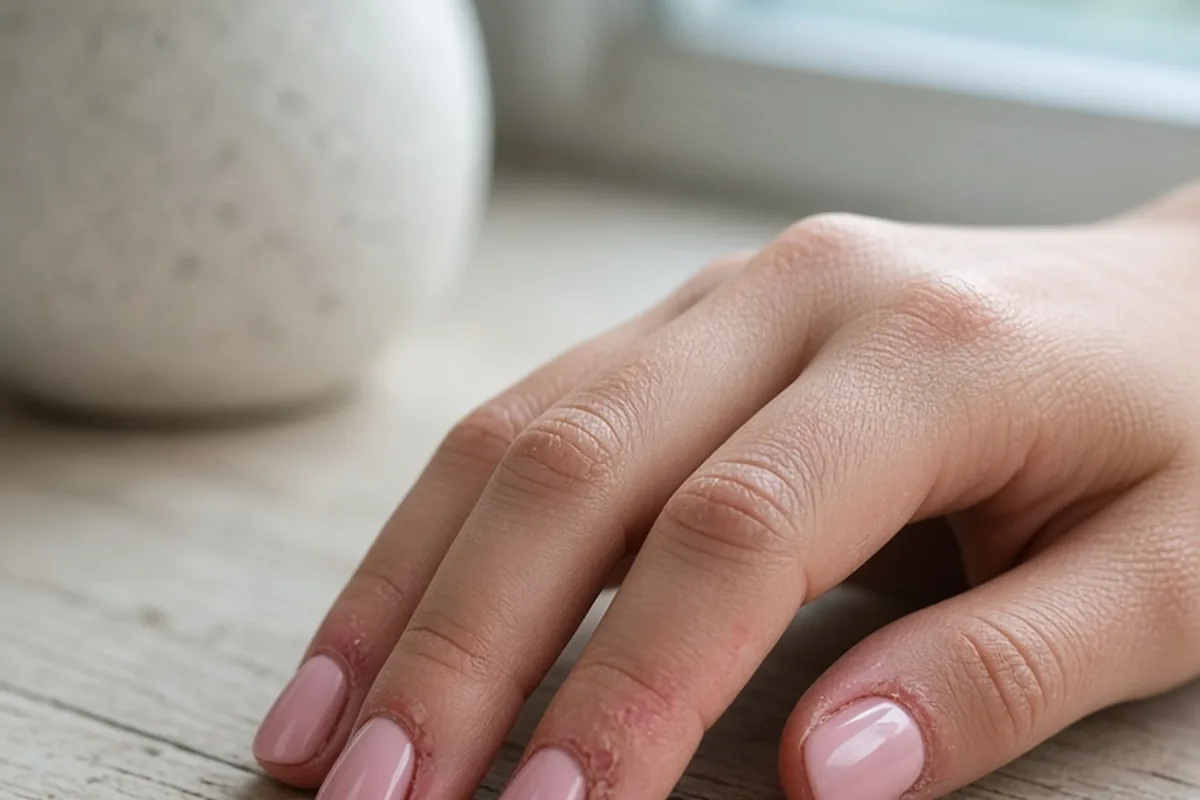
If gel polish causes itching around your cuticles or fingertips, immediately ask your nail technician which specific product was applied, whether the curing lamp matched the formula, and if uncured gel touched your skin. Next, ask a medical professional or dermatologist about potential acrylate sensitivities, safe product removal methods, and appropriate soothing care.
Experiencing itching, swelling, or irritation around the nail fold after a manicure is a sign that your skin is reacting negatively to a chemical or technique used during the service.
Immediate Questions to Ask Your Nail Technician
When itching begins during or shortly after an appointment, your first conversation should be with the technician who performed the service. Ask them directly for the exact brand, line, and color names of every product placed on your nails, including the dehydrator, primer, base coat, color layers, and top coat. Request to see the product packaging or Safety Data Sheet so you can record the complete ingredient list. Knowing the exact formulations is essential because different manufacturers use varying concentrations of photoinitiators and acrylic monomers.
You should also ask whether the curing lamp being used is specifically calibrated for that gel polish line. Different gel formulas require precise light wavelengths, energy outputs, and exposure times to fully polymerize. If a lamp does not cure the product all the way through, microscopic amounts of uncured liquid monomers remain against the nail plate and surrounding tissue, which frequently triggers contact irritation or allergic sensitization.
Inquire about the application technique as well, asking whether any liquid product made contact with your eponychium, sidewalls, or cuticles before curing. A helpful question to ask is, Did any uncured gel flood my nail folds during application, and what solvent was used to clean it up? Solvents like pure alcohol or acetone can thin wet gel and drive active monomers deeper into the skin barrier, increasing the likelihood of an itchy reaction.
Essential Questions to Bring to a Medical Professional
If itching persists or is accompanied by swelling, blistering, or redness, you should seek guidance from a doctor or board-certified dermatologist. Ask the healthcare provider whether your symptoms suggest irritant contact dermatitis, which is a localized surface reaction, or allergic contact dermatitis, which involves an immune system response to specific allergens. Clarifying this distinction helps determine whether you need a temporary pause or a permanent change in nail products.
Ask your doctor about the suitability of patch testing for (meth)acrylates. You might say, Can we perform a comprehensive patch test for common nail monomers such as HEMA, HPMA, ethyl methacrylate, and isobornyl acrylate? A patch test identifies the exact chemical triggers causing your discomfort, allowing you to make informed decisions about cosmetics, personal care products, and even future medical or dental procedures.
Finally, ask for safe, non-prescription or prescription management strategies to calm the irritated skin without worsening the barrier damage. Inquire about the risks of leaving the gel on your nails while healing versus removing it immediately. In many cases, removing the product is recommended, but doing so with harsh chemicals like pure acetone might further inflame cracked skin, so asking your physician for a safe removal timeline is prudent.
Questions Concerning Polish Ingredients and Monomer Safety
Understanding cosmetic chemistry can help you evaluate what went onto your nails. When discussing products with your technician or researching formulations, ask what specific monomer system the brand uses. Hydroxyethyl methacrylate, commonly known as HEMA, and hydroxypropyl methacrylate, known as HPMA, are small-molecule monomers frequently associated with allergic reactions due to their ability to penetrate outer skin layers easily.
Ask whether switching to a certified HEMA-free or low-allergen formulation would reduce your risk, while keeping in mind that HEMA-free labels do not guarantee zero irritation. A practical question to ask is, What alternative acrylates are used in this HEMA-free bottle to achieve adhesion? Formulators often substitute other acrylic compounds, such as bis-HEMA, di-HEMA trimethylhexyl dicarbamate, or isobornyl acrylate, which can still cause reactions in sensitized individuals.
You should also ask about the concentration and quality grade of the ingredients. Professional-grade systems often adhere to stricter safety guidelines than unverified, direct-to-consumer online brands. Asking your salon if they source their inventory directly from authorized professional distributors ensures that you are not being exposed to contaminated, expired, or improperly labeled products.
Questions About the Curing Process and Equipment Setup
Inadequate curing is one of the most common causes of post-manicure itching. Ask your technician how old their LED or UV lamp is, how often the bulbs are replaced, and whether the lamp wattage and nanometer output match the manufacturer requirements of the gel polish. Bulbs degrade over time and lose their curing power long before they stop emitting visible light, leaving the bottom layers of gel soft and chemically active.
Ask about the curing protocol used during your specific service. For instance, ask, Was my hand positioned properly in the center of the unit, and was the curing cycle run for the full duration recommended by the brand? Angled fingers, crowded thumbs, or pulling hands out of the unit early can lead to uneven light exposure, creating pockets of under-cured resin that leach into the skin.
Consider asking about heat spikes as well. If you felt intense burning or heat during curing, mention this to your technician. A severe heat spike indicates rapid chemical polymerization, which can cause thermal trauma to the nail bed, weakening tissue defenses and making the surrounding skin far more vulnerable to contact irritation.
Questions to Ask About Safe Product Removal and Skin Recovery
When your skin is itchy and sensitive, standard removal techniques may aggravate the problem. Ask your nail specialist what removal method they plan to use. A standard acetone soak can severely dry and irritate inflamed cuticles, while aggressive mechanical scraping can strip the natural keratin layers from an already compromised nail plate.
Ask whether gentle mechanical debulking using a fine-grit e-file or hand file down to a thin base layer is safer than soaking in solvents. You might ask, Can we file away the topcoat and bulk of the color without touching my natural nail or letting acetone touch my cuticles? Leaving a microscopically thin, fully cured base layer to grow out naturally is sometimes preferred when the skin around the perimeter is actively peeling or blistered.
Inquire about supportive recovery protocols for your hands. Ask your doctor or aesthetician what barrier-repair creams, bland emollients, or lipid-rich balms are safe to apply to the periungual area while the skin heals. Avoid applying scented oils, botanical extracts, or harsh cuticle softeners until the itching has completely resolved and the skin barrier is intact.
Questions to Ask Before Booking Future Nail Appointments
Before scheduling another manicure, ask your salon what non-gel alternatives they offer that do not require UV or LED curing. Inquire about traditional solvent-based nail lacquers, breathable polishes, or press-on nails that utilize gentle, medical-grade adhesive tabs rather than liquid cyanoacrylate glues. Traditional polishes dry through evaporation rather than polymerization and carry a significantly lower risk of acrylate sensitization.
If you plan to visit a new salon, screen their safety protocols ahead of time. Ask the salon manager, How do your technicians prevent uncured gel from touching the skin, and what system do you use to verify that curing lamps match the gel lines you carry? Salons that prioritize nail health will readily explain their hygiene standards, brand partnerships, and staff training procedures.
Ask yourself and your beauty provider whether taking a structured break from all nail enhancements is the best course of action. Allowing the nail plate and surrounding skin several weeks or months to regenerate completely reduces cumulative chemical exposure and helps you establish a baseline of healthy, symptom-free natural nails.
Illustrative Scenarios
Documenting Products After Post-Manicure Cuticle Itching
A regular salon client noticed mild itching and small red bumps along her sidewalls twelve hours after receiving a new brand of gel polish. Rather than picking at the product or applying random home remedies, she contacted her technician to request the exact brand name and product line. She brought this information to a dermatologist, who identified an early sensitivity to specific methacrylate monomers. With medical guidance, she safely had the product filed down without soaking her inflamed cuticles in acetone.
Key point: Gathering precise product details from your technician allows medical professionals to provide targeted advice, prevent repeat exposure, and manage symptoms safely.
Frequently asked questions
Can I peel or scrape off gel polish at home if my fingers start itching?
No, you should not forcefully peel or scrape off gel polish, as this removes protective layers of your natural nail plate and can push allergens deeper into damaged tissue. Instead, contact a professional for gentle removal or speak with a doctor about safe removal options for irritated skin.
Does using a HEMA-free gel polish guarantee I will not experience itching?
A HEMA-free label does not eliminate the risk of irritation because formulas often replace HEMA with other acrylic monomers that can also trigger sensitivities. Always review the complete ingredient list and consider patch testing if you have reacted to nail products in the past.
How quickly after an appointment does an allergic reaction to gel polish appear?
Symptoms of allergic contact dermatitis can develop anywhere from a few hours to several days after exposure to uncured monomers. Initial signs typically include itching, redness, minor swelling, or small fluid-filled bumps around the cuticles and fingertips.
Should I wash my hands immediately with soap and water if my cuticles itch?
Gently washing your hands with cool water and a mild, fragrance-free cleanser can help remove surface residues and soothe mild discomfort. Avoid scrubbing vigorously or applying harsh chemicals, and contact a healthcare professional if irritation persists.
Your next step
Record the exact brand and ingredient details from your nail technician, request a gentle removal that protects irritated cuticles, and consult a dermatologist for personalized guidance before trying any future gel enhancements.