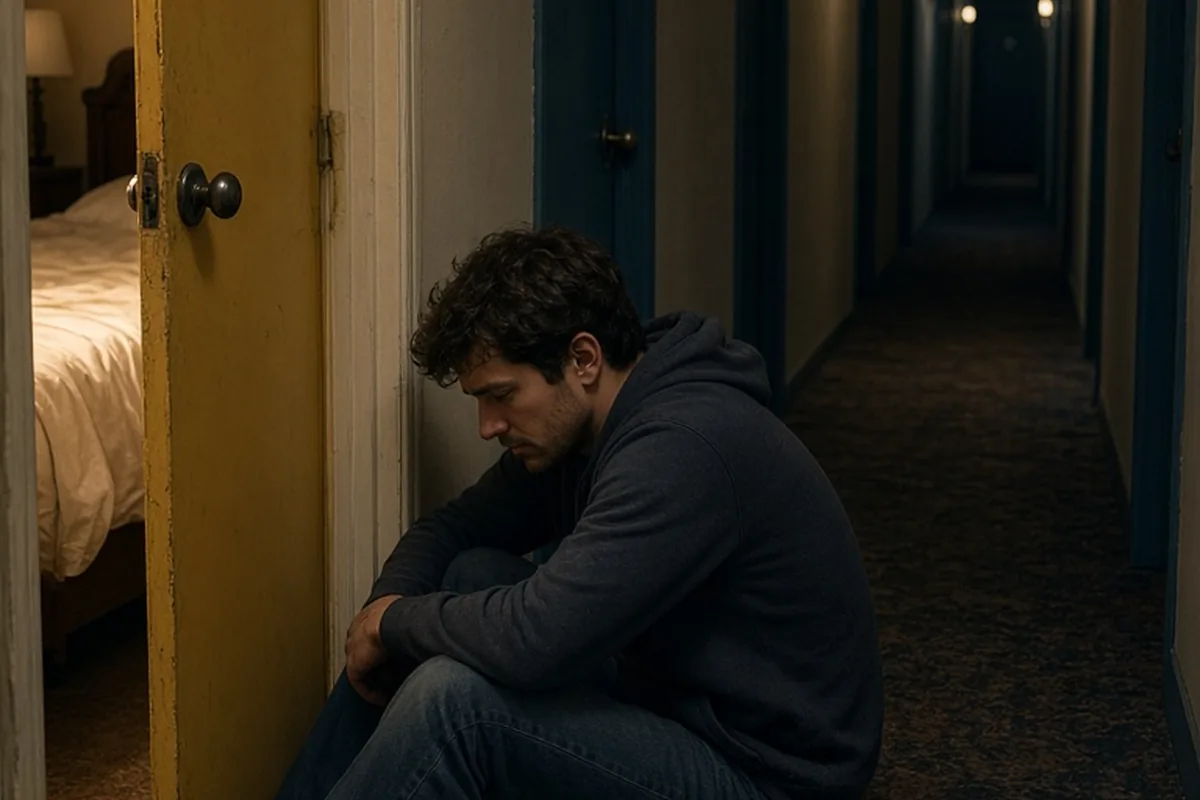
When your girlfriend cheats but you still love her, pause before making a permanent choice. Take space to regulate your shock, avoid impulsive retaliation or pleading, and evaluate her reaction. True remorse requires complete transparency, accountability without defensiveness, and a willingness to address underlying relationship dynamics. Only consider staying if mutual trust can realistically be rebuilt without compromising your self-respect; otherwise, ending the relationship protects your long-term peace.
Discovering infidelity from a partner you deeply care about creates an agonizing conflict between genuine affection and profound betrayal. Loving someone does not instantly vanish when trust is shattered, but navigating this crisis requires separating your emotional attachment from what is healthy, sustainable, and respectful for your future.
Create Immediate Space to Process Shock and Avoid Reactive Choices
The immediate aftermath of discovering infidelity triggers severe emotional distress, often causing people to swing rapidly between desperate attempts to hold on and explosive anger. When you still love your girlfriend, your initial instinct might be to demand exhaustive minute-by-minute details immediately or demand reassuring promises that everything will be fine. However, reacting from intense adrenaline rarely produces clarity. Taking a temporary pause—whether that means sleeping in separate rooms, staying with a trusted friend for a few days, or agreeing not to contact each other for forty-eight hours—allows your nervous system to settle enough to think clearly.
During this cooling-off period, establish clear personal boundaries about what you will and will not engage with. Avoid destructive coping habits, such as doomscrolling her social media, interrogating mutual acquaintances, or posting grievances online. For instance, tell her calmly that you need a specific number of days before sitting down for a structured conversation. The trade-off of taking space is enduring the temporary discomfort of unresolved uncertainty, but it prevents you from making hasty commitments or saying damaging things you might later regret.
Distinguish Genuine Remorse From Protective Guilt and Defensiveness
Love alone cannot sustain a partnership after infidelity; the deciding factor is often how your girlfriend handles the fallout. Genuine remorse looks distinct from guilt or self-pity. A remorseful partner takes complete ownership of her choices without shifting blame onto your past arguments, stress, or perceived neglect in the relationship. She demonstrates empathy for your pain, answers your legitimate questions with patience, and does not demand that you immediately forgive her or cheer her up because she feels bad about what she did.
In contrast, a partner driven by self-preservation may offer defensive apologies, minimize the events, or attempt to flip the narrative by accusing you of being insecure, snooping, or driving her away. If she hides details until cornered or demands that you get over it quickly, reconciliation becomes nearly impossible. For example, notice whether she volunteers proactive transparency—such as severing contact with the third party unprompted—or only does the bare minimum to quiet the conflict. Rebuilding trust is a prolonged, rigorous process that requires her consistent, patient accountability.
Assess the Scope of the Betrayal and What It Reveals About the Relationship
Understanding the context of the betrayal is essential for deciding whether repair is even viable, though this does not mean subjecting yourself to traumatizing graphic details. There is a fundamental difference between an isolated, impulsive lapse in judgment followed by immediate confession and a sustained, calculated double life involving ongoing deception, financial secrecy, or gaslighting. You need enough clarity on the timeline and whether active communication with the other person has completely ceased to evaluate your emotional safety.
Be honest with yourself about pre-existing relationship patterns as well. While relational difficulties never justify cheating, examining whether emotional disengagement, chronic communication breakdowns, or unresolved resentment existed beforehand helps clarify what both partners must fix if you stay together. However, a major limitation to keep in mind is that understanding the root causes is not an excuse for betrayal. You cannot single-handedly fix a dynamic if she refuses to examine why she chose deception over honest communication or ending the relationship first.
Weigh the Hard Reality of Rebuilding Trust Versus Walking Away
Deciding to stay because you love her requires confronting the hard work reconciliation actually entails. Rebuilding shattered trust is rarely romantic; it is often grueling, slow, and emotionally exhausting for months or even years. You must ask yourself whether you have the psychological stamina to manage recurring triggers, intrusive thoughts, and moments of doubt without becoming permanently suspicious or turning into a full-time surveillance officer in your own relationship.
Constant phone checks, tracking locations, and relentless interrogations might provide brief reassurance, but they ultimately erode your dignity and turn the relationship into a prison for both people. If staying means living in perpetual paranoia or harboring quiet, corrosive bitterness that turns you into someone you dislike, love is not enough to justify remaining. Walking away hurts intensely in the short term, but it often preserves your core self-respect and opens the door to genuine emotional recovery.
Establish Explicit, Non-Negotiable Boundaries If You Attempt Reconciliation
If both of you decide to attempt reconciliation, forgiveness cannot simply be declared and forgotten; it must be structured around firm, practical agreements. The very first boundary must be total, verifiable non-contact with the affair partner. If they are a coworker or unavoidable acquaintance, interactions must be strictly limited to essential professional matters, with complete transparency regarding every exchange. Any continued secret socializing, private messaging, or social media interaction must be treated as an active continuation of the betrayal.
Furthermore, establish practical mechanisms for communication and professional support. Working with a qualified couples counselor or individual therapists offers a neutral, structured environment to address deep wounds without conversations devolving into circular screaming matches. For example, agree on scheduled check-in times during the week to discuss feelings and progress so that infidelity talk does not hijack every dinner, weekend, or intimate moment. Remember that boundaries are not punishments meant to control her; they are safety rails designed to protect your emotional well-being while trust is gradually rebuilt.
Reclaim Your Identity and Move Forward with Clarity
Regardless of whether you stay together or part ways, infidelity often inflicts deep collateral damage on personal self-esteem. You may find yourself comparing your appearance, career, or personality to the person she cheated with, wondering what you lacked. It is critical to internalize that someone else's choice to betray a commitment reflects their coping mechanisms, values, and decision-making—not your inherent value or desirability as a romantic partner.
Shift your primary focus back toward your own personal growth, physical wellness, friendships, and long-term goals. Invest time in activities that remind you of your competence and agency outside the relationship. If you choose to end the relationship, commit to clean closure by cutting off contact, honoring your grief, and leaning on trusted friends rather than seeking validation from your ex-partner. Choosing what aligns with your integrity, even when your heart hurts, is the foundation of lasting self-worth.
Illustrative Scenarios
Navigating the Impulse to Check Devices and Rush Reconciliation
After discovering his girlfriend had exchanged intimate messages with an ex-colleague, Marcus immediately wanted to sweep the betrayal under the rug because he feared losing her. To ease his anxiety, he demanded her phone passwords and spent hours daily reviewing message logs and tracking her location. Instead of feeling secure, Marcus felt hypervigilant, exhausted, and resentful, while his girlfriend grew defensive. Recognizing that surveillance was destroying his sanity, Marcus paused, stepped back to live with a friend for a week, and established clear requirements: total transparency about the affair and couples therapy, rather than daily policing.
Key point: Monitoring a partner's every move cannot restore genuine safety; healthy reconciliation requires rebuilding integrity through honest accountability rather than control.
Recognizing When Continued Affection Is Not Enough to Stay
Julian learned that his long-term girlfriend had engaged in a months-long affair with a mutual friend. Despite still loving her deeply and hearing her apologies, Julian noticed that she frequently minimized the duration of the deceit and became irritated whenever he expressed sadness months later. Julian realized he was compromising his self-respect to keep the relationship afloat while bearing the burden of healing alone. He chose to end the relationship, accepting the painful grief of a breakup rather than enduring perpetual distrust.
Key point: Loving someone does not obligate you to stay if their lack of consistent empathy and ownership prevents true emotional safety.
Frequently asked questions
How long should I wait before deciding whether to break up or stay?
Give yourself at least several days to a few weeks before making a definitive choice. Taking immediate action in the heat of emotional shock often leads to second-guessing, whereas allowing the initial adrenaline to clear gives you a clearer view of both your feelings and your partner's true level of remorse.
Can a relationship ever be genuinely happy again after infidelity?
Yes, some couples do rebuild a strong and honest relationship after cheating, but it requires deep, sustained effort from both partners. Success depends on the unfaithful partner taking full accountability, the betrayed partner being willing to work toward eventual forgiveness, and both committing to addressing underlying relational issues.
Should I tell my family and friends about her cheating?
Confide in one or two discreet, supportive friends or a counselor who can offer grounded guidance without escalating the drama. Avoid broadcasting the details to your entire social circle or family immediately, because if you do choose to reconcile, lingering family resentment can make healing significantly harder.
What if she blames me for why she cheated?
If your girlfriend shifts blame to you for her decision to cheat, it is a clear sign she lacks true accountability. While past relationship issues can be addressed together, her choice to step outside the relationship rather than communicate or break up is entirely her responsibility.
Your next step
Take seventy-two hours of quiet space today to step back from arguments, focus on your basic physical well-being, and write down your personal boundaries before discussing the future.