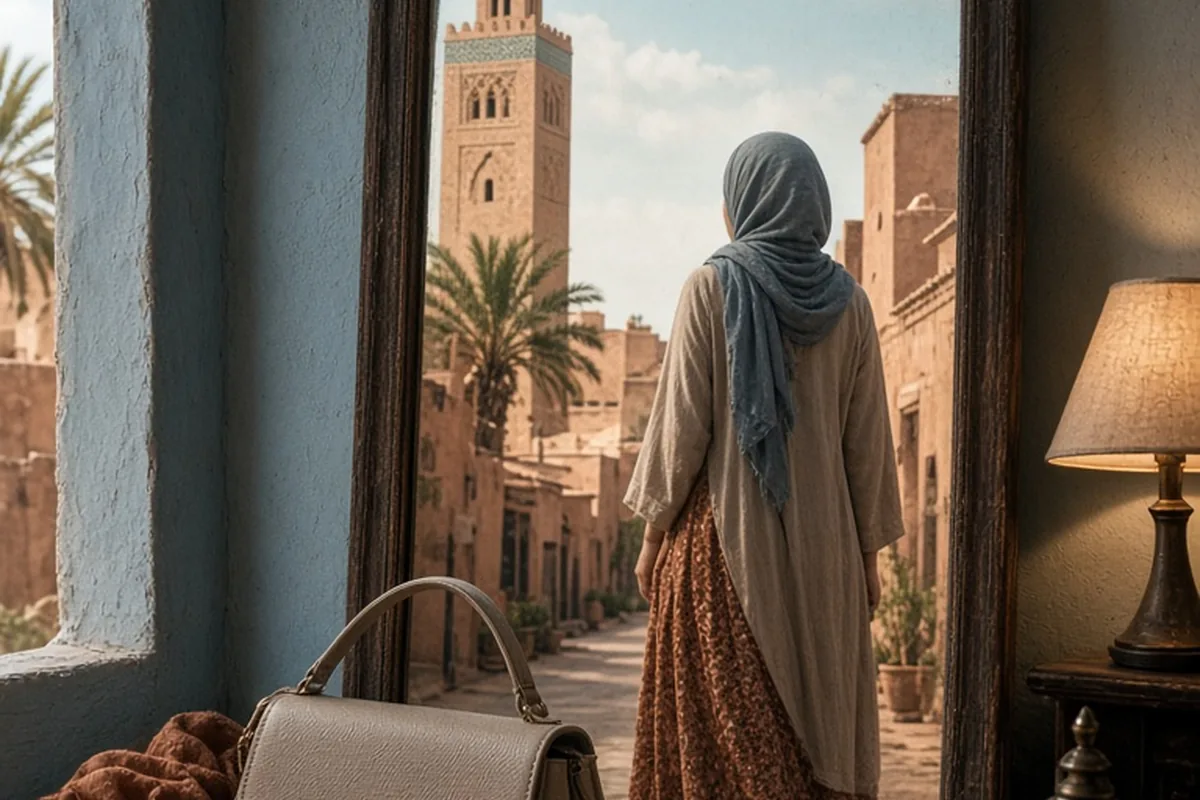
As a woman in Morocco, plan to wear loose, breathable clothing that covers your shoulders, upper arms, cleavage, and knees. Maxi dresses, linen wide-leg trousers, long tunics, midi or maxi skirts, and lightweight button-down shirts are ideal. While modern areas and private resorts tolerate Western casualwear, covering up in historic medinas, rural villages, and religious spaces shows cultural respect and minimizes unwanted public attention.
Packing for Morocco involves balancing warm desert climates with a socially conservative culture rooted in Islamic traditions. Selecting versatile clothing ensures you stay cool during hot afternoons, warm during brisk evenings, and comfortable wherever your itinerary takes you.
Understanding the Baseline Modesty Standards Across Regions
Morocco is a diverse country where social norms vary significantly depending on whether you are walking through a cosmopolitan neighborhood or an isolated mountain village. In major urban centers such as Casablanca, Rabat, and modern sectors of Marrakech (like Gueliz), you will see local women dressed in a wide spectrum of styles, from traditional djellabas and hijabs to Western jeans and tailored blazers. However, modesty remains the foundational cultural standard across the nation. For visiting women, the universal guideline is to keep your shoulders covered, avoid low-cut necklines, and wear hemlines that reach below the knee.
The primary reason to follow these norms is twofold: it signals respect for local customs and helps you move through public spaces with ease. Wearing revealing clothing—such as crop tops, short shorts, or plunging necklines—can draw persistent stares, unsolicited comments, and social discomfort. Adopting loose silhouettes allows you to blend in more naturally. It is helpful to remember that modesty in Morocco is about loose fit as much as fabric coverage; skin-tight clothing like compressive gym leggings or bodycon dresses can attract as much notice as bare skin.
Choosing Fabrics and Silhouettes for Climate Control
Morocco experiences high daytime temperatures for much of the year, particularly inland and in desert regions. The instinct for many travelers is to pack minimal clothing, but exposing bare skin to direct North African sun actually increases heat absorption and the risk of sunburn. Loose-fitting garments made from natural fibers are far more effective at keeping you cool while maintaining modest coverage.
Prioritize lightweight woven fabrics such as 100 percent linen, airy cotton gauze, lightweight chambray, and breathable rayon. Garments like wide-leg culottes, ankle-length palazzo pants, oversized boyfriend-style cotton shirts, and ankle-grazing tiered maxi dresses create an insulating layer of air around your body, allowing breezes to circulate while shielding your skin from the sun. Dark colors absorb radiant heat, so opt for earthy neutrals, terracottas, whites, creams, olive greens, and pastels that reflect sunlight and photograph beautifully against Moroccan tilework and sandstone.
Adapting Outfits for Medinas, Souks, and Urban Sightseeing
Walking through historic medinas like those in Fes, Marrakech, or Chefchaouen requires functional, modest, and dirt-resistant dressing. Medinas are dense, active working neighborhoods packed with spice merchants, artisan workshops, and food stalls. Passages can be narrow, crowded, and dusty, meaning flowing hemlines that drag on the ground can quickly become soiled. Midi-length skirts or cropped wide-leg trousers that end around mid-calf are far more practical than sweeping floor-length gowns.
A reliable outfit formula for daytime medina exploration consists of tailored linen pants paired with a short-sleeve or three-quarter-sleeve linen tunic, or a relaxed midi shirt-dress cinched lightly with a belt. Always carry a lightweight scarf or pashmina in your daypack. A scarf is an indispensable tool in Morocco; you can drape it over your chest if a neckline feels too open, wrap it around your shoulders when entering traditional neighborhoods, or use it to protect your face from dust and wind.
Footwear Essentials for Cobblestones, Steps, and Long Walks
Footwear selection can make or break your trip to Morocco. Historic city centers are paved with uneven flagstones, smooth cobblestones, steep inclines, and occasional loose gravel. You will easily log several miles of walking per day on hard, irregular surfaces, making supportive shoes an absolute necessity.
Leave thin-soled flip-flops, high heels, and delicate fabric shoes at home. Instead, bring broken-in leather walking sandals with secure ankle straps and cushioned arches, supportive lifestyle sneakers made from breathable canvas or mesh, and durable slip-on loafers. If your itinerary includes hiking in the High Atlas Mountains or walking through the stony desert (reg), lightweight trail runners or sturdy walking shoes with deep traction lugs are essential. Keep in mind that when visiting homes, traditional carpet shops, or certain historic landmarks, you may be asked to remove your shoes, so footwear that slips on and off easily is a major convenience.
Etiquette for Mosques, Religious Shrines, and Holy Sites
In Morocco, non-Muslims are generally prohibited from entering active mosques, with a few notable exceptions such as the grand Hassan II Mosque in Casablanca and certain historic madrasas (Islamic schools) like Ben Youssef Madrasa in Marrakech. If you plan to visit these sites, strict modesty guidelines must be observed.
For entering the Hassan II Mosque, women should ensure their arms are covered to the wrists and legs are covered fully to the ankles. Clothing must be opaque and loose-fitting. While foreign women are not always formally required to wear a headscarf inside Hassan II Mosque, carrying one and wearing it demonstrates reverence for the space. You will also be required to remove your shoes before stepping onto the prayer hall carpets; bringing a small tote bag to carry your shoes and wearing clean socks will make this process smooth and comfortable.
Layering for Sahara Desert Excursions and Mountain Regions
A common packing mistake is assuming Morocco is universally warm. In reality, desert and mountainous environments have extreme diurnal temperature swings. During a Sahara excursion in Merzouga or Zagora, midday temperatures can be scorching, while nighttime temperatures routinely plummet near freezing during late autumn, winter, and early spring.
Effective desert packing relies on strategic layering. During the day, wear long, lightweight cotton trousers, a soft long-sleeve tee to protect against sun and wind-blown sand, and closed-toe footwear. You will also want a traditional cheche (cotton headwrap/turban), which local guides can help you tie to keep blowing sand out of your hair, eyes, and mouth. For the evening at a desert camp or a mountain riad, pack a thermal base layer, a fleece jacket or down packable puffer, warm wool socks, and a beanie. Mountain villages in the Atlas range require similar warmth, especially outside the peak summer months.
Navigating Swimwear, Riads, Beach Towns, and Hammams
Knowing where relaxed dress codes apply helps prevent confusion. Inside private riads, modern international hotel resorts, and private beach clubs in places like Taghazout, Essaouira, or Agadir, standard Western swimwear is completely acceptable. You can freely wear bikinis or one-piece swimsuits while sunbathing by a private pool or in tourist-oriented beach compounds.
However, public beaches used primarily by local families call for a more conservative approach. Wearing a one-piece swimsuit with a light sarong or board shorts is recommended over skimpy bikinis on municipal public shores. When walking from the pool or beach back to your room, street, or hotel lobby, always put on an opaque cover-up, such as a kaftan or tunic dress. If you choose to experience a traditional hammam (bathhouse), note that women are typically fully unclothed or wear only underwear bottoms in gender-segregated bathing halls. In private luxury hammams catering to international travelers, disposable underwear is usually provided.
Frequently asked questions
Do female tourists have to wear a headscarf in Morocco?
No, foreign women are not legally or culturally required to cover their hair in Morocco for day-to-day activities. However, carrying a scarf in your daypack is practical for covering your shoulders, shielding your face from desert wind, or entering specific religious landmarks.
Can I wear shorts or tank tops in Moroccan cities?
While not illegal, wearing short shorts and sleeveless tank tops in public streets, souks, and residential neighborhoods is generally discouraged because it conflicts with local modest norms and invites unwanted staring. If you want to wear sleeveless tops, consider pairing them with a light linen overshirt or duster cardigan.
Are skinny jeans or leggings acceptable to wear in Morocco?
Tight leggings and skinny jeans are best paired with a long tunic, loose button-down shirt, or lightweight kimono that extends past your hips and thighs. Wearing skin-tight pants with short tops can attract unwanted attention in conservative or crowded areas.
What should I wear for an evening dinner at a nice restaurant in Marrakech?
Upscale restaurants, rooftop lounges, and riad dining rooms in cities like Marrakech and Casablanca welcome elegant smart-casual attire. A chic maxi dress with a light shawl, wide-leg silk or linen trousers with a tailored blouse, and dressy flat sandals or low wedges are great choices.
Your next step
Build a capsule wardrobe of loose-fitting linen trousers, midi-to-maxi dresses, lightweight button-down shirts, and a versatile scarf to ensure effortless comfort and cultural respect throughout your Moroccan journey.