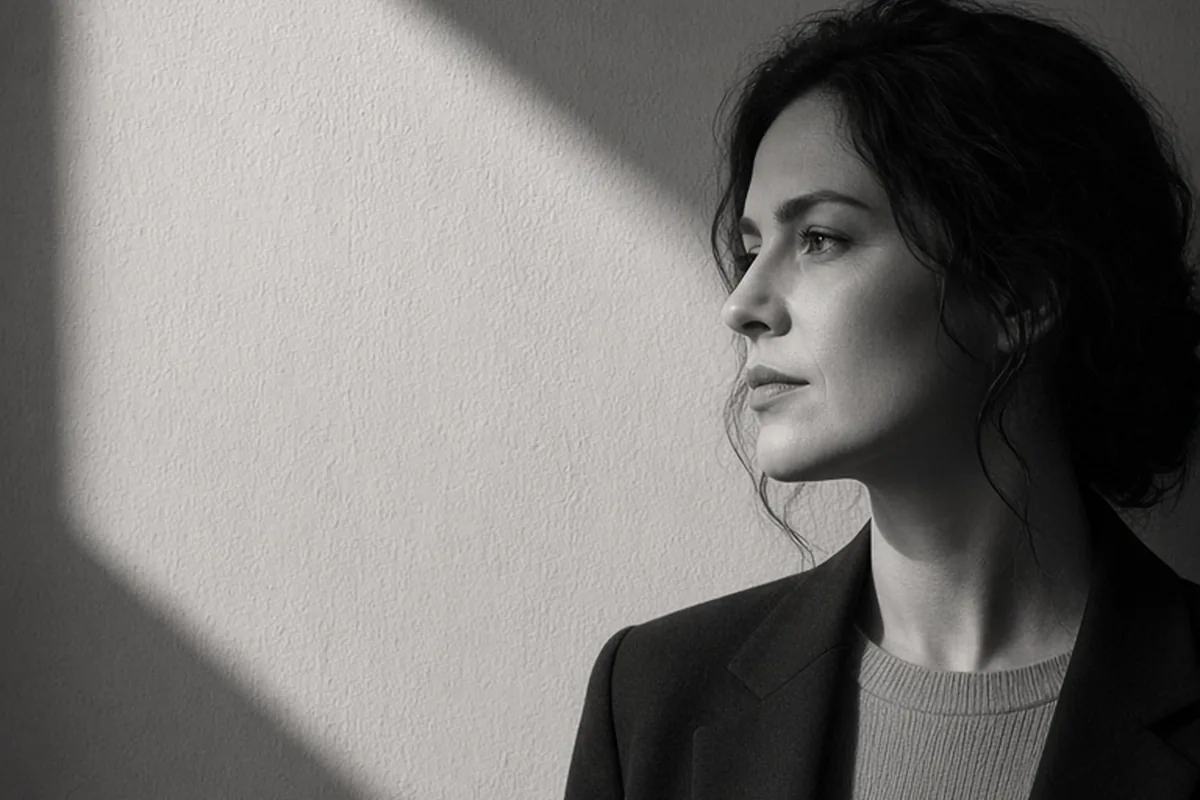
For a professional photoshoot, wear tailored, well-fitted clothing in solid mid-tones or rich jewel tones such as navy, cobalt, emerald, plum, or slate. Choose structured pieces like modern blazers, high-quality knitwear, or boatneck and collared tops. Avoid tiny geometric prints, shimmering or sheer fabrics, and loose, shapeless silhouettes to ensure your eyes, face, and expressions remain the clear focal points.
Preparing your wardrobe for a professional photography session can feel unexpectedly stressful, particularly when balancing authentic self-expression against workplace conventions. Whether you are updating an executive portfolio, refreshing a company website, or establishing a personal consulting brand, your clothing serves as a silent visual shorthand for your competence, approachability, and attention to detail. Taking a methodical approach to clothing selection eliminates guesswork and helps you arrive at your shoot feeling prepared and centered.
Aligning Outfits with Your Industry Context and Professional Persona
The primary factor in deciding what to wear is the specific narrative of your professional environment. A corporate attorney or private wealth advisor typically requires structured, formal tailoring such as a sharp suit jacket, crisp woven top, or an architectural sheath dress. In contrast, a creative director, software engineer, or boutique founder can embrace relaxed tailoring, premium jersey basics, rich textures, or subtle artistic cuts that communicate innovation and easy collaboration.
To find the right balance, consider your everyday client-facing wardrobe and elevate it by roughly ten percent. If your routine involves dark denim and a cardigan, upgrade to dark tailored denim paired with a fitted blazer and a silk-blend tee for the camera. The goal is visual credibility: clients and colleagues should recognize the person in the photograph immediately upon meeting you in real life. Dressing too far outside your normal comfort zone often translates as stiffness or discomfort under studio lighting.
Keep in mind the trade-off between strict corporate neutrality and distinctive personal expression. While extremely formal wear conveys undeniable authority, it can sometimes register as distant or unapproachable in industries driven by community engagement. Conversely, leaning too casual risks understating your seniority. Bringing two variations—one formal anchor look and one elevated casual piece—allows you to bridge both environments seamlessly.
Choosing Colors That Flatter Skin Tones and Camera Sensors
Camera sensors and studio strobes interpret color differently than the human eye does under natural ambient light. As a baseline, rich jewel tones and balanced mid-tones consistently produce the cleanest, most flattering skin contrast across diverse complexions. Shades like deep navy, forest green, warm burgundy, royal blue, aubergine, and soft teal add depth without overpowering facial features. They provide grounding contrast against standard white, gray, or textured portrait backdrops.
Neutral colors can work well when selected carefully, though stark extremes require caution. Pure, bright white can blow out under high-powered studio strobes, losing texture and pulling focus away from your face, while solid pitch black can absorb light and turn into an undefined silhouette with lost seam lines. If you love dark or light palettes, substitute charcoal, warm taupe, French blue, rich espresso, or ivory. These alternatives retain fabric detail and look balanced in both color and monochrome crops.
Be cautious with high-saturation neons and warm yellows or magentas. Neon tones often bounce strong colored light back onto the throat and jawline, creating color casts that are difficult to correct in post-production. Similarly, pale pastel tones that closely match your skin tone can wash you out on camera. Aim for colors that create a defined separation between your neckline and your clothing.
Understanding Fabric Dynamics, Texture, and Structural Tailoring
The camera compresses three dimensions into two, which means the structure and drape of your clothing matter far more on film than in day-to-day motion. Garments made from substantial, matte fabrics—such as crepe, medium-weight wool blends, structured cotton, and heavy ponte knits—maintain their lines cleanly when you sit, turn, or lean. Flimsy or overly stretchy synthetic blends tend to cling in unpredictable ways and reveal undergarment seams under directional studio lighting.
Texture is an exceptional tool for adding sophistication without relying on loud patterns. Subtle weaves like herringbone, ribbed knits, tweed, and brushed cotton catch light softly and give portraits tactile richness. Conversely, reflective or high-sheen fabrics like satin, taffeta, and glossy polyester bounce light unpredictably, producing shiny hot spots that can distract from your features.
Fit should be close and tailored without pulling across the chest, shoulders, or hips. While oversized silhouettes may feel fashionable on street-style blogs, they frequently make the wearer look unshaped or swallowed in a tight headshot crop. On the other hand, garments that pull across the bust or bunch when seated will draw the viewer's eye straight to the tension points. Select garments tailored to fit your body comfortably in both standing and seated poses.
Selecting Flattering Necklines and Sleeve Lengths for Headshot Framing
Because most professional headshots are cropped tightly around the chest and head, your neckline is often the single most visible piece of styling. Modest V-necks, boatnecks, scoop necks, and open collars work reliably well because they create vertical space, elongating the neck and providing a natural frame for the face. High crew necks and turtlenecks can also look striking and contemporary, provided the fabric fits smoothly without bunching at the throat.
Avoid overly plunging necklines, wide off-the-shoulder styles, or strapless designs for business imagery. When a photograph is cropped into a standard square or circular icon on professional networks, a wide or low neckline can give the unintended optical illusion that you are not wearing a top at all. Checking the crop line in a mirror before committing to a blouse helps prevent awkward framing issues later.
Sleeve length also plays a significant visual role in portrait balance. Full-length or tailored three-quarter sleeves are generally preferred because bare arms reflect light, drawing attention away from the face to the edges of the frame. If you prefer sleeveless styles, consider a tailored sleeveless sheath dress paired with a structured blazer or structured knit cardigan that you can add or remove during the session.
Managing Patterns, Prints, and Visual Distractions
Solid colors remain the standard recommendation for professional photography for good reason: they keep the emphasis squarely on your eyes, smile, and expression. If you choose to wear a pattern, opt for larger, subtle motifs with low contrast, such as a muted watercolor print or a broad windowpane check. These styles provide personality without overwhelming the camera's sensor or dating the photograph prematurely.
The primary hazard with patterns is the moiré effect, an optical phenomenon where tight, repetitive lines—such as fine pinstripes, small houndstooth, micro-gingham, or tiny polka dots—clash with the digital camera's pixel grid. This clash produces an unsettling wavy, rainbow-like interference pattern across the screen that cannot always be fixed during editing. When in doubt, inspect your fabrics closely; if the pattern requires close inspection to decipher, it is likely too fine for digital photography.
Similarly, avoid garments featuring prominent brand logos, graphic slogans, or trendy novelty embellishments. Commercial headshots should retain a reasonable shelf life of two to three years. Distracting branding or hyper-specific micro-trends will quickly date the photos, requiring costly reshoots much sooner than necessary.
Curating Jewelry, Eyewear, and Footwear with Intention
Accessories should complement your features rather than compete with them. Classic, understated jewelry—such as delicate pendant necklaces, small metal hoops, pearl studs, or clean architectural earrings—adds polish without creating distracting glare under flash lighting. If you prefer a bold statement piece, select one focal item, such as an artful cuff or a unique necklace, while keeping the rest of your jewelry minimal.
If you wear prescription eyeglasses daily, wear them during your shoot so colleagues recognize you. Anti-reflective coatings are exceptionally helpful in preventing unwanted reflections from studio softboxes. If your lenses do not have anti-reflective coating, let your photographer know early so they can angle the lights accordingly. Avoid transition lenses that automatically darken, as the studio or outdoor ambient light may trigger them, hiding your eyes behind tinted glass.
Do not neglect your footwear, even if your booking is billed as a headshot session. Photographers often decide in the moment to pull back for full-length or three-quarter seated portraits to capture varied body language. Wearing comfortable, polished shoes—such as clean leather loafers, classic pumps, or sleek ankle boots—also anchors your posture, helping you stand tall and feel completely assembled from head to toe.
Pre-Shoot Logistics: Steaming, Undergarments, and Wardrobe Transportation
Proper preparation before you arrive at the studio ensures that small technical issues do not derail an otherwise great session. Inspect your chosen garments under bright natural light several days beforehand to check for missing buttons, loose threads, pet hair, or subtle deodorant marks. High-resolution modern cameras reveal small imperfections that might escape casual notice in a dimmer room.
Choose appropriate seamless undergarments that match your skin tone rather than the color of your outer clothing. A nude, smooth T-shirt bra prevents visible texture and color show-through under thin woven tops or light blazers. Additionally, pack a small emergency styling kit containing double-sided fashion tape, safety pins, a lint roller, and hair clips for quick adjustments between setups.
Transport your outfits on sturdy wooden or padded hangers inside a breathable garment bag rather than folding them into a tote bag. Even wrinkle-resistant fabrics can develop persistent creases during transit. Bringing a portable garment steamer or confirming your photographer has one on site allows for quick touch-ups immediately prior to stepping in front of the backdrop.
Illustrative Scenarios
Composite Case: Streamlining Wardrobe for a Multi-Platform Brand Launch
Elena, an independent healthcare consultant, needed images that worked across both conservative medical board presentations and modern digital marketing channels. She initially planned five distinct outfits ranging from casual tees to formal suiting. Working with her photographer, she narrowed her selection to three versatile core pieces: a tailored navy blazer, a jewel-toned teal boatneck shell, and a structured ivory silk-blend blouse. By simply swapping the blazer on and off and alternating between the two tops with dark tailored trousers, she captured formal board-ready portraits and relaxed, approachable editorial poses in under an hour.
Key point: Focusing on modular, complementary layering pieces provides maximum visual variety without creating mid-session overwhelm or unnecessary outfit changes.
Frequently asked questions
How many outfit options should I bring to a professional photoshoot?
Most portrait photographers recommend bringing three to four carefully coordinated outfits, even if your package only includes two looks. Having alternatives on hand gives you and the photographer flexibility to test which colors and collars best complement the lighting setup and backdrop.
Can I wear pure black or bright white for a professional portrait?
You can wear them, but they introduce technical lighting challenges that require careful handling. Pure white can easily lose detail under bright studio strobes, while solid black can appear flat and lose fabric texture. Soft off-white, ivory, charcoal, and dark navy generally photograph with better depth and visual balance.
Are short sleeves acceptable for corporate headshots?
Short sleeves can work well in casual or warm-weather branding shoots, but long or three-quarter sleeves are generally preferred for formal headshots. Bare arms draw light toward the edges of the frame, which can distract the viewer from your face and expression.
What should I do if I am unsure about how an outfit looks on camera?
Take a few test photos on your smartphone in natural daylight and under warm indoor lighting before shoot day. Pay attention to how the collar sits when you move, whether fabric bunches around your waist when seated, and whether undergarment lines remain invisible.
Your next step
As your immediate next step, choose two primary outfits and one backup look from your current wardrobe, hang them together in natural lighting, and take test photos while seated and standing to verify their fit, neckline, and color contrast before your shoot day.