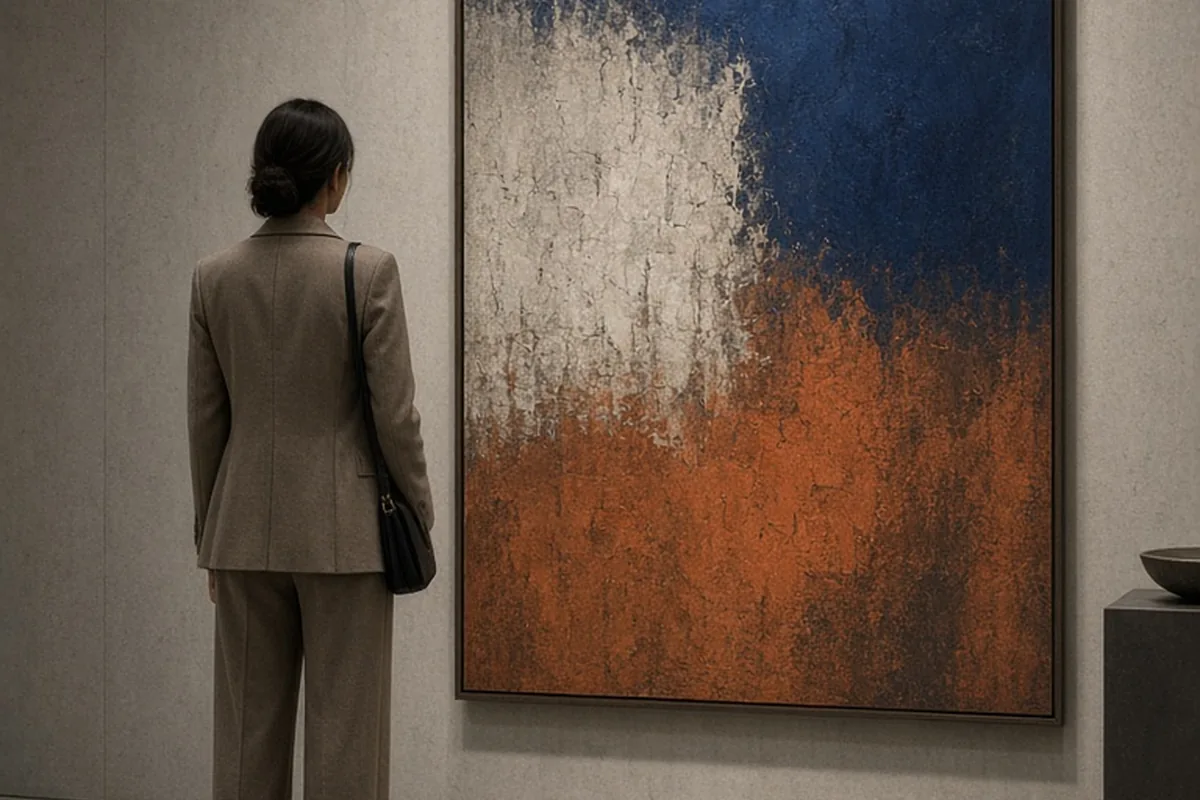
For a job interview, choose professional attire that aligns with the employer's workplace culture while aiming one level above daily office dress. A tailored pant or skirt suit in neutral tones suits formal corporate roles. For business casual or creative industries, pair tailored trousers or a midi skirt with a structured blazer and a refined blouse, finished with closed-toe footwear.
Choosing what to wear to an interview is about creating a deliberate, polished first impression that keeps the focus squarely on your qualifications, skills, and professional presence.
Researching Company Culture and Setting the Right Baseline
Before selecting your interview garments, assess the workplace culture of the organization. Companies typically fall into three broad categories of dress: formal corporate, business casual, and casual or creative. Examining the company website, their team profiles on professional networks, and their social media pages can reveal how current employees dress day to day. If the organization works in finance, law, or executive consulting, traditional formalwear is standard. In contrast, tech startups, media companies, and boutique agencies often embrace a relaxed dress code where a full traditional suit might feel out of place.
A reliable guideline across all sectors is to dress one tier above the daily expectation of the role. If employees wear jeans and polo shirts, aim for business casual separates like tailored chinos and an unstructured blazer. If employees wear business casual slacks and sweaters, opt for a sharp suit jacket, crisp trousers, or a formal sheath dress. When researching leaves you uncertain, reaching out directly to the internal recruiter or hiring coordinator is entirely acceptable. Asking what candidates typically wear demonstrates attention to detail and eliminates unnecessary guesswork.
The trade-off with culture matching is balancing company norms with your personal style. While you want to show that you understand their professional environment, you should still feel authentic in what you wear. Choosing conservative foundations that you subtly customize with modest accessories allows you to respect organizational expectations while preserving your personal comfort.
Styling Outfits for Formal and Corporate Environments
Traditional corporate environments demand structured, classic silhouettes that emphasize discipline and professionalism. The gold standard in these settings remains a coordinated two-piece suit consisting of tailored trousers or a pencil skirt paired with a matching blazer. Neutral tones such as navy blue, charcoal gray, black, and deep olive convey authority and stability. Pair your suit with an understated layer, such as a silk-blend shell, a modal crewneck top, or a pressed cotton-poplin button-down shirt in white, light blue, or soft ivory.
If you prefer a dress over separates, select a tailored sheath dress with a modest neckline and a hemline that reaches at or just below the knee. Layering a structured, contrasting blazer over the dress adds formality and frames the torso cleanly. Ensure all fabrics have adequate weight and structure, such as tropical wool, heavy crepe, or structured ponte knit, which resist wrinkling during commutes and prolonged sitting.
Fit is critical in corporate settings because poor tailoring can undermine an otherwise sharp outfit. Jackets should sit flat across the shoulders without pulling when buttoned, trousers should break cleanly over the tops of your shoes, and skirts should allow you to sit comfortably without riding up significantly. Undergarments should be seamless and neutral to avoid visible lines through lighter fabrics.
Navigating Business Casual and Creative Workplaces
Business casual workplaces allow for greater flexibility, fabric variety, and personality, but they still require intentional curation. A strong formula for business casual interviews involves pairing structured pieces with softer separates. For example, you can combine tailored ankle-length cigarette pants with a lightweight fine-gauge knit sweater and an unstructured modern blazer. High-waisted wide-leg trousers paired with a tucked-in satin blouse and a cropped cardigan also strike an effective balance between modern style and workplace decorum.
Creative industries—such as design, marketing, architecture, and publishing—often welcome subtle statements in color, texture, or silhouette. In these environments, you can incorporate richer colors like emerald green, terracotta, or cobalt blue, or choose garments with interesting architectural details like asymmetrical lapels or subtle pleating. A midi-length wrap dress in a geometric print or high-waisted culottes paired with a tailored sleeveless vest and fitted long-sleeve blouse signal contemporary awareness without sacrificing professional polish.
The primary risk in business casual settings is underdressing. Even if an office allows distressed denim, athletic sneakers, and graphic t-shirts for everyday work, avoid wearing them to an interview. If you choose to wear denim to a notoriously casual startup interview, select dark-wash, non-distressed jeans with clean hems, and elevate them with a structured blazer, a crisp top, and pointed-toe leather flats or loafers.
Adapting Your Outfit for Video and Virtual Interviews
Virtual interviews require specific wardrobe adjustments because digital cameras interpret colors, patterns, and textures differently than the human eye. High-contrast patterns, such as narrow stripes, small checks, or intricate houndstooth, can create an optical distortion known as the moiré effect, appearing to vibrate on screen. Solid, rich jewel tones like sapphire blue, plum, teal, and warm neutrals like camel and soft gray translate exceptionally well on webcams without washing out your complexion under artificial lighting.
Necklines become the focal point during video calls, making structured collars, modest boatnecks, and clean crewnecks ideal choices. Avoid very low cuts or excessively loose cowl necks that might shift out of frame and appear overly casual. Additionally, steer clear of pure optical white tops if your lighting is bright, as they can cause webcams to auto-adjust exposure and cast your face in shadow. Similarly, deep jet-black tops can blend into dark backgrounds and lose all visual definition.
Always wear a complete outfit from head to toe, including appropriate bottoms and shoes, even when appearing on camera from the waist up. Dressing fully impacts your posture, vocal delivery, and mindset. Furthermore, if you need to stand up unexpectedly to adjust your camera, close a door, or retrieve a document, wearing full professional attire prevents potential embarrassment.
Choosing Appropriate Footwear and Accessories
Footwear should combine professional style with physical comfort, as awkward walking or noticeable discomfort can distract you during the interview. Closed-toe shoes remain the safest standard across all industries. Classic leather or suede pumps with a low to moderate heel (one to two and a half inches), pointed or almond-toe flats, structured loafers, and clean ankle boots all work well depending on your outfit silhouette and the company dress code.
Keep jewelry minimal, elegant, and quiet. Large, dangling earrings or stacked metal bangles that clink against desks or laptops create auditory distractions that pull focus away from your answers. Opt instead for stud earrings, a delicate pendant necklace, a classic wristwatch, or a single simple ring. Your bag should be a structured tote, satchel, or professional briefcase large enough to hold printed copies of your resume, a notebook, and a pen without bulging.
Fragrance and grooming choices also complete your visual presentation. In interview settings, it is best to avoid perfume entirely, as hiring managers or panel interviewers may have scent sensitivities or allergies in enclosed conference rooms. Ensure hair is neatly styled out of your face so you are not tempted to adjust it nervously, and keep nails clean with a neutral polish or unvarnished finish.
Handling Seasonal Weather and Commuting Logistics
Interviewing in extreme weather requires practical planning so you arrive looking composed rather than flushed, damp, or shivering. In warm summer months, prioritize breathable natural fabrics and blends like cotton-silk, lightweight tropical wool, linen-cotton blends, and rayon-crepe. Wear lightweight inner layers, and carry your blazer over your arm during transit in a protective garment bag or slip it on just before entering the building lobby to prevent perspiration stains and heat exhaustion.
In cold or wet winter weather, plan your outerwear as part of your overall presentation. A tailored wool trench coat or structured overcoat creates a far more professional entrance than a casual puffy ski parka. If weather conditions require heavy snow boots or rain boots during your commute, carry your dress shoes in a separate tote bag and change in the building restroom before checking in with the receptionist.
Assemble a small travel emergency kit inside your bag containing practical touch-up supplies. Useful items include a lint roller, oil-blotting sheets, a small hairbrush, safety pins, clear nail polish or spare tights for unexpected fabric snags, and non-chalky stain removal wipes. Arriving ten to fifteen minutes early provides a buffer to use the restroom, check your appearance in the mirror, smooth your hair, and catch your breath before being called into the meeting.
Testing Fit, Function, and Comfort Before the Interview
A garment may look flawless on a hanger or in a quick mirror check, but interviews require active physical movement over several hours. At least two days before your interview, put on your complete outfit—including the exact undergarments, hosiery, shoes, and jewelry you plan to wear—and perform a functional movement check. Sit down in a firm chair to ensure skirts do not ride up uncomfortably, waistbands do not pinch, and button-front shirts do not gap across the bust line.
Practice standard interview gestures while wearing your outfit. Reach forward as if offering a handshake to verify that blazer shoulders and armholes allow full mobility without tightness. Stand up, walk across a hard floor to check whether your shoes squeak or slip, and bend down to confirm nothing shifts inappropriately. If you notice pulling fabric, loose threads, or tight seams, you will have sufficient time to make adjustments or choose an alternative outfit.
Comfort directly informs confidence. When your clothes fit properly and feel natural against your skin, you will not waste mental energy fidgeting with a waistband, tugging at a neckline, or worrying about shoe blisters. A well-tested outfit frees your mind to concentrate entirely on articulating your accomplishments and engaging meaningfully with your interviewers.
Frequently asked questions
Can I wear dark denim jeans to a job interview?
You can wear dark denim only if you are interviewing at a distinctly casual company or startup where daily dress is very informal. If you choose denim, ensure it is dark wash, free of distressing or fading, and elevated with a tailored blazer, a silk or poplin blouse, and polished leather footwear.
Are open-toe shoes acceptable for modern job interviews?
Open-toe shoes are generally discouraged for job interviews across most industries because closed-toe styles project greater formality and polish. Stick to closed-toe flats, loafers, low heels, or tailored ankle boots to maintain a universally safe and professional appearance.
What colors are best to wear for an interview?
Neutral colors like navy, charcoal gray, black, camel, and ivory remain the most reliable foundations for interview clothing. You can complement these neutral bases with jewel tones like cobalt, emerald, or burgundy to add visual interest without overwhelming the conversation.
Your next step
Try on your complete interview outfit forty-eight hours before your meeting, conduct a seated movement check to verify fit, and steam all garments the night before so you can walk into your interview feeling prepared, comfortable, and focused.