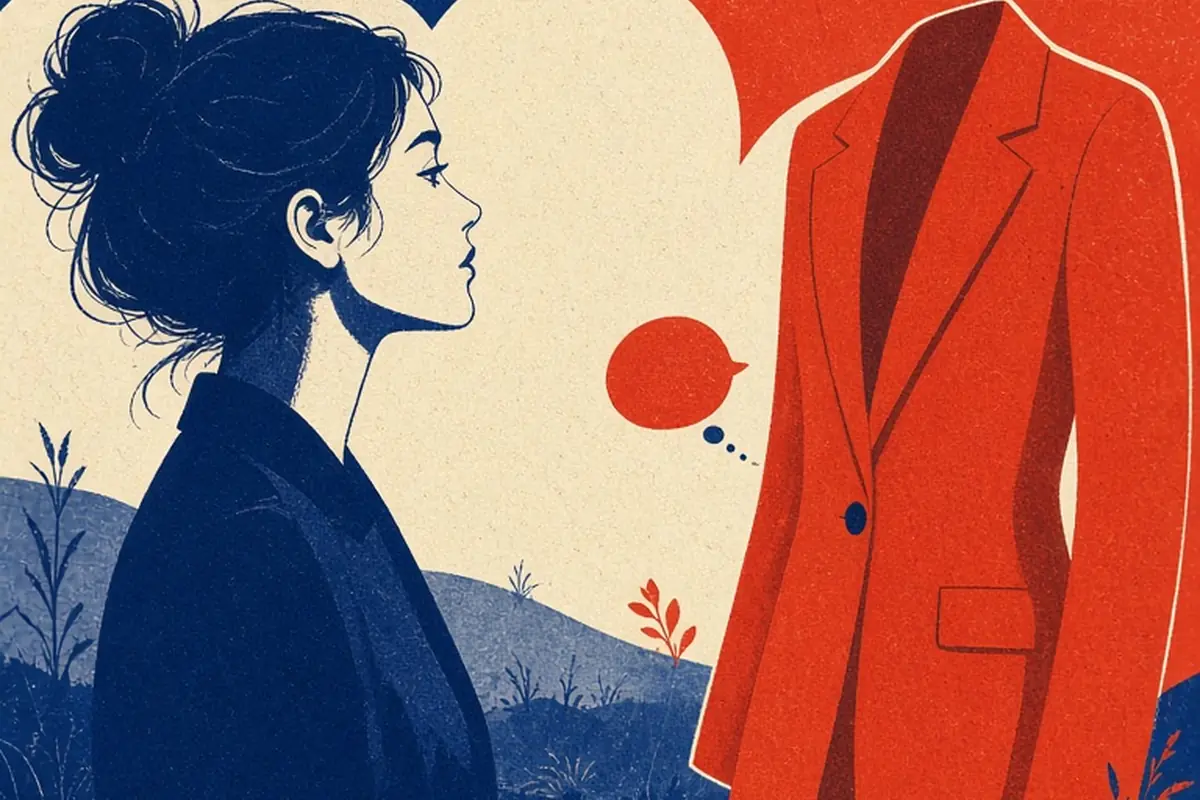
For professional headshots, women should choose solid, mid-tone or jewel-tone colors such as navy, emerald, plum, and rich slate, paired with structured necklines like modest V-necks, boatnecks, or collared blazers. Avoid busy micro-patterns, neon shades, loose silhouettes, and distracting jewelry. Selecting well-fitted, tailored pieces that reflect your industry standard ensures your headshot looks polished, timeless, and focused entirely on your face.
Preparing for a professional headshot session involves more than simply picking a favorite work outfit from your closet. Studio lighting, camera lenses, and tight framing interact with fabrics, colors, and cuts in specific ways that can either elevate your professional presence or create unintended visual distractions.
Selecting the Right Color Palette for Studio and Natural Lighting
Color is the most immediate visual element in any photograph, establishing mood, contrast, and focus. For professional headshots, jewel tones and saturated mid-tones consistently produce the most flattering results across a wide spectrum of skin tones and studio lighting arrangements. Shades like rich sapphire, emerald green, warm plum, deep teal, and classic navy add vibrancy without overpowering your facial features. These colors absorb and reflect camera strobes evenly, creating rich photographic depth while directing the viewer's attention directly to your eyes and smile.
Conversely, extreme shades require careful consideration. Solid stark white can easily blow out under bright studio lights, losing fabric texture and drawing the eye away from your face, while solid pitch-black tops can swallow shadow detail, making garments look like a flat silhouette unless they feature distinct textural elements. Neon shades and overly saturated warm hues like bright orange or hot pink can cast unwanted color reflections onto your chin, neck, and jawline. If you prefer neutral tones, opt for sophisticated alternatives such as slate gray, rich camel, taupe, or dark charcoal, which provide clean contrast without technical exposure issues.
When choosing colors, also consider the anticipated backdrop of your photo session. If your company uses pure white or light gray backgrounds, a soft cream top will lack definition, whereas a darker jewel tone or structured navy jacket creates crisp, professional separation. For outdoor or environmental portraits, earthy neutrals and rich cool tones harmonize naturally with foliage, urban architecture, or modern office interiors.
Choosing Necklines That Frame the Face in Close Crops
Headshots are typically framed from the chest up or shoulders up, meaning your collar and neckline serve as the immediate frame for your face. The shape of your neckline dramatically impacts visual proportions, influencing the perceived length of your neck and the sharpness of your jawline. Choosing a neckline that feels balanced and modest ensures your image remains versatile across corporate websites, social media profiles, and speaking programs.
Modest V-necks, gentle scoop necks, and elegant boatnecks are widely recommended because they open up the chest area without revealing excessive skin, creating an elongating effect that directs visual attention upward. Tailored collars on blouses or button-down shirts convey structured authority and look particularly sharp when framed beneath a blazer. If you select a button-down shirt, ensure the collar stands cleanly without collapsing flat against your collarbone, and verify that the button spacing does not pull or gap when you sit upright.
Be cautious with extremes in collar design. Very low-cut necklines can appear disproportionate or even look like bare skin in a tight digital crop, compromising the professional tone of your portrait. On the other end of the spectrum, high, bulky turtlenecks and heavy cowl necks can visually shorten the neck and cast soft shadows beneath your chin under downward studio lighting. A tailored, mid-height collar or mock neck made from lightweight knitwear offers a sleek alternative if you prefer higher coverage.
Harnessing the Structure of Layering and Tailoring
Layering is one of the most effective techniques for adding polish, authority, and versatility to a professional portrait. A structured blazer, tailored jacket, or fine-knit cardigan establishes crisp shoulder lines, which naturally improves posture and creates a defined silhouette on camera. Even in business-casual environments, adding a well-fitted layer lends an intentional, finished quality to your appearance that a standalone blouse or top may not achieve.
The fit of your outerwear is critical when seated or posed under the direction of a photographer. Garments that are even slightly too large can bunch at the shoulders or billow around the torso when you lean forward, giving the illusion of poor fit or slouching. Look for blazers that contour gently to your waist and sit flat across your shoulders without pulling. If you choose to layer a cardigan over a silk shell or tailored top, prioritize fine-gauge knits like merino wool or silk-cotton blends rather than chunky, oversized knits that add unwanted bulk.
Layering also gives you practical flexibility during your photoshoot. By simply removing or swapping a jacket, you can capture two distinct aesthetic variations within a single session—such as a formal suiting look for corporate governance materials and an approachable, sleeveless or knitwear look for editorial features and social platforms—without requiring a full wardrobe change.
Managing Patterns, Prints, and Fabric Textures
While bold prints and trendy patterns can look striking in everyday life, they present unique challenges in high-resolution photography. Tight, repetitive geometric patterns—such as small houndstooth, fine pinstripes, micro-checks, and tightly spaced dots—can trigger an optical artifact known as the moiré effect. This occurs when the camera sensor's pixel grid clashes with repetitive textile lines, producing distracting, wavy rainbow-like distortions in the final digital image.
Solid fabrics remain the safest and most timeless choice for headshots, but solid clothing does not have to look flat or monotonous. Incorporating rich, subtle textures adds visual interest and sophistication without creating optical noise. Fabrics like matte silk, high-twist wool, crepe, breathable linen blends, and smooth ponte knits capture light beautifully, giving depth to your outfit while keeping the focus entirely on your facial expressions.
If you genuinely love patterns and feel they are central to your personal brand, choose larger, organic prints with soft contrast, such as a muted watercolor floral or a subtle abstract design. Pair any patterned piece with a solid, structured layer—like a dark blazer over a patterned silk blouse—to anchor the frame and prevent the print from dominating the portrait.
Selecting Complementary Jewelry, Accessories, and Eyewear
Accessories should serve as subtle accents that complement your outfit rather than competing focal points. In close-up photography, oversized or highly reflective jewelry can catch strobe flashes, resulting in intense specular highlights that pull the viewer's gaze away from your eyes. Simple, elegant pieces like pearl or metal stud earrings, delicate drop earrings, or a minimalist pendant necklace provide a polished touch without causing visual clutter.
If you wear glasses daily, it is generally best to wear them in your headshots so colleagues and clients recognize you instantly. Ensure your lenses are thoroughly cleaned before the shoot and feature an anti-reflective coating to minimize glare from studio softboxes. If your glasses produce strong reflections under lights, your photographer can adjust their lighting angles or ask you to tilt the frames downward slightly from the back of the ears to maintain clear, glare-free eyes in the shot.
Pay equal attention to practical accessory details that may seem minor. Avoid wearing noisy, layered bangles or bracelets that click together during subtle posing adjustments, and remove bulky fitness trackers or silicone wristbands before stepping in front of the lens unless you want them visible in wider three-quarter crops.
Aligning Your Attire with Industry Norms and Personal Brand
The ideal headshot outfit balances timeless photographic principles with the specific expectations of your professional industry. What conveys trust, capability, and modern relevance in a financial institution or law firm differs markedly from what resonates in a creative agency, tech startup, or wellness consultancy. Defining your audience helps you gauge the appropriate balance between classic formality and contemporary personal style.
For corporate, legal, financial, and executive leadership roles, traditional tailoring remains the benchmark. Darker neutral suits, crisp tailored shirts, structured shift dresses, and refined jewel-tone blouses communicate reliability, competence, and authority. For technology, consulting, education, and marketing sectors, smart-casual combinations—such as a tailored blazer over an open-collar silk blouse, an elegant boatneck knit, or a structured collarless jacket—offer an approachable yet authoritative image.
For creative entrepreneurs, designers, and coaches, your headshot provides more latitude to showcase individuality. You might experiment with asymmetrical necklines, modern silhouettes, distinctive textures, or bolder color accents. Regardless of industry, the objective remains the same: your clothing should support your credibility rather than distract from your expertise.
Preparing Fit, Undergarments, and Session-Day Logistics
The preparation you do before arriving at the studio plays a decisive role in how your clothing translates to the final images. Proper foundation garments are essential; seamless, flesh-toned bras that offer smooth support prevent visible lines, strap slippage, or texture showing through lighter fabrics under powerful studio strobes. Make sure to try on your complete outfit, including undergarments, in front of a well-lit mirror several days before the shoot to check for pulling, bunching, or unintended transparency.
Wrinkles, lint, and pet hair are magnified under high-resolution studio cameras. Iron or steam your chosen garments the night before your session, and transport them to the studio on sturdy hangers rather than wearing them in the car, which creates seatbelt creases and lap folds. Bring a portable lint roller and a small clothing care kit for last-minute touch-ups.
Always prepare and bring two to three distinct outfit options to your session. Having choices allows your photographer to evaluate how different colors and necklines interact with the lighting setup and background, ensuring you leave with a diverse portfolio of images suitable for various professional contexts.
Illustrative Scenarios
Wardrobe Selection for an Executive Consultant
An independent management consultant needed new headshots for speaking engagements and client proposals. She brought a crisp white shirt, a bright patterned scarf, a structured navy blazer, and an emerald silk blouse to her shoot. Testing under studio lighting revealed that the patterned scarf distracted from her face and the white shirt lost detail against a light backdrop. Pairing the emerald silk blouse under the structured navy blazer created clean lines, vibrant contrast, and a warm, authoritative presence that photographed smoothly across both bust-up and tight crops.
Key point: Testing solid jewel tones and structured layers against the studio background creates balanced contrast and keeps the visual focus centered on the face.
Frequently asked questions
Should I wear long sleeves or short sleeves for a headshot?
Long sleeves, three-quarter sleeves, or structured layers like blazers are generally recommended over sleeveless or short-sleeved tops. Bare arms draw significant light and attention in close-up framing, which can visually compete with your face. If you prefer a sleeveless top, consider layering a tailored jacket or cardigan over it.
Can I wear black or white clothing for professional headshots?
You can wear black or white, but both require intentional styling and lighting. Pure white can wash out or create harsh glare under studio strobes, while solid black can lose shadow definition and look flat. If you choose black or white, pair it with a contrasting layer or opt for textured fabrics like silk, wool, or crepe.
How many outfits should I bring to my headshot session?
Bringing two to three well-prepared outfits on hangers is ideal for most professional photo sessions. This provides enough variety to test different necklines and colors against the studio backdrop without overwhelming your allotted shooting time with excessive wardrobe changes.
What type of jewelry looks best in a professional headshot?
Simple, understated jewelry such as stud earrings, small hoops, or delicate pendant necklaces works best on camera. Avoid oversized, highly reflective pieces or layered necklaces that can create distracting light glares and shift out of place during posing adjustments.
Your next step
Select two or three well-fitted, solid-colored outfits in jewel tones or rich neutrals, steam them thoroughly, transport them on hangers, and pair them with modest necklines and structured layers for a polished, camera-ready shoot.