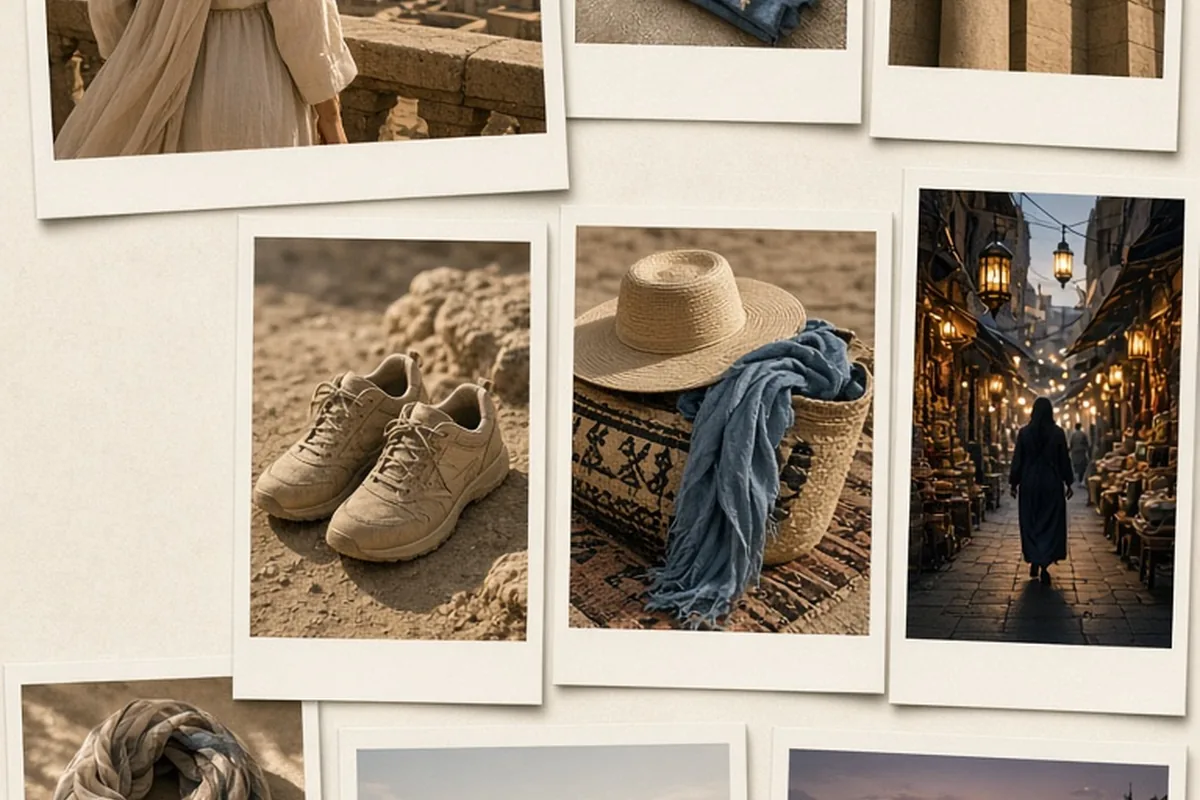
When visiting Cairo as a woman, wear lightweight, opaque, and loose-fitting clothing that covers your shoulders, chest, and knees. Breathable natural fabrics like linen, cotton, and chambray work best in the desert heat. Pack maxi dresses, wide-leg trousers, long-sleeve tunics, and a lightweight scarf for mosque visits. Dressing modestly shows respect for local traditions, helps deflect unwanted public attention, and shields your skin from the intense sun.
Packing for Egypt requires balancing personal comfort in hot desert conditions with cultural awareness in a conservative metropolis. Cairo is a vibrant city with diverse neighborhoods, but daily social norms outside private resorts favor modest clothing for both residents and visitors.
Core Principles for Daily Modesty and Fabric Selection
The primary goal when choosing your daily wardrobe for Cairo is keeping your body cool without wearing revealing clothing. In general, public spaces across Cairo call for shirts that cover your collarbones and upper arms, as well as pants or skirts that fall below the knee. Loose silhouettes allow air to circulate around your skin far better than tight activewear, making roomy linen trousers, cotton midi-skirts, and relaxed button-down shirts significantly more comfortable than tank tops or fitted synthetic leggings. Natural fibers such as linen, cotton voile, rayon, and lightweight silk-cotton blends are essential because synthetic fabrics like polyester and nylon trap heat and moisture quickly.
Opacity is just as important as coverage under bright Egyptian sunlight. Many lightweight summer garments become completely sheer when exposed to direct sun, revealing undergarments or silhouettes unintentionally. Before packing, hold your tops and skirts up against a window to check their transparency. If a favorite white linen tunic is somewhat see-through, layer it over a lightweight cotton camisole or choose a darker, earthy tone like terracotta, olive, sand, or navy. One practical trade-off of natural linen is its tendency to wrinkle during transit, so rolling your garments carefully or accepting a relaxed, lived-in texture will save you time and frustration during your trip.
Sightseeing at the Pyramids and Historic Outdoor Sites
Touring ancient outdoor locations like the Giza Plateau, Saqqara, and Dahshur presents specific physical challenges, including fine blowing sand, uneven limestone ground, and relentless sun with almost no shade. For these excursions, loose ankle-length pants or culottes paired with a long-sleeve, breathable utility shirt or linen tunic create an ideal outfit. Long sleeves offer critical protection against ultraviolet rays and blowing sand particles, often keeping you cooler during prolonged exposure than bare skin exposed to the baking sun. A lightweight button-up shirt can be worn open over a crew-neck cotton tee, allowing you to adapt as morning temperatures rise toward midday peaks.
While flowy maxi dresses look striking against desert monuments, they can present minor logistical hurdles around archaeological sites. Extremely long hems collect fine desert dust, drag across dirt pathways, and can easily become caught in vehicle doors or camel stirrups if you choose to ride. A practical compromise is a midi-length shirt dress or wide-leg culotte that ends safely above the ankle. Ensure that whatever bottoms you choose allow you to step comfortably up high stone steps and navigate the steep ramps found inside ancient tomb shafts and museum corridors.
Dress Requirements for Mosques and Religious Landmarks
Visiting historical religious sites such as the Mosque of Muhammad Ali at the Citadel, Sultan Hassan Mosque, or Al-Azhar requires stricter dress codes than ordinary street wandering. In active mosques, women must cover their hair, shoulders, upper arms, and legs down to the ankles. Modesty rules also apply to cleavage and back cutouts, which must be fully covered. Carrying an oversized, breathable cotton or modal pashmina in your daily daypack ensures you are always prepared to drape a head covering around your head and shoulders before entering any sacred space without needing to rent shared garments at tourist entrances.
Entering a mosque also requires removing your shoes at the entrance or placing them in a small designated carry-bag. The marble courtyards can become blistering under the afternoon sun, while indoor wool carpets receive thousands of daily footsteps. Wearing or carrying a clean pair of breathable cotton ankle socks prevents walking barefoot on hot stones or dusty rugs. If your day's itinerary includes both historical mosques and bustling outdoor markets, wearing an ankle-length tiered skirt with a high-neck blouse allows you to transition smoothly between religious monuments and casual street exploration with zero outfit changes.
Footwear Strategies for Cairo's Streets, Steps, and Dust
Footwear in Cairo must prioritize durability, arch support, and protection against street grit. The city features a combination of cracked sidewalks, high curbs, dusty paths, unpaved alleyways, and slick historical marble. Open-toe flip-flops or delicate high-heeled sandals are poorly suited for daily sightseeing, as they leave your feet exposed to grime, increase your risk of tripping, and offer inadequate support across miles of walking. Instead, invest in supportive, low-profile leather or canvas walking sneakers with cushioned soles, or durable travel sandals featuring secure ankle straps and thick tread.
When choosing shoes, consider how easy they are to slip off and on for mosque visits, hotel security checkpoints, and indoor tea stops. Closed-toe sneakers protect your toes from gravel and dust when navigating crowded bazaars like Khan el-Khalili, though they can feel warm during peak afternoon heat. To balance ventilation and protection, pair your sneakers with moisture-wicking merino wool or bamboo socks. If you prefer sandals, choose designs made with water-resistant footbeds that can be wiped clean with a damp cloth at the end of every travel day.
Evening Outfits for Upscale Districts, Rooftops, and Nile Cruises
Cairo's dress standards vary somewhat depending on the neighborhood and setting. Cosmopolitan districts such as Zamalek, Maadi, Garden City, and New Cairo feature upscale cafes, art galleries, fine dining venues, and rooftop cocktail lounges where local and international patrons dress in contemporary smart-casual attire. In these indoor or private spaces, you will see a wider range of modern fashion, including tailored trousers, sleeveless silk tops, stylish jumpsuits, and knee-length designer dresses, though modesty remains valued in public transit corridors between venues.
For evening Nile dinner cruises, hotel rooftop dining, or modern restaurants, a tailored linen jumpsuit, a printed maxi dress with three-quarter sleeves, or dark wide-leg trousers paired with an elevated blouse works wonderfully. Cairo evenings between November and March can turn unexpectedly brisk once the desert sun sets, with temperatures dropping into the low fifties. Indoor venues also frequently run powerful air conditioning during summer months. Packing a compact denim jacket, a tailored blazer, or a fine-knit cardigan ensures you stay warm while dining along the river breeze.
Essential Accessories and Day-Bag Organization
The right travel accessories enhance both your comfort and peace of mind when navigating Cairo. A wide-brim sun hat made of packable straw or UPF-rated fabric shields your face, neck, and scalp from harsh overhead sunlight during midday tours. Pair your hat with polarized sunglasses that block glare from limestone monuments and dusty haze. For your daily belongings, a secure crossbody bag with zipper closures or a small anti-theft backpack keeps your wallet, phone, water bottle, and backup scarf safely secured against your torso in crowded markets and public transit hubs.
Inside your daypack, keep a few small utility items to refresh your outfit throughout hot days. A package of biodegradable wet wipes and a small bottle of hand sanitizer help you freshen up dusty hands and feet after exploring historic ruins. Carrying a reusable stainless steel water bottle keeps hydration cold, while a small travel-sized bottle of mineral sunscreen allows you to reapply coverage to your exposed hands, neck, and face. Choosing neutral, dust-forgiving accessory colors like khaki, taupe, and slate gray helps your gear look clean despite the dry, dusty urban environment.
Frequently asked questions
Do female tourists have to wear a headscarf everywhere in Cairo?
No, non-Muslim female tourists are not required to cover their hair when walking the streets, visiting museums, or dining in restaurants in Cairo. You only need to wear a headscarf when entering active mosques, where hair covering is a mandatory sign of religious respect.
Can women wear shorts, crop tops, or tank tops in public?
Shorts, crop tops, and low-cut tank tops are not recommended for general sightseeing in Cairo because they conflict with local cultural norms and invite significant unwanted staring. While such clothing may be accepted inside private international beach resorts along the Red Sea, modest coverage remains standard in Cairo.
What should women wear when swimming at hotel pools in Cairo?
Standard one-piece swimsuits, tankinis, and standard bikinis are entirely acceptable at private hotel swimming pools and international resort facilities in Cairo. However, you should put on a modest cover-up, such as a kaftan or shirt dress, when walking through hotel lobbies, hallways, and dining terraces.
How does packing change between summer and winter in Cairo?
Summer demands ultra-breathable, loose-fitting linen and cotton pieces that protect against extreme heat and strong sun. Winter in Cairo requires practical layering, as daytime weather is mild while mornings, evenings, and unheated indoor stone structures can feel quite chilly, making light sweaters, jackets, and closed shoes necessary.
Your next step
Build your Cairo capsule wardrobe around five to seven versatile, opaque pieces made of natural cotton and linen that cover your shoulders and knees. Lay out your planned outfits in bright natural light before packing to verify their opacity, and tuck a soft pashmina into your day bag so you are always ready for any historic mosque or breezy evening.