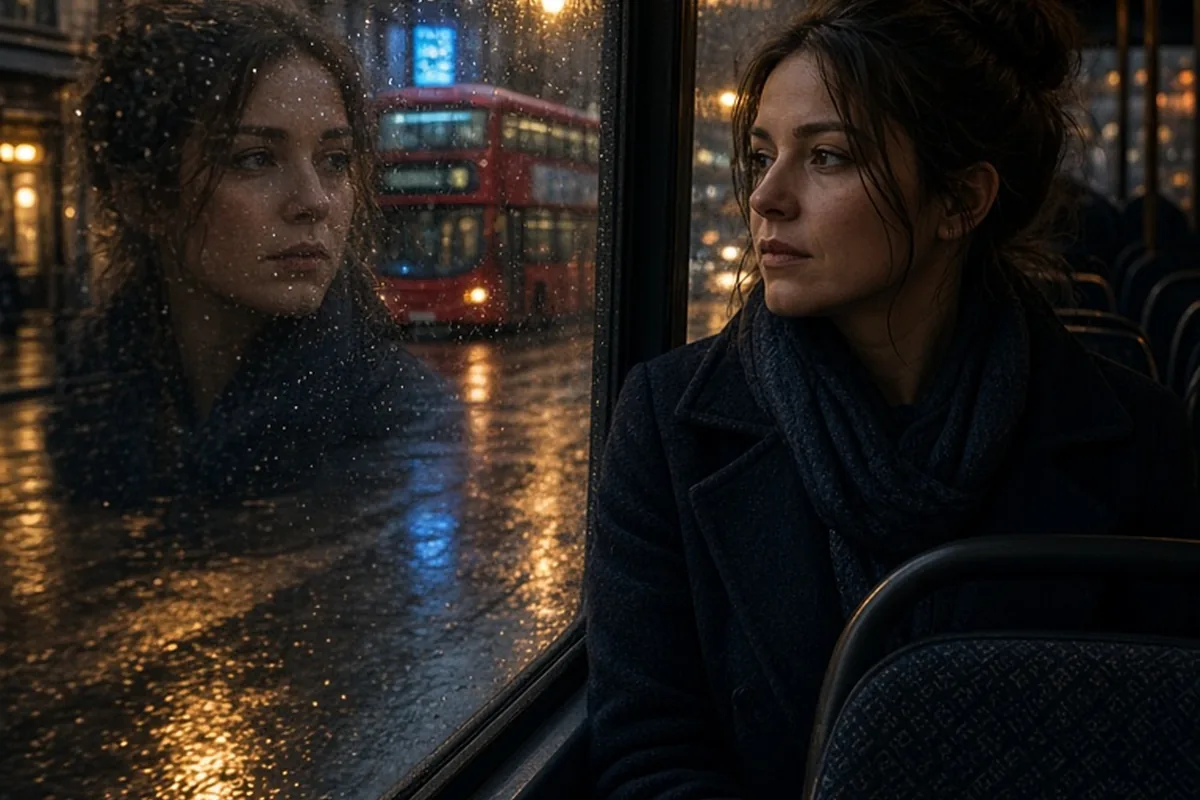
To dress comfortably and stylishly in London, prioritize adaptable layers, water-resistant outerwear, and broken-in walking shoes. London street style leans smart-casual, understated, and tailored. Combine elevated basics like tailored trousers or dark denim with breathable knits, a classic trench coat or wool overcoat depending on the temperature, and sleek, weather-proof leather boots or minimalist sneakers suitable for extensive daily walking.
Navigating London requires balancing unpredictable maritime weather with a distinct urban aesthetic that favors effortless polish over flashy trends. Whether you are visiting for a long weekend or settling in for an extended stay, building a functional, stylish wardrobe means preparing for sudden rain, significant walking, and frequent temperature shifts between heated underground trains and breezy outdoor streets.
The Core London Aesthetic: Smart-Casual and Functional Elegance
London style is defined by a relaxed yet deliberate smart-casual approach. Locals tend to gravitate toward timeless silhouettes, neutral color palettes, and well-tailored garments that can transition effortlessly from a morning commute to an evening dinner. Rather than wearing ultra-casual loungewear or loud, head-to-toe logos, everyday dressing in the city centers on clean lines, muted tones like navy, charcoal, beige, black, and olive, accented with deliberate textures like houndstooth, wool, and structured cotton.
To capture this sensibility, focus on building an outfit around elevated everyday staples. A pair of straight-leg dark denim jeans or wide-leg pleated trousers paired with a tucked-in ribbed knit and a structured blazer instantly creates an intentional, put-together appearance. The goal is to look refined without appearing overdressed or uncomfortable, allowing you to move through historic streets, casual coffee shops, and upscale galleries with equal ease.
Mastering the Art of Layering for Unpredictable Weather
The primary challenge of dressing in London is managing rapid temperature fluctuations throughout a single day. A morning that begins with brisk winds and overcast skies can quickly shift into humid sunshine before finishing with an evening drizzle. Furthermore, London Underground platforms and carriages often become very warm, creating a stark contrast with the chilly outdoor air at street level. Relying on a single heavy garment will leave you either freezing outdoors or overheating on transit.
An effective London layering formula consists of three key components: a breathable base layer, an insulating mid-layer, and a protective outer shell. Start with a fitted cotton t-shirt, fine merino wool top, or lightweight camisole next to your skin. Add a cardigan, crewneck knit, or tailored blazer that you can easily unbutton or remove. Finally, top the outfit with weather-appropriate outerwear. This modular approach ensures you can calibrate your comfort throughout the day without having to carry bulky, awkward garments in your hands.
Footwear Essentials: Navigating Cobblestones, Puddles, and High Step Counts
Daily life in London involves significant walking across varied terrain, including damp pavements, historic cobblestone alleys, and numerous flights of Tube station stairs. Footwear is the single most important decision in your daily outfit. Wearing unsupportive shoes or sky-high heels will quickly cut a day short, while purely utilitarian hiking shoes can feel out of place in central restaurants and cultural venues.
Your best choices are broken-in leather ankle boots, waterproof Chelsea boots, tailored loafers, and minimalist leather sneakers. A sleek pair of white or black leather sneakers pairs seamlessly with tailored trousers, midi skirts, and denim while providing the shock absorption needed for ten to fifteen thousand steps. For wetter or colder months, water-treated leather Chelsea boots with rubber lug soles provide essential grip on slick surfaces while keeping your feet dry and looking chic.
Seasonal Wardrobe Strategies from Spring to Winter
Spring (March through May) brings mild temperatures alongside frequent passing showers. This season calls for a classic midi-length trench coat, lightweight knitwear, cropped denim, and ankle boots. A trench coat acts as the ultimate London spring staple because it offers water resistance, blocks wind, and instantly elevates simple jeans-and-tee combinations.
Summer (June through August) can range from pleasant and temperate to surprisingly warm during heatwaves, though evenings remain cool. Opt for breathable fabrics such as linen, poplin, and lightweight cotton. Flowing midi dresses, linen button-downs paired with tailored shorts, and comfortable leather sandals are ideal. Keep a light denim jacket, blazer, or cotton cardigan in your bag for cooler nights or sudden grey spells.
Autumn (September through November) introduces crisp air, vibrant foliage, and increased rainfall. Transition into heavier textured knits, corduroy or wool trousers, and leather jackets or mid-weight wool coats. Rich jewel tones, deep browns, and classic plaids complement the city's autumn palette.
Winter (December through February) is characterized by short daylight hours, damp cold, and biting winds. Prioritize a tailored wool coat or an insulated water-resistant parka that falls past the hips. Pair this with thermal base layers, cashmere or heavy wool sweaters, warm fleece-lined tights under midi skirts or trousers, and sturdy winter boots.
Day-to-Night Transitions for Sightseeing, Pubs, and West End Theatres
A typical day in London frequently blends sightseeing, afternoon pub stops, museum visits, and evening dining or West End theatre performances. It is rarely practical to return to your accommodation to change outfits between daytime activities and evening events. Building versatile day-to-night outfits saves time and keeps you feeling comfortable wherever your evening leads.
To transition seamlessly, wear a cohesive base outfit—such as black wide-leg trousers and a fine-knit turtleneck, or a dark patterned midi dress. During the day, style this base with comfortable sneakers, a crossbody bag, and casual outerwear. For the evening, swap the sneakers for sleek heeled ankle boots or polished loafers, add understated statement jewelry such as gold hoops, apply a bolder lip color, and drape a tailored coat over your shoulders. Most London venues, including historic pubs and West End theatres, appreciate smart-casual attire without requiring black-tie formality.
Outerwear, Bags, and Weather Accessories
Accessories in London serve an explicitly practical purpose while framing your overall silhouette. When selecting an umbrella, avoid fragile disposable models that collapse in the first gust of wind; invest instead in a compact, wind-resistant travel umbrella that fits neatly into your day bag. Alternatively, choosing a hooded waterproof mac or a belted water-repellent trench coat often eliminates the need to carry an umbrella through crowded pavements entirely.
For bags, security and comfort are paramount. A medium-sized crossbody bag with a secure zip closure is the most functional option for exploring the city and riding public transport. Avoid open tote bags or backpacks that sit out of sight in packed train carriages. Complete your outfit with a generous cashmere or wool scarf, which provides warmth in winter, acts as an emergency layer on air-conditioned trains in summer, and adds a polished focal point to any coat.
Common Styling Mistakes to Avoid in London
One common miscalculation is wearing brand-new, unbroken-in footwear on your first day out. The extensive walking on hard pavements will quickly cause blisters. Always ensure your shoes have been thoroughly worn and tested before relying on them for a full day in town.
Another mistake is underestimating the damp chill. London cold often feels sharper than the thermostat suggests because high humidity makes brisk air penetrate thin fabrics easily. Rather than packing one massive, stifling ski jacket, pack quality thermal undergarments and tightly woven wool knits that seal in body heat without restricting movement or looking out of place in indoor venues.
Illustrative Scenarios
A Day in Central London: Blending Comfort and Polish
A traveler spent a full October day walking from an exhibition at the British Museum to lunch in Soho, followed by an evening show near Covent Garden. By choosing straight-leg dark jeans, a breathable merino crewneck, an open tailored trench coat, and water-resistant Chelsea boots, she remained comfortable through a brief afternoon rain shower and hot Underground transfers. Before dinner, she removed her rain-resistant outer layer, added gold hoop earrings, and applied a dark berry lipstick, fitting right into the upscale theatre crowd without needing to return to her hotel.
Key point: Selecting a versatile base of quality basics paired with modular, water-resistant outerwear allows you to adapt to weather swings and venue dress expectations effortlessly.
Frequently asked questions
Are sneakers acceptable to wear in London restaurants and pubs?
Yes, clean, minimalist leather sneakers in white, black, or neutral tones are widely accepted in casual pubs, cafes, and most contemporary restaurants. Only high-end fine dining establishments or exclusive private clubs enforce strict dress codes that prohibit athletic footwear.
Is an umbrella better than a waterproof coat in London?
A water-resistant coat with a hood or a structured trench coat is generally more practical than an umbrella on crowded, windy streets. However, keeping a sturdy, wind-resistant compact umbrella in your bag provides useful backup for sudden, heavy downpours.
What is the appropriate dress code for afternoon tea or West End shows?
Smart-casual attire is the standard for both afternoon tea and West End performances. Opt for tailored trousers, a midi dress, or dark denim paired with a blouse or fine knit, avoiding overly casual athletic wear or beachwear.
Your next step
Audit your planned travel wardrobe by assembling three distinct three-piece layering sets paired with broken-in, weather-resistant footwear before packing.