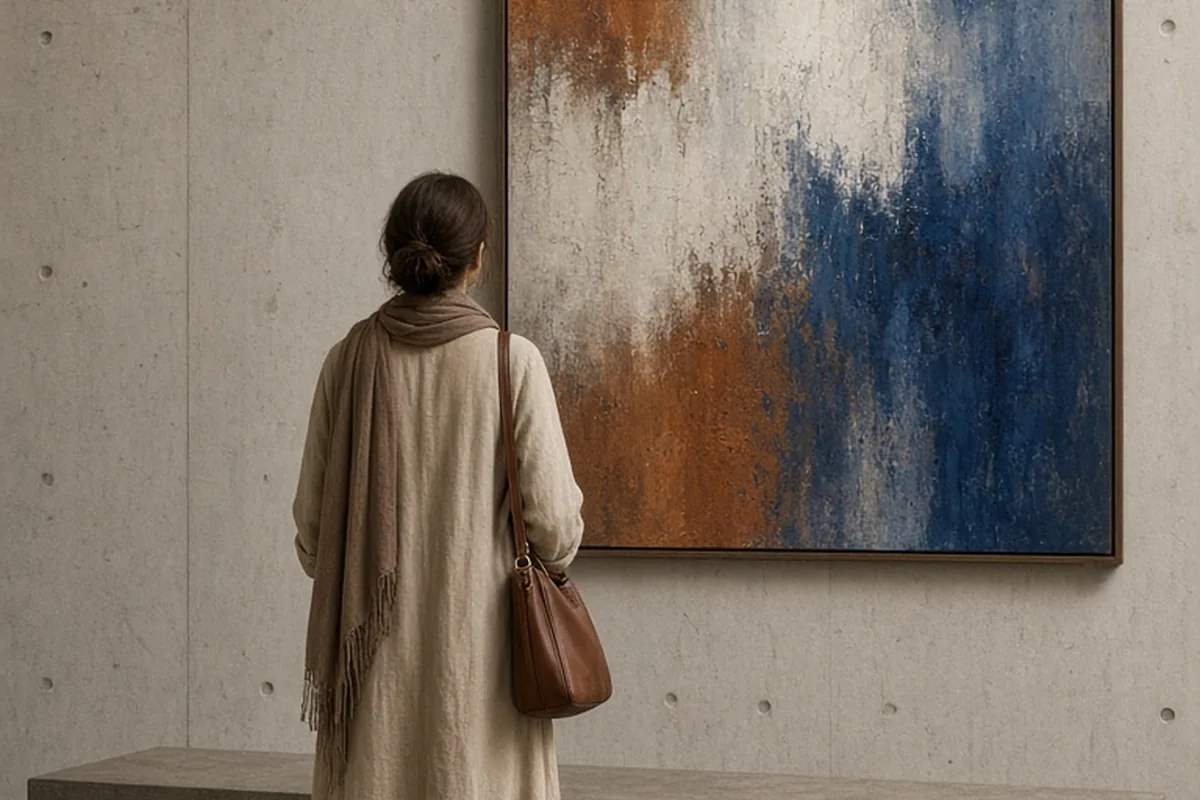
Women traveling in Morocco should generally aim for loose, breathable clothing that covers the shoulders, chest, and knees. Loose maxi dresses, linen button-downs, wide-leg trousers, and lightweight cardigans work exceptionally well across cities and rural valleys. Carrying a light scarf provides instant sun protection and coverage for visiting historic religious sites, while comfortable walking shoes handle uneven cobblestones.
Packing for a journey through Morocco involves balancing personal comfort, climate realities, and respect for local cultural norms. While Morocco is a popular international destination with a modern, hospitable tourism sector, it remains a predominantly Muslim and culturally conservative country where clothing carries social meaning. Choosing the right wardrobe helps you move through bustling medinas, rural mountain villages, and coastal towns with confidence and ease.
Navigating Cultural Expectations and Everyday Modesty
In Morocco, modesty is a deeply ingrained social norm rooted in Islamic traditions, though its expression varies significantly between major cosmopolitan hubs and rural settlements. Local women wear a wide variety of clothing, ranging from traditional djellabas and hijabs to modern European fashion in upscale districts of Casablanca or Rabat. For travelers, adopting a modest baseline shows cultural respect, facilitates warmer interactions with local shopkeepers and families, and substantially reduces unwanted public staring or unsolicited street attention.
A practical rule of thumb is the shoulder-to-knee guideline: keep your shoulders, cleavage, midriff, and thighs covered during your daily excursions. Loose-fitting garments are preferable to tight athletic wear, as loose fabric allows body heat to escape while maintaining an understated profile. You do not need to alter your identity or dress identically to local residents, but selecting slightly more conservative cuts allows you to navigate public squares, markets, and transit hubs without feeling overly exposed.
Best Fabrics and Silhouettes for Warm Climates
Morocco can experience intense heat, particularly between May and October, making fabric choice just as crucial as the cut of your clothes. Natural, breathable fibers such as 100% linen, lightweight woven cotton, bamboo, and lightweight modal allow air circulation and absorb moisture far more effectively than synthetic polyester or nylon blends. Tightly woven natural fabrics also offer an added layer of physical defense against harsh ultraviolet rays during long afternoons spent wandering unshaded alleys.
Opt for silhouettes that create space between the fabric and your skin. High-waisted linen palazzo pants, tiered midi or maxi skirts, oversized poplin button-downs, and breezy midi dresses with elbow-length sleeves are wardrobe workhorses. The trade-off with natural linen is its tendency to wrinkle during transit, but hanging garments in a steamy riad bathroom or embracing a naturally relaxed, rumpled texture easily resolves this issue without requiring daily ironing.
- Wide-leg linen or lightweight cotton trousers that sit comfortably at the natural waist.
- Oversized cotton button-down shirts that can be worn buttoned or open over a high-neck tank.
- Tiered maxi or midi dresses with sleeves that cover the shoulders and upper arms.
- Lightweight woven cardigans or kimonos for an effortless layering piece over sleeveless bases.
City-by-City Style Variations Across Morocco
Morocco is geographically diverse, and dress expectations shift depending on the specific region you are exploring. Marrakech is cosmopolitan, artistic, and heavily touristed; here, colorful linen co-ord sets, chic tunics, and stylish sun hats are commonplace around Gueliz and major heritage sites. In contrast, historic religious centers like Fes and conservative northern towns like Chefchaouen warrant extra attention to longer hemlines and higher necklines, especially when navigating dense residential quarters.
Coastal enclaves such as Essaouira and Taghazout have a relaxed maritime and surf culture where casual daytime wear is common, though brisk Atlantic winds require windbreakers, denim jackets, and sturdy layers. If you travel to the Sahara Desert around Merzouga or Zagora, fine blowing sand and extreme temperature shifts demand long, loose clothing to protect against sun and grit during the day, paired with warm fleece or thermal layers once temperatures plummet after dusk.
Footwear Selection for Historic Medinas and Rough Terrain
Medinas in Morocco were built centuries before motor vehicles, meaning you will walk miles every day over uneven stone pavers, steep inclines, slick tiles, and unpaved pathways. Footwear must prioritize stability, arch support, and grip over delicate aesthetics. Thin-soled flat sandals or high heels frequently catch in cobblestone gaps and cause ankle fatigue within a couple of hours.
Pack broken-in walking sneakers with breathable uppers, alongside supportive leather or sport sandals that feature secure ankle straps. In addition, consider a pair of slip-on mules or comfortable loafers for evenings at your riad or visits to artisanal shops, where stepping in and out of shoe-free carpeted areas is common. Closed-toe shoes are generally preferable in busy livestock or food market sections of the souks to protect your feet from dust, street debris, and occasional puddle splashes.
Visiting Religious Sites and Historic Landmarks
Most active mosques across Morocco are strictly closed to non-Muslim visitors, with the prominent exception of the grand Hassan II Mosque in Casablanca. When touring historic madrassas (such as the Ben Youssef Madrassa in Marrakech), royal mausoleums, or the Hassan II Mosque, formal modesty standards are strictly enforced at the entrance. Visitors must have wrists, ankles, shoulders, and chest areas fully covered, and clothing must be completely opaque.
Carrying a lightweight pashmina or woven cotton scarf in your everyday daypack provides instant adaptability. While foreign women are not required by law or custom to cover their hair on public streets, draping a scarf over your head and chest is a sign of respect when entering permitted religious monuments. A scarf also serves multiple practical uses throughout the day, functioning as a sun shield, a windbreak during dust storms, or a light wrap in air-conditioned vehicles.
Swimwear and Resort Attire Etiquette
Understanding the boundaries between private tourist spaces and public community spaces is essential when deciding what swimwear to wear. Inside private riad courtyards, boutique hotel swimming pools, luxury desert camps, and private coastal beach clubs, standard Western swimsuits such as two-piece bikinis and one-piece suits are completely acceptable and standard practice among international guests.
However, public city beaches and rural swimming holes represent a very different social environment where local families gather. On public beaches in towns like Tangier or Agadir, sunbathing in a revealing bikini can draw uncomfortable attention. A practical compromise for public beach walks or swimming in shared natural areas is wearing a quick-drying t-shirt over board shorts, or pairing a modest one-piece suit with a lightweight kaftan or tunic cover-up.
Smart Layering for Changing Desert and Mountain Temperatures
One of the most frequent packing mistakes travelers make is assuming Morocco is uniformly hot year-round. The country features diverse microclimates, from snow-dusted peaks in the High Atlas Mountains to arid desert basins that exhibit dramatic diurnal temperature swings. During spring, autumn, and winter, daytime temperatures can reach 80 degrees Fahrenheit before dropping into the low 40s or upper 30s as soon as the sun sets.
A modular layering system ensures you stay comfortable throughout twelve-hour excursions. Start with a breathable cotton base layer, add an insulating mid-layer like a mid-weight cardigan, utility jacket, or denim jacket, and finish with a warm wool wrap or packable down vest if traveling between November and March. Traditional riads are often constructed around open-air courtyards and feature thick masonry walls that retain ambient chill, making warm loungewear and wool socks essential for evenings indoors.
Illustrative Scenarios
Wardrobe Planning for a Multi-Region Itinerary
Elena, an independent traveler, planned an eight-day itinerary starting in Marrakech, driving through the High Atlas Mountains, and ending with an overnight camp in the Agafay Desert. In Marrakech, she wore breathable wide-leg linen trousers paired with loose-fitting poplin shirts, which kept her cool while blending naturally into the market crowds. For the mountain passes and evening desert camp, she relied on a modular system consisting of a lightweight thermal undershirt, a classic denim jacket, and a soft woolen scarf purchased locally. Her footwear stayed focused on one pair of well-cushioned trail sneakers for daytime walking and a pair of supportive leather sandals for dining at riads.
Key point: Selecting a versatile capsule of interchangeable neutral basics combined with smart regional layers prevents overpacking while ensuring comfort across urban, mountain, and desert climates.
Frequently asked questions
Do foreign female travelers have to wear a headscarf in Morocco?
No, foreign women are not legally or culturally required to cover their hair in everyday public settings like medinas, restaurants, or streets. You only need to cover your head when entering specific historical religious monuments that permit non-Muslim entry, such as the Hassan II Mosque in Casablanca. Keeping a light scarf in your daypack makes it easy to add coverage whenever needed.
Can I wear shorts or tank tops while sightseeing in Morocco?
While there is no dress code enforced by police in tourist areas, wearing short shorts or low-cut tank tops in traditional medinas and rural areas frequently attracts uncomfortable stares. It is far more practical to wear loose midi skirts, cropped culottes, or linen pants paired with short-sleeve tops to stay cool while respecting local cultural norms.
What is the appropriate attire for visiting a traditional Moroccan hammam?
In public neighborhood hammams, local women typically bathe wearing underwear bottoms while remaining topless, or completely undressed depending on local custom. In private tourist-oriented luxury spas, disposable underwear or standard bikini bottoms are routinely provided. You should also bring slip-resistant waterproof flip-flops to safely navigate wet, tiled steam rooms.
Your next step
Build a focused capsule wardrobe around four or five loose-fitting linen or cotton bottoms, breathable tops with shoulder coverage, a versatile scarf, and sturdy walking shoes before your departure.