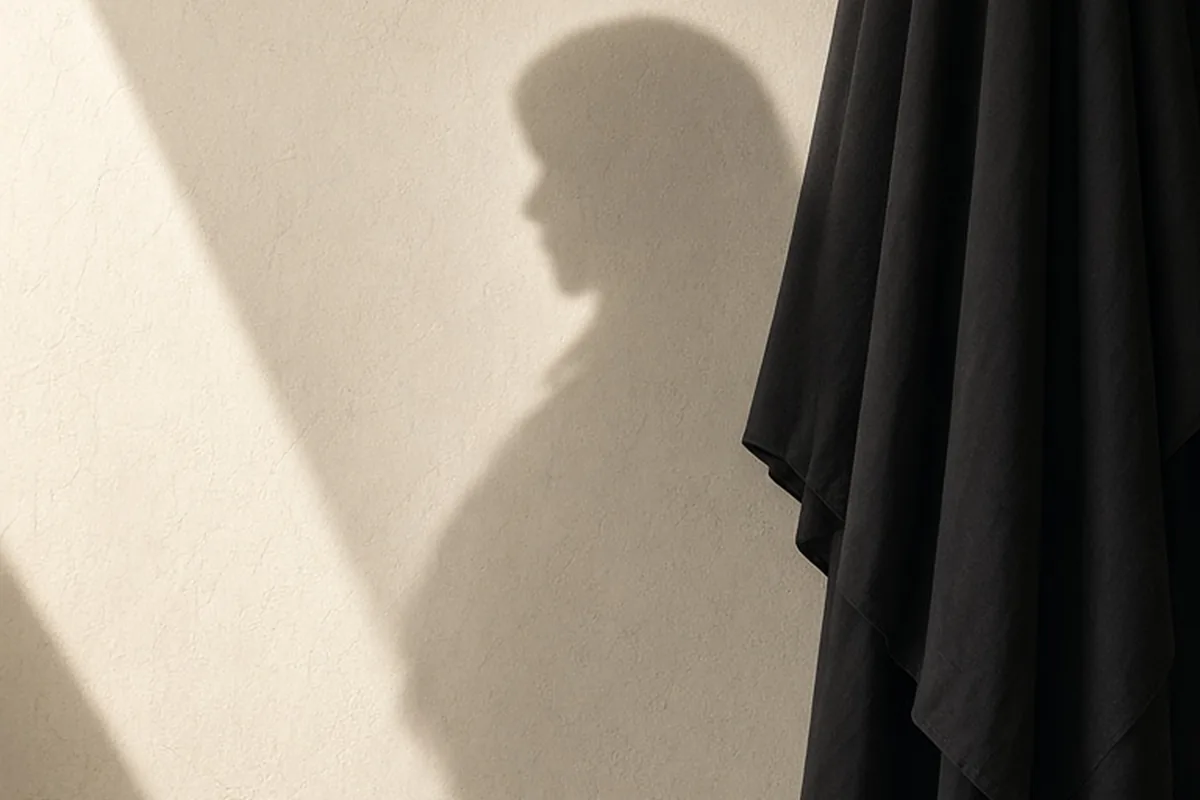
As a female traveler in Saudi Arabia, you are not legally required to wear an abaya or headscarf in public spaces, but you must dress modestly. Wear loose-fitting clothing that covers your shoulders and falls below your knees, with opaque fabrics and modest necklines. In holy sites and mosques, a full abaya and head covering remain mandatory, while private international resorts allow standard resort swimwear.
Understanding clothing expectations before visiting Saudi Arabia helps you pack comfortably and move through different cities with complete confidence. Recent cultural shifts have modernized public attire standards for visitors, yet respectful modesty remains the foundational principle across everyday social life.
Understanding Current Legal Rules and Social Expectations
Saudi Arabia enacted significant legal reforms regarding public dress in late 2019 under its Public Decency Regulations. Prior to these changes, all women in public were legally mandated to wear a loose black overgarment known as an abaya, and many settings expected hair coverings. Today, foreign female visitors and expatriates are no longer legally required to wear an abaya or a headscarf (shayla) on public streets, in restaurants, shopping centers, or tourist landmarks. However, public decency laws still require both men and women to dress modestly in public areas.
Modesty is defined in practical terms as covering your shoulders and upper arms, keeping cleavage fully covered, and wearing garments that extend past the knee, ideally reaching the mid-calf or ankle. Garments must also be opaque and loose enough that they do not cling tightly to the body. While modern metropolitan centers like Riyadh, Jeddah, and the arts districts of AlUla showcase a wide range of contemporary modest fashion, more conservative rural towns and residential neighborhoods maintain traditional expectations where loose, full-coverage clothing helps you blend in effortlessly.
Everyday Capsule Wardrobe Essentials to Pack
Building a travel wardrobe for Saudi Arabia is simplest when you center your outfits around breathable, modular pieces that allow for easy layering. Wide-leg linen or tencel trousers, ankle-length pleated skirts, and loose culottes provide excellent airflow while offering full coverage. Pair these bottoms with relaxed button-down shirts, long tunics, or lightweight crew-neck tops with half-length or full-length sleeves. Avoid low-cut necklines, sheer panels, or sleeveless tops unless you plan to wear an unbuttoned lightweight duster over them.
Dresses are exceptionally comfortable in the regional climate, provided they feature sleeves and fall below the knee. Tiered maxi dresses, utility shirt dresses, and relaxed midi dresses in cotton or rayon blends work well in almost every social setting. When selecting colors, you do not need to restrict yourself to dark shades. Pastels, neutrals, jewel tones, and subtle patterns are common throughout major cities. The primary trade-off to consider is fabric weight: very light white or beige fabrics can become translucent in direct sunlight, so test your garments against backlighting before packing.
- High-waisted wide-leg trousers in breathable linen or cotton blends
- Mid-calf or ankle-length midi and maxi dresses with modest necklines
- Oversized button-down shirts and longline tunics that cover the hips
- Lightweight duster cardigans or open kimonos for instant shoulder coverage
- Opaque cotton t-shirts with crew or boat necklines
Deciding When and How to Wear an Abaya
Even though foreign women are not legally obligated to wear an abaya, many travelers choose to purchase or pack one because of its practical convenience and comfort. Modern abayas function similarly to lightweight, ankle-length cardigans or dusters. They come in an array of neutral tones, earthy terracottas, sage greens, and soft prints, moving far beyond traditional plain black silk. An open-front abaya thrown over a basic t-shirt and jeans instantly transforms a casual outfit into an effortlessly modest, culturally respectful ensemble.
Wearing an abaya can also simplify your daily routine during extended sightseeing days. If you are moving between busy traditional markets, upscale air-conditioned cafes, and heritage sites, slipping into an abaya removes any ambiguity about whether your base outfit meets local comfort levels. You can easily buy an affordable, contemporary abaya at local souks, shopping malls, or boutique shops upon arrival in any major Saudi airport or city center.
Setting-Specific Dress Codes from Mosques to Business Meetings
Dress expectations vary noticeably depending on the specific location and purpose of your visit. When visiting active mosques or religious heritage sites open to visitors, strict traditional modesty applies: all women must wear a loose, floor-length abaya and completely cover their hair with a headscarf (shayla). Shoes are removed before entering prayer halls, so wearing easily removable footwear is helpful. Note that non-Muslim visitors are prohibited from entering the holy city of Mecca and the central religious perimeter of Medina, though tourist access is permitted in other cultural areas of Medina.
For corporate, diplomatic, or academic settings, business attire leans formal and conservative. A tailored pantsuit with a high-neck blouse, a long blazer paired with wide trousers, or a formal midi dress with long sleeves fits professional expectations well. In private gated compounds, luxury international hotel lobbies, and standalone fine-dining establishments, clothing norms are relaxed and cosmopolitan, though excessively revealing garments remain out of place in shared public spaces.
Managing Climate Extremes and Indoor Air Conditioning
Saudi Arabia experiences extreme climatic variations that should directly influence your clothing choices. Summer daytime temperatures regularly exceed 100 degrees Fahrenheit (38 degrees Celsius), making tight synthetic fabrics like polyester uncomfortable and prone to trapping sweat. Natural fibers such as linen, organic cotton, bamboo, and lightweight silk blends offer necessary breathability while providing natural sun protection against harsh UV rays.
Conversely, interior spaces—including shopping malls, rideshare vehicles, conference centers, and museums—run aggressive air conditioning that can feel chilly after stepping inside from the outdoor heat. Winter evenings in desert regions such as AlUla or elevated cities like Riyadh and Abha can drop toward 45 degrees Fahrenheit (7 degrees Celsius). Packing a lightweight pashmina, a wool scarf, or a denim jacket ensures you remain comfortable as temperatures fluctuate drastically between day and night.
Swimwear, Footwear, and Outdoor Activity Standards
Footwear requirements are largely dictated by terrain and comfort. Major cities feature sprawling malls and expansive historical districts with cobblestone walkways or uneven stone tiles, making flat walking sandals, supportive leather loafers, or clean lifestyle sneakers your best options. In religious sites, slip-on shoes make transitions smooth when entering carpeted spaces where shoes are removed.
Waterfront and beachwear rules depend entirely on whether you are visiting a public municipal beach or a private resort. On public municipal beaches, women generally swim in full-coverage swimwear, such as a burkini or a rash guard with swim leggings. In contrast, private international hotel pools, beach clubs on the Red Sea coast, and private resort islands allow standard western swimwear, including one-piece bathing suits and standard bikinis, within the private beach or pool perimeter. When walking between the pool and the hotel lobby or dining areas, putting on a full cover-up or tunic is customary.
Illustrative Scenarios
Navigating Multiple City Settings with a Modular Capsule
Elena, an architect visiting Saudi Arabia for an eight-day trip split between heritage exploration in Jeddah and a design conference in Riyadh, packed five core pieces: two pairs of wide-leg linen pants, three oversized poplin shirts, a neutral open duster abaya, and an ankle-length silk shirt dress. In Jeddah's historic Al Balad, she wore her linen trousers with a long tunic and kept a scarf handy. In Riyadh, she wore her shirt dress to business meetings and used the open duster abaya over trousers during evening dinners.
Key point: Packing modular, loose-fitting neutral layers allows travelers to transition smoothly between professional appointments, historical walking tours, and upscale dining without changing outfits multiple times a day.
Frequently asked questions
Do female tourists have to wear a headscarf in Saudi Arabia?
No, foreign female visitors are not required to cover their hair in everyday public settings like malls, streets, or restaurants. You only need a headscarf when entering mosques or specific holy sites. Carrying a light scarf in your bag is helpful if you decide to visit a religious site spontaneously.
Can women wear jeans and short sleeves in Saudi Arabia?
Jeans are acceptable if they are loose or straight-cut rather than skin-tight, and paired with a top that extends past the hips. Short-sleeve t-shirts that cover the shoulders are fine in modern public areas, but sleeveless tops, tank tops, and crop tops are not appropriate for public wear.
What happens if an outfit does not meet the public decency regulations?
Enforcement of the Public Decency Law is typically handled with polite reminders from security personnel or local authorities asking you to cover up. In rare instances of clear non-compliance with modesty rules, minor civil fines can be issued under municipal decency codes, though respectful compliance resolves almost all situations.
Your next step
Review your planned travel itinerary and select three loose-fitting bottoms and four breathable tops that cover your shoulders and knees to build an easy, modest travel capsule.