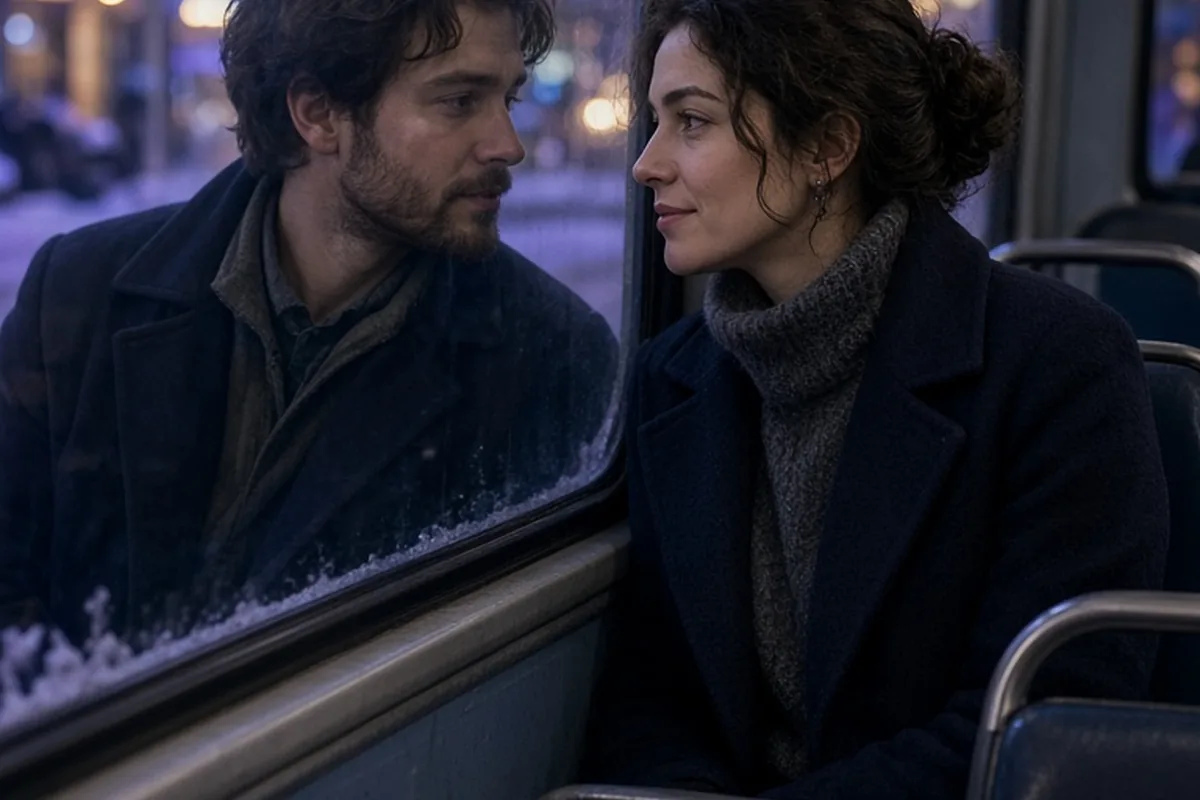
To dress well for a winter first date, build an outfit around breathable, tailored layers that adapt easily between freezing outdoor air and overheated indoor venues. Combine a fitted base layer or collared shirt with a quality knit sweater, structured trousers or dark denim, clean weather-resistant boots, and a tailored wool overcoat. Complete the look with understated, high-texture cold-weather accessories that keep you warm without adding excessive bulk.
Cold-weather dating brings unique logistical challenges, from icy sidewalks and chilly transit rides to cozy, heavily heated restaurants and crowded cocktail lounges. Planning your outfit around versatile layers ensures you stay comfortable, presentable, and focused on genuine connection rather than battling the elements.
Building an Adaptable Base Layer System
The primary secret to winter date fashion is preparing for drastic indoor-outdoor temperature swings. Stepping from a sub-freezing street into a bustling bistro often means an instant thirty-degree jump. If your entire outfit relies on one heavy, suffocating sweater over a thin undershirt, you will likely feel overheated within minutes of taking off your coat, with no polite way to cool down. A strategic three-piece layering system gives you full control over your comfort while maintaining a refined aesthetic.
Begin with a breathable, moisture-wicking foundation such as a fitted Supima cotton crewneck or an ultra-fine merino wool base. Over this, layer a classic button-down shirt, a structured knit polo, or a fine-gauge cardigan. A zip-neck or button-front layer works exceptionally well because you can unfasten it subtly if the venue is warm. For bottoms, choose medium-to-heavyweight fabrics like selvedge denim, tailored wool trousers, or clean corduroy pants. These fabrics provide natural insulation against wind while draping cleanly and resisting wrinkles during long sit-down dates.
Selecting Outerwear That Frames Your Entire Silhouette
Your coat makes your very first visual impression, often setting the tone before you even sit down to order a drink. While extreme arctic parkas and sporty technical ski jackets are practical for blizzards or outdoor hikes, they often look overly utilitarian and bulky in a sit-down cafe, cocktail lounge, or theater. Choosing an outer layer with clean tailoring conveys intentionality and immediate polish.
A single-breasted or double-breasted wool overcoat in charcoal, navy, camel, or deep forest green serves as an ideal standard for winter evenings. If your date is more active or relaxed—such as visiting an outdoor market or strolling through a botanical garden—consider a shearling-lined field coat, an insulated waxed-canvas jacket, or a clean, low-profile down jacket with matte fabric. Ensure the coat offers enough room in the shoulders and chest to fit comfortably over your mid-layers without pulling or restricting your movement when reaching for a menu or taking your seat.
Prioritizing Footwear That Blends Traction with Polish
Winter footwear requires balancing safety on wet, icy surfaces with an appearance suitable for indoor dining. Flimsy canvas sneakers or smooth-soled dress shoes are prone to slipping, getting soaked with slush, and freezing your feet, which can quickly ruin your mood and distract you from conversation. Conversely, heavy snow boots designed for shoveling driveways can look clunky and feel stifling indoors.
The sweet spot lies in weatherized dress boots, classic Chelsea boots with rubber commando or Dainite soles, or clean leather lace-up service boots. Opt for full-grain leather or treated waterproof suede that repels moisture while pairing naturally with dark jeans or tailored chinos. Treat your footwear with a protective spray beforehand, and wipe away road salt residues before leaving home. Pair your boots with quality wool-blend socks that cushion your feet, manage perspiration, and keep your ankles warm during brief outdoor walks.
Choosing High-Texture Fabrics That Add Depth
Winter allows you to explore tactile, rich fabrics that simply cannot be worn in warmer seasons. Incorporating dimensional textures into your outfit signals care and sophistication without appearing loud or overstyled. Fabrics with visible weave and tactile depth catch ambient indoor lighting well and create an inviting, comfortable presence.
Consider incorporating materials like cashmere, brushed wool, cable-knits, corduroy, and heavyweight flannel. Instead of flat monochromatic black, explore deep cold-weather shades such as burgundy, olive, espresso brown, oatmeal, slate blue, and rich heather gray. For example, pairing a charcoal wool coat over an oatmeal-colored crewneck sweater and dark indigo denim creates a warm, balanced contrast that feels seasonally appropriate and effortless.
Strategic Winter Accessories and Managing Hat Hair
Cold-weather accessories should enhance your look rather than serve merely as bulky afterthoughts. A soft scarf made from lambswool, cashmere, or alpaca in a neutral or complementary color adds warmth while framing your face. Leather gloves lined with fleece or cashmere look sharp and protect your hands during transit, ensuring your hands are warm when you greet your date.
Hats require extra consideration. A fitted, high-quality ribbed knit beanie in a solid color works well for casual outdoor plans, but wearing a tight hat can flatten your hair prior to an indoor dinner. If your date takes place mostly inside, consider skipping the hat in favor of using your coat collar and an umbrella, or opt for a loose-knit beanie that does not press tightly against your scalp. Pack a small pocket comb or quick styling product to refresh your hair in the venue restroom if needed.
Matching Outfit Formality to Your Specific Activity
Winter dates range from casual, dynamic activities to formal, seated evenings, and dressing inappropriately for the setting can cause friction. Wearing rigid dress shoes to an outdoor winter festival will leave you shivering, while arriving in heavy technical cargo pants to an intimate wine bar can feel unconsidered. Always confirm the venue or general vibe beforehand so your clothing matches the physical demands of the date.
For an outdoor holiday market, ice skating rink, or walking date, prioritize thermal functionality: wear thermal base bottoms under your trousers, a windproof outer layer, insulated boots, and proper gloves. For a cozy dinner or quiet cocktail bar, lean toward a sleek overcoat, a refined turtleneck or button-down with a blazer, tailored wool trousers, and polished leather boots. When the date combines both—such as drinks followed by a scenic city walk—ensure your outer layer is truly warm while your indoor outfit remains sharp on its own.
Pre-Date Logistics and Outerwear Etiquette
Winter logistics often involve managing wet coats, cold hands, and bulky gear upon arrival. When you enter a venue, take advantage of the coat check or hang your coat over the back of your chair neatly rather than letting it pile up on the table or crowd your date's space. Allow a moment in the entryway to shed heavy gloves and scarves before sitting down, which prevents an awkward scramble when reaching for a menu or shaking hands.
If you arrive early, taking off your outer layer before your date arrives lets you settle in, check your appearance in the mirror, and normalize your body temperature. This avoids the uncomfortable flush that happens when you rush inside from freezing air directly into a heated room. It also guarantees that when your date walks in, they see your assembled indoor outfit rather than you in the middle of wrestling out of a heavy winter coat.
Illustrative Scenarios
Balancing Outdoor Transit with an Indoor Dinner
Marcus planned a first date at an upscale Italian restaurant on an evening with freezing temperatures and light wind. Hoping to impress, he wore a tailored suit jacket, thin dress trousers, and low-profile oxfords without an overcoat, assuming he would only be outside for a few seconds between his car and the venue. When unexpected parking delays forced a three-block walk through icy slush, his thin shoes soaked through and he arrived shivering and flushed, spending the first twenty minutes distracted by his cold feet. On his next date, Marcus paired dark tailored trousers and clean, water-resistant Chelsea boots with a structured wool overcoat and a fine merino crewneck, staying warm outside and composed inside.
Key point: Outerwear and sturdy footwear are integral parts of your outfit, not compromises to your personal style.
Managing Temperature Swings on an Active Evening
Julianna met her date at an outdoor artisan holiday market before heading into a crowded, heated fondue lounge. She wore a heavy, non-removable cowl-neck sweater over an undershirt. While the sweater kept her comfortable outside, the combination of hot cheese, steam, and intense indoor heaters left her visibly flushed and uncomfortably warm during dinner, with no way to shed a layer without exposing her base camisole. For future dates, she switched to a versatile layering formula: a breathable modal tee beneath a soft, unbuttonable cardigan and a mid-weight wool coat, allowing her to easily adjust her layers to match room temperatures.
Key point: Choose flexible, easily removable mid-layers rather than relying entirely on a single heavy sweater.
Frequently asked questions
What kind of shoes should I wear if it is actively snowing on the date?
Opt for treated waterproof leather or waxed suede boots with textured rubber lug soles that provide dependable grip on wet pavement. Avoid smooth leather dress shoes or cloth sneakers, which absorb moisture quickly and offer minimal traction.
Is it acceptable to wear a beanie or knit hat on a first date?
A clean, fitted knit beanie is completely appropriate for outdoor dates like winter walks or seasonal markets. For indoor restaurants or bars, it is best to remove your hat upon arrival, so choose a relaxed knit that minimizes hat hair and bring a small comb for quick styling.
How do I avoid looking bulky when wearing multiple winter layers?
Focus on thin, dense materials like merino wool, cashmere, and fine-gauge cotton rather than thick, puffy knits. Ensure your top layer and coat have structured shoulders and clean tailoring, which maintains a distinct silhouette even over two mid-layers.
What colors work best for a winter first date outfit?
Deep jewel tones and rich neutrals work exceptionally well in cold weather. Colors like navy, charcoal, olive green, burgundy, camel, and warm taupe add visual depth and harmonize naturally with seasonal winter textures.
Your next step
Check the local forecast and your venue's atmosphere today, then assemble a versatile base-and-mid layer combination with weather-resistant boots and a tailored overcoat so you can focus entirely on enjoying your date.