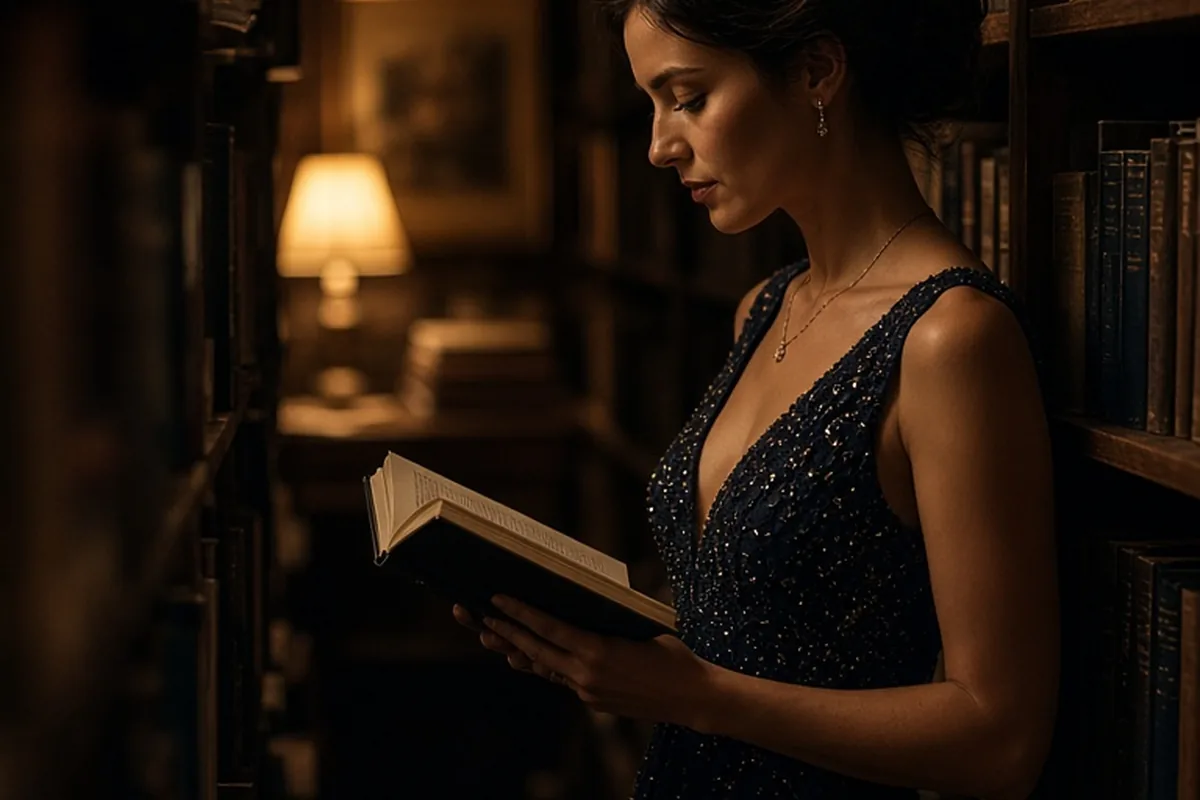
For a gala, women typically wear a floor-length evening gown, an elevated dressy pantsuit, or a formal tuxedo. The exact garment depends on the invitation's specified dress code, ranging from strictly formal white tie and traditional black tie to creative black tie or black tie optional. Complete the look with refined jewelry, a compact evening clutch, and comfortable formal shoes suitable for standing.
Attending a gala provides a wonderful occasion to celebrate an important cause or milestone while dressing in elevated formal attire. Navigating the nuances of formalwear can sometimes feel intimidating, but understanding dress codes, silhouette options, and practical styling essentials ensures you arrive feeling polished and confident.
Decoding Gala Dress Codes from White Tie to Black Tie Optional
Galas usually specify a formal dress code on the invitation, and identifying that distinction is the first step in planning your outfit. White tie is the most formal standard in evening wear, strictly requiring a full-length ballgown or formal evening dress accompanied by upscale jewelry. Black tie is the most common gala standard, calling for a floor-length evening gown, a sophisticated column dress, or a sharply tailored evening tuxedo. While classic black tie leans conservative and timeless, it allows for a broad spectrum of rich colors, luxurious textures, and modern necklines.
When an invitation states Black Tie Optional or Formal, the hosts encourage floor-length gowns while permitting elegant, dark-toned cocktail dresses that fall below the knee or chic dressy separates. Creative Black Tie invites trendy touches, unusual fabric combinations, statement accessories, or whimsical color palettes while still preserving a high level of formality. If the invitation lists no dress code, assume a traditional black-tie standard unless the venue is an outdoor tent or casual daytime setting, where elevated cocktail attire might be suitable.
- White Tie: Formal floor-length ballgown, fine jewelry, and optional opera-length gloves.
- Black Tie: Floor-length gown, formal evening pantsuit, or tailored luxury tuxedo.
- Black Tie Optional: Floor-length gown, dressy midi dress, or upscale cocktail attire.
- Creative Black Tie: Formal base silhouette enhanced with artistic textures, modern cuts, or bold accessories.
Selecting the Right Silhouette: Floor-Length Gowns and Evening Suiting
The silhouette of your gala outfit sets the foundation for your overall appearance and comfort throughout the evening. Classic floor-length silhouettes include A-line gowns, which offer a balanced proportion and easy movement across ballrooms, and sleek column dresses that deliver an understated, modern profile. Mermaid and trumpet styles create a dramatic, sculpted look around the bodice and hips before flaring outward, though they may slightly restrict long strides or fast-paced dancing. When choosing a silhouette, prioritize a design that allows you to sit, walk up staircases, and stand during cocktail receptions without constant adjustment.
An impeccably tailored women's tuxedo or structured evening jumpsuit serves as an equally sophisticated alternative to a traditional gown. If you opt for suiting, focus on high-quality fabrics such as silk-wool blends, rich velvet, or satin-lapel crepe that clearly distinguish your outfit from daytime business attire. Pair an evening suit with a silk camisole, sheer lace underlayer, or a statement piece of jewelry beneath an open jacket collar. The trade-off with suiting is the absolute necessity of precise tailoring; pants that drag or jackets with oversized shoulders can quickly undermine the intentional elegance of the ensemble.
Fabric Selection, Color Choices, and Seasonal Timing
Fabric choice dictates how a garment catches the light, how it drapes against the body, and how comfortable you will remain in different indoor environments. For cooler autumn and winter galas, substantial textiles like velvet, heavyweight silk mikado, jacquard, and structured brocade provide both warmth and regal structure. For spring and summer events, lighter materials such as silk chiffon, georgette, organza, and high-twist crepe offer graceful flow and breathability without sacrificing formal volume.
Color selection offers ample room for personal expression while respecting the tone of the event. Classic black, deep navy, midnight blue, emerald green, and rich burgundy are universally appropriate across every season. Metallic finishes like champagne, bronze, and silver add a celebratory shine well-suited for winter holidays and milestone charity balls. While vibrant jewel tones and pastel floral prints can look stunning for spring galas, it is generally best to avoid neon shades or overly casual day-party prints that can clash with the subdued lighting and grand scale of an evening ballroom.
Footwear and Undergarments: Balancing Elegance with All-Night Comfort
Gala evenings routinely involve extended standing during cocktail hours, walking across expansive venues, and dancing after dinner. Selecting the right footwear requires a realistic balance between aesthetics and enduring support. Elegant strappy metallic heels, pointed-toe satin pumps, and block-heeled formal sandals are classic options. If you prefer to avoid high heels, embellished pointed flats in velvet or satin can look just as refined, especially under a gown tailored specifically to a flat hemline.
Your foundational undergarments make a substantial difference in how your gown sits and feels across many hours. Seamless shapewear, low-back bodysuits, or specialized strapless bras should be purchased and tested well before the event. Crucially, always bring your exact event shoes and intended undergarments to your tailoring fittings. Hemming a gown even half an inch too short can expose your shoes awkwardly, while a hem that is too long poses a tripping hazard on stairs and dance floors.
Accessorizing with Intention: Jewelry, Bags, and Outerwear
Accessories should complement your gown or suit rather than compete with it for attention. The general rule of formal accessorizing is to select one focal point: if your dress features a high, heavily beaded neckline, highlight your face with dramatic chandelier earrings or an architectural cuff bracelet instead of a necklace. Conversely, a strapless or plunging V-neckline creates an open frame that pairs beautifully with a statement collar necklace or a delicate pendant paired with understated stud earrings.
For your handbag, leave daytime shoulder bags and oversized totes at home in favor of a formal evening clutch, minaudiere, or micro-pouch. The bag should be compact enough to hold neatly in one hand while having just enough space for essentials such as an ID, lipstick, phone, and mints. For outerwear, coordinate a proper evening wrap, faux fur stole, tailored wool coat, or structured cape that matches the formality of your outfit. Avoid casual parkas, athletic coats, or everyday denim jackets that detract from your arrival look.
Hair, Makeup, and Grooming for Formal Lighting
Ballroom and event lighting is typically soft, warm, and dim, which calls for slightly more defined makeup than standard daytime applications. A polished complexion, defined brows, soft contouring, and either a classic bold lip or a smoky eye will ensure your features translate well in both low ambient light and flash photography. Long-wear formulations, setting sprays, and a translucent powder compact in your clutch will keep your makeup fresh through hours of conversation and dining.
Your hairstyle should harmonize with the neckline and overall architecture of your attire. Swept-up styles like chignons, French twists, and sleek high buns highlight intricate back detailing, high necklines, and elaborate earrings while staying neat throughout the night. If you choose to wear your hair down in polished waves or a glossy blowout, ensure the hair stays behind the shoulders if your gown has delicate embellishments or shoulder straps that could catch or pull on loose strands.
Practical Timeline, Budgeting, and Rental Alternatives
Preparing for a gala works best when approached on an organized schedule. Begin sourcing your outfit four to six weeks prior to the event date to allow sufficient time for shipping, trying on different silhouettes, and completing alterations. Professional tailoring often requires two to three weeks, particularly during peak spring charity and autumn gala seasons when seamstresses experience heavy demand.
High-end formalwear does not always require purchasing a new designer gown at full price. Designer rental services offer an economical, sustainable way to wear luxury evening gowns and couture accessories for a single evening. Alternatively, consignment boutiques, vintage retailers, and timeless investment pieces that can be re-styled with different accessories for future events provide practical value without compromising on sophistication.
Frequently asked questions
Can I wear a short or midi-length dress to a gala?
A short dress is generally not recommended for a traditional white-tie or black-tie gala. However, a dressy, mid-calf midi dress made from luxurious fabric like silk taffeta, lace, or brocade can be appropriate for Black Tie Optional or Creative Black Tie events when paired with elevated evening accessories.
Is it acceptable for a woman to wear a pantsuit or tuxedo to a black-tie gala?
Yes, an upscale tailored women's tuxedo or formal evening pantsuit is completely acceptable for black-tie galas. To match the event's formality, select garments made from evening-appropriate textiles like velvet, silk-satin, or fine crepe with satin lapels, and style the look with refined heels and jewelry.
What should I do if the gala invitation does not list a dress code?
When an invitation omits a dress code, examine the venue, host organization, and event start time to assess the setting. For an evening charity event held at a hotel ballroom, museum, or country club, defaulting to a classic floor-length gown or a dark, formal evening ensemble is the safest approach.
What type of coat should I wear over a gala gown?
Pair your gown with outerwear that matches its formal elegance, such as a full-length tailored wool overcoat, a faux-fur stole, a velvet wrap, or an evening cape. Avoid casual outerwear like puffer jackets, denim, or utilitarian parkas.
Your next step
Review the exact dress code wording and venue on your invitation, then select your foundational outfit and shoes early to allow at least three weeks for professional alterations.