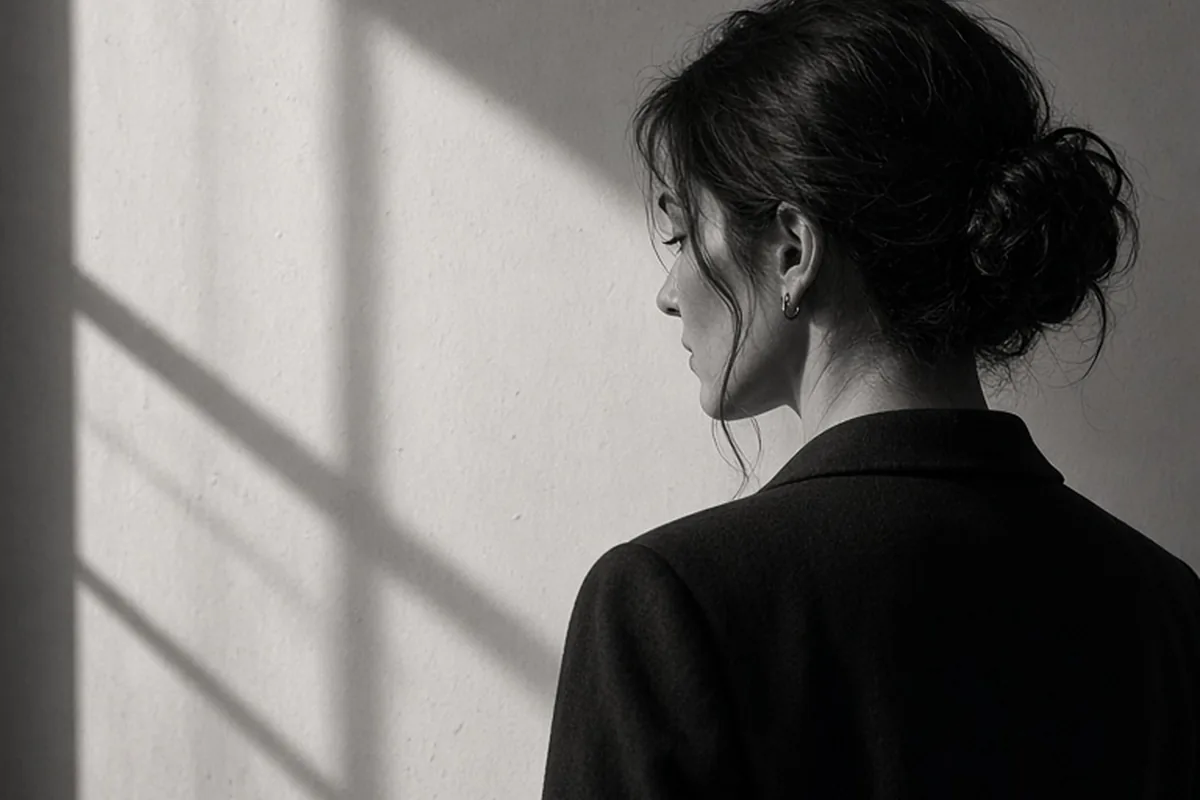
Women attending a wake should wear modest, polished clothing in subdued colors such as black, navy blue, charcoal gray, forest green, or deep burgundy. Classic choices include tailored slacks with a conservative blouse, a dark knee-length dress with sleeves, or a structured pantsuit. Footwear should be comfortable and quiet, such as closed-toe flats, loafers, or low block heels.
A wake or visitation focuses on supporting a grieving family and honoring the memory of someone who has died. Deciding on an outfit during an emotional time can feel stressful, but leaning into classic, understated wardrobe staples ensures you look respectful while remaining comfortable throughout the service.
Understanding the Wake Dress Code and Color Palette
A wake is generally held at a funeral home, church, or private residence before the formal funeral. While traditional etiquette historically demanded solid black attire, modern memorial standards welcome a wider spectrum of quiet, dignified tones. Dark neutrals like charcoal, slate gray, navy blue, chocolate brown, and deep olive are completely acceptable and convey the same degree of reverence as pure black.
When choosing colors, the primary goal is to blend in rather than stand out. Muted jewel tones, such as plum or rich burgundy, work well when paired with neutral bases like a black cardigan or tailored dark trousers. Bright neon shades, flashy metallic finishes, and loud, busy prints should be avoided because they draw unnecessary visual attention away from the family and the solemnity of the occasion. If you choose a patterned garment, opt for small, subtle designs like a micro-houndstooth, faint pinstripe, or dark floral print on an ebony background.
There are rare exceptions where the bereaved family explicitly requests colorful attire to reflect a celebration of life or a loved one's favorite color. Unless the obituary or family invitation specifically notes this request, always default to conservative, muted palettes to remain safe and considerate.
Reliable Outfit Formulas for Any Season
Assembling an appropriate outfit becomes simple when you rely on established, modest silhouettes. A timeless combination is a knee-length or midi sheath dress in dark wool crepe or ponte knit, paired with a fitted blazer or a fine-gauge knit cardigan. This look offers full coverage, moves easily, and accommodates fluctuating indoor temperatures at a visitation parlor.
Separates provide versatility and allow you to mix pieces you already own. Consider high-waisted tailored trousers paired with a modest silk or matte-crepe blouse, finished with an unbuttoned dark jacket or a tailored trench coat. Alternatively, a pleated midi skirt paired with a crewneck sweater or button-down shirt delivers an equally refined appearance. A tailored jumpsuit in solid navy or black, featuring a high neckline and wide-leg cut, offers a modern, elegant alternative to dresses.
Ensure your clothing allows for modest posture when bending over to view a casket, sitting in low pews, or leaning in to hug relatives. Plunging necklines, very short hemlines, and tight bodycon cuts can feel uncomfortable during these interactions, so prioritizing ease of movement will keep your focus on supporting others.
- A dark midi dress with elbow-length or long sleeves, styled with a light scarf.
- Tailored black or charcoal trousers with an ivory silk blouse and a structured blazer.
- A dark A-line skirt hitting below the knee with a tucked-in crewneck cashmere sweater.
- A tailored matte jumpsuit with a modest neckline, cinched gently at the waist.
Selecting Comfortable and Quiet Footwear
Footwear at a wake requires careful consideration of both practicality and decorum. Visitors often spend significant time standing on hard floors in receiving lines, walking across church aisles, or maneuvering between visitation rooms. Selecting shoes with adequate support and cushioning ensures you remain steady and comfortable throughout the gathering.
Choose closed-toe shoes made of matte leather, suede, or high-quality synthetic materials. Pointed or almond-toe flats, leather loafers, low block heels, and modest ankle boots are ideal choices. Stiletto heels, while dressy, should generally be avoided because they can produce loud clicking sounds on hardwood or marble floors and easily sink into soft grass if there is an adjacent graveside gathering.
Casual footwear like athletic sneakers, flip-flops, platform sandals, and beach wedges is too informal for a memorial setting. If inclement weather requires heavy snow or rain boots during your commute, consider bringing a pair of dress flats in a tote bag to change into upon arriving in the coatroom.
Fabric Selection and Weather Layering
Funeral homes and places of worship frequently maintain cool internal temperatures to preserve floral arrangements and accommodate crowd density. Choosing garments crafted from mid-weight, breathable textiles helps prevent you from feeling chilled or overheated during prolonged services.
Natural fibers like wool blends, structured cotton, linen blends in dark weaves, and silk work well across different seasons. Ponte di Roma, a heavy double-knit jersey fabric, is particularly advantageous because it drapes cleanly, resists wrinkling during long car rides, and provides gentle stretch. Avoid thin, clinging fabrics, transparent lace without an opaque lining, or materials that crinkle loudly with movement, such as stiff nylon or taffeta.
Layering is essential for adapting to changing environments between the outdoors and indoor parlors. A tailored wool overcoat, an understated trench, or a wrap shawl in dark camel, gray, or black can be worn over your outfit. Bringing a soft pashmina or wool wrap is practical for keeping your shoulders warm in drafty sanctuaries while maintaining an elegant silhouette.
Understated Jewelry, Accessories, and Grooming
Accessories at a wake should be subtle accents rather than statement centerpieces. Minimalist jewelry, such as simple pearl studs, small gold or silver hoops, delicate pendant necklaces, or a simple watch, adds polish without distraction. Avoid stacked bangle bracelets or long dangling earrings that jingle or catch on clothing when offering embraces.
A structured shoulder bag, cross-body purse, or small satchel in a neutral leather is sufficient for carrying essentials. Be sure to pack a travel pack of tissues, breath mints, and any necessary personal items. Large beach totes, neon athletic bags, or loud logo-heavy clutches are best left behind.
When it comes to grooming, aim for a soft, natural look. Waterproof mascara and eyeliner are sensible choices given the emotional nature of memorial events. Keep perfume and scented lotions extremely light or omit them altogether, as strong fragrances can overwhelm enclosed visitation rooms or trigger sensitivities in grieving attendees.
Navigating Cultural, Religious, and Regional Traditions
Wake customs vary widely across different religious and cultural communities, and understanding these nuances will help you dress appropriately. In traditional Catholic viewings, mourners often kneel at a prie-dieu before the casket, meaning skirts should be long and flexible enough to allow kneeling without awkwardness, and necklines should remain conservative.
In certain traditions, specific colors carry distinct symbolic meanings. While Western traditions favor dark neutrals, some Eastern cultures, such as traditional Hindu or Buddhist services, may feature white attire as the customary mourning color, while bright red is often strictly avoided. Conversely, Irish wakes held in family homes may lean slightly more casual, prioritizing warmth and comfort as community members gather for extended hours.
If you are uncertain about specific community standards, consult the funeral home website, read the obituary details, or ask a close mutual acquaintance who is familiar with the family traditions. When in doubt, a conservative dark gray or navy outfit with shoulder and knee coverage is universally recognized as respectful.
Illustrative Scenarios
Balancing Work Attire and Evening Visitation Needs
A professional received notice that a colleague's parent passed away, with calling hours scheduled immediately after her workday. Instead of changing completely, she started her morning wearing charcoal gray tailored trousers and a high-neck ivory blouse. Before heading to the funeral parlor, she swapped her daytime bright blazer for an unadorned black tailored cardigan, exchanged her patterned tote for a small black crossbody bag, and put on supportive leather loafers.
Key point: Small modifications to structured workplace staples allow you to transition directly to an evening wake respectfully without needing a separate formal wardrobe.
Frequently asked questions
Can I wear dark denim jeans to a wake?
In most circumstances, jeans are considered too casual for a traditional wake or visitation. However, if the service is explicitly described as an informal celebration of life, clean, solid black jeans without distressing or fading may be acceptable when paired with a formal blouse and blazer.
Is it required to wear solid black to a visitation?
No, solid black is not strictly required. Subdued tones such as navy, charcoal, plum, olive green, and slate gray are widely accepted and convey equal respect.
What should I wear if the wake is held outdoors or at a private home?
For an outdoor or home wake, prioritize practical footwear like flat leather boots or wedges that will not sink into grass or slip on uneven walkways. Pair tailored dark slacks or a knit midi dress with warm, weather-appropriate layers such as a tailored coat or dark wool wrap.
Your next step
Take a few minutes today to check your closet for a modest dark dress or tailored pants and blouse combination, ensuring the pieces are clean, pressed, and ready to wear with comfortable shoes.