For a full day at Disney World, prioritize breathable athletic wear or moisture-wicking separates, supportive broken-in sneakers, and seamless anti-chafing shorts. Pair a lightweight tank top or graphic tee with biker shorts or an activewear dress with a built-in liner. Pack a compact layer for air-conditioned attractions and sudden weather shifts, and keep accessories lightweight so you can navigate miles of walking in comfort.
Spending twelve or more hours exploring theme parks requires clothing that handles intense sunshine, high humidity, sudden rainstorms, and miles of concrete walking. Striking the balance between looking put-together in photos and staying physically comfortable all day comes down to smart fabric choices, supportive foundation pieces, and practical layering.
Choosing the Right Base Outfits for Movement and Heat
The core of any successful park outfit is unrestricted movement and temperature regulation. Theme park days involve climbing in and out of ride vehicles, sitting on hard plastic or metal benches, and standing in outdoor queues. Performance athletic wear, such as six- to eight-inch bike shorts paired with an oversized graphic tee or an activewear dress with built-in undershorts, offers the most reliable mobility. Moisture-wicking synthetic fabrics like nylon-spandex blends pull sweat away from the skin, drying significantly faster than standard heavy cottons when you transition between outdoor heat and indoor rides.
If you prefer a more tailored or classic aesthetic over athletic wear, choose lightweight, airy lifestyle pieces. High-waisted pull-on shorts made from cotton-linen blends or breathable lightweight denim paired with a fitted tank top provide structure without trapping excessive heat. However, avoid stiff, heavy raw denim or structured rompers that lack stretch. One-piece jumpsuits without accessible closures also create unnecessary frustration in cramped park restroom stalls, making two-piece separates or activewear dresses with drop-tail bathroom features a far more practical choice.
A useful guideline is to test your outfit before packing by sitting cross-legged and taking large steps to ensure there is no pinching around the waist or riding up at the inner thighs. Outfits that require constant tugging or adjusting during a normal day at home will quickly become exhausting after five hours under the Central Florida sun.
Prioritizing Footwear for High-Mileage Days
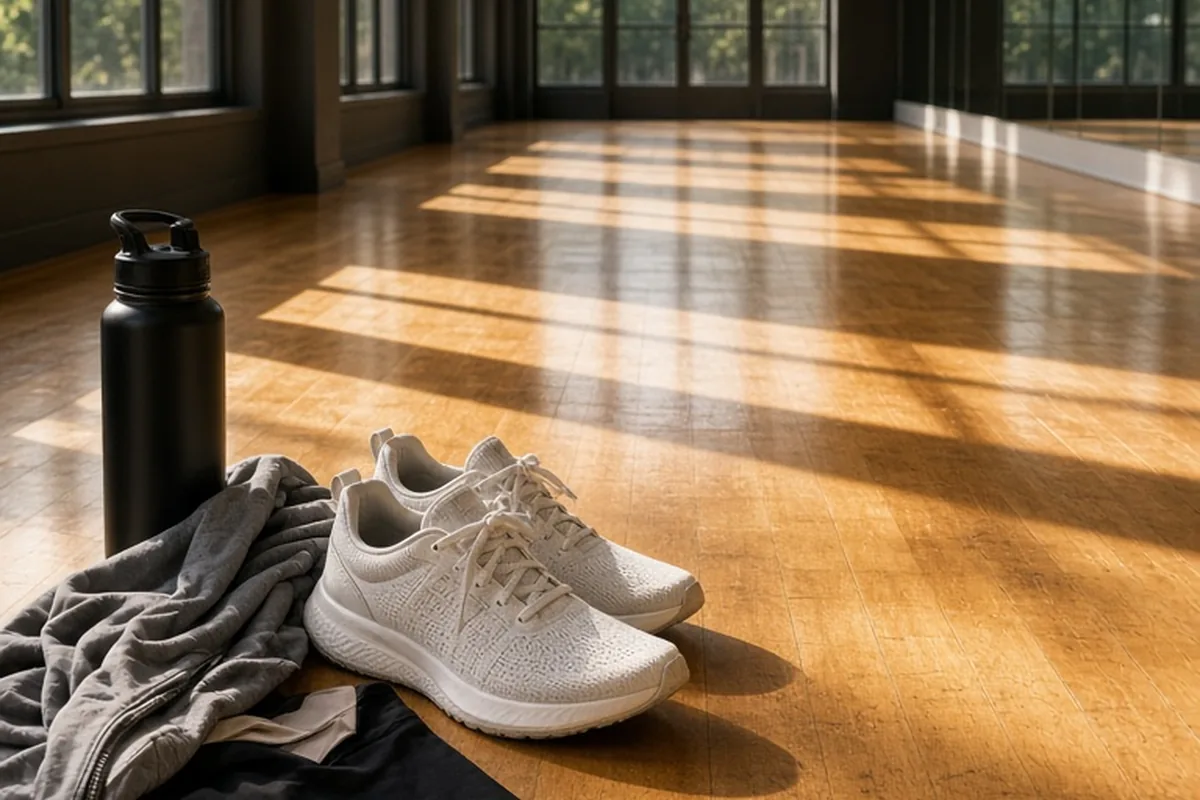
Footwear is the single most critical gear decision for a theme park trip, where visitors frequently walk between seven and twelve miles per day across unforgiving concrete and asphalt. The best choice is always a well-cushioned, broken-in running or walking sneaker with ample arch support and a wide toe box to accommodate natural foot swelling. Brands designed for long-distance road running provide the shock absorption necessary to protect your ankles, knees, and lower back from continuous impact.
Never wear brand-new shoes straight out of the box to the parks, regardless of how comfortable they feel when first tried on. Bring at least two dependable pairs of sneakers on your trip so you can alternate them daily; switching shoes changes pressure points on your feet and gives the midsole foam time to decompress. Pair your sneakers with moisture-wicking athletic socks made from synthetic blends or merino wool to prevent moisture buildup that leads to blisters.
While supportive lifestyle sandals designed for hiking can work well for water attractions or mid-day pool breaks, avoid fashion sandals, flat canvas slip-ons, or unsupportive flip-flops for general park touring. Thin soles transmit all impact straight into your joints, and open designs leave your feet vulnerable to being stepped on in crowded lines.
Managing Moisture and Friction with Undergarments
High humidity combined with constant walking creates continuous friction, making inner-thigh chafing and sweat-related skin irritation common challenges. The most effective preventative step is wearing seamless, moisture-wicking slip shorts or longer athletic biker shorts under dresses, skirts, and loose shorts. Look for styles with flatlock seams and lightweight, silky fabric that stays in place without rolling down at the waist or creeping up the leg.
In addition to protective shorts, applying an anti-friction balm to friction-prone areas before leaving your hotel room provides an invisible protective barrier. Keep a travel-sized stick or chafing gel in your bag for quick reapplication around midday. This simple routine prevents raw skin and eliminates the discomfort that can disrupt the rest of your trip.
Undergarments deserve the same thoughtful selection as your outer clothing. Wire-free sports bras, seamless bralettes, and lightweight racerbacks made with breathable, sweat-wicking materials prevent the digging, pinching, and dampness that traditional underwire bras cause during twelve-hour wear in humid environments.
Layering for Indoor Air Conditioning and Weather Shifts
Florida weather can present sharp contrasts throughout a single day. While outdoor temperatures and humidity may be intense, indoor queues, table-service restaurants, and air-conditioned theater attractions are often kept very cool. Stepping into strong air conditioning while damp with sweat can lead to an uncomfortable chill. Packing a compact, lightweight layer allows you to regulate your body temperature without carrying heavy baggage.
A light linen button-down shirt, a thin oversized cotton chambray, or a packable UV-protective windbreaker can easily be tied around your waist, looped over a crossbody strap, or stowed in a small daypack. These button-up layers offer the added advantage of quick sun protection for your shoulders and arms during peak midday hours.
Rain is another daily reality in Central Florida, especially from late spring through early autumn. Rather than buying stiff, non-breathable emergency ponchos inside the park, pack a reusable, ultra-lightweight waterproof jacket or a quality breathable rain poncho. Packable rain gear dries quickly and keeps you moving when an afternoon thunderstorm temporarily clears the outdoor pathways.
Styling Character Themes and Disney Bounding Safely
Disney bounding—styling everyday clothing inspired by character color palettes and themes rather than wearing full costumes—is a creative way to dress for the atmosphere while staying comfortable. Park rules prohibit adult guests from wearing full character costumes or masks, making subtle, modern interpretations the preferred approach for adults.
To build a character-inspired outfit, select two or three signature colors from a favorite character and apply them to standard park-friendly pieces. For example, a yellow tank top, blue shorts, and a red hair ribbon nod to Snow White, while lavender bike shorts and a green athletic top channel Buzz Lightyear. This allows you to participate in thematic photos while wearing functional, breathable athletic garments.
When choosing themed accessories such as headbands with ears, consider weight and band tension. Many novelty headbands feature rigid internal bands that can cause headaches after a few hours of wear. Choose headbands with flexible, padded bands or attach lightweight decorative clips to a baseball cap or visor for a sun-protective, headache-free alternative.
Adapting Outfits for Seasonal Temperature Swings
Summer park visits (June through September) demand absolute minimalism in fabric weight. Focus on light colors that reflect sunlight, ultra-thin technical fabrics, and open necklines. Hats with breathable mesh panels or wide brims are essential to shade your face and scalp from direct overhead sun.
Winter visits (December through February) require a different strategy due to wide diurnal temperature swings. Morning and evening temperatures in Orlando can dip into the 40s or 50s Fahrenheit, while sunny afternoons may reach the mid-70s. For cooler months, wear comfortable stretch leggings or athletic joggers paired with a short-sleeve tee, accompanied by a medium-weight pullover or fleece jacket that can be stowed during the warm afternoon.
Spring and autumn offer milder transitional weather, but sudden rain showers and fluctuating humidity levels remain common. For these shoulder seasons, athletic shorts or lightweight joggers paired with a short-sleeve tee and a packable layer provide the flexibility needed to handle unpredictable weather changes without feeling weighed down.
Selecting Bags and Sun-Protection Accessories
The bag you carry plays a direct role in how your outfit feels over the course of the day. A small nylon backpack, belt bag, or hands-free crossbody bag distributes weight evenly and keeps your hands free for rides, food, and navigating crowds. Avoid heavy leather bags, single-strap shoulder totes that slide off your shoulder, or oversized backpacks that become cumbersome on ride floorboards.
Sun protection accessories complete your park outfit. Choose polarized sunglasses with UV400 protection to reduce harsh glare across open concrete walkways and water features. Bring hair ties, claw clips, or a scrunchie to keep long hair secured off your neck during hot afternoons or before boarding high-speed attractions.
Keep your packed contents focused on essentials to avoid unnecessary shoulder strain. A compact water bottle, sunscreen stick for easy facial touch-ups, anti-chafing balm, small portable phone charger, and packable rain layer are all you need to maintain personal comfort throughout the entire day.
Frequently asked questions
Can I wear a dress or skirt to Disney World?
Yes, dresses and skirts are fine as long as they are made from breathable, stretchy fabric and paired with supportive bike shorts underneath. Choose lengths that do not drag on ride platforms and avoid tight pencil cuts that restrict climbing in and out of vehicles.
Are jeans a good option for Disney World?
Heavy, rigid denim is generally uncomfortable due to heat, sweat, and long walking hours, and it takes a long time to dry if it rains. However, lightweight, high-stretch denim or denim shorts can work well during cooler winter months.
What should I wear if I plan to go on water rides?
Wear quick-drying athletic synthetic fabrics, such as nylon and polyester blends, rather than thick cotton that stays wet for hours. Consider bringing a lightweight spare pair of socks or wearing water-resistant sandals for the ride.
Are there dress codes women need to follow at Disney World?
Disney parks prohibit adult costumes, masks, clothing with objectionable language or graphics, and excessively torn garments. Outfits must be family-appropriate, secure enough for active rides, and suitable for a public family theme park.
Your next step
Plan your park outfit around your most supportive walking sneakers and breathable, friction-resistant base layers, then add a packable layer for indoor air conditioning.