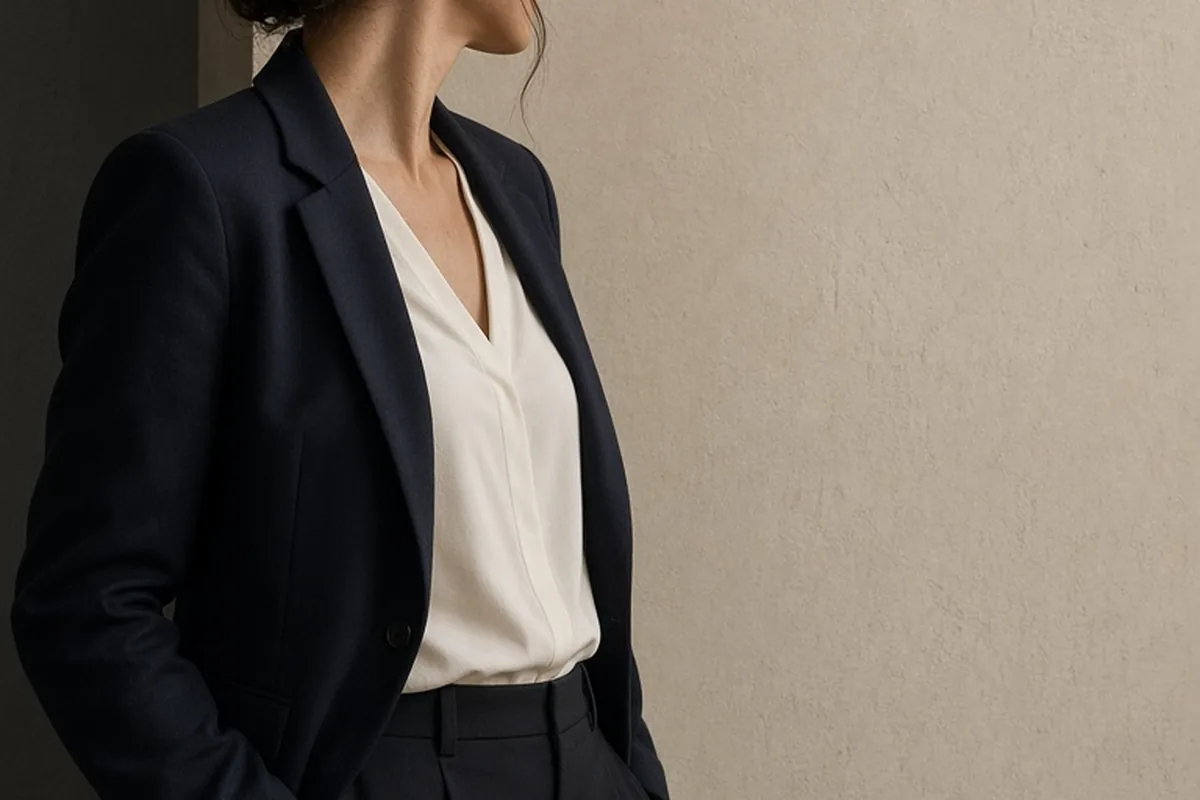
When appearing in divorce court, women should wear conservative, polished business-casual or professional attire. Opt for tailored slacks or a knee-length skirt paired with a modest blouse, blazer, or structured cardigan in neutral tones like navy, gray, black, or beige. Avoid low necklines, loud prints, athletic wear, flashy jewelry, or overly high heels to ensure the judge focuses entirely on your case rather than your appearance.
Heading to family court for a divorce hearing, settlement conference, or custody proceeding often feels emotionally taxing, and deciding on an appropriate outfit should not add unnecessary burden to your preparation. The visual impression you present in the courtroom communicates respect for the judicial process, emotional composure, and personal credibility before you speak a single word on the record.
Understanding the Baseline Standard: Business Formal Versus Business Casual
Courthouses maintain formal expectations for decorum, and family court is no exception. While you do not necessarily need a three-piece corporate suit, your clothing should lean decisively toward conservative business attire or refined business casual. The goal is to project seriousness, stability, and maturity. Judicial officers evaluate credibility and reasonableness in high-conflict situations, and dressing respectfully signals that you take the proceedings, the court's authority, and your family's future seriously.
A standard rule of thumb is to dress as though you are attending a formal job interview at a traditional firm or a solemn civic ceremony. For instance, pairing a tailored dark blazer with dark trousers or an understated pencil skirt instantly establishes a competent baseline. Conversely, casual staples such as graphic tees, distressed denim, athletic leggings, crop tops, and sundresses are inappropriate for court. The primary trade-off when selecting formal over casual clothing is physical flexibility, but choosing well-fitted garments made from breathable, stretch-infused fabrics bridges the gap between decorum and physical ease during long hearings.
Selecting Tops, Modest Necklines, and Courtroom Layers
When choosing a top, prioritize modesty, clean silhouettes, and structured fabrics. Button-up shirts, high-neck shells, drape-neck tops, and tailored knit sweaters work well under a jacket. Avoid plunging V-necks, sheer fabrics, spaghetti straps, off-the-shoulder cuts, or revealing cutouts. If you wear a sleeveless top, always keep a tailored blazer, structured jacket, or cardigan layered over it, as many courtrooms strictly enforce dress codes that forbid bare shoulders.
Courthouse temperatures are notoriously unpredictable, frequently alternating between chilly, air-conditioned courtrooms and warm, crowded hallway waiting areas. Layering is therefore both a stylistic and practical necessity. Consider a fine-gauge knit sweater or a crisp collared shirt beneath a structured blazer in wool blend or ponte knit. This layering allows you to adjust to the room's temperature while remaining fully covered, composed, and compliant with local courtroom standards at all times.
Choosing Trousers, Skirts, and Dresses with Appropriate Fit
Bottoms should fit comfortably without being overly tight or excessively baggy. High-waisted trousers, straight-leg pants, or wide-leg dress slacks in structured fabrics like cotton twill, wool, or crepe offer an elegant and professional profile. If you choose a skirt or a one-piece dress, ensure the hemline reaches at least the top of the knee when standing. Remember that skirts naturally ride up when sitting at a counsel table, so test your outfit in a seated position before court day to ensure it provides adequate coverage.
Tight bodycon dresses, mini skirts, and high-slit garments draw unnecessary scrutiny and can distract from the substance of your testimony or your attorney's arguments. A solid sheath dress paired with a contrasting blazer or a midi-length A-line skirt with a tucked-in blouse offers modesty and ease of movement. If you are debating between trousers and a skirt, slacks are often the more practical option because they eliminate concerns about hemline movement during transitions between benches, witness stands, and attorney consultation rooms.
Color Strategy and the Visual Impact of Neutral Palettes
Color choices subtly influence how you are perceived by the bench and opposing counsel. Understated, calming, and neutral tones are universally recommended for divorce hearings. Navy blue, slate gray, charcoal, taupe, cream, soft olive, and classic black convey stability, groundedness, and reliability. Muted pastels, like soft blue or blush, can also work well when balanced with dark neutral outerwear.
Avoid neon colors, bright fuchsia, high-contrast animal prints, and bold geometric patterns, which can appear loud, aggressive, or theatrical under harsh courtroom fluorescent lighting. In cases involving financial disputes, spousal support, or child maintenance, dressing in excessively ostentatious or logo-heavy designer clothing can send mixed messages regarding your financial disclosures. A clean, monochromatic or low-contrast neutral palette keeps the focus entirely on your testimony, financial documentation, and legal positions.
Footwear, Handbags, and Jewelry Considerations
Court appearances often involve walking across large municipal complexes, standing in security lines, and navigating hard marble floors. Choose closed-toe shoes that balance formality and practicality, such as low-to-mid block heels, classic pumps with a modest heel height (under three inches), pointed-toe leather flats, or tailored loafers. Avoid open-toe sandals, flip-flops, athletic sneakers, platform heels, and thigh-high boots, as these styles can undermine an otherwise professional appearance.
Keep accessories minimal and functional. Opt for simple stud earrings, a delicate necklace, and a practical wristwatch rather than large statement pieces, jangling bangles, or flashy gemstones that may clatter against wooden tables or distract the court reporter. For bags, choose a structured tote, satchel, or professional briefcase large enough to neatly organize your legal files, personal notes, a water bottle, and essential items without overflowing.
Grooming, Hair, Makeup, and Fragrance Guidelines
Personal grooming should reflect a clean, natural, and low-maintenance aesthetic. Style your hair neatly away from your face in a low ponytail, smooth bun, or controlled blowout so you do not have to touch, adjust, or sweep your hair away while speaking to your attorney or the judge. Makeup should be understated and natural, focusing on neutral tones, a subtle lip color, and waterproof mascara in case emotional moments arise during the hearing.
It is best to skip perfume, body sprays, and heavily scented lotions altogether. Courtrooms are enclosed, shared public spaces, and strong fragrances can trigger allergic reactions, migraines, or general irritation for the judge, bailiffs, court reporters, or jurors. Clean, unscented personal care products and well-manicured, neutral-toned nails present a composed image without encroaching on the comfort of others in the room.
Navigating Courthouse Logistics: Security, Weather, and Comfort
Before entering the courtroom, you must pass through courthouse security checkpoints equipped with metal detectors and X-ray machines. Plan your outfit to move through security efficiently: avoid belts with heavy metal hardware, shoes with metal accents that trigger alarms, and intricate jewelry that requires removal. Wearing slip-on or easy-to-unbuckle shoes can save valuable minutes if security protocols require shoe inspection.
Divorce hearings often experience significant calendar delays, meaning you may spend hours sitting in waiting areas before your case is called. Choose wrinkle-resistant fabrics such as ponte, heavy jersey blends, or synthetic wool mixes that maintain a crisp appearance even after hours of sitting. Pack a warm wrap or pashmina in your bag to protect against fluctuating courtroom temperatures, and ensure your clothing allows you to sit comfortably and breathe deeply through tense moments.
Frequently asked questions
Can I wear dark denim or jeans to divorce court?
It is best to avoid jeans entirely, even if they are dark-wash, tailored, or free of distressing. Most judges view denim as overly casual for formal legal proceedings. Opt instead for tailored slacks, chinos, or a modest skirt to ensure you meet courthouse decorum.
What should I wear if I am attending divorce court virtually via Zoom?
Follow the same upper-body guidelines as an in-person appearance by wearing a solid, neutral blouse or collared top paired with a blazer. Ensure your background is neutral, position your camera at eye level with good lighting, and avoid busy stripes or loud prints that create visual distortion on video.
Does my outfit really affect the judge's perspective in a divorce case?
While legal decisions are based on law and evidence, a respectful and polished appearance demonstrates maturity, composure, and respect for the court. Dressing appropriately eliminates potential distractions and reinforces your credibility during testimony and negotiations.
Is it acceptable to wear all black to divorce court?
Yes, black is classic and acceptable, but wearing entirely solid black can sometimes appear overly severe or somber. You can soften the look by pairing a black blazer with a cream, slate gray, or soft blue blouse beneath it.
Your next step
Assemble and try on your complete court outfit—including shoes, undergarments, and layered outerwear—at least two days before your hearing so you can verify proper fit, ensure modesty when seated, and eliminate last-minute morning stress.