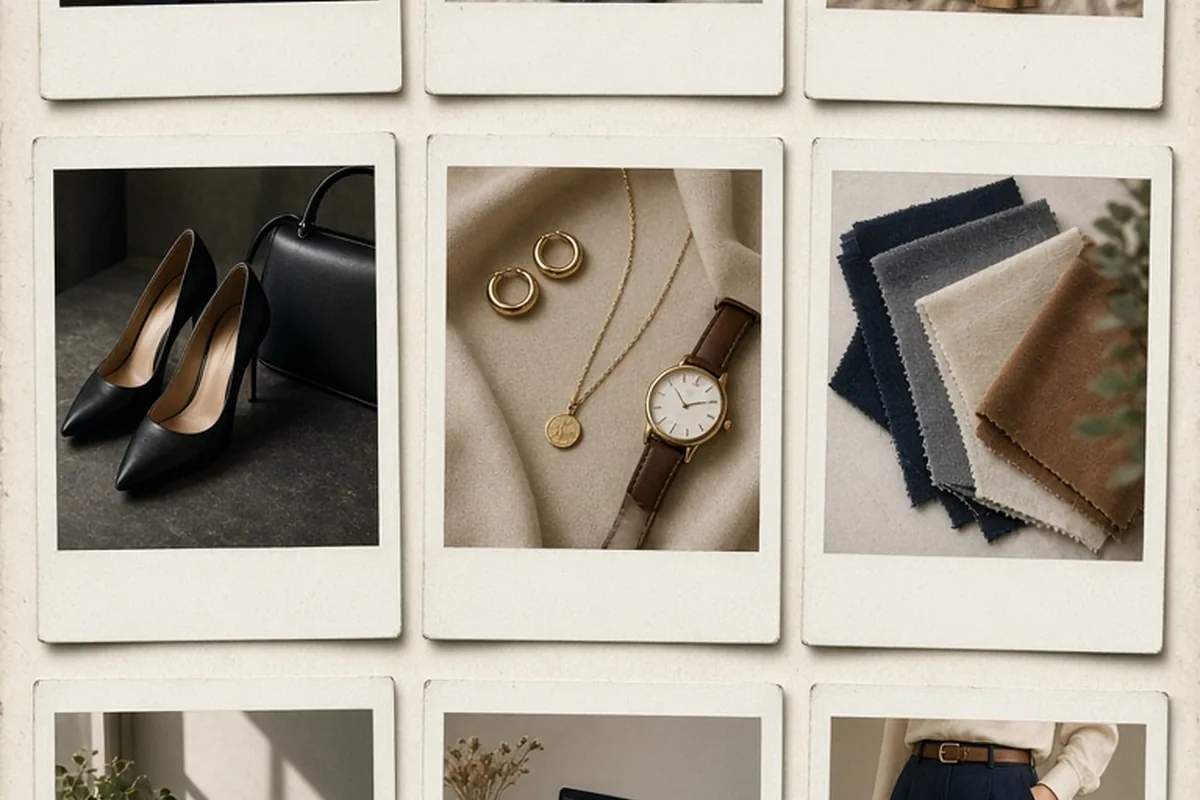
For most job interviews, women should wear a well-fitted pantsuit, a structured skirt suit, or a tailored midi dress paired with a blazer in neutral tones like navy, black, gray, or camel. Match your outfit to the company culture, opting for business formal in conservative fields, polished business casual for modern offices, or a neat blazer with tailored trousers for creative industries.
Choosing an interview outfit is about finding a balance between projecting professional competence and feeling comfortable enough to communicate your qualifications naturally.
Decoding Company Dress Codes Before You Plan an Outfit
Before selecting what to wear, investigate the organization's everyday dress standard and aim one half-step above it for the interview. Start by looking at the company website, recent employee photos on LinkedIn, or their social media channels to gauge whether staff lean toward formal suiting, business casual separates, or relaxed everyday wear. If the office appears uniformly casual with jeans and t-shirts, presenting yourself in a crisp blazer, tailored dark trousers, and low loafers demonstrates respect for the process without appearing out of touch.
When industry norms remain ambiguous after research, contacting the recruiter or hiring coordinator directly is entirely appropriate. You can simply ask what candidates typically wear to ensure your choice aligns with their team's expectations. While it is generally safer to lean slightly more formal than informal, extreme overdressing—such as wearing a rigid three-piece dark suit to an early-stage outdoor tech startup—can occasionally create an unintentional sense of cultural misalignment. Observing these subtle workplace boundaries helps you land on a balanced, contextual choice.
Business Formal Outfits for Conservative and Corporate Roles
Traditional industries such as banking, law, corporate finance, and government agencies usually expect business formal attire. The foundation of this category is a coordinated two-piece suit consisting of a tailored jacket matched with either flat-front trousers or a knee-length pencil or A-line skirt. Classic neutral shades—including charcoal, midnight navy, black, and deep slate—convey understated authority. Pair the suit with an opaque woven silk blouse, a crisp collared button-down, or a high-quality jewel-neck shell in white, soft blue, or muted pastels.
Fabric composition and garment fit play critical roles in keeping business formal attire looking sharp throughout a long hiring day. Choose breathable, wrinkle-resistant wool blends or structured crepes that hold their shape while you sit and stand. Skirts should fall at or just below the knee when seated, and trousers should break cleanly over the top of your shoe without bunching or dragging on the floor. While formal environments limit bold personal style, you can add subtle personality through clean tailoring, a minimalist leather watch, or a delicate pendant necklace.
Business Casual Separates for Modern Office Settings
Business casual is the dominant dress code across modern tech firms, marketing agencies, educational institutions, and healthcare administration. Rather than requiring matched suits, this standard invites sophisticated coordination of separate pieces. A dependable formula consists of tailored ankle-length trousers or wide-leg wool-blend slacks paired with a tailored blazer in a contrasting tone, layered over a tuck-in blouse or a fine-gauge knit sweater. A structured sheath dress topped with an open-front cardigan or a cropped jacket offers an equally polished alternative.
The primary challenge with business casual is defining its lower boundary so you avoid slipping into overly relaxed territory. Avoid denim, distressed fabrics, athletic knits, and unstructured loungewear, even if current employees wear them regularly. Instead, elevate foundational basics with thoughtful textures, such as pairing a houndstooth blazer with solid dark slacks, or balancing a jewel-toned silk blouse with muted neutral trousers. This approach keeps your look professional and engaging without feeling stiff.
Polished Options for Creative and Casual Workplaces
In creative fields such as graphic design, fashion merchandising, architecture, and media, interview attire often serves as a subtle reflection of your aesthetic awareness and personal brand. Employers in these industries often appreciate thoughtful cuts, interesting textures, and modern silhouettes over rigid corporate suiting. A pair of high-waisted pleated trousers paired with an architectural blouse, or an unstructured linen-blend blazer over a monochromatic midi dress, projects both creativity and professional intentionality.
Even when interviewing at an openly casual workplace, your outfit should still look deliberate, clean, and prepared. If you choose to wear high-end dark-wash denim—only when explicitly appropriate or confirmed by the recruiter—balance it with an elevated blazer, a structured leather tote bag, and polished leather loafers. The trade-off in creative environments is balancing originality with modesty; avoid avant-garde garments that require constant physical readjustment or distract the interviewer from your portfolio.
Footwear Selection and Accessory Guidelines
Footwear should combine professional polish with practical comfort, especially if your interview day involves touring a facility or walking between offices. Closed-toe leather or suede pumps with a low to moderate block heel (one to two inches), pointed-toe leather flats, oxfords, and tailored loafers are reliable choices across all dress codes. Ensure your shoes are clean, free of scuffs, and broken in prior to the interview day to prevent distracting blisters or awkward posture while walking.
Accessories should complement your ensemble without dominating visual attention. Select a structured leather or faux-leather tote bag or briefcase that comfortably holds your padfolio, printed copies of your resume, and personal essentials without bulging. Jewelry is best kept minimal and secure: stud earrings, small hoops, a single cuff or watch, and simple rings ensure you do not generate distracting clinking sounds when gesturing. Keep personal fragrances light or skip them entirely, as strong scents can trigger sensitivities in enclosed interview rooms.
Fit, Fabric, and Grooming Details That Complete the Look
The finest clothing will fail to project confidence if it fits poorly or causes physical discomfort during the interview. Jackets should fit comfortably across the shoulders without pulling when your arms are resting on a table, and blouses should fasten cleanly across the bust line without gaping. Taking garments to a local tailor for minor alterations—such as shortening sleeves to show a sliver of cuff or adjusting trouser hems—instantly elevates moderately priced clothing to look custom-fitted and intentional.
Grooming details quietly reinforce your attention to detail and personal presentation. Ensure garments are freshly pressed or steamed, lint-rolled, and checked for loose buttons or pulled threads the evening before. Keep hair neatly styled away from your face so you are not tempted to push it back repeatedly during conversation. Neutral, well-manicured nails and clean, understated makeup allow the interviewer to focus entirely on your responses, facial expressions, and interpersonal presence.
Adapting Your Outfit for Video and Virtual Interviews
Virtual interviews require distinct wardrobe considerations because webcams render colors, patterns, and lighting differently than in-person interactions. Choose rich mid-tone solids—such as sapphire blue, emerald green, berry, or warm teal—which stand out cleanly against neutral home backdrops without washing out under ring lights. High-contrast patterns like tight houndstooth, narrow stripes, or intricate micro-checks should be avoided, as they frequently create a shimmering, distracting distortion on camera known as a moiré effect.
Always wear a complete outfit from head to toe, including trousers and footwear, rather than dressing professionally only from the waist up. Fully dressing sets a focused psychological mindset and protects you from potential embarrassment if you must stand up unexpectedly to adjust lighting, close a door, or retrieve a document. Check your setup beforehand by framing your camera at eye level and confirming that your neckline sits appropriately on screen without sliding out of view.
Frequently asked questions
Can I wear open-toe shoes to a job interview?
Closed-toe shoes remain the standard recommendation for nearly all formal and business casual job interviews. While high-end open-toe mules or sandals might appear in creative office environments, closed-toe loafers, flats, or low pumps eliminate any risk of appearing overly informal.
Is it acceptable to wear an all-black outfit to an interview?
Yes, an all-black outfit can look sleek, sharp, and sophisticated when tailored well. To keep it from appearing overly stark or flat on camera or in person, introduce subtle textural contrast through a silk blouse, a knit shell, or a textured blazer.
Should I wear a suit if the company has an explicitly casual dress code?
If a company specifies a casual workplace culture, a full business formal suit may feel disconnected from their environment. Instead, choose elevated business casual, such as dark tailored trousers, a structured blazer, and leather loafers, which conveys respect while matching their modern tone.
How should I choose jewelry for an interview?
Keep jewelry minimal, quiet, and classic so it does not distract from your conversation. Simple stud earrings, a delicate necklace, and a classic watch add polish without making noise or shifting when you move your hands.
Your next step
Choose one complete outfit that aligns with the employer's industry, try it on in full ahead of time to confirm comfort and fit, and steam every piece the night before your interview.