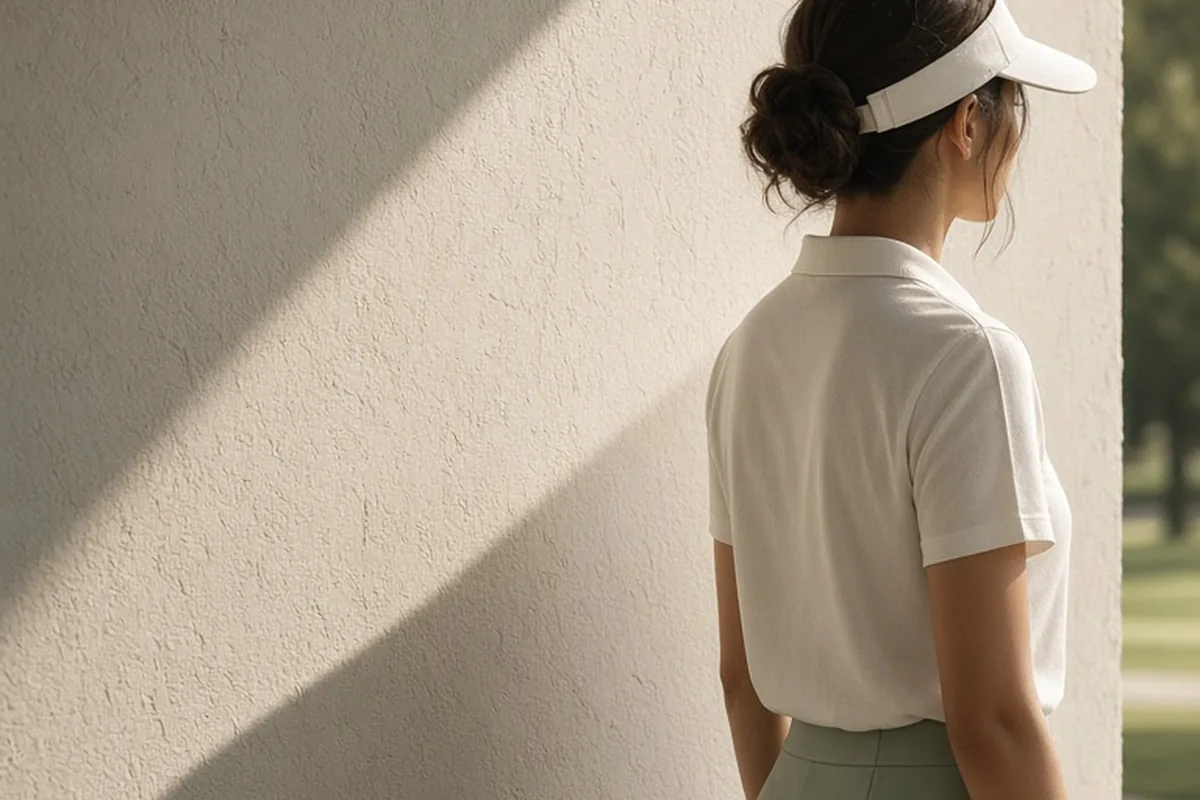
When attending a PGA golf tournament, women should wear polished, breathable athletic or resort wear suited for miles of walking. Ideal outfits include a tailored golf dress with built-in shorts, a performance skort paired with a collared sleeveless top, or cropped chino pants with a breathable blouse. Complete the look with comfortable, flat walking sneakers or spikeless golf shoes, UV-protective sunglasses, a wide-brim visor or hat, and a tournament-approved clear crossbody bag.
Spectating at a professional golf tournament blends relaxed country-club elegance with an active outdoor day that often covers five to six miles of grassy, uneven terrain. Striking the right balance between sophisticated style, personal comfort, and course etiquette ensures you can follow your favorite players all day without sore feet, sunburn, or dress-code mishaps.
Classic Spectator Outfits: Dresses, Skorts, and Tailored Separates
The standard dress code for a PGA Tour event leans heavily into elevated athletic apparel, often referred to as country-club casual or golf-core. The most versatile foundation is an athletic dress constructed from moisture-wicking, four-way stretch fabric that features built-in bike shorts with side pockets. This silhouette keeps you cool during warm afternoon rounds, provides full coverage when sitting on grassy hillsides, and maintains a structured, intentional aesthetic. Alternatively, an A-line or pleated performance skort paired with a sleeveless or short-sleeve polo shirt offers the same functional utility with more styling flexibility.
If you prefer trousers or separates, tailored ankle-length chinos, lightweight stretch joggers with a flat waistband, or five-inch tailored Bermuda shorts are excellent options. Pair these bottoms with a crisp linen button-down, a fitted quarter-zip pullover, or a structured polo top. Avoid denim jeans, cut-off shorts, and overly casual gym wear like cotton sweatpants or graphic tees, as these clash with traditional golf environments and can feel out of place in club facilities.
When choosing an outfit, keep bathroom logistics and functional movement in mind. While a one-piece jumpsuit or romper can look exceptionally stylish in photographs, it can prove cumbersome when navigating portable tournament restrooms across the back nine. Separates or dresses designed specifically for active sport with accessible drop-tail or dual-layer shorts offer a far more practical experience during an eight-hour tournament day.
- Performance Polo Dress: Look for styles with built-in compression liners, UPF 50+ sun protection, and a collared neckline.
- Skort and Sleeveless Polo: Combine a 14- to 16-inch pleated athletic skort with a breathable, moisture-wicking collared top.
- Tailored Chinos and Lightweight Blouse: Opt for cropped stretch-cotton or technical pants paired with an airy short-sleeve button-up.
- High-Waisted Shorts and Quarter-Zip: Choose five-to-seven-inch inseam tailored shorts with a lightweight sun-protective pullover.
Footwear Essentials: Prioritizing Traction, Cushioning, and Silence
Footwear is the single most critical decision you will make when dressing for a golf tournament. Professional golf courses span over 7,000 yards, and following a group across 18 holes typically adds up to 10,000 to 15,000 steps across wet morning turf, steep pine-straw mounds, sand-dusted cart paths, and slick grassy slopes. High heels, platform wedges, open-toe sandals, and flip-flops are strongly discouraged because they sink into soft fairways, offer zero arch support, and create significant slip hazards.
Your best choices are low-profile leather walking sneakers, cushioned athletic running shoes in clean neutral tones, or dedicated spikeless golf shoes. Spikeless golf shoes are engineered specifically for traction on rolling grass without chewing up delicate green complexes. If you choose standard lifestyle sneakers, ensure they have adequate tread and supportive footbeds. Keep in mind that morning dew and loose dirt will quickly coat your footwear, so pristine suede or delicate canvas shoes might get stained during the first few holes.
Another key consideration is acoustic etiquette. Golf requires complete silence during player setup and execution of shots. Hard-soled dress shoes, clunky wooden mules, or squeaky plastic sandals can generate disruptive clicking noises on paved cart paths and wooden pedestrian bridges near tee boxes. Selecting soft, rubber-soled footwear ensures you can move between holes quietly without drawing frustrated looks from tournament marshals or players.
- Spikeless Golf Shoes: Provide optimal grip on slick grass while looking polished and course-appropriate.
- Neutral Athletic Sneakers: Choose running or walking shoes with substantial arch support and rubber outsoles.
- Clean Leather Court Shoes: Offer a minimalist country-club aesthetic with sufficient structure for all-day walking.
- Footwear to Avoid: Metal spikes (prohibited for spectators), high heels, platform sandals, flip-flops, and slick-soled loafers.
Weather Readiness: Layering for Temperature Swings and Sun Exposure
Golf tournaments run from early morning until late afternoon, often exposing spectators to substantial temperature swings. A morning tee time at 7:30 AM might start in a 55-degree coastal fog, only to transition into direct 85-degree sun by the time the leaders reach the back nine. Dressing in smart, modular layers prevents you from shivering through early groups or overheating during the afternoon rush.
Start with a breathable base layer such as a sleeveless moisture-wicking polo or technical tank, then add a lightweight mid-layer like a half-zip pullover, a cropped golf sweater, or an airy cardigan. A windbreaker or packable water-resistant shell made of quiet technical fabric is invaluable if rain or brisk gusts are in the forecast. When the afternoon sun warms the course, you can easily tie your pullover diagonally across your chest or wrap it around your waist without disrupting your silhouette.
Sun exposure on unshaded fairways is relentless over six to eight hours. Beyond sunscreen, incorporate protective clothing elements such as wide-brim straw visors, baseball caps, or bucket hats designed to shield your face and scalp. Polarized sunglasses are another functional staple, reducing bright fairway glare so you can easily track high ball flights and read leaderboard boards across water hazards.
PGA Tour Bag Policies and Essential Accessories
Before finalizing your accessories, review the official PGA Tour bag policy to avoid being turned away at security checkpoints. Like many professional sporting leagues, the PGA Tour enforces strict guidelines regarding bag size and transparency. Spectators are generally permitted to carry clear plastic, vinyl, or PVC bags that do not exceed 12 x 6 x 12 inches, or small non-clear clutch purses no larger than 4.5 x 6.5 inches. Large leather backpacks, standard canvas totes, and camera bags are strictly prohibited on tournament grounds.
Investing in a high-quality clear crossbody bag with an interchangeable sporty webbing strap allows you to comply with security rules while keeping your hands free for holding food, beverages, or tournament pairings guides. Pack only the essentials: a non-aerosol sunscreen stick for mid-day reapplication, lip balm with SPF, a compact portable phone charger, basic blister bandages, and a reusable clear water bottle if permitted by venue rules.
Avoid overpacking your clear bag, as heavy bags will quickly strain your shoulder after walking several miles over hilly terrain. Furthermore, remember that security staff inspect every clear bag at the gate, so organizing your personal items into small, regulation-sized pouches keeps your bag looking tidy while speeding up the entry screening process.
Hospitality Tents Versus General Admission: Adjusting Your Look
Your ideal outfit may shift depending on whether you hold a General Admission grounds pass or access to private hospitality chalets, clubhouses, and corporate suites. Grounds ticket holders should prioritize athletic performance, breathability, and functional footwear because the day involves walking several miles across open terrain, sitting on hillside grass, and standing for prolonged periods near the ropes.
Hospitality passes, on the other hand, offer access to air-conditioned suites, shaded viewing decks with high-top tables, and indoor dining rooms. For these venues, spectators often dress up slightly, choosing tailored linen midi dresses, sophisticated wide-leg cropped trousers with silk-blend sleeveless tops, or structured shirt-dresses. However, even with suite access, most attendees eventually venture outside to follow a key group or watch players warm up on the practice range. Maintaining sensible, flat footwear ensures you can move freely between luxury chalets and the golf course without painful compromises.
Color Palettes, Fabric Choices, and Tournament Etiquette
The visual aesthetic of a professional golf tournament centers on crisp, clean, and classic palettes. Timeless combinations like navy and white, forest green and cream, pastel pink, soft lavender, and light blue consistently fit the surroundings. Subtle patterns like classic gingham, micro-stripes, or understated floral prints work well, while loud neon hues, distracting holographic fabrics, or massive commercial logos should be avoided near the ropes to keep visual distractions minimal for the players.
Fabric selection directly dictates your comfort throughout the day. Technical fabrics made of nylon-spandex or polyester blends provide breathability, dry quickly, and resist wrinkles after sitting down on spectator grandstands. Heavy 100% cotton garments, thick denim, and delicate silk should be avoided because they trap moisture, show sweat rings quickly, and wrinkle easily in humid outdoor conditions.
Finally, always respect the traditions of course etiquette. Follow the instructions of volunteer marshals holding 'Quiet' paddles, never step inside the roped boundaries unless directed at designated crosswalks, and keep your mobile device on silent mode at all times. Dressing appropriately and carrying yourself with courtesy ensures an enjoyable day for you, your fellow spectators, and the competitors.
Illustrative Scenarios
Balancing Chic Hospitality Style with Course Walking
A first-time spectator attending a weekend tournament at a major championship course had access to both a 16th-hole corporate hospitality suite and general grounds access. Initially considering a structured sundress with espadrille wedges, she pivoted after learning the course required walking over four miles of undulating rough to follow the final pairings. She chose a tailored white performance skort, a navy sleeveless collared polo, clean leather court sneakers with gel insoles, a navy lightweight quarter-zip draped over her shoulders, and a tournament-approved clear crossbody purse.
Key point: Opting for upscale athletic wear over stiff resort dresses or elevated wedges allowed her to comfortably walk ten holes with the leaders in the morning sun and transition seamlessly into the corporate chalet for lunch without feeling underdressed or fatigued.
Frequently asked questions
Can I wear jeans or denim shorts to a PGA golf tournament?
While denim is not always strictly prohibited for general admission spectators at every venue, it is generally discouraged because it does not align with golf course etiquette. Denim also traps heat, becomes heavy when wet from morning dew or sweat, and restricts mobility during miles of walking. Opt for tailored chino shorts, performance skorts, or stretch trousers instead.
Are running shoes acceptable to wear as a spectator at a golf tournament?
Yes, clean running shoes and supportive walking sneakers in neutral or muted colors are widely accepted and very common among spectators. Professional golf tournaments require extensive walking over rolling terrain, so supportive athletic footwear with good traction is both practical and expected.
Do I have to wear a collared shirt to watch a PGA tournament?
Spectators are not strictly required to wear collars, but collared polo tops, zip-neck athletic tops, and tailored sleeveless polo dresses are traditional and help you look polished. If you choose a collarless top, select a structured, high-quality crewneck or athletic tank rather than a graphic t-shirt or thin strap top.
What kind of bag is allowed inside PGA Tour events?
The PGA Tour requires bags to be clear plastic, vinyl, or PVC not exceeding 12 x 6 x 12 inches, or small non-clear clutch purses no larger than 4.5 x 6.5 inches. Large backpacks, oversized totes, and camera bags are prohibited and will not be permitted past tournament security gates.
Your next step
Check the weather forecast and your specific tournament's bag guidelines 48 hours before the event, then lay out a comfortable athletic dress or skort combination with supportive flat sneakers and a clear crossbody bag.