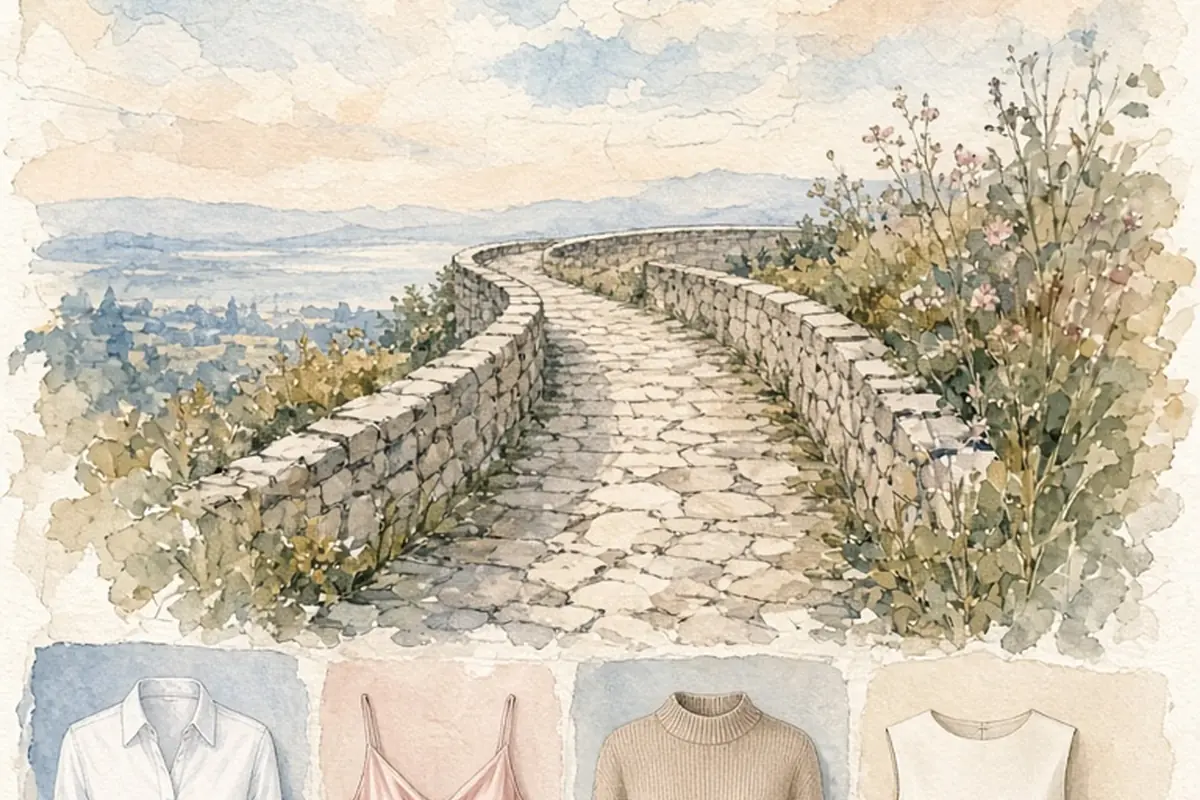
For a professional female wardrobe, the best pieces to wear under a blazer include crisp collared button-downs, silk or satin camisoles with modest necklines, fine-gauge crewneck or turtleneck sweaters, and structured shell tops. Choose lightweight, breathable fabrics that prevent bulk along the shoulders and arms. Your selection depends on workplace formality: pair tailored woven shirts with formal suits, or soft knits and tees with casual blazers.
Building a dependable work wardrobe often starts with a well-cut blazer, but the layer underneath determines both your comfort and how formal the overall silhouette appears. Finding the right balance between clean tailoring, breathable fabrics, and appropriate coverage ensures your outfit holds up throughout long meetings, commute adjustments, and shifting office temperatures.
Classic Woven Shirts and Button-Downs for Formal Settings
A tailored button-down shirt remains the benchmark pairing for conservative corporate offices, legal environments, and executive meetings. Poplin, cotton twill, and crisp cotton-stretch blends hold their shape cleanly against the structured lapels of a suit jacket. When you wear a collared shirt under a blazer, the collar points can either sit flat inside the jacket notch or rest cleanly over the lapel for a sharper, vintage-inspired look. Tucking a woven shirt into high-waisted trousers or an A-line skirt creates a defined waistline, preventing excess fabric from protruding beneath the blazer hem.
While traditional woven shirts deliver immediate authority, they come with practical limits that require attention to fit. Standard button-downs can gap across the bust when seated or pull tightly across the upper back during typing. To prevent these fit issues, look for styles engineered with hidden interior modesty buttons, shirts cut with a small percentage of elastane for mechanical stretch, or blouses featuring a sewn placket. If sleeve circumference in your blazer is narrow, select shirts with sleek barrel cuffs rather than bulky French cuffs so your wrists move freely without catching on the jacket lining.
Sleeveless Shells and Silk Blouses for Fluid Drape
Sleeveless shells and fluid blouses offer a softer, more contemporary alternative to stiff poplin while solving the persistent problem of armhole bunching. Garments cut from silk crepe de chine, high-grade matte satin, or heavyweight rayon drape smoothly over the torso without adding bulk through the shoulders or bicep area. A fluid top softens the angular lines of heavy wool or double-breasted blazers, creating an elegant contrast that transitions easily from daytime presentations to evening professional dinners.
When choosing sleeveless styles for professional settings, fabric opacity and shoulder strap width are essential considerations. A shell should have wide straps that completely conceal undergarments, with armholes tailored high enough to prevent side exposure when you reach for a document or laptop. The trade-off with delicate fabrics like silk is maintenance and durability; silk requires dry cleaning or careful hand-washing and can show perspiration marks more quickly than treated cotton. Opting for washable silk blends or high-twist rayon shells gives you the same visual drape with greater resilience for frequent workweek wear.
Fine-Gauge Knits and Turtlenecks for Polished Texture
Fine-gauge knitwear introduces subtle texture and warmth without sacrificing a sharp, tailored profile. Lightweight merino wool, silk-cotton blends, and compact modal knits sit smoothly against the skin and glide beneath tailored jackets without friction. During cooler months, a fine-gauge turtleneck or mock-neck sweater paired with a blazer produces a focused, architectural silhouette often favored in creative corporate, academic, and architectural workplaces.
The critical technical factor when layering knitwear under tailoring is the knit gauge. Chunky cable knits, heavy waffle weaves, and oversized drop-shoulder sweaters force the blazer sleeve to stretch, creating pulling across the shoulder seam and restricting your range of motion. Stick to knits designated as 12-gauge or higher, which have a thin, tight weave. Choose sweaters with a ribbed waistband that either sits flush against your hip or stays neatly tucked into your waistband without creating an uneven ring of fabric around your midsection.
Elevated T-Shirts and Bodysuits for Smart-Casual Workplaces
In modern business-casual, tech, and agency environments, an elevated T-shirt paired with a relaxed blazer is an accepted staple. The difference between an outfit that looks intentional and one that appears unfinished lies entirely in the fabric quality of the tee. Standard casual cotton tees tend to stretch out around the neckline, show slubby textures, or look faded under bright office lighting. An office-ready undershirt should be made from mercerized cotton, pima cotton, or modal with a dense, opaque weave, a refined crew or jewel neckline, and a subtle natural sheen.
Bodysuits are another effective tool for achieving an immaculate, flat tuck that never untucks or bunches when you stand up from your desk. They eliminate the constant need to adjust your shirt throughout the day, which maintains clean visual lines under fitted jackets. However, the trade-off is comfort over long workdays. If you choose a bodysuit, look for designs with breathable gussets, adjustable snap closures, and thong or seamless laser-cut bottoms to avoid visible panty lines under lightweight trousers or pencil skirts.
Harmonizing Necklines with Blazer Lapels and Bust Proportions
A common styling misstep is pairing a blazer and base layer with competing necklines. The jacket lapel forms a geometric frame, and whatever sits underneath must work with that geometry rather than fight it. For instance, a low-slung, narrow single-button blazer creates a deep V shape; pairing it with a plunge neckline can leave an uncomfortable amount of exposed skin for formal meetings. In that scenario, balancing the deep opening with a high crewneck, a jewel neck, or a soft mock neck restores professional proportions.
Conversely, blazers with high button stances, double-breasted closures, or collarless necklines pair naturally with scoop necks, V-necks, or tie-neck blouses. If your blouse features a soft bow or pussycat tie, let the ties rest either tucked neatly into the jacket closure or centered over the lapels to avoid asymmetrical distortion. For individuals with a fuller bust, wide V-neck or scoop-neck tops underneath an open single-breasted blazer elongate the chest area, whereas high, tight crewnecks in thick fabrics can sometimes create an overly compressed visual plane.
Fabric Weights, Breathability, and Temperature Control
Office buildings frequently present unpredictable microclimates, with drafty conference rooms alternating with warm, crowded presentation spaces. The inner layer under your blazer serves as your thermal baseline, making fiber composition critical. Natural fibers such as cotton, lightweight silk, linen-cotton blends, and fine wool breathe well and wick moisture, helping you stay comfortable as room temperatures fluctuate. Synthetic fabrics like unlined polyester or nylon can trap body heat and odor against the skin, making long workdays uncomfortable.
You must also consider how the base layer fabric interacts with the blazer's inner lining. If your blazer is lined with slippery acetate, cupro, or viscose, almost any smooth top will slide on easily. However, unlined summer blazers made from raw linen or brushed cotton generate surface friction. Wearing a textured cotton T-shirt under an unlined jacket can cause the sleeves to catch and twist around your forearm every time you reach forward. Pairing unlined blazers with low-friction tops, such as smooth mercerized cotton or slippery rayon knits, preserves effortless movement.
Color Palette, Contrast, and Dress Code Alignment
The contrast level between your blazer and your top conveys a distinct message regarding formality. High-contrast combinations—such as an optic white poplin shirt underneath a dark navy or charcoal blazer—deliver the highest level of formality and visual authority. This pairing is well suited for client negotiations, boardroom presentations, and formal interviews because it focuses attention directly on the wearer's face and neckline.
Tonal and low-contrast pairings offer a modern, sophisticated alternative that works well across creative corporate and business-casual settings. Layering an ivory silk shell beneath a camel blazer, or wearing an espresso merino sweater under a chocolate or black jacket, creates a quiet, refined appearance. When incorporating prints, keep the scale balanced: if your blazer features a subtle glen plaid or pinstripe, stick to solid tops to prevent visual noise. If your jacket is solid and structured, a micro-polka dot, subtle stripe, or muted geometric print blouse adds interest without looking casual.
Illustrative Scenarios
Selecting Layers for Multi-Room Client Presentations
An account director needed an outfit for an all-day client pitch that involved presenting on stage, moving between overheated breakout rooms, and walking outdoors between campus buildings. Her initial instinct was to wear a long-sleeved silk button-down under her structured wool-crepe blazer. Realizing that stiff sleeves and delicate silk would show perspiration and feel restrictive during active gesturing, she swapped the button-down for a sleeveless, fine-gauge mock-neck knit in a breathable wool-silk blend.
Key point: Sleeveless fine-gauge knits eliminate bulk under tailored shoulders, regulate temperature throughout long transition days, and maintain a sharp, deliberate neckline on camera or stage.
Frequently asked questions
Can I take off my blazer if I am wearing a sleeveless top underneath at work?
Yes, provided the sleeveless top meets your office's dress code on its own. Ensure the top has wide straps that fully cover bra lines, a modest neckline, and opaque fabric so you remain polished if you remove the jacket.
What is the best top to wear under an oversized or boyfriend blazer?
Fitted base layers work best under oversized blazers to balance the silhouette. Choose a slim-fitting ribbed knit, a tailored bodysuit, or a tucked-in crewneck top so the outfit retains definition without looking swallowed by fabric.
How do I prevent my button-down shirt from bunching up around my hips inside a blazer?
Choose shirts with a curved shirttail hem that tucks securely into high-rise bottoms, or select styles with a bit of stretch that stay anchored. Alternatively, you can use a clean military tuck by folding excess fabric neatly at the side seams before fastening your waistband.
Your next step
Take ten minutes to inventory your work wardrobe by trying on your three most-worn blazers with one woven shirt, one silk shell, and one fine-gauge knit to confirm that shoulder seams lie flat and necklines stay balanced.