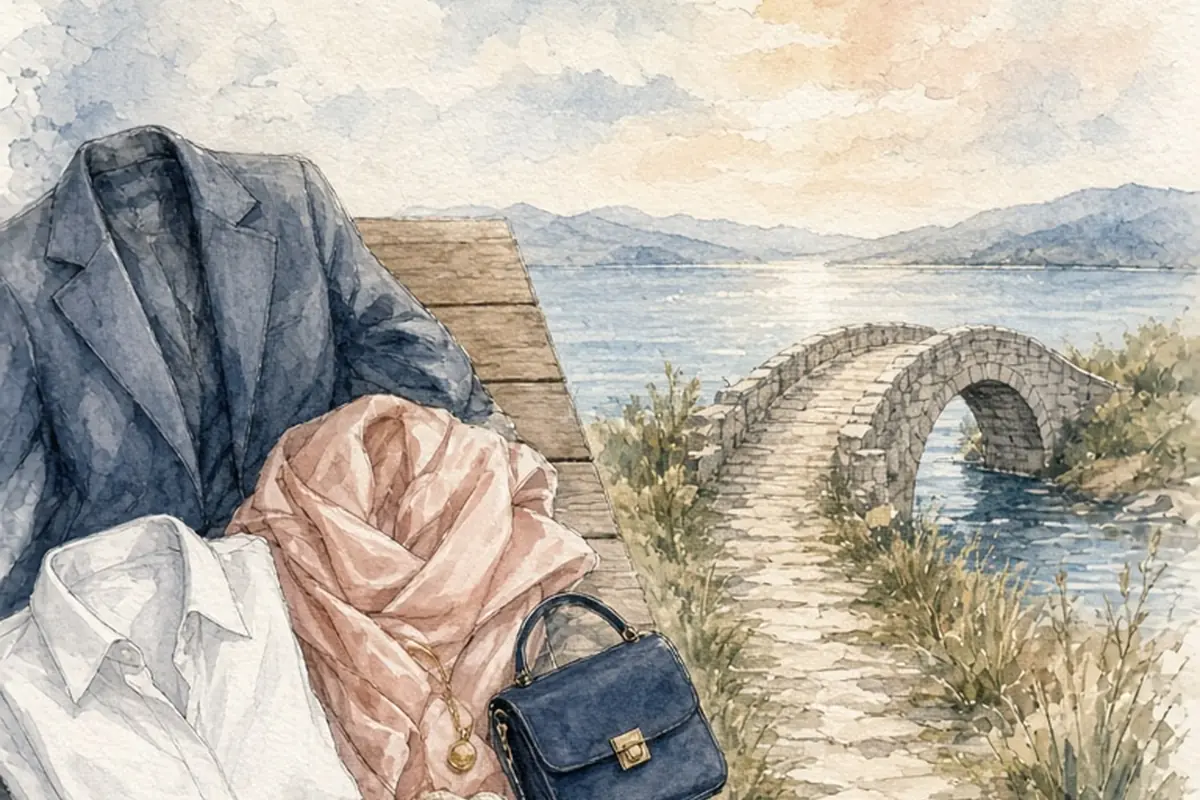
What you wear under a suit depends on formality, climate, and jacket tailoring. For formal or corporate settings, choose a crisp cotton button-down, silk blouse, or woven sleeveless shell. For smart-casual and creative environments, opt for fine-gauge knitwear, mock turtlenecks, or heavyweight crewneck tees. Seamless bodysuits and camisoles maintain a sleek line without adding bulk under tailored blazers.
A well-cut suit provides an immediate foundation of structure and poise, but the layer worn beneath the jacket dictates the outfit's overall tone, comfort, and functional versatility. Whether dressing for an executive presentation, a client lunch, or a creative networking event, selecting the right underlayer bridges personal style and professional expectations.
Structured Button-Downs and Collared Shirts for Formal Settings
A classic collared button-down shirt remains the traditional baseline for formal corporate offices, courtrooms, and conservative business environments. Crisp woven cotton poplin, pinpoint oxford, or structured cotton-stretch blends offer clean lines that sit naturally beneath structured lapels. When pairing a collared shirt with a tailored suit, the collar should stand upright without collapsing under the weight of the jacket collar, and the cuff should extend roughly one-quarter to one-half inch beyond the blazer sleeve for a polished proportion.
While structured shirts project authority, they present practical trade-offs regarding mobility and maintenance. Pure cotton requires thorough ironing or steaming and can wrinkle across the stomach when seated for extended periods. To minimize excess fabric bunching inside a slim-fitting jacket, look for shirts labeled as slim-fit, tailored-fit, or options with princess seams along the torso. Shirts with built-in stretch, such as a 3% to 5% elastane blend, improve arm mobility and keep the front placket from pulling across the bust.
- Select collar styles like classic point or spread collars that sit neatly inside the jacket lapels.
- Ensure the placket does not gape; consider hidden interior buttons or tailored darts if needed.
- Tuck shirts fully into high- or mid-rise trousers, securing with a discreet belt to prevent shifting.
Silk Blouses, Satin Tops, and Draped Shells for Refined Elegance
Silk and high-grade satin tops offer a fluid counterpoint to the rigid architecture of a wool or linen suit. Fabrics such as silk crepe de chine, silk georgette, and matte satin drape smoothly over the body without clinging, creating a refined look suitable for boardrooms, formal dinners, and professional receptions. Sleeveless shells, cowl-neck tops, and tie-neck blouses soften sharp lapels while maintaining an elevated level of dress.
The primary advantage of silk shells and blouses is their lightweight profile, which allows tailored blazers to fit closely across the shoulders and biceps without pulling. However, delicate fabrics demand careful undergarment planning. Sheer or pale silks require seamless, skin-toned undergarments to prevent show-through under office lighting. Additionally, pure silk is prone to water marks and perspiration stains, making breathable silk-blend shells or washable synthetic alternatives like high-twist polyester crepe a practical choice for long workdays.
Fine-Gauge Knitwear and Turtlenecks for Cooler Weather
During transitional and cold months, fine-gauge knitwear transforms a suit into an effortlessly sophisticated ensemble. Fitted turtlenecks, mock necks, and fine-ribbed crewnecks made from merino wool, cashmere, or silk-cotton blends provide warmth without creating awkward lumps under the jacket. A slim black, cream, or charcoal turtleneck under a tailored suit creates a timeless, minimalist silhouette popularized by mid-century modern design.
The key to layering knitwear under a suit is yarn weight. Heavy cable knits, chunky wools, and oversized sweaters restrict shoulder movement, pull at the armhole seams, and distort the jacket's silhouette. Always select knits designated as fine-gauge (typically 12-gauge to 16-gauge or higher) with fully fashioned armholes. If you tend to run warm indoors, a short-sleeve or sleeveless mock-neck knit gives the visual appearance of winter layering while preventing overheating once the jacket stays on.
Elevated T-Shirts and Bodysuits for Contemporary Smart-Casual
As modern workplaces embrace flexible dress codes, pairing a suit with an elevated basic has become a standard smart-casual uniform. A heavyweight Pima cotton, mercerized cotton, or modal-blend T-shirt provides a clean, intentional finish that relaxes the formality of matching trousers and a blazer. The goal is to choose tops with a smooth, opaque surface, a sturdy ribbed collar, and clean hems rather than worn-in or slouchy lounge tees.
Bodysuits are especially effective under suits because they eliminate the problem of fabric untucking, bunching, or shifting throughout the day. A crewneck, square-neck, or scoop-neck bodysuit creates a completely flat, streamlined foundation that pairs seamlessly with both high-waisted trousers and pencil skirts. The trade-off is comfort and fit across different torso lengths; look for styles with adjustable snap closures and breathable cotton gussets to ensure all-day comfort.
- Opt for dense, non-sheer fabrics to keep the look intentional rather than casual.
- Stick to clean necklines like crew, boat, or modest scoop cuts that frame the collarbone.
- Pair casual tees with structured, modern suits rather than strictly formal three-piece suits.
Harmonizing Necklines with Suit Lapels and Collars
The relationship between your top's neckline and the suit jacket's lapel determines the visual harmony of your upper body. Classic notch lapels offer the most versatility, accommodating crewnecks, button-downs, V-necks, and collarless shells with equal ease. Peak lapels, which point upward toward the shoulders, have a bolder visual presence and look best with simple, clean necklines like a modest scoop, crew, or unbuttoned shirt collar that does not compete with the lapel points.
Collarless jackets and wrap blazers require deliberate neckline curation. A collarless blazer pairs best with high crewnecks, jewel necks, or clean boatnecks that mirror the minimalist construction of the outerwear. Conversely, low-cut V-neck tops worn under deep single-button blazers can create an excessively open chest area that may feel unbalanced in conservative settings. Aim to maintain at least two to three inches of fabric coverage above the blazer's buttoning point.
Managing Fabric Weight, Breathability, and Interior Friction
A frequent issue when wearing layers inside a suit is fabric friction, where the top clings to the jacket lining or catches on the trousers. Synthetic tops like polyester chiffon can generate static electricity against acetate or polyester blazer linings, causing the garment to ride up awkwardly. Choosing natural fibers or anti-static lining materials ensures the jacket glides over the underlayer smoothly as you move.
Thermal regulation is equally important. If your suit is constructed from medium-weight wool, wearing a synthetic, non-breathable long-sleeve top can trap body heat and cause discomfort. Layering a breathable, moisture-wicking base layer—such as a lightweight bamboo, linen-blend, or fine merino shell—helps maintain comfort across fluctuating temperatures between outdoor commutes and air-conditioned conference rooms.
Color Coordination and Print Strategies
The color and pattern of your underlayer can either anchor a bold suit or add a focal point to a neutral one. Monochromatic styling—pairing an ivory silk blouse with an ivory suit, or a charcoal knit with a charcoal suit—creates an elongated, cohesive visual line. Tonal pairing, where the top is one or two shades lighter or darker than the suit fabric, offers depth while remaining understated and professional.
When working with patterned suits such as pinstripes, houndstooth, or Glen plaid, a solid-color underlayer that pulls out the secondary accent tone of the weave creates balance. Conversely, if you are wearing a solid navy, black, or beige suit, introducing a subtle micro-floral, geometric print, or classic Breton stripe adds personality without overwhelming the suit's clean tailoring.
- Monochrome: Choose matching hues in contrasting textures (e.g., matte wool with satin).
- High Contrast: Pair a crisp white top with dark navy or black suits for crisp formality.
- Accent Colors: Match the top to an undertone found in the suit fabric or accessories.
Illustrative Scenarios
Transitioning a Suit Across Day-to-Night Commitments
A management consultant needed an outfit suitable for a day-long client strategy session followed immediately by an industry networking reception. Instead of packing multiple outfits, she paired a tailored charcoal wool suit with a sleeveless, high-neck silk shell in soft champagne. During the meeting, the structured blazer remained buttoned for a formal, conservative appearance. For the evening reception, unbuttoning the jacket revealed the soft sheen and elegant drape of the silk top, shifting the tone to effortless smart-casual.
Key point: Selecting a versatile underlayer with quality fabric and an intentional neckline allows a single suit to adapt smoothly across varying levels of formality.
Frequently asked questions
Can you wear a camisole under a suit jacket for work?
Yes, provided the camisole features a modest neckline, substantial non-sheer fabric like silk or satin crepe, and wide enough straps that it looks intentional if you remove your jacket. Avoid lingerie-style lace trims or overly thin straps in formal business environments.
How do you prevent a shirt from bunching up under suit trousers?
Choose tops specifically cut with a slim torso or princess seams, or opt for a tailored bodysuit that remains anchored. You can also tuck your shirt into your undergarments or use a military fold along the side seams before fastening your trousers to keep excess fabric flat.
What is the best underlayer for hot summer weather?
A sleeveless shell made from lightweight silk crepe, linen-cotton blend, or breathable modal works best in warm conditions. These fabrics allow air circulation under the blazer while keeping the shoulders clean and preventing sweat absorption into the suit lining.
Should your shirt be lighter or darker than your suit?
Traditionally, tops lighter than the suit create a clean contrast that brightens the face and looks most formal. However, darker underlayers such as black, navy, or espresso create a chic, modern aesthetic that works exceptionally well for evening events and creative workplaces.
Your next step
Assess your day's formality, check the fit of your jacket shoulders, and choose an underlayer with complementary fabric weight and neckline proportion.