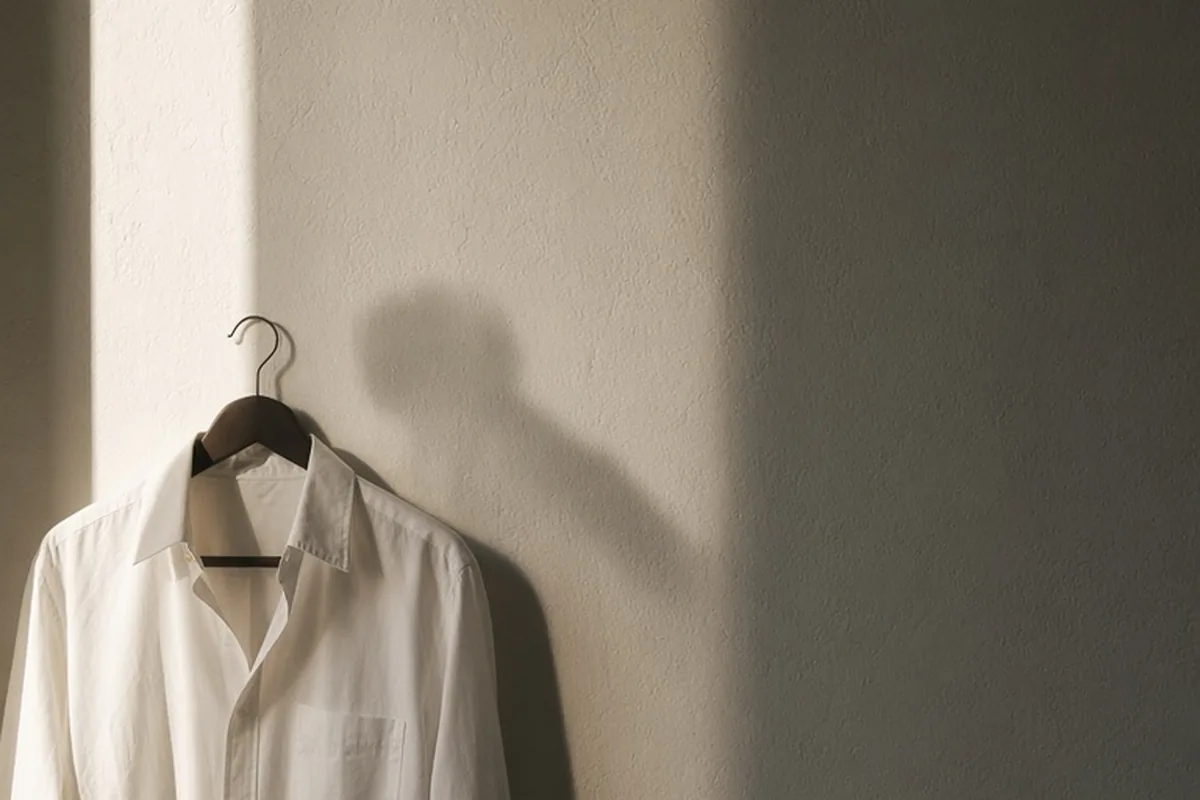
To keep your undergarments invisible under a white shirt, choose pieces that match your natural skin tone rather than white fabric. Neutral shades like beige, sand, taupe, mocha, blush, or even muted terracotta blend seamlessly against the body. Opt for smooth, seamless T-shirt bras, unlined bralettes, or microfiber camisoles without lace or prominent seams, ensuring the edges stay flat beneath thin cotton, linen, or poplin weaves.
A crisp white button-down or relaxed cotton tee is a timeless wardrobe staple, yet styling one often brings the frustration of visible outlines, harsh color contrasts, and unexpected transparency. Achieving a polished finish comes down to understanding how light interacts with fabric, your natural skin tone, and the construction of your base layers.
The Color Contrast Principle: Why Skin Tone Outperforms Pure White
The most common mistake when dressing under a white shirt is reaching for a pure white undergarment. While intuition suggests matching fabric colors, optical physics creates the opposite effect. White fabric against human skin creates a sharp tonal boundary. When light passes through a semi-sheer or fine-weave white shirt, it illuminates that sharp boundary, causing the stark white bra or tank to glow brightly through the garment. The outer shirt becomes a diffuser that emphasizes the silhouette of whatever sits directly beneath it.
To make an undergarment disappear, your goal is to eliminate contrast against your skin rather than against the shirt. Individuals with fair complexions often find success with soft blush, nude, sand, or pale peach tones. Medium and olive skin tones typically disappear beneath warm taupe, biscuit, almond, or muted terracotta. Deep complexions achieve the cleanest invisibility using rich caramel, chestnut, espresso, or dark chocolate bases. Surprisingly, muted reds, deep berries, and dusty rose hues also vanish under white shirts across a wide spectrum of skin tones because they absorb light at similar wavelengths to natural subcutaneous undertones.
The practical trade-off is finding your exact match across varying lingerie brands. Many standard collections still carry limited neutral ranges, which means you may need to swatch colors against your chest or inner forearm in natural daylight rather than settling for an off-the-shelf beige that may be several shades too light or ashy for your skin.
Selecting the Right Bra Silhouette and Surface Texture
Color is only half the battle; texture and construction dictate whether an undergarment telegraphs through smooth fabric. Even an exact color match will show through if the bra features delicate lace, scalloped borders, raised embroidery, or visible stitching along the cups. Light weaves like broadcloth, poplin, and jersey cling to irregularities, projecting shadows that make cup seams clearly visible from several feet away.
For maximum invisibility, prioritize seamless molded T-shirt bras, spacer bras, or heat-bonded wireless bralettes. Molded foam cups offer a completely smooth exterior curve and provide reliable apex modesty, which is especially helpful under thin or unlined linen tops. However, molded cups carry a known drawback: if the cup does not fit the breast volume precisely, the upper edge can curl outward or gap, creating an obvious horizontal ridge beneath your shirt.
Unlined microfiber bras and spacer-fabric designs offer a compelling alternative. Spacer fabric consists of a breathable 3D knit that shapes the bust without the rigid thickness of polyurethane foam. It hugs the natural contour of the breast, eliminating upper-cup ridges and reducing heat retention during warm weather. If you choose an unlined bra and prefer complete coverage across the center, pair it with thin, reusable silicone nipple covers designed with tapered edges.
Layering with Camisoles, Bodysuits, and Tank Tops
Certain garments—such as gauzy linen tunics, silk georgette blouses, and loose-weave slub tees—possess deliberate sheer qualities that make a standard bra feel overly exposed or structurally disconnected from the outfit. In these situations, an under-layer that provides continuous, deliberate coverage across the entire torso offers a much cleaner, more cohesive aesthetic.
A fitted camisole or tank top made from a lightweight modal, silk, or microfiber blend creates a smooth plane from bust to waist. If you want the camisole itself to remain hidden, choose one in your skin tone featuring a low scoop or deep V-neckline that mirrors the unbuttoned stance of your collar. If your blouse is completely sheer, a solid neutral camisole gives the appearance of a lined garment, lending professional polish without adding bulk.
Bodysuits present an even sleeker foundation because they anchor at the base, preventing the fabric from riding up, twisting, or bunching around the waistband of your trousers or skirt. The trade-off with bodysuits is comfort and thermal management. Adding a full synthetic bodysuit beneath a fitted cotton shirt can trap heat in warm climates and restrict mobility if the torso length does not match your proportions. Look for styles with snap closures, breathable gussets, and raw-cut leg openings to avoid visible panty lines beneath light-colored bottoms.
Assessing Shirt Fabric Density and Transparency
Not every white shirt requires the same level of base-layer vigilance. Fabric opacity depends on thread density, fiber composition, and weave structure. Understanding the weight of your shirt helps you choose an appropriate foundation without overthinking casual outfits.
Heavyweight Oxford cloth, structured denim, heavyweight twill, and dense double-knit cotton jerseys offer substantial natural opacity. Under these substantial fabrics, minor differences in bra color or subtle seam details rarely show through, allowing you to wear standard neutral bras, sports bras, or soft bralettes with minimal concern. Conversely, lightweight poplin, batiste, tissue cotton, silk habotai, and open linen let significant amounts of ambient light pass through, demanding laser-cut edges and precise skin-tone matches.
Always perform a quick lighting check before leaving the house. Indoor dressing room lighting and dim bedroom lamps frequently disguise transparency. Stand near a bright window or step into natural sunlight with a hand mirror, holding your hand behind the shirt fabric. If the outline of your fingers is clearly discernible through the weave, any contrasting bra strap, cup edge, or dark undergarment will be equally apparent to people you meet throughout the day.
Styling Undergarments as an Intentional Visual Choice
While traditional dressing emphasizes making base layers completely invisible, modern personal style often embraces undergarments as an intentional, structural element of an ensemble. When done with deliberate intent, visible layers can elevate a basic white shirt from simple to editorial.
For relaxed weekends, evening gatherings, or creative workplaces, consider letting a contrasting undergarment act as an accent. A structured black lace bralette beneath an oversized, menswear-style white button-down unbuttoned to mid-chest balances masculine tailoring with delicate texture. Similarly, pairing an athletic racerback crop top in a bold primary color or minimalist charcoal beneath a sheer, breezy white linen shirt creates an effortless, casual summer silhouette.
The key to intentional styling is context and balance. If your shirt is sheer and the undergarment is visible, the piece underneath should look finished and deliberate rather than like functional, utilitarian lingerie. Opt for wider bands, graphic straps, opaque fabrics, or clean geometric cuts. Keep the rest of your outfit grounded with tailored trousers, relaxed denim, or structured footwear so the exposed layer feels like an authentic design choice rather than an accidental wardrobe oversight.
Managing Straps, Hardware, and Neckline Alignments
Even when cup color and fabric texture are perfectly calibrated, poorly positioned straps and bulky hardware can disrupt the clean drape of a white shirt. Standard bra adjusters, metallic rings, and thick elastic bands often press against fine fabrics, creating irregular lumps along your collarbones and shoulder blades.
To keep lines clean, match the architecture of your bra to the cut of your shirt. If you are wearing a classic button-down with two buttons undone, choose a plunge bra with a low center gore so the bridge between the cups does not peek out. For boatneck shirts or wide crewnecks, select a balcony or demi bra with wide-set straps that sit close to the shoulder joints rather than creeping toward the base of the neck. Convertible bras with multi-way straps allow you to adjust for halter cuts, racerbacks, or cross-back tops without relying on external plastic clips that dig into your back.
Pay equal attention to band fit across your back. A bra band that is too tight can pinch soft tissue, creating bulges that distort the smooth back panel of a tailored shirt. A band that sits level, broad, and snug without cutting in distributes pressure evenly, ensuring the back of your white shirt hangs flat and uninterrupted.
Proper Maintenance to Prevent Undergarment Show-Through
Undergarments that are initially invisible can become noticeable over time if they are not cared for properly. Exposure to body oils, perspiration, deodorants, and improper washing cycles gradually degrades elastic fibers and alters fabric color, turning a reliable nude bra into a visible distraction.
Molded bra cups are particularly vulnerable to laundry damage. Machine washing with heavy garments or running bras through a high-heat tumble dryer weakens the foam matrix, causing the cup edges to curl outward into permanent ridges. Always hand-wash your fine undergarments or place them inside a structured mesh wash bag on a gentle cycle with cool water, then reshape the cups with your fingers and lay them flat to air-dry away from direct radiator heat.
Similarly, wash white shirts promptly after wear to prevent yellowing along the collar, placket, and underarms. Sweat stains and oxidized deodorant buildup alter the translucency of white fabrics, making the shirt thinner and more see-through in high-friction areas. Utilizing enzyme-based stain removers and oxygen-based brighteners preserves the fiber density and crispness of your shirt, ensuring your invisible base layers remain hidden through seasons of regular wear.
Frequently asked questions
Can I wear a light gray bra under a white shirt?
Yes, heather gray and soft dove gray work remarkably well under white shirts. Because gray contains no bright white pigments, it absorbs light similarly to neutral skin tones and rarely creates a visible outline beneath medium-weight fabrics.
Why does a red bra disappear under a white shirt?
A muted red or deep berry bra blends with the natural pink, red, and warm undertones present in human skin. Because the shirt diffuses the red light rather than reflecting a stark contrast, the boundary between the bra and your torso becomes virtually undetectable.
What is the best undergarment for a sheer white linen shirt?
For sheer white linen, a seamless microfiber camisole or unlined bodysuit matching your skin tone provides the most seamless coverage. It prevents the stark visual break of a standard bra band while maintaining the lightweight, breezy aesthetic of the linen weave.
How do I prevent my bra cups from showing through a tight white T-shirt?
Choose an unlined spacer bra or a seamless wireless bra with bonded, laser-cut edges instead of thick molded foam. Ensure the cup size fits your breast tissue completely so the upper perimeter lies flat against your chest without curling or gapping.
Your next step
Test your current undergarments under your favorite white shirt in bright natural window light to identify which skin-tone match and seamless silhouette truly vanishes on your body.