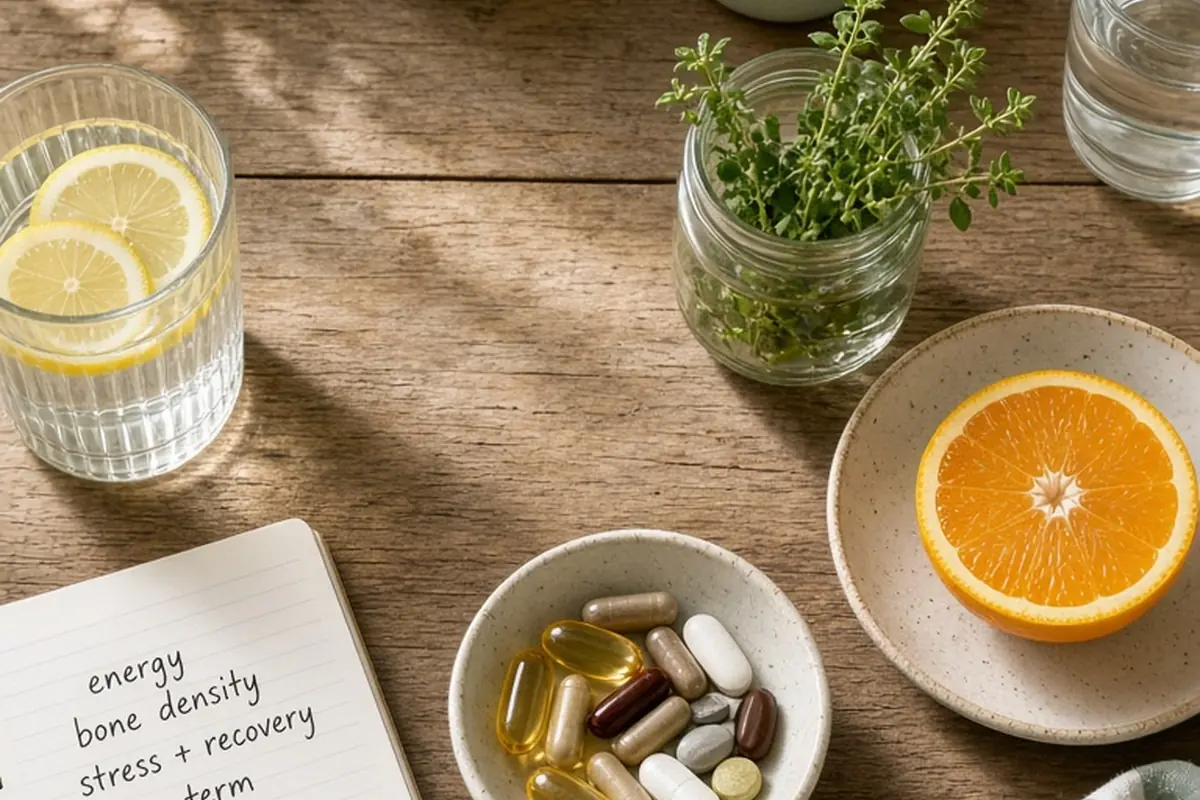
A 30-year-old woman generally benefits most from prioritizing vitamin D, B-complex vitamins such as B12 and folate, iron, magnesium, and omega-3 fatty acids, alongside foundational nutrients from a balanced diet. Individual needs vary depending on menstrual flow, lifestyle, stress, diet style, and reproductive plans. Rather than taking a generic megadose, the most effective approach is identifying personal baseline gaps through routine blood work and pairing targeted supplements with whole foods.
Entering your thirties often brings subtle shifts in metabolism, energy demands, bone density maintenance, and career or family stress, making thoughtful nutritional support especially valuable for long-term health.
Vitamin D and Calcium for Skeletal Longevity
Bone mineral density reaches its peak around age thirty, making this decade a critical window for protecting your skeletal framework against future bone loss. Vitamin D plays an essential role in this process by facilitating the intestinal absorption of calcium and phosphorus. Without adequate vitamin D, your body cannot efficiently utilize the calcium consumed through food, which may prompt it to draw calcium directly from your bones. Because modern indoor work environments and geographic sun angles often limit natural cutaneous synthesis of vitamin D, many women in their thirties experience sub-optimal circulating levels.
When considering vitamin D, pairing it with calcium-rich whole foods such as yogurt, fortified plant milks, canned sardines, and dark leafy greens creates a balanced nutritional foundation. Many practitioners suggest checking your 25-hydroxy vitamin D serum levels before choosing a dosage, as requirements can vary widely based on skin pigmentation, sun exposure, and body composition. A common trade-off to keep in mind is that excessive supplemental calcium in pill form can cause gastrointestinal discomfort and has generated debate regarding arterial calcification; therefore, relying on dietary calcium while supplementing vitamin D3 remains a preferred, gentle strategy for most individuals.
B-Complex Vitamins and Folate for Energy and Cellular Repair
The B-vitamin family, which includes B6, B12, riboflavin, niacin, and folate (B9), acts as the biochemical spark plug for cellular energy production and neurological function. In your thirties, juggling professional responsibilities, physical fitness, and personal commitments often increases the metabolic demand for these water-soluble coenzymes. Vitamin B12 is particularly vital for red blood cell formation and cognitive clarity, yet absorption can decline if stomach acid production fluctuates or if you follow a plant-based diet where natural B12 sources are scarce.
Folate is equally essential, playing a central role in DNA synthesis, cellular turnover, and cardiovascular health through homocysteine regulation. For women who may conceive, folate is crucial for preventing early neural tube defects, often making methylated folate (L-methylfolate) a favored choice over synthetic folic acid due to better bioavailability across diverse genetic profiles. While B vitamins are generally safe because excess amounts are excreted in urine, taking excessively high individual doses can cause skin flushing or mask other nutrient imbalances, so a balanced B-complex or a well-formulated multivitamin is usually sufficient.
Iron and Ferritin for Sustained Physical Stamina
Iron deficiency remains one of the most widespread nutritional concerns among premenopausal women, largely driven by monthly menstrual blood loss. Iron is the primary component of hemoglobin, the protein responsible for transporting oxygen from your lungs to your muscles and brain. When iron stores—measured as ferritin—become depleted, women frequently notice persistent exhaustion, brittle nails, cold sensitivity, unexplained exercise fatigue, and difficulty concentrating.
Before adding an iron supplement to your daily routine, obtaining a complete blood count and ferritin test is strongly recommended. Unlike water-soluble vitamins, the human body cannot easily excrete excess iron, which means unsupervised high-dose supplementation carries a risk of iron overload and oxidative stress. If testing indicates a need for iron, opting for gentle forms like ferrous bisglycinate can help minimize common side effects like constipation or nausea. Enhancing non-heme plant iron with vitamin C foods, while avoiding coffee, black tea, and calcium supplements within an hour of your iron intake, significantly improves absorption rates.
Magnesium and Omega-3 Fatty Acids for Stress and Recovery
While technically classified as an essential mineral and healthy fatty acids respectively, magnesium and omega-3s work intimately with traditional vitamins to support stress resilience, restorative sleep, and cardiovascular vitality. Magnesium participates in over three hundred enzymatic reactions, helping to relax smooth muscle tissue, regulate neurotransmitters that soothe the nervous system, and ease premenstrual physical tension. Many standard diets fall short of the recommended intake due to soil depletion and the prevalence of refined grains.
Omega-3 fatty acids, specifically eicosapentaenoic acid (EPA) and docosahexaenoic acid (DHA), provide structural support for brain cell membranes and help modulate everyday inflammatory pathways. If you do not regularly eat fatty fish such as wild salmon, mackerel, or sardines two to three times a week, a purified fish oil or algae-based DHA/EPA supplement can bridge the gap. When introducing magnesium, selecting the appropriate form is key: magnesium glycinate is widely chosen for calming and sleep benefits, whereas magnesium citrate is more frequently used to promote regular bowel movements.
Antioxidant Vitamins for Skin Health and Immune Defense
Environmental stressors, ultraviolet radiation exposure, and normal metabolic processes generate free radicals that can accelerate cellular aging and break down dermal structural proteins. Vitamin C and Vitamin E serve as primary antioxidant defenders that work in synergy to neutralize these reactive molecules. Vitamin C is also an indispensable enzymatic co-factor in the body's natural synthesis of collagen, which maintains the firmness, hydration, and elasticity of skin during your thirties.
Rather than relying on isolated high-dose antioxidant pills, obtaining these nutrients through a colorful spectrum of whole foods offers superior bioactivity due to natural companion flavonoids and phytonutrients. Bell peppers, strawberries, kiwi, citrus fruits, and broccoli provide abundant vitamin C, while almonds, sunflower seeds, avocados, and spinach deliver natural vitamin E. Supplementing with modest, physiologic doses is generally adequate unless specific dietary restrictions or malabsorption issues exist, as megadoses of isolated antioxidants can occasionally disrupt the body's natural adaptive training responses.
Evaluating Prenatal Formulas Versus General Daily Multivitamins
A frequent question for women in their thirties is whether they should take a standard adult multivitamin or switch to a prenatal formula. The fundamental distinction lies in the concentrations of specific reproductive nutrients: prenatal vitamins typically provide higher levels of iron, folate, iodine, and choline to accommodate the physiological requirements of fetal development and maternal blood volume expansion, while keeping preformed vitamin A low to avoid developmental toxicity.
If you are actively trying to conceive or anticipate pregnancy in the near future, transitioning to a prenatal vitamin several months in advance helps build adequate tissue stores of folate and iodine. However, if pregnancy is not part of your current horizon, a high-iron prenatal may cause unnecessary digestive sluggishness or exceed your daily iron requirements if your menstrual flow is light. Evaluating your current life phase, dietary patterns, and personal comfort allows you to select the formula that matches your present physiological demands without overloading on unneeded minerals.
Building an Effective and Safe Daily Supplement Routine
Creating a manageable supplement routine involves understanding nutrient bioavailability and digestive tolerance. Fat-soluble vitamins, including A, D3, E, and K2, require the presence of dietary lipids for optimal absorption and are best taken alongside a meal containing healthy fats such as eggs, nuts, olive oil, or avocado. Conversely, water-soluble B vitamins and vitamin C can be consumed earlier in the day with water, which also prevents the energizing effects of B vitamins from interfering with nighttime sleep.
Quality assurance is another critical factor when selecting supplements. Because dietary supplements are not subject to the same pre-market approval processes as pharmaceuticals, looking for independent third-party testing seals—such as USP, NSF International, or Informed Choice—verifies that the bottle contains the stated ingredients without harmful contaminants or heavy metals. Consistency matters far more than complexity; choosing two or three well-targeted, verified supplements is easier to maintain and gentler on your digestive tract than an overwhelming regimen of a dozen pills.
Illustrative Scenarios
Customizing Daily Nutrients After Experiencing Afternoon Fatigue
Maya, a 32-year-old graphic designer, noticed a persistent drop in her afternoon energy despite sleeping eight hours each night. Assuming she needed a generic energy boost, she initially purchased an assortment of high-dose multivitamins and herbal blends, which left her with mild stomach upset and no noticeable change in stamina. After discussing her symptoms with her primary care physician, she underwent routine blood work that revealed low serum ferritin and insufficient vitamin D levels. Maya streamlined her routine to a gentle iron bisglycinate taken with morning orange juice, a daily vitamin D3 drop with breakfast, and an emphasis on leafy greens and lentils at lunch.
Key point: Targeting verified nutrient deficiencies through baseline testing is more effective and comfortable than taking broad, high-dose multivitamins without a clear purpose.
Frequently asked questions
Should a 30-year-old woman take a daily multivitamin or individual supplements?
A daily multivitamin can serve as a convenient, low-dose safety net if your diet is occasionally inconsistent. However, if you have specific deficiencies like low iron or low vitamin D, targeted individual supplements usually provide more effective, customizable dosages without excess filler ingredients.
Can I get all the vitamins I need in my thirties from food alone?
A nutrient-dense diet rich in diverse vegetables, fruits, healthy fats, and proteins can provide most essential vitamins. However, certain nutrients like vitamin D can be challenging to obtain from food alone, especially in regions with limited year-round sunlight, making selective supplementation practical.
What is the best way to avoid stomach upset when taking vitamins?
Taking your supplements alongside a solid meal rather than on an empty stomach is the most reliable way to prevent nausea. Additionally, choosing chelated mineral forms like iron bisglycinate or magnesium glycinate is significantly gentler on the digestive lining.
How often should I have my vitamin and mineral levels checked?
Requesting a basic metabolic panel, complete blood count, ferritin level, and 25-hydroxy vitamin D test during your annual physical is usually sufficient for healthy adults. If you are addressing an active deficiency, your doctor may recommend retesting specific markers after three to six months.
Your next step
Schedule an annual checkup with your healthcare provider to review routine blood work, assess your specific dietary habits, and build a targeted, high-quality supplement plan tailored to your body.