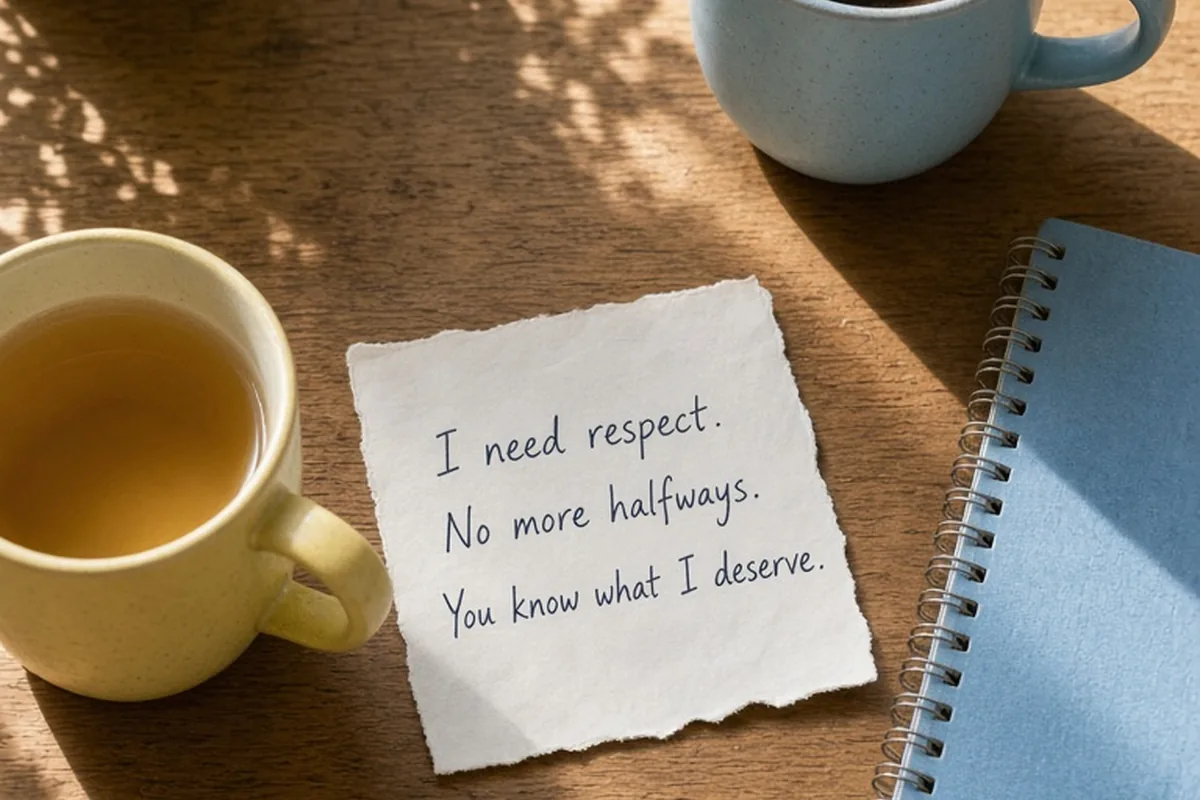
When someone treats you badly in a relationship, pause before reacting to regain emotional clarity. Clearly identify the specific behavior, such as dismissiveness, insults, or broken agreements, and address it directly using calm, boundary-setting language. If the partner acknowledges the issue and commits to genuine change, you can explore repair. However, if mistreatment continues, escalates, or includes abuse, prioritize your emotional and physical safety by disengaging and seeking support to walk away.
Experiencing mistreatment from a partner creates significant confusion, especially when moments of affection are mixed with hurtful behavior. Learning how to respond with dignity and clear boundaries protects your mental health while giving you the clarity needed to determine whether the relationship can realistically improve.
Recognizing the Difference Between Rough Patches and Mistreatment
Every relationship experiences moments of friction, stress, and poor communication. During high-pressure periods, partners may occasionally lose patience, speak curtly, or fail to offer optimal support. However, there is a fundamental difference between an isolated lapse in patience and a persistent pattern of mistreatment. Mistreatment involves repetitive behaviors that diminish your dignity, autonomy, or emotional security, such as chronic criticism, sarcasm disguised as humor, stonewalling during disagreements, or dismissing your feelings as invalid.
To evaluate what you are experiencing, observe how your partner behaves after a difficult moment occurs. In a healthy dynamic going through a rough patch, both individuals demonstrate remorse, show an interest in understanding each other's perspective, and make deliberate efforts to avoid repeating hurtful actions. In contrast, mistreatment often carries an underlying entitlement, where the person rationalizes their behavior, blames you for provoking them, or expects you to endure poor treatment without complaint. Recognizing this distinction prevents you from making excuses for patterns that erode your self-esteem.
Why People Tolerate Poor Treatment and How to Break the Cycle
Tolerating poor treatment rarely happens all at once; it typically develops gradually as small compromises accumulate over time. When you invest significant time, emotional energy, and affection into a partnership, the fear of loss or loneliness can make you rationalize unacceptable behavior. You might find yourself focusing on your partner's potential rather than their present conduct, hoping that extra patience, affection, or accommodation will finally encourage them to treat you with consistent care.
Breaking this cycle requires an intentional shift in your internal focus. Instead of asking what you can do to make your partner treat you better, ask yourself what standards of respect you are willing to uphold in your life. When you accept mistreatment to maintain harmony, you inadvertently signal that disrespect carries no real consequence. Reclaiming your self-respect means accepting the reality of how you are currently being treated and understanding that your primary duty is to safeguard your own well-being, even if that creates temporary tension.
Communicating Direct Boundaries Without Escalating Conflict
When addressing poor treatment, how you communicate matters as much as what you say. Reacting with anger, counter-insults, or prolonged silent withdrawal often derails the conversation, allowing the other person to shift focus onto your reaction rather than their original behavior. A constructive approach involves choosing a calm, neutral moment outside the heat of an argument to address the issue with clear, direct language.
Structure your statement around specific observable actions and their immediate consequences. For instance, rather than saying, You always disrespect me, state clearly, When you make sarcastic remarks about my family in public, I feel disrespected, and I will not participate in conversations where that happens. Setting boundaries in this manner removes ambiguity and frames the issue around personal conduct rather than character assassination. The trade-off is that holding a firm boundary may initially cause the other person to feel defensive, but it creates the necessary clarity to see whether they respect your limits.
Evaluating Accountability Versus Deflection
Once you clearly state your boundaries, your partner's response offers critical information about the viability of the relationship. Genuine accountability is straightforward and non-defensive. A partner who values the connection will listen without interrupting, acknowledge the impact of their actions, offer a sincere apology without attaching excuses, and take concrete steps to adjust their behavior over time. They will welcome open discussion about how to rebuild trust.
Conversely, deflection is a major indicator that mistreatment may persist. Common deflection tactics include turning the blame back on you, minimizing the severity of the act by claiming you are oversensitive, or using dramatic apologies solely to end the conversation without making any real lifestyle or behavioral changes. If a partner consistently refuses to take ownership of their impact, continuing to explain your hurt will rarely produce change, as the underlying unwillingness to self-reflect remains the core obstacle.
Identifying Red Flags and Prioritizing Personal Safety
While many relationship conflicts stem from poor communication habits, certain behaviors represent severe red flags that fall outside the realm of standard relationship repair. Controlling behavior, isolation from friends and family, financial coercion, intense intimidation, verbal humiliation, and any form of physical or sexual aggression are signs of an abusive environment. These behaviors are not communication problems to be negotiated; they are attempts to establish power and dominance.
When physical safety, emotional coercion, or severe control is present, traditional relationship advice like having open conversations or seeking joint compromise can sometimes increase personal risk. In these circumstances, the priority must shift entirely to personal safety and exit planning. Utilizing objective external support, such as domestic safety resources, individual counseling, or trusted community members, allows you to navigate the situation safely without trying to reform an unsafe partner on your own.
Deciding When to Walk Away and Disengaging Cleanly
Deciding to end a relationship due to mistreatment is rarely easy, but staying in an unfulfilling dynamic carries heavy emotional costs. If you have repeatedly communicated your needs, established reasonable boundaries, and given your partner ample opportunity to change, yet the disrespect continues, walking away is often the most self-respecting choice available. Waiting for an extreme breaking point only prolongs distress and further erodes your confidence.
Disengaging cleanly involves making a firm decision without entering into protracted debates, bargaining sessions, or mutual blame games. Clearly state that the relationship dynamic does not meet your needs for mutual respect and that you have decided to end the partnership. While the other person may attempt to make last-minute promises or induce guilt, maintaining your resolve prevents you from being pulled back into the same recurring cycle of hurt and temporary remorse.
Rebuilding Self-Esteem and Resetting Personal Standards
Recovering from a relationship where you were treated poorly requires time to rebuild trust in your own judgment. Extended mistreatment can leave you second-guessing your instincts, feeling overly cautious, or questioning your value in future connections. Engaging in activities that foster personal competence, spending time around supportive friends, and focusing on independent goals helps restore your sense of autonomy and self-worth.
As you move forward, use the experience to define non-negotiable standards for future relationships. Pay close attention to how potential partners handle disagreement, whether they honor basic commitments, and how they react when you state a preference or boundary early on. Mutual respect, emotional safety, and reliable communication should be baseline requirements for entry into your life, ensuring that you build future bonds on a foundation of genuine mutual regard.
Illustrative Scenarios
Marcus and Public Sarcasm
Marcus noticed that his partner frequently made cutting remarks about his career aspirations around mutual friends, laughing them off as lighthearted jokes. Marcus initially laughed along to avoid appearing insecure, but the recurring comments left him feeling humiliated and guarded. Instead of reacting with public anger or withdrawing into silence, Marcus chose a private, calm moment to address the pattern directly. He stated clearly that public jokes at his expense were unacceptable and that he expected private support rather than public mockery. When his partner initially defended the behavior as harmless teasing, Marcus held his ground without escalating the tone. Recognizing Marcus's firm resolve, his partner acknowledged the hurt and stopped the behavior.
Key point: Calmly addressing specific disrespectful actions in private establishes firm boundaries without turning the conversation into a public battle.
Elena and the Pattern of Broken Commitments
Elena's partner regularly canceled plans at the last minute, leaving her waiting on weekends while citing unexpected social or work conflicts. Elena initially accommodated every schedule change to show flexibility, but the cancellations became more frequent. Feeling increasingly undervalued, Elena scheduled a conversation where she calmly explained that dependable commitments were necessary for the partnership to work. When the behavior repeated the following week without explanation, Elena recognized the persistent pattern rather than accepting another empty promise. She chose to end the relationship, accepting the short-term sadness of a breakup rather than enduring long-term disregard.
Key point: A boundary only protects your well-being when you are prepared to step back if disrespectful patterns continue.
Frequently asked questions
Can someone genuinely change how they treat you in a relationship?
People can improve their relationship habits if they genuinely recognize the harm their actions cause and actively work on new behaviors. However, lasting change requires consistent personal accountability and sustained effort over time, rather than temporary apologies made simply to ease tension after an argument.
How do I know if I am overreacting or genuinely being mistreated?
You can distinguish between an overreaction and mistreatment by evaluating whether the issue involves basic respect, repeated broken agreements, or emotional safety. If a behavior consistently makes you feel belittled, anxious, or dismissed, your concern is valid regardless of whether your partner attempts to minimize it.
What should I do if my partner repeatedly ignores my boundaries?
If a partner consistently ignores clearly communicated boundaries, continuing to debate the issue will rarely produce results. You must enforce clear consequences, which often means stepping back from the dynamic or ending the relationship entirely to maintain your personal self-respect.
Your next step
Identify one recurring behavior that undermines your emotional well-being, clearly define the boundary you need to set, and communicate it calmly during your next neutral conversation.