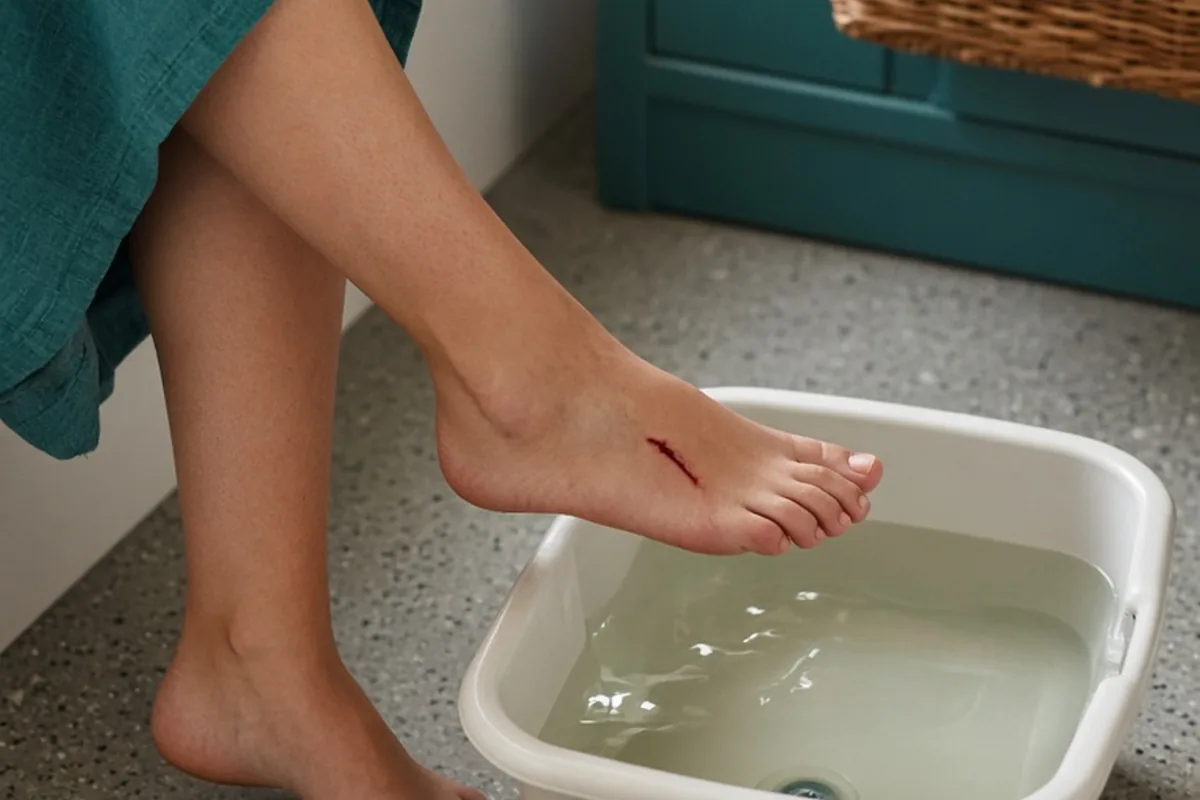
You should avoid or postpone a pedicure appointment if you have open wounds, active bug bites, fresh shaving cuts, peeling sunburns, suspected fungal nail infections, painful ingrown nails, or plantar warts. You should also cancel if you have systemic conditions that impair sensation or healing without medical clearance, or if the salon fails basic sanitation protocols. Rescheduling protects you from waterborne bacterial and fungal pathogens.
Pedicures are widely enjoyed for relaxation and personal grooming, but immersing feet in warm water basins and receiving cuticle or callus care requires an intact skin barrier. Knowing when to skip the salon chair keeps a minor foot irritation from turning into a persistent medical setback.
Fresh Shaving Cuts, Scrapes, and Recent Leg Waxing
A common mistake before a pedicure appointment is shaving your legs or ankles the morning of your visit. Shaving creates tiny microscopic tears along the epidermal surface, even when you do not see active bleeding or visible nicks. Depilatory creams and waxing also strip away the outer protective layers of the skin, leaving follicles open and sensitized. When legs with micro-abrasions enter a warm foot whirlpool, water that carries residual skin flakes and organic debris can enter those openings directly.
Salon foot tubs, especially piped whirlpool basins, can harbor environmental bacteria such as atypical mycobacteria and Staphylococcus aureus within their plumbing lines. While healthy, intact skin serves as an effective shield against these microorganisms, microscopic openings allow pathogens easy entry, raising the likelihood of painful boils, folliculitis, or cellulitis. To stay safe, establish a strict rule to avoid shaving, dermaplaning, or waxing your lower legs for at least forty-eight hours before any salon foot service. If you accidentally nick yourself while showering on the day of your appointment, contact the salon and reschedule rather than hoping the cut stays clean under a layer of lotion.
The trade-off of postponing your appointment for two days is minor compared to the weeks of antibiotic treatment required for a serious skin infection. If you must attend an event and want groomed toes, you can carefully apply polish to your own nails at home without soaking your feet or manipulating the surrounding skin.
Active Fungal Nail Infections and Athlete's Foot
Fungal infections like tinea pedis, commonly called athlete's foot, and onychomycosis, which affects the toenail plate, are clear indicators that you should bypass the pedicure salon. Athlete's foot typically presents with peeling, itching, burning, and cracked skin between the toes or along the soles. Fungal nail issues often cause toenails to become brittle, thick, crumbly, or discolored with yellow and white streaks. Salon environments provide the exact conditions fungi need to thrive: warmth, dampness, and frequent human traffic.
Visiting a nail salon with an active fungal infection introduces practical risks for both you and future clients. A nail technician is trained in cosmetic maintenance, not dermatology or podiatry, and filing a fungal nail can spread the spores across your remaining healthy toes. Furthermore, applying traditional or gel polish over a diseased nail creates an airtight seal that traps existing moisture, providing a greenhouse environment that accelerates fungal growth beneath the surface. If salon sanitization protocols fall short, instruments like files and buffers can inadvertently pass fungal organisms to other customers.
The most effective approach is to pause salon services entirely while you treat the issue. Consult a primary care physician or a podiatrist for targeted topical or oral antifungal therapies. Once your skin has cleared completely and any infected nail has grown out and been trimmed away, you can safely return to routine cosmetic pedicures.
Plantar Warts, Contagious Lesions, and Unexplained Rashes
Plantar warts, which develop on the soles of the feet, are caused by strains of the human papillomavirus that enter the skin through minor cracks. These lesions often look like small, rough, grainy growths with tiny black pinpoints in the center, representing clotted blood vessels. Because warts are viral and contagious, subjecting them to salon pumice stones, foot files, or abrasive scrubs can seed the virus to adjacent skin, turning a single localized wart into a cluster of painful lesions across the ball or heel of your foot.
Active rashes also require an immediate cancellation. Whether you are dealing with contact dermatitis from a new laundry detergent, a flare-up of dyshidrotic eczema with tiny fluid-filled blisters, or accidental exposure to poison ivy, inflamed skin is structurally compromised. The heavily fragranced foot scrubs, chemical callus removers, and synthetic lotions used in pedicures contain known irritants and sensitizers. Introducing these formulations to irritated skin can trigger contact allergies, intensify systemic inflammation, or cause secondary bacterial infections.
Rescheduling your visit until the skin has returned to its baseline state avoids a cycle of chronic irritation. If a lesion on your foot is painful to walk on, changes color, or fails to resolve within a few weeks, prioritize a medical evaluation instead of asking a nail technician to buff it smooth.
Painful Ingrown Toenails and Surrounding Inflammation
An ingrown toenail occurs when the curved edge of the nail curves downward and presses into the soft tissue of the lateral nail fold. This pressure causes localized tenderness, swelling, redness, and occasionally drainage if the area becomes infected. Many people mistakenly book a pedicure hoping the technician will cut out the painful corner and provide immediate relief. However, seeking nail salon care for an active ingrown nail is unsafe and can make the underlying problem substantially worse.
Cosmetic nail technicians are legally prohibited from performing medical procedures, and attempting to dig out or excise an ingrown nail edge with salon implements constitutes unlicensed minor surgery. This practice, often referred to as bathroom or salon surgery, frequently leaves behind jagged nail spikes deep within the fold. These residual fragments act like foreign bodies, driving bacteria further into the surrounding tissue and provoking an acute paronychia infection that requires medical drainage or oral antibiotics.
When a toe exhibits throbbing pain or noticeable swelling, cancel your cosmetic appointment and schedule an appointment with a podiatrist. A medical provider can evaluate the nail architecture, numb the area with a local anesthetic, and cleanly remove only the offending border under sterile conditions without tearing the delicate surrounding skin.
Underlying Health Conditions Affecting Sensation and Healing
Individuals living with chronic health conditions such as diabetes, peripheral artery disease, neuropathy, lymphedema, or autoimmune disorders need to exercise heightened caution regarding salon pedicures. Diabetic neuropathy and circulatory compromises reduce sensory feedback in the lower extremities, meaning you might not feel if footbath water is scalding hot, if an abrasive file is scraping through living tissue, or if a cuticle nipper is pinching your skin. Reduced blood flow also severely impairs your body's ability to heal from minor abrasions.
For people in higher-risk health categories, an unnoticed scratch from a callus rasp can progress into an open ulceration that resists standard healing and invites deep-tissue infections. Furthermore, clients undergoing active cancer treatments like chemotherapy often experience extreme immune suppression and skin fragility, making any exposure to salon foot basins an unnecessary health hazard. In these situations, routine commercial salon services present risks that clearly outweigh the aesthetic benefits.
If you have an underlying health condition that alters sensation or healing capacity, seek your physician's explicit clearance before scheduling a pedicure. Many podiatry practices now offer specialized medical pedicures, sometimes called medi-pedis, which are performed by trained technicians in a clinical setting using waterless techniques, single-use disposables, and hospital-grade autoclaves.
Recent Foot Surgeries, Biopsies, and Healing Stitches
If you have recently undergone any surgical procedure on your foot or ankle, pedicures must remain off-limits until your surgeon provides formal clearance. This restriction applies not only to major reconstructive surgeries like bunionectomies or joint fusions, but also to minor in-office procedures such as mole removals, cyst excisions, or punch biopsies. Even after sutures are removed, the newly formed scar tissue remains weak and lacks the tensile strength of uninjured skin.
Submerging a healing surgical site in salon water risks saturating the incision, softening protective scabs, and dissolving topical surgical adhesives prematurely. Moreover, foot massage and vigorous manual exfoliation place mechanical tension across incision margins, which can cause wound dehiscence or broaden visible scarring. Salon lotions and foot masks can also seep into the healing incision lines, provoking foreign-body reactions and deep inflammation.
Allow your body to complete its primary healing phase before pursuing cosmetic foot care. Ask your surgeon specifically when it is safe to submerge your feet in communal water, as standard recovery windows often range from four to eight weeks depending on the depth and location of the procedure.
Salon Cleanliness Issues and Visible Red Flags
Sometimes your own feet are completely healthy, but you should still avoid or walk away from an appointment based on the salon's operational standards. As a paying client, taking a few minutes to observe the facility's hygiene procedures before your feet touch any water is a necessary protective step. The presence of dirty tools sitting on manicure tables, foot basins that are merely rinsed rather than scrubbed with disinfectant, or dust-coated surfaces should prompt you to cancel immediately.
Pay special attention to the footbaths and sterilization equipment. Whirlpool foot basins with internal circulation pipes and magnetic jets are notoriously difficult to clean because hair, skin flakes, and bacteria can accumulate inside the internal pipes where disinfectant solutions may not penetrate effectively. Pipeless basins, basins fitted with brand-new disposable single-use plastic liners, or completely dry waterless pedicure setups present significantly lower contamination risks. Furthermore, metal implements such as clippers, pushers, and nippers must be sterilized in a medical autoclave between clients and removed from sealed, color-changing indicator pouches directly in front of you.
If you see technicians retrieving bare metal tools from generic plastic drawers, reusing disposable emery boards and foam toe separators, or using dangerous metal cheese-grater style callus blades, decline the service and leave. Respectfully stating that you prefer not to proceed gives you complete agency over your health and safety without creating unnecessary conflict.
Frequently asked questions
How long should I wait to get a pedicure after shaving my legs?
You should wait at least 24 to 48 hours after shaving or waxing your legs before receiving a pedicure. This waiting period allows microscopic nicks and open hair follicles to seal properly, preventing waterborne bacteria from entering your skin.
Can I still get a pedicure if I have a small blister on my foot?
It is safest to avoid a pedicure if you have an intact or popped friction blister. Soaking an open blister in a communal foot basin introduces bacteria directly into raw tissue, increasing your risk of localized infection.
What should I do if a nail technician tries to cut out an ingrown toenail?
Politely ask the technician to stop and leave the corner of the nail alone. Nail technicians are not licensed medical professionals, and attempting to dig out or cut an ingrown nail can cause severe paronychia and tissue damage.
Are waterless pedicures safer for people with sensitive skin?
Waterless pedicures eliminate the warm foot soaking basin, which significantly lowers your exposure to waterborne bacterial and fungal pathogens. They are generally considered a safer option for individuals prone to contact dermatitis or those seeking lower infection risks.
Your next step
Inspect both feet under good lighting twenty-four hours before your scheduled appointment to confirm that your skin is intact, your nails are free from painful inflammation, and you have not recently shaved.